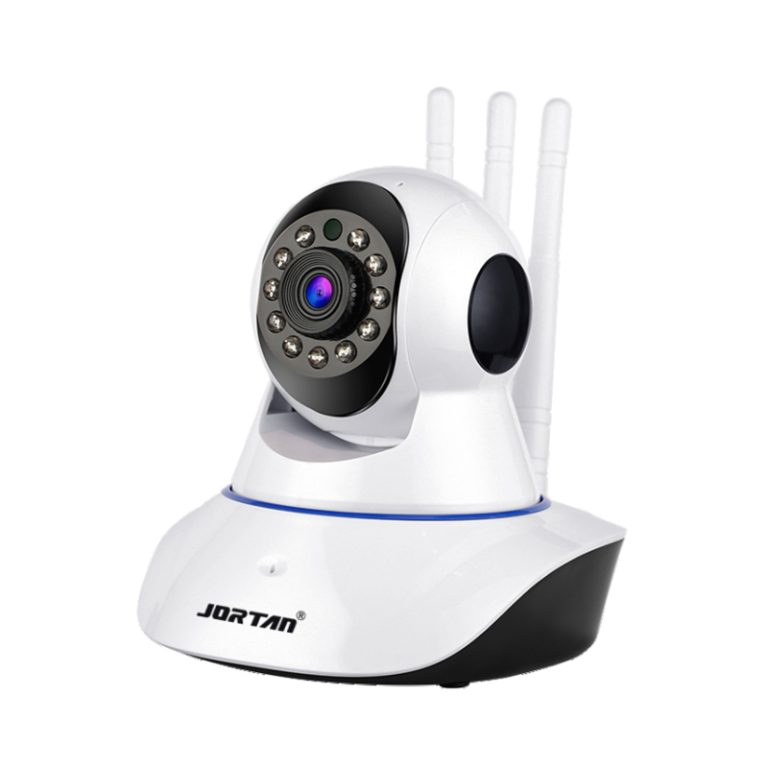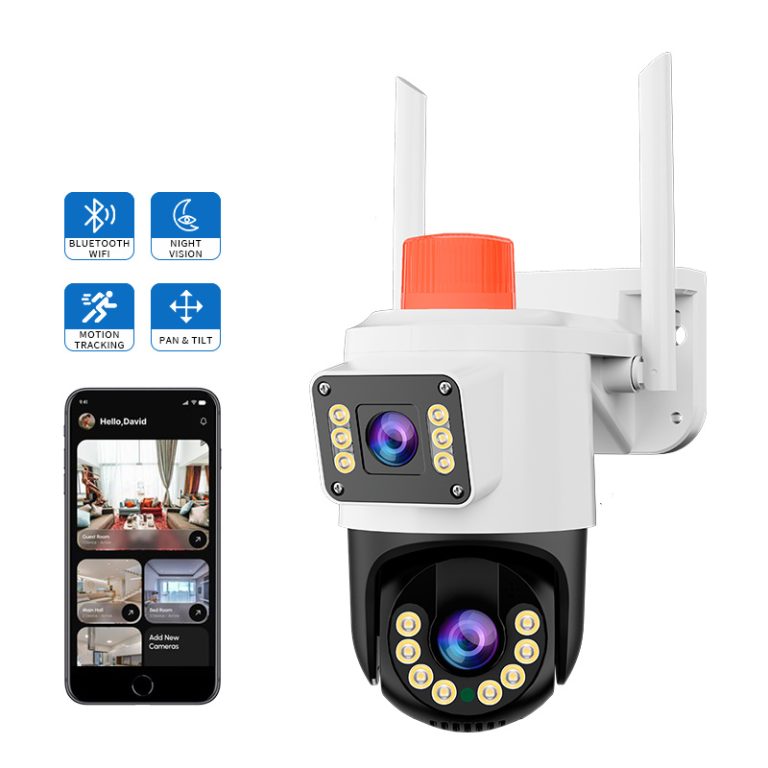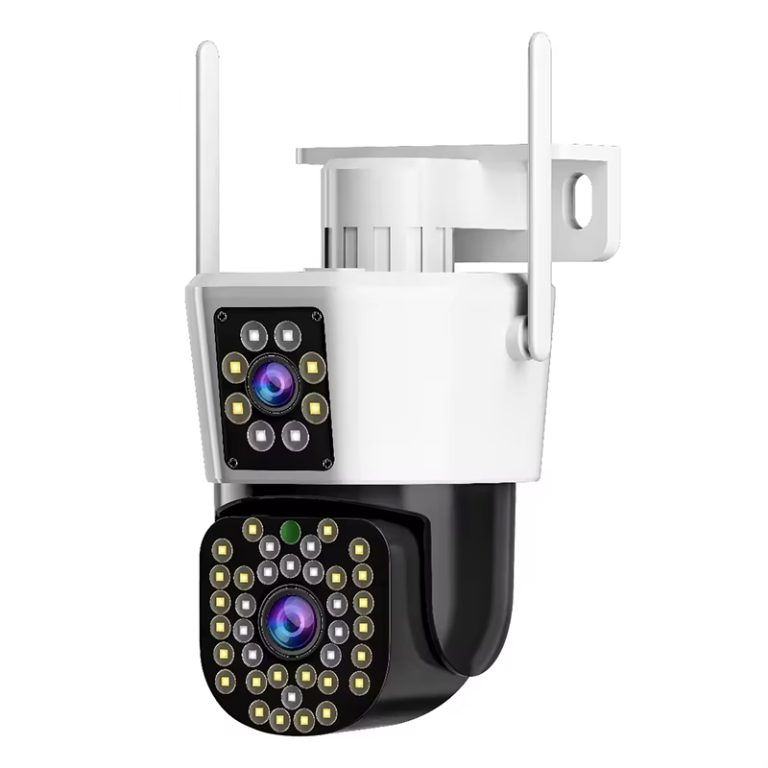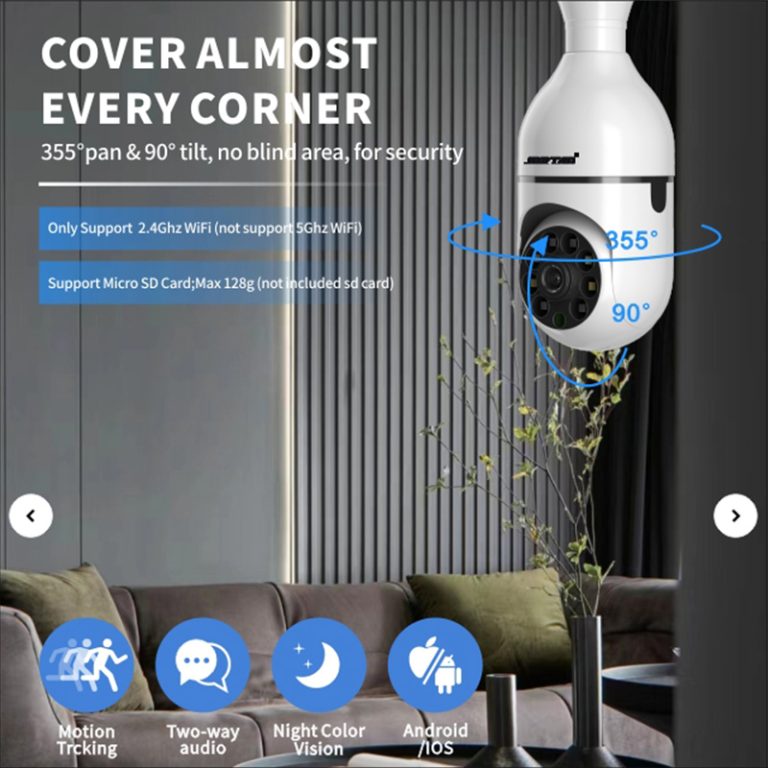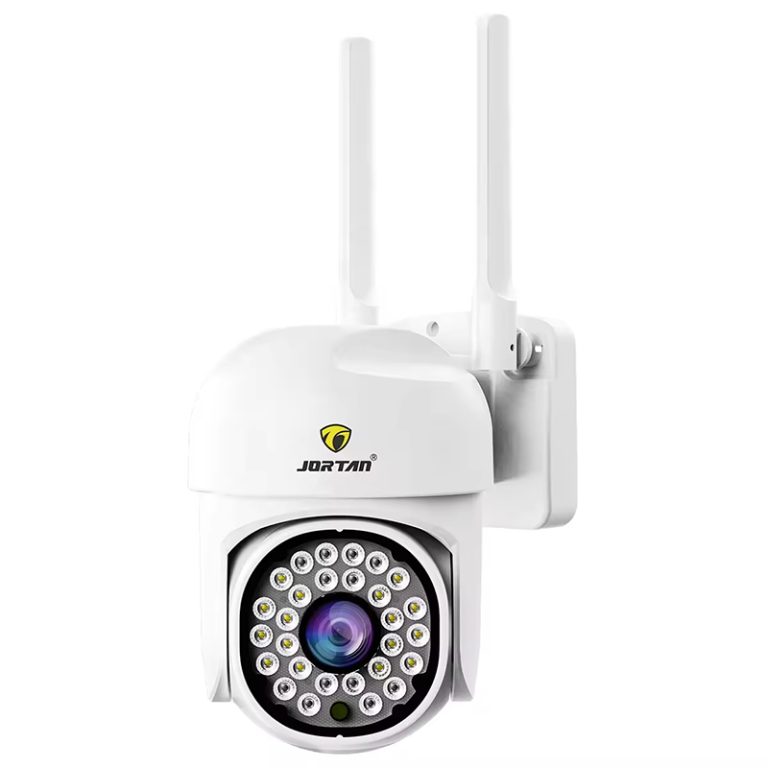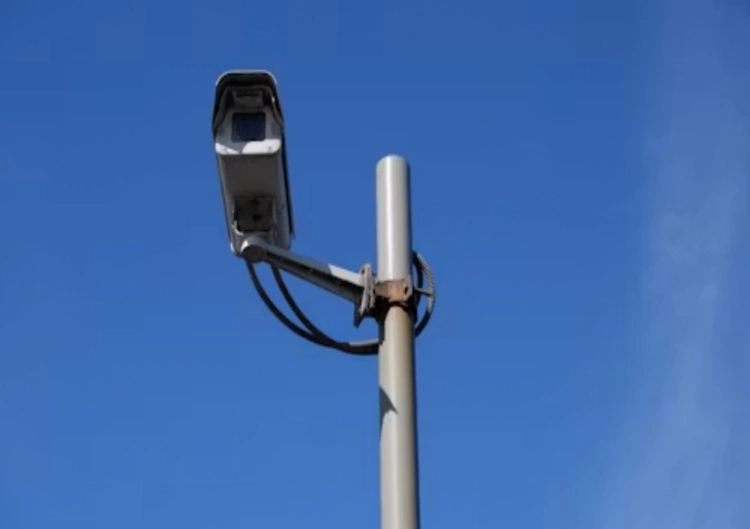
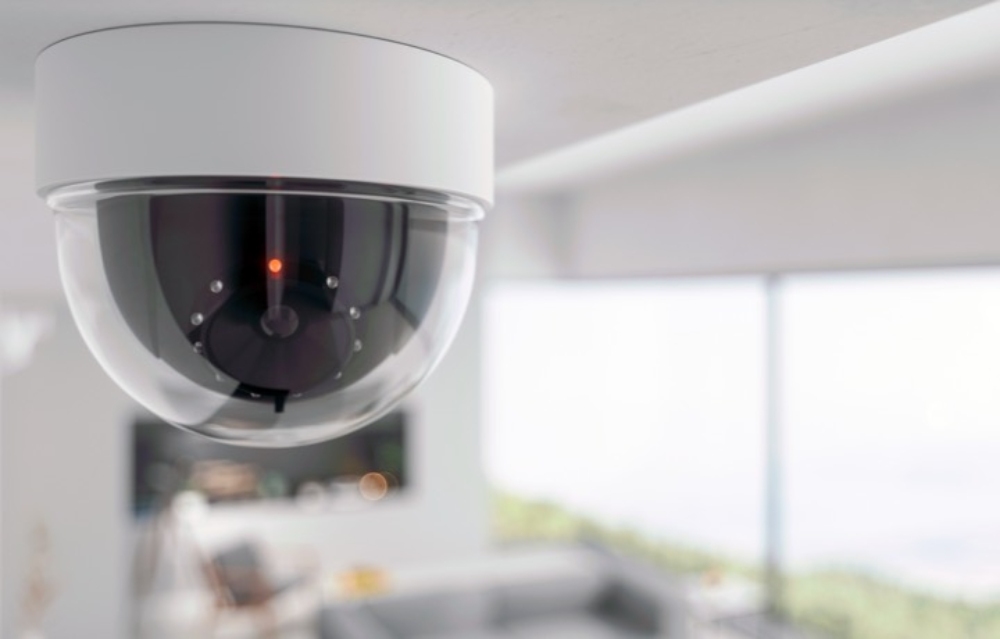
A security camera performs best when positioned at spots where dangers truly arise. Homeowners should consider entry points, blind spots, lighting, and routine activities around the property before selecting a model or adding extra units. Smart placement allows each camera to record helpful footage rather than just empty or fuzzy spots.
Understanding the Importance of Strategic Security Camera Placement
Security cameras rank as one of the top tools for boosting home safety, yet their success relies greatly on installation spots. Thoughtful positioning guarantees that key areas of your property stay watched, and it scares off possible threats before trouble starts.
Why Placement Matters for Home Safety
Correct camera placement boosts coverage and cuts down blind spots, so every entry point and weak spot gets monitored well. When set up wisely, these devices also serve as a clear warning to potential burglars who see they are under watch. On the flip side, badly placed cameras might yield partial videos or weak proof during a break-in.
Key Factors Influencing Installation Decisions
A few main elements shape where to put a security camera for top home safety.
Start by defining your real monitoring needs: which zones should be covered, such as indoor spaces, outdoor entry points, driveways, or specific rooms. Then consider the coverage area each camera must handle, since larger spaces may need wider angles or multiple devices. Light levels count too; dim spots might call for models with infrared or night vision features.
The camera type, whether wired, wireless, or AI-based, will also affect installation difficulty, flexibility, and long-term use. Wired types give steady, dependable links but take more effort to set up, whereas wireless ones install simply yet could face signal disruptions. At last, check privacy rules and local guidelines before setup to steer clear of legal problems tied to views of public spaces.
Exterior Camera Placement for Maximum Protection
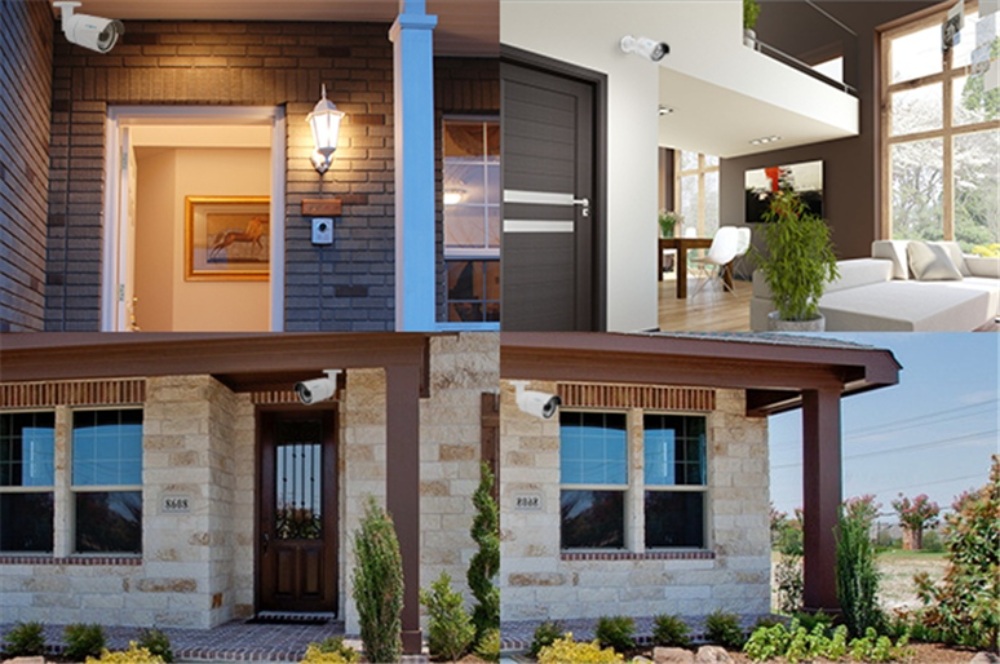
Outdoor watching forms the initial barrier against unwanted entry. Each outside area demands unique positioning based on its role and openness.
Monitoring Main Entry Points
Front and back doors act as key ways in for people and thieves alike. Mount cameras over these doors at a slant that grabs sharp face images without sun glare or porch light issues. For lasting use, pick tough, weather-resistant covers built for outside strength. Outdoor dome cameras, outdoor box cameras, and outdoor bullet cameras stand as usual choices for outdoor surveillance. They usually come waterproof and dust-resistant.
Covering Driveways and Garages
Driveways often work as paths for cars or package deliverers, so they make vital watch areas. Place wide-angle lenses to get complete driveway views without picture warping. Motion detection areas can reduce false alarms from vehicles or walkers beyond your land borders.
Securing Side Entrances and Windows
Side doors and basement windows draw common break-in tries because they hide from street views. Set up cameras high to block meddling but not too high for good ID capture. Pairing them with motion-activated lights boosts night results by lighting up events right when movement happens.
Interior Camera Placement for Enhanced Monitoring
An inside setup calls for mixing clear sight with respect for privacy. Cameras ought to improve watch power without entering private spots like bedrooms or bathrooms.
Protecting High-Traffic Areas Inside the Home
Hallways linking living rooms, kitchens, or stairs make great spots since they track actions between main areas. Subtle models that fit into room styles keep looks nice while giving real use. Buy several cameras if required to watch the whole area. Skip placing them in private spots unless needed for safety, such as guarding valuables in safes or storage areas.
Monitoring Entryways and Common Rooms
Putting devices near main entry halls aids in logging who comes or goes from your home. Living rooms can act as main centers where various entries meet, allowing smart watching from a single spot. For families wanting better ID tools, AI-powered setups with facial recognition can tell family from strangers on their own—and that’s a handy upgrade in current smart options.
Monitoring and Placement Strategy Leveraging Intelligent Technologies
AI-based analysis spots odd patterns, like people hanging around entrances or unallowed moves in off-limits zones, all on its own. Flexible tracking lets devices follow motion across areas smoothly without hand tweaks. Linking with home auto systems sends instant alerts via phone apps when odd actions happen—even if you’re not home—so protection stays alert all day. Think about using a matching app or program to check and control your camera from afar.
Smart connectivity improves camera placement by letting users check live views, adjust alerts, and confirm coverage through mobile apps or smart home hubs. With remote access, homeowners can monitor entrances, garages, side yards, and backyards in real time, while placing cameras in stable signal areas helps capture useful movement instead of empty space.
Practical Considerations Before Installation in 2026 Homes
Before starting any setup, it’s key to review rule standards and care needs that keep your watching network strong over time.
Compliance with Privacy and Legal Standards
Always verify local rules on home video capture—particularly if your camera points at public paths or neighbor lines—to dodge fights over privacy breaks. Tell all family members about camera spots openly to build trust in shared areas. Ensure you grasp your camera’s privacy options and take the right steps to guard your own privacy. Use encryption on Wi-Fi links so video stays safe from outsiders.
Maintenance and System Optimization Tips
Regular care keeps picture sharpness as time passes: wipe lenses often, look for software updates each month, adjust angles if room setups shift, and plan yearly pro checks if you can. Check and maintain your camera regularly to ensure it is working properly. These easy steps lengthen system life a lot while holding steady work levels from high-end device.
Future Trends in Home Security Camera Placement Beyond 2026
The next phase of home watching goes beyond just better devices to linked setups that blend single home guards into group community safety plans.
Integration with Smart Neighborhood Networks
Joint neighborhood links let residents’ systems share basic threat info safely—and that raises group knowledge of odd actions close by while speeding up emergency team-ups through auto warnings between linked homes.
Evolution of Invisible Surveillance Technologies
Tiny sensors built into lights, doorbells, or smart locks give hidden but strong watch power without changing looks. Forward-looking analysis with AI will soon guess risks ahead by studying action patterns instead of just responding after—and that shifts safety plans to prevention in homes worldwide.
FAQ
Q1: How many security cameras should I install at home?
A1: The number depends on property size and layout. Purchase multiple cameras as needed to cover the entire surveillance area. Larger homes typically require separate units for each entrance plus interior hallways.
Q2: Do smart AI-based systems improve safety?
A2: Absolutely—AI-enabled models analyze patterns automatically and send real-time alerts through companion apps like those used by Jortan products.
Q3: How often should I maintain my system?
A3: Perform cleaning monthly and schedule annual professional inspections. Check and maintain your camera regularly to ensure it is working properly and has optimal image clarity year-round.