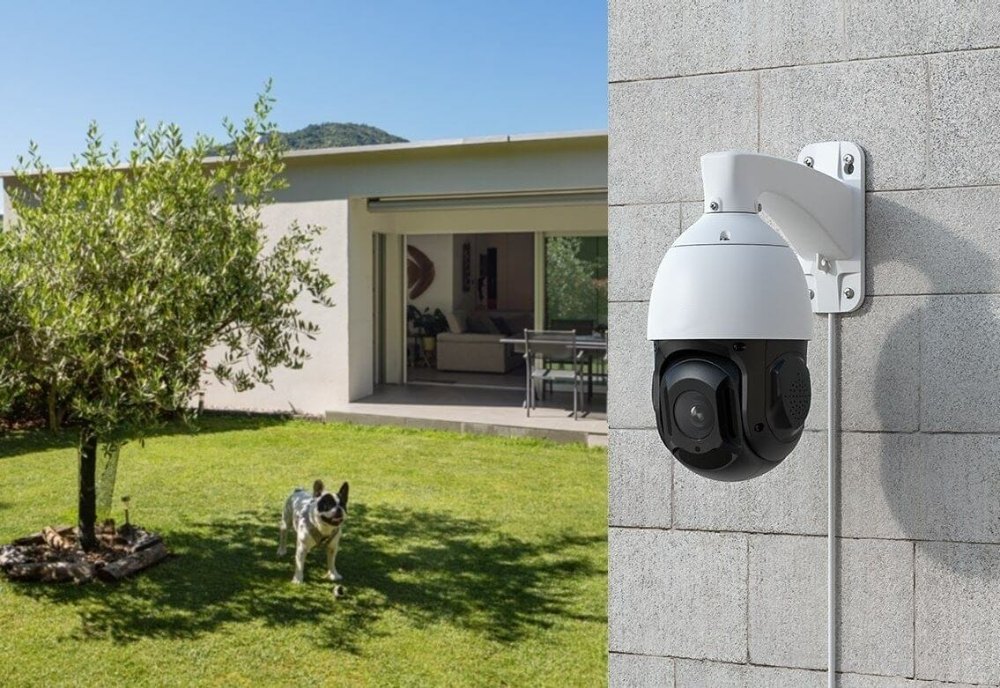
As home safety needs become more connected and real-time, outdoor smart cameras are moving from optional gadgets to practical security essentials. In 2026, homeowners are paying more attention to remote monitoring, motion alerts, night visibility, and smarter threat detection. This shift explains why outdoor camera systems now play a larger role in everyday home protection.
The Growing Role of Smart Cameras in Outdoor Home Security
Home protection has changed a lot because of smart cameras. These tools now serve as key parts in today’s outdoor security setups. They mix smart analysis with live connections to give full safety options.
Understanding the Evolution of Outdoor Surveillance Technology
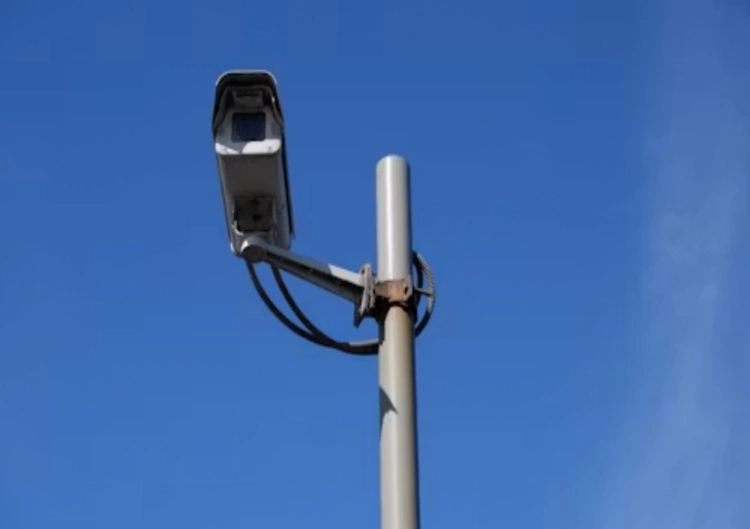
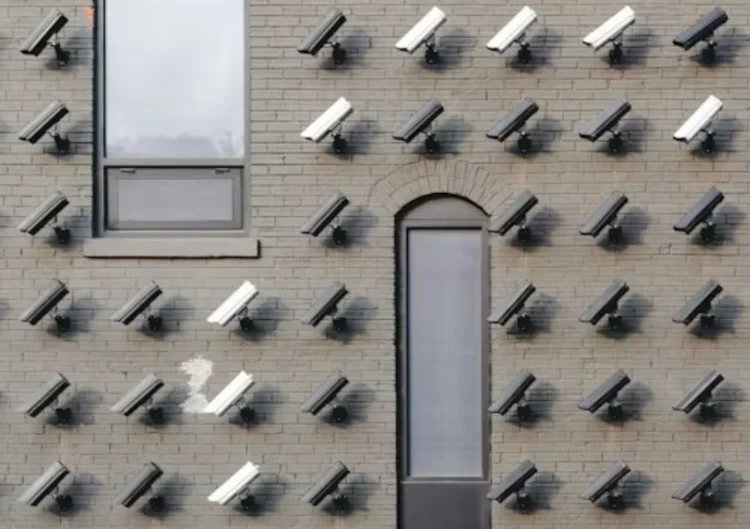
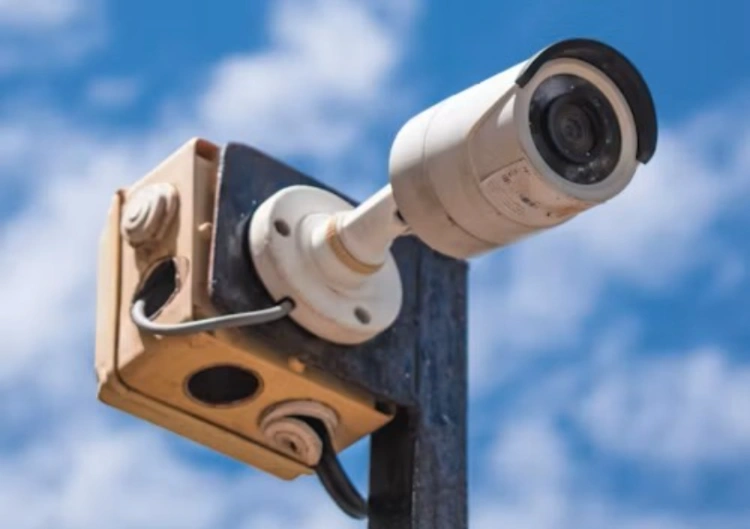
Traditional CCTV systems have moved toward today’s smart and connected devices. This change matches the wider digital shift in consumer tech. Advances in chips, software, and networks have helped security cameras reach regular homes. More WiFi cameras now appear in households. AI and IoT have pushed this change. Cameras do more than record. They study behavior and spot issues on their own.
Cloud tools and mobile links add more uses. Users check live views or past clips from any spot with a phone. Strong 4G modules and global networks keep the link steady and quick. From any place with a signal, people see the scene right away and stay informed. Live checks plus smart automation turn passive watching into active risk control.
Why Smart Cameras Are Gaining Popularity Among Homeowners
Smart cameras win favor for easy access and simple use. Many models link well with phone apps or voice helpers like Alexa and Google Assistant. Owners control security without hands. AI tools raise detection quality. They tell humans, animals, and vehicles apart and cut false alerts that hurt older systems.
People also want remote checks that fit busy lives. IoT and AI grow fast and push the smart home field forward. As a main part, smart cameras gain more uses. Live alerts tell users at once when odd activity shows up near the property. This brings calm even when owners are gone.
Key Features Defining Smart Outdoor Cameras in 2026
The new outdoor security cameras focus on smart features, flexible use, and a smooth fit with larger smart setups.
Advanced Motion Detection and Recognition Capabilities
AI motion detection has moved past simple triggers. Current systems study the scene to separate real risks from harmless moves like pets passing or trees swaying. Machine learning helps these systems adjust to weather and user habits over time. Accuracy rises while false alerts drop.
Integration with Broader Smart Home Ecosystems
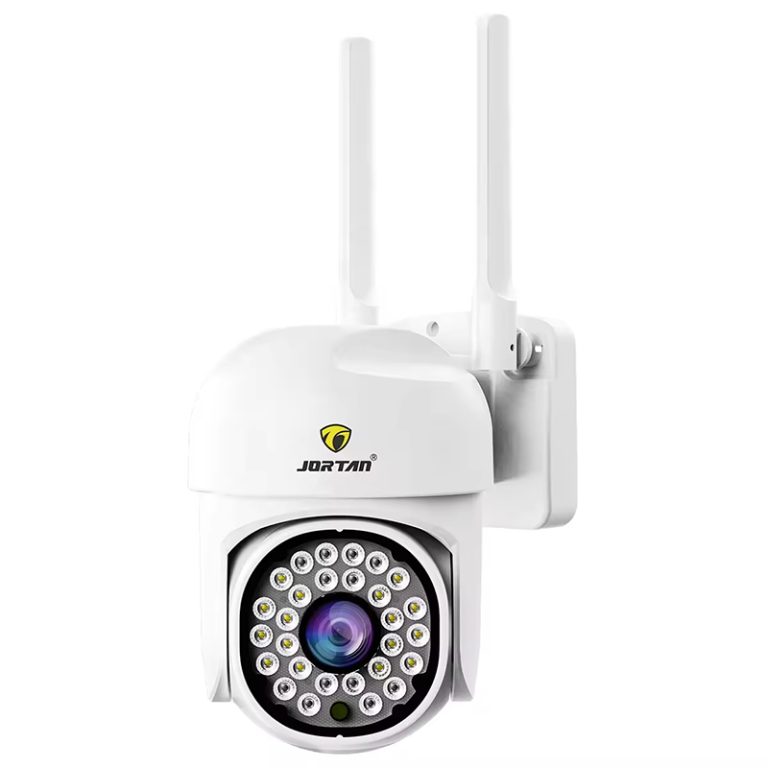
Smart outdoor cameras now work as part of whole home networks instead of alone. They link with Google Home or Apple HomeKit for one-place control of lights and alarms. This link creates auto actions. Lights may turn on when motion appears and scare off intruders early. Wireless links and 8x hybrid zoom are supported. Full-color mode, infrared mode, and smart alarm mode work too. 2D/3D noise reduction and digital wide dynamic range add value. These traits show how links boost both function and ease across connected devices.
Data Storage and Privacy Considerations
More smart camera use brings more focus on data safety. Hybrid storage that pairs local SD cards with safe cloud options gives backup and keeps user control over how long clips stay. Rules like GDPR keep personal privacy safe even as cloud analysis grows common in 2026 security setups.
Comparing Smart Cameras with Traditional Outdoor Security Systems
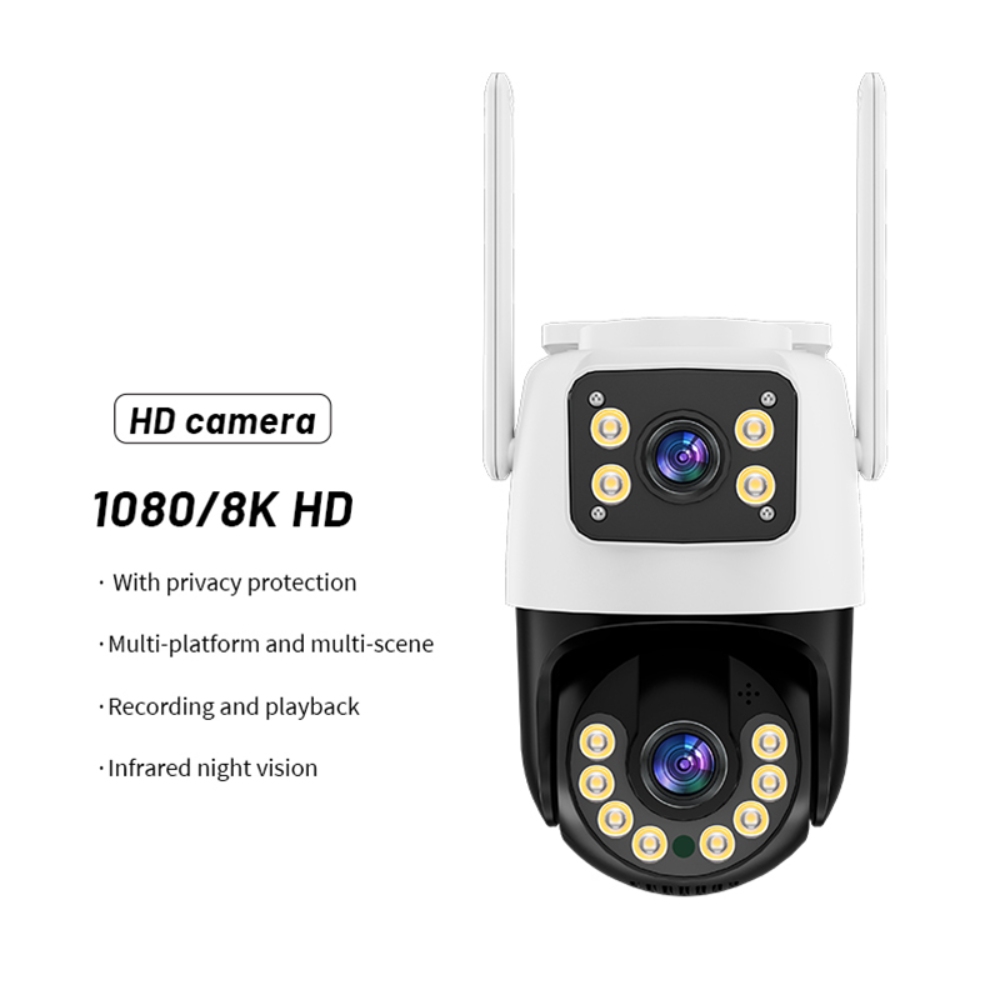
Smart outdoor cameras and older CCTV setups differ in more than picture quality. They change what security means for owners now.
Smart systems study events live instead of only saving clips for later review. AI handles scene checks right in the device and cuts the need for distant servers. This lowers delay in key moments. Solar power designs also save energy and hold up in tough weather, which matters for outdoor units that face sun, rain, and wind year-round.
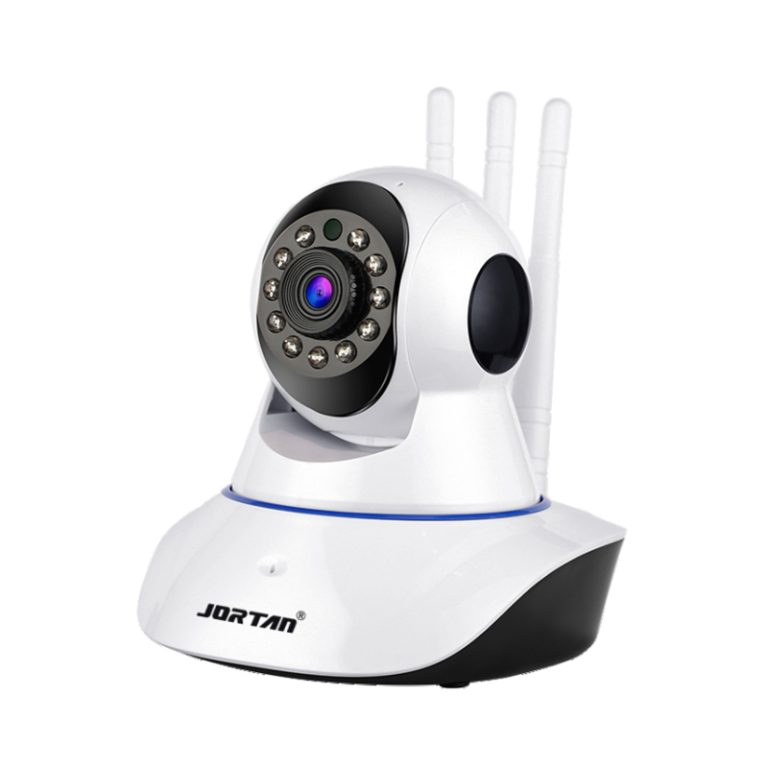
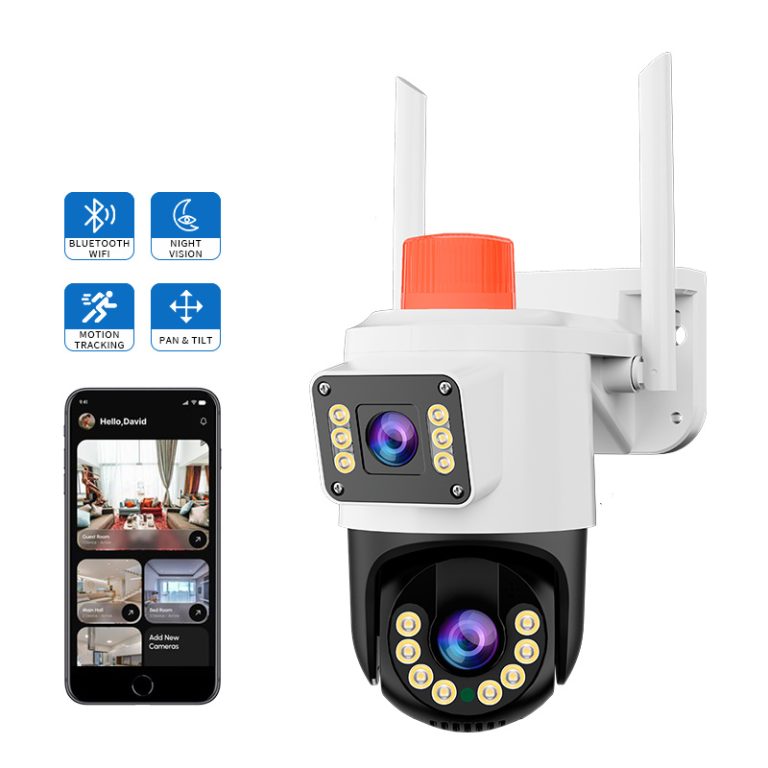
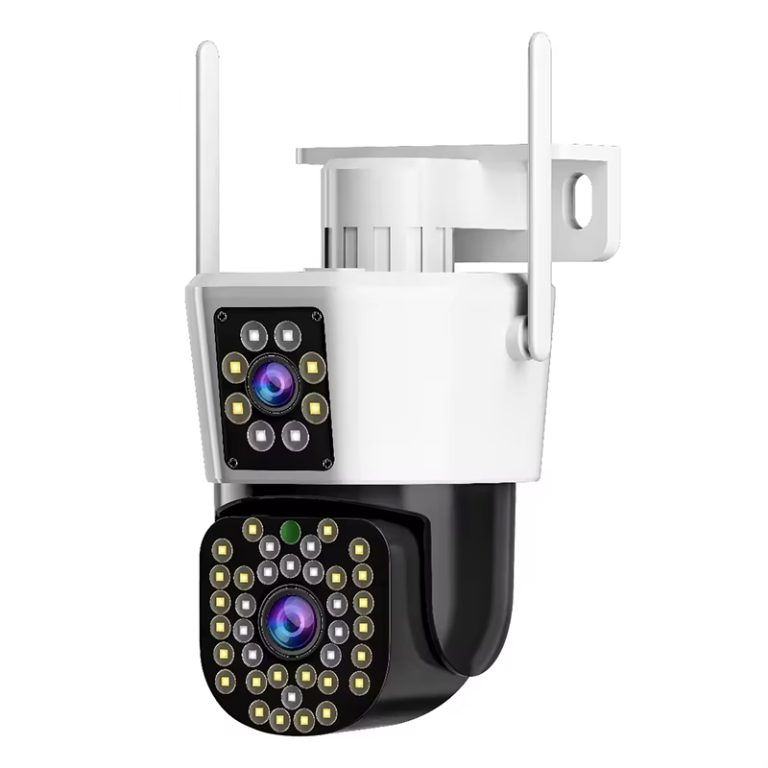
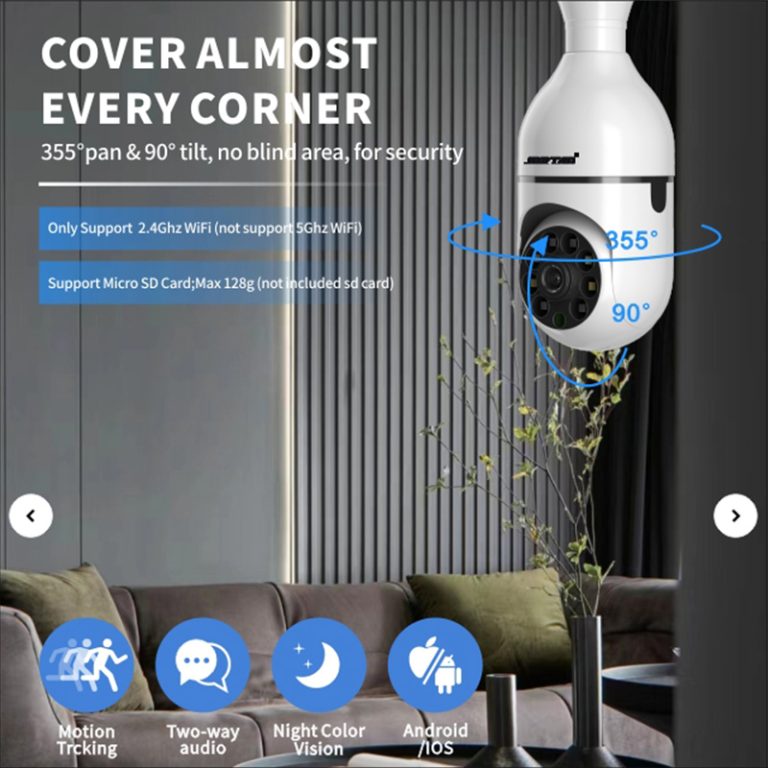
Smart cameras’ costs may look higher than traditional options. Yet long-term gains come from lower upkeep and flexible plans for cloud storage or AI services. Extras like two-way talk add worth by letting users speak during issues or deliveries. The Jortan outdoor smart cameras show these advantages well.
Factors to Consider When Choosing a Smart Outdoor Camera in 2026
Picking the right model means checking both specs and connection standards that fit modern homes.
Buyers should put resolution first, as clear footage helps identify faces, vehicles, and movement more easily. Night vision, AI detection, two-way audio, weather resistance, stable Wi-Fi, and storage options are also important. For larger outdoor areas, PTZ rotation and wide viewing angles can help reduce blind spots.
Connection quality also matters for outdoor smart cameras. Dual-band Wi-Fi helps maintain a more stable signal across larger homes or open outdoor areas, while future 5G support can make high-resolution streaming faster and smoother. For outdoor use, lightning protection that meets GB/T17626.5 and IEC61000-4-5 standards also adds an extra layer of reliability in harsh weather conditions.
Future Outlook: How Smart Cameras Will Redefine Outdoor Security Strategies
Looking past 2026, predictive analytics will shift surveillance from reaction to early defense. These tools can spot possible risks before they grow. Big data shared across linked devices in smart setups helps owners gain adaptive networks that keep learning through AI.
New ideas keep shaping camera design toward green use, better efficiency, and more independence in every price range. Green goals drive hardware changes through solar power. Solar cell surveillance cameras bring three gains: self-powered energy, network safety, and smart defense. These models lower reliance on wires and match global moves toward cleaner tech in homes.
FAQ
Q1: What makes smart outdoor home security cameras different from traditional CCTV systems?
A1: Unlike old CCTV setups that only record events, smart outdoor home security cameras use AI analysis for live threat spotting. They also give remote phone access from any connected spot.
Q2: Are solar-powered smart cameras reliable during cloudy weather?
A2: Yes. Leading brands reach 15 days of standby and keep false alarms below 1 percent. This supports steady work even with little sun thanks to better battery designs.
Q3: Which brand offers globally connected smart outdoor camera solutions?
A3: Jortan provides globally compatible products, like its Global 4G Camera Modules. These offer steady links through worldwide networks plus strong night vision. They suit full outdoor monitoring across many settings.