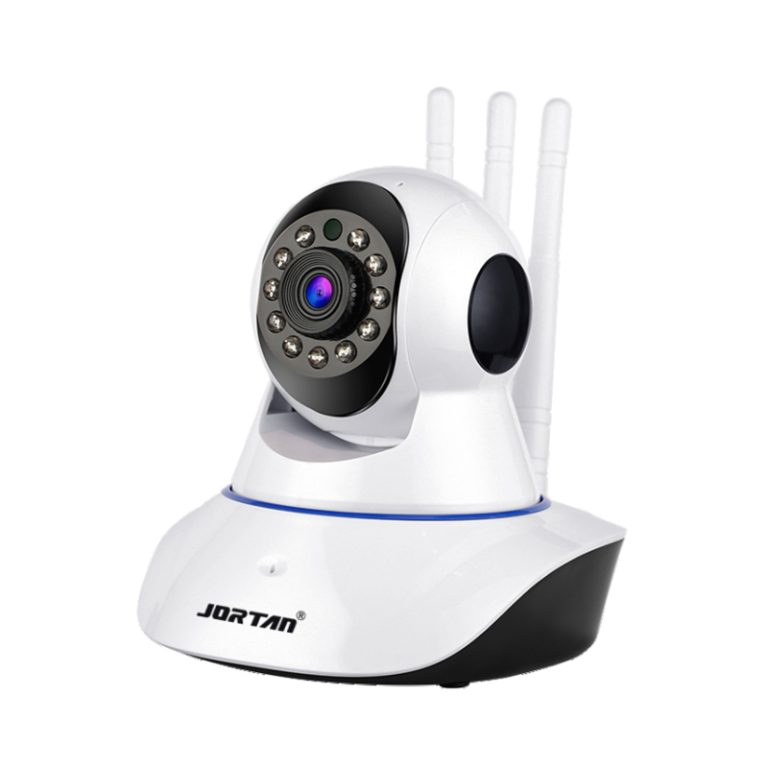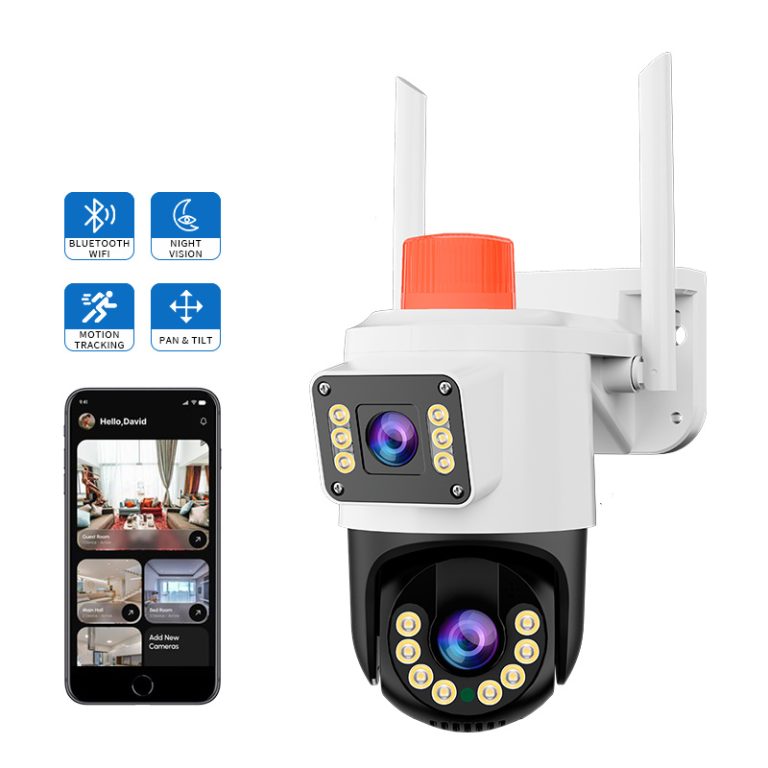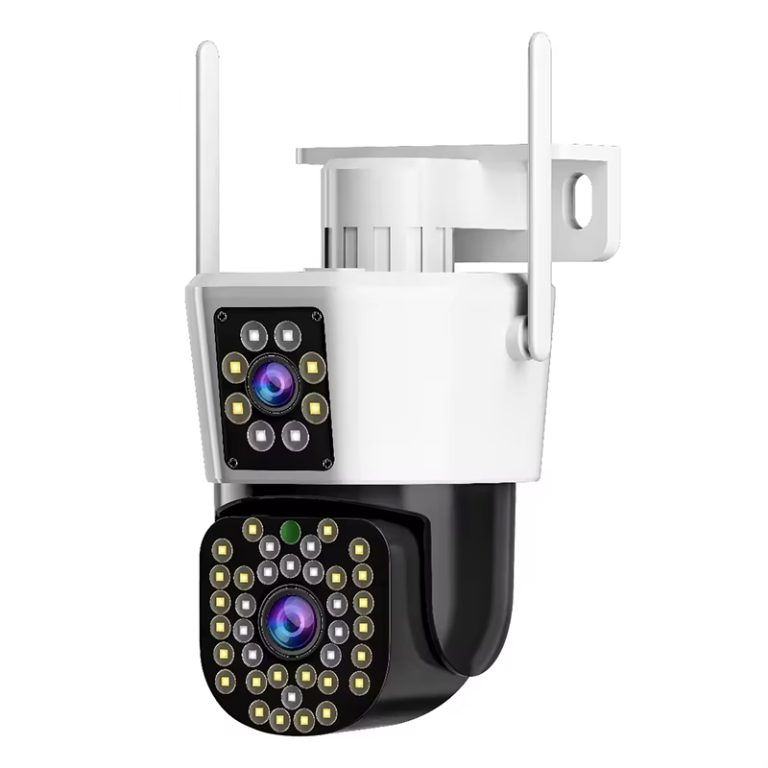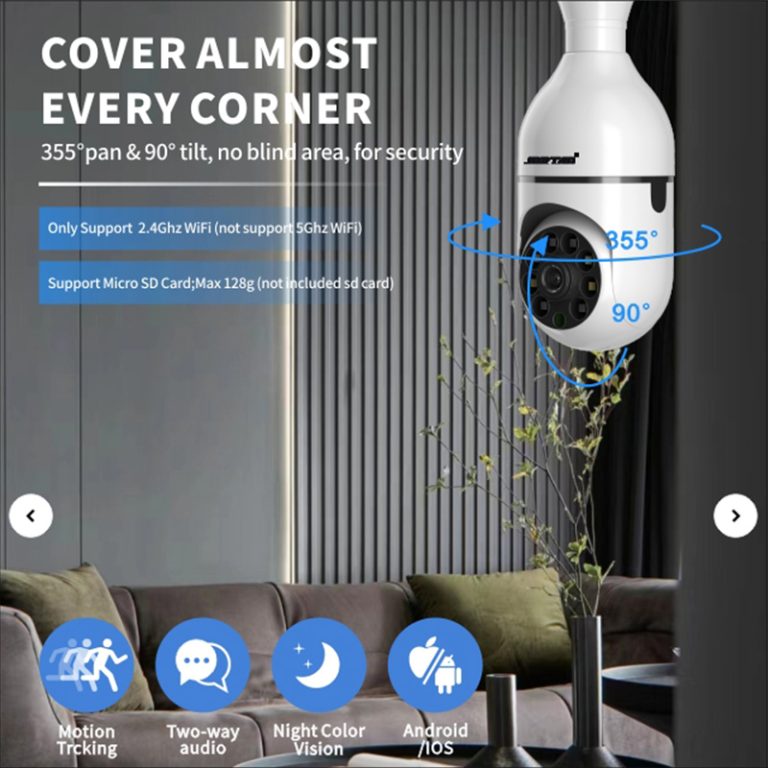
A wholesale camera quote is rarely a single technology premium. It is the result of a chain: image capture, processing, lens choice, illumination, transmission, storage, housing, packaging, inspection and the commercial work needed to repeat the configuration. Two cameras can share a similar shell and still carry different factory costs because the parts inside and the acceptance requirements are different.
For distributors, the useful question is not whether a supplier is expensive or cheap. It is which cost drivers are fixed, which scale with volume, which belong to customization, and which may reappear as installation or after-sales work. That breakdown makes a security camera price easier to compare.
The Image Chain Sets the Technical Starting Point
Sensor and SoC Choices Affect More Than Resolution
An IP camera uses a CCD or CMOS sensor for image acquisition and a supporting SoC for image processing and encoding. The sensor influences light response and image detail; the SoC affects encoding, detection functions, stream handling and the software path. Resolution is therefore only one line in a wholesale camera RFQ. Ask for the sensor family, processing platform, output resolution, compression format and the tested scene.
A distributor should connect the technical request to the sales claim. A camera sold for a dark loading area needs a different evidence standard from a camera used for a bright indoor aisle. If the supplier quotes high definition without the sensor, lens, illumination and stream details, the comparison is incomplete.
Lens, WDR, and Night Illumination Change the Bill
The lens defines the field of view and the working distance. The knowledge base gives a practical distinction: a shorter focal length produces a wider view, while a longer focal length narrows the view and reaches farther. Night performance also depends on the light path. Infrared cameras normally produce black-and-white video in darkness, while full-colour output needs ambient or supplemental light. WDR, IR-CUT, white light and starlight-oriented designs add different optical and processing requirements.
This is why the same megapixels do not mean the same factory price or the same project result. A distributor should request lens focal length, illumination type, night distance claim, WDR status and sample clips under the intended light conditions. Any distance or low-light figure should be accepted only when the supplier states the test conditions.
Connectivity and Storage Add System Cost
Network Type Is a Hardware and Service Decision
Security cameras can transmit through coaxial cable, twisted pair, power line, optical fiber, WiFi or 4G. These are not interchangeable labels. A WiFi camera needs a suitable wireless environment; a 4G model brings a modem, antenna and SIM planning; a wired IP camera needs the right cable, switch, PoE path or recorder interface. The factory price reflects hardware, but the buyer’s total project cost also includes installation and site validation.
When comparing camera supplier quotes, split the request into camera hardware, power arrangement, network accessories, recorder compatibility and support. This prevents a low camera-only price from hiding a more expensive deployment. For mixed deployments, specify which functions must remain common across models, such as app, storage, firmware handling and export.
Compression and Storage Requirements Follow the Use Case
IP cameras capture, compress and send video to an NVR or related system. H.264 and H.265 affect stream size, recorder compatibility and storage planning. Local TF or Micro SD, NVR, NAS and cloud storage are separate routes with different hardware and service implications. A camera with a card slot is not automatically equivalent to an NVR camera in a multi-site project.
The RFQ should state continuous or event recording, retention target, playback expectations, export format, remote access and the recorder or app that must be supported. Storage cost is easy to omit from a wholesale quote because it may sit outside the camera carton. It still belongs in the comparison.
Housing, Tooling, and Compliance Shape the Quote
Outdoor Protection Is a Design and Assembly Item
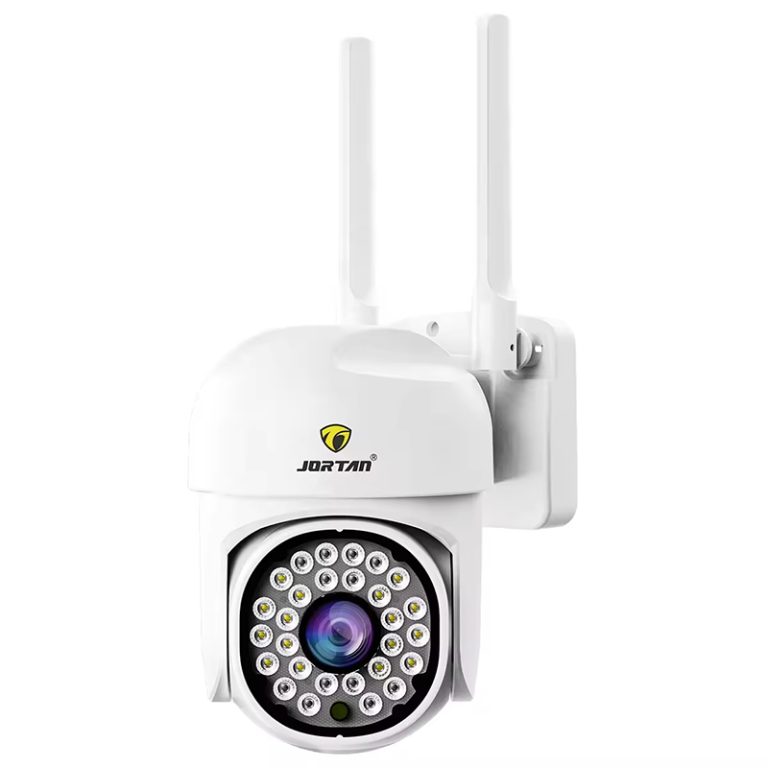
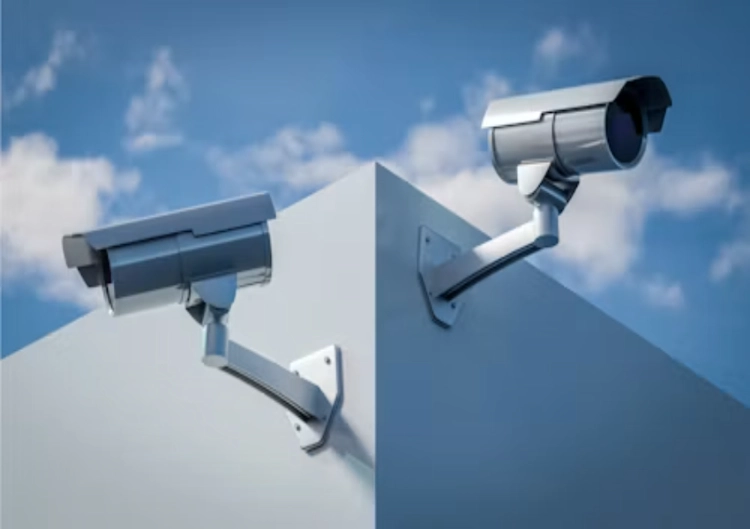
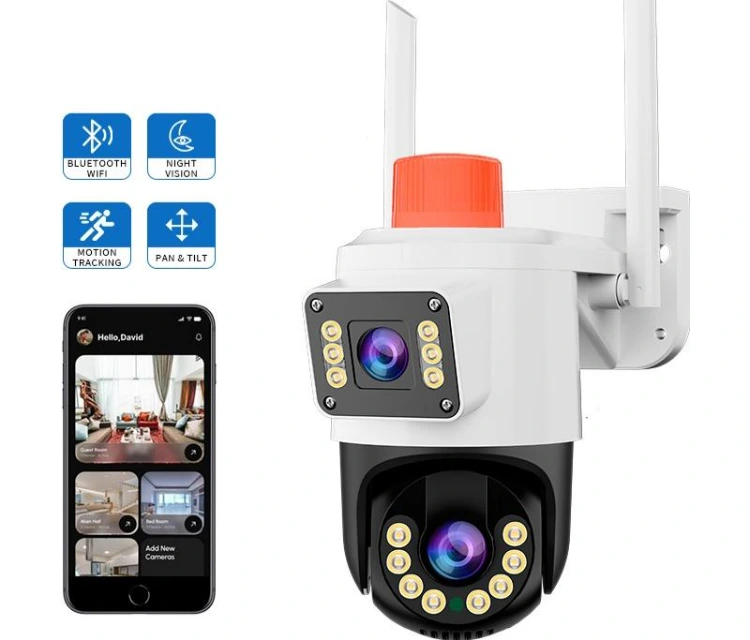
The industry knowledge base describes barrel cameras as combinations of lens, infrared or white fill light, body and rear cable, with relevant products using IP66 or IP67 protection. Protection depends on the housing, seals, cable exit and assembly, not just a printed rating. A distributor selling outdoor surveillance equipment should ask how the delivered cable, connector and bracket are configured.
Material choice, bracket strength, antenna position, light opening and waterproof accessories can all move the quotation. A plastic body may be suitable for one application and unsuitable for another. The supplier should state the material and protection claim for the exact model, rather than letting a generic catalogue line stand in for a tested configuration.
Mold, Certification, and Packaging Are Separate Buckets
Jortan’s OEM/ODM materials identify logo, packaging, appearance, color, mold opening and app customization, alongside injection molding, chip processing, assembly, raw-material checks, sampling and finished-product inspection. These services explain why a private-label quote cannot be compared directly with a standard catalogue unit. Tooling, artwork, sample rounds and inspection may be one-time or order-linked costs, so the quotation should show them separately.
Certification and market documentation also need a precise question. Ask which model, power adapter, wireless version and factory revision are covered by each certificate or test report. Do not assume a document for one camera transfers to a different lens, board or power configuration. The same rule applies to packaging translations, labels, manuals and regulatory marks.
Volume, Quality, and Support Decide the Final Number
Order Size Changes More Than the Unit Line
Jortan commonly distinguish sample or trial orders from bulk or OEM orders, with the listed timing depending on quantity. That difference points to a broader commercial question: what production, inspection, packaging and shipment work is activated at the planned volume? A price comparison should record the order quantity, mixed-SKU rule, sample status, packaging quantity and shipment assumptions.
Ask for price breaks only after the approved configuration is frozen. Otherwise a lower quote may simply reflect fewer inspections, a different accessory pack, a standard carton or an unconfirmed component substitution. Request an explanation of what changes at each volume tier.
Use a Model Comparison Before Negotiating
| Model | Published specification | Pricing question to verify
|
| JT-9696PRO | Dual lens; 4MP; H.265; ICSEE app; up to 128GB SD; E27 holder; warm-light full-colour night vision; 355 horizontal and 90 vertical movement | Confirm delivered lens, app version, carton contents, light behaviour, warranty and market configuration
|
| JTZ-160B | CMOS; H.265; cloud and TF storage up to 128GB; Yoosee app; PTZ; night vision; two-way audio; weatherproof/vandal-proof description | Confirm power path, exact lens, storage workflow, app support, enclosure version and site-dependent network requirements |
The comparison shows why model names alone do not set a factory price. A dual-lens indoor design with an E27 holder has a different bill of materials from a PTZ camera with outdoor protection and multiple storage paths. Buyers can open the JT-9689UQJ dual-lens camera page for the first configuration and compare it with the Jortan6 three-lens camera direction before sending a technical RFQ.
Jortan also describes a factory model with about 20,000 square metres and more than 450 workers on relevant product pages. For a camera distributor, that supports a direct discussion about assembly capacity, sampling, raw-material checks and finished-product inspection. It does not guarantee a unit price, a fixed lead time or a defect rate for an unapproved configuration.
A supplier conversation should end with a line-by-line quotation: camera core, lens and light, storage, network, housing, accessories, tooling, packaging, certification documents, inspection, warranty and after-sales support. Jortan can help a buyer compare product directions, while requesting a wholesale configuration quote can carry the actual SKU mix, destination market and volume assumptions.
Conclusion
Wholesale camera pricing is built from the complete product and support chain. Sensors, SoCs, lenses, night illumination, storage, network type, outdoor protection, tooling, packaging, inspection and order volume each change the quote in a different way. Compare like-for-like configurations, separate one-time customization from recurring unit cost, and ask the supplier to state every unconfirmed item. That process produces a usable factory price, not just a low number.
FAQ
Q1: What is the biggest driver of wholesale camera pricing?
A1: There is no single driver. The core image chain, lens and light, network, storage, housing, customization, volume, inspection and support terms can all change the factory quote.
Q2: Does higher resolution always mean a higher security camera price?
A2: Not by itself. Sensors, SoCs, lenses, illumination, encoding, storage and housing also affect the bill of materials and the value of the recorded evidence.
Q3: What should a distributor request with a wholesale quote?
A3: Request the exact model revision, configuration, accessories, packaging, tooling, documents, inspection method, warranty, lead time, mixed-SKU rules and all site-dependent assumptions.