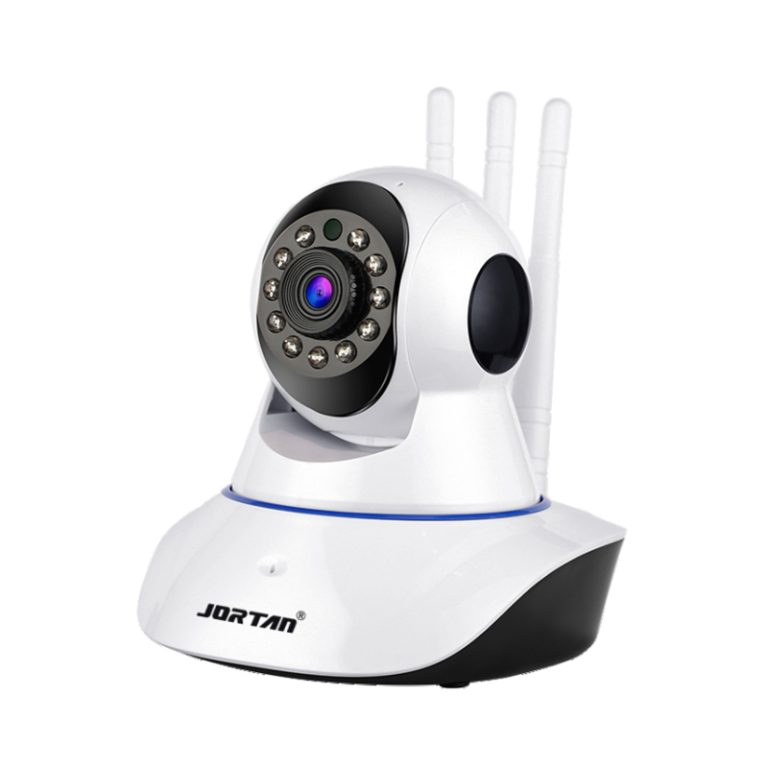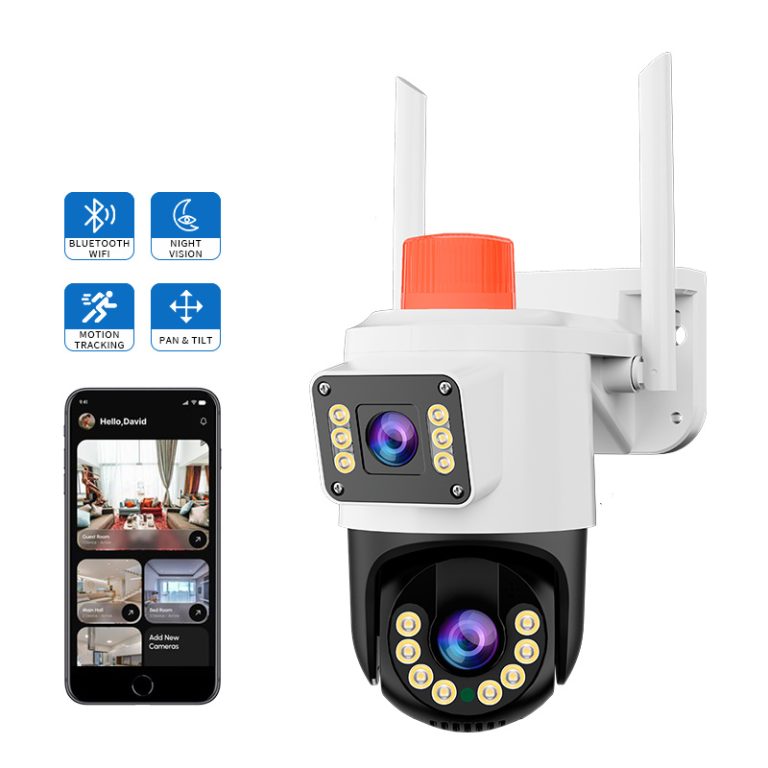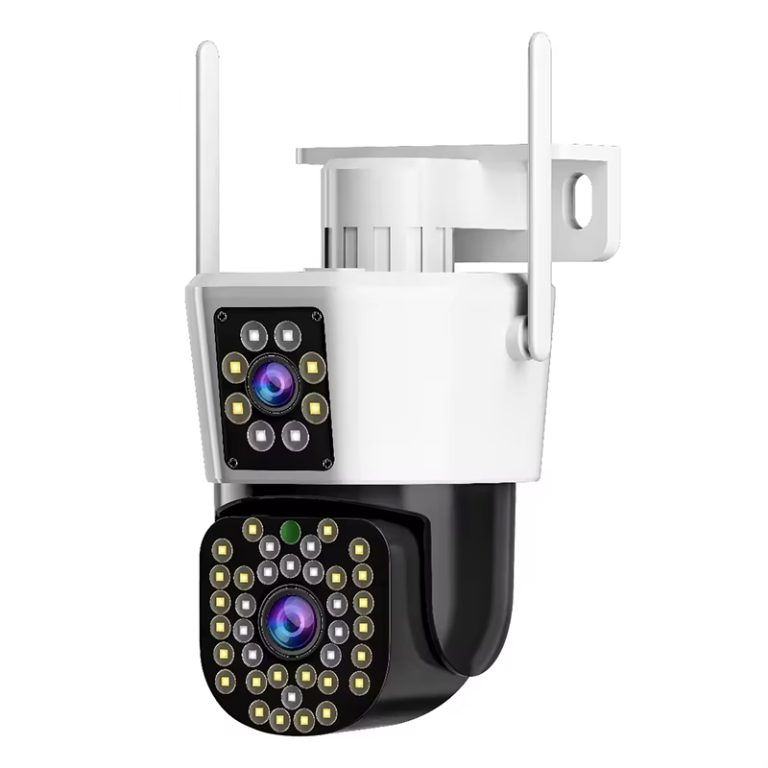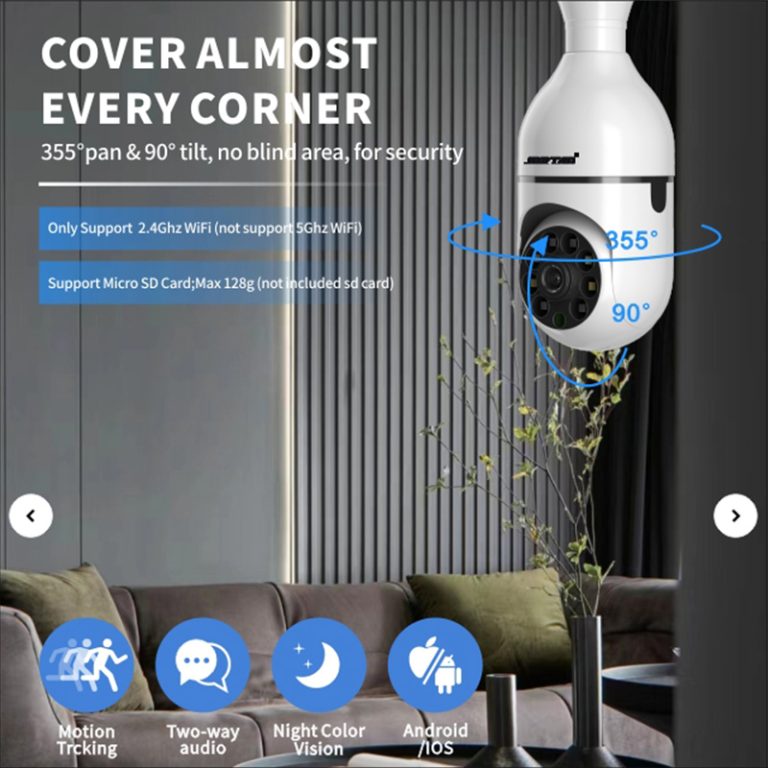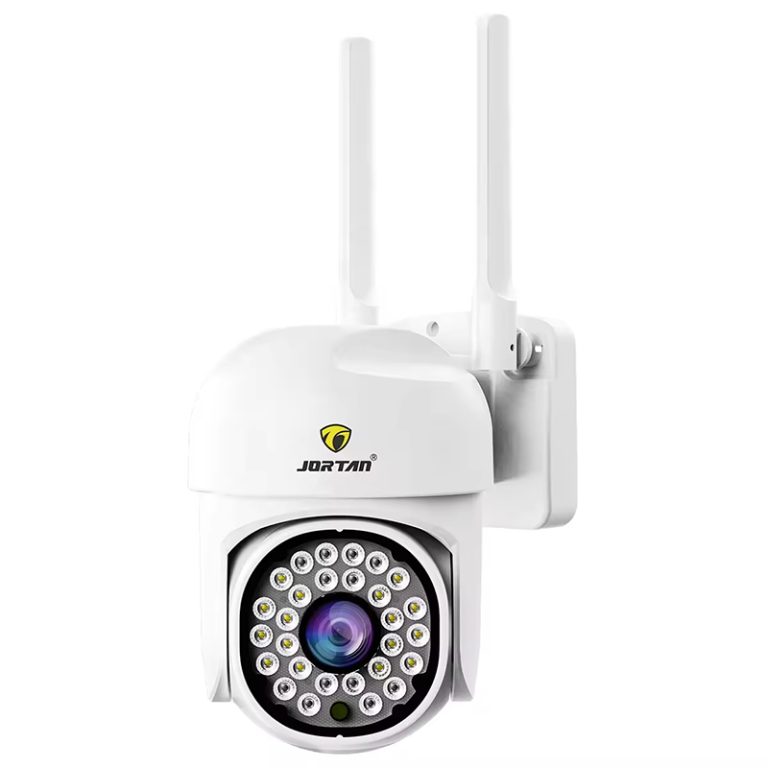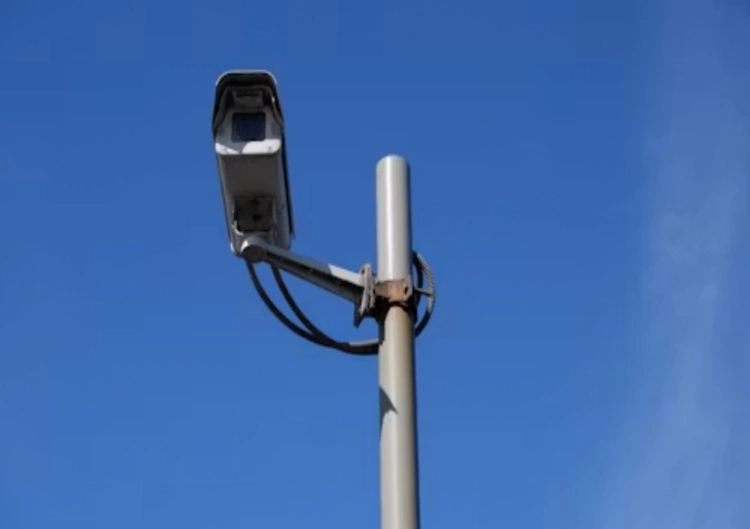
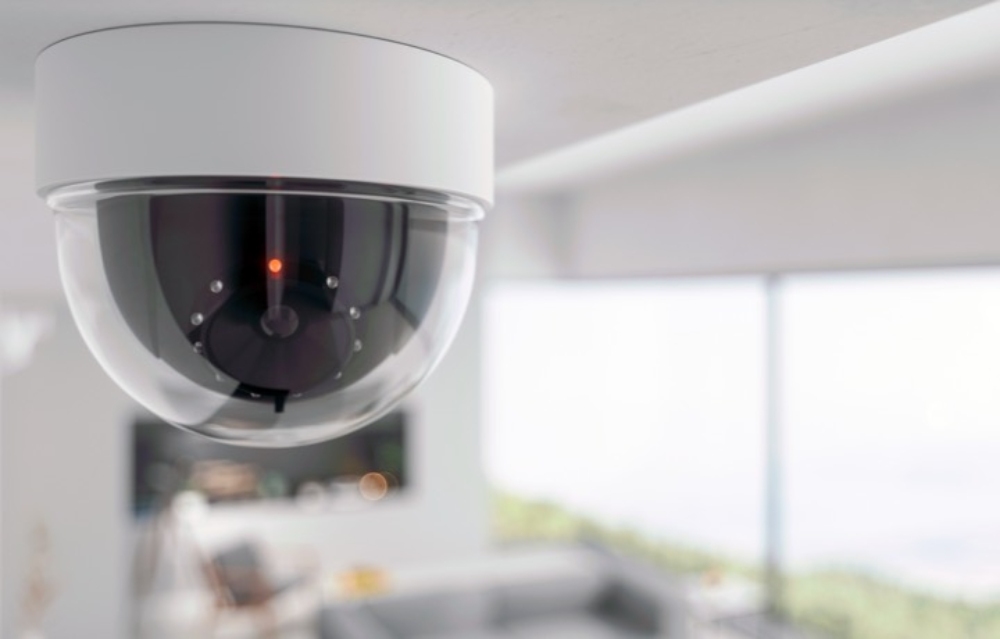
A cámara de seguridad Funciona mejor cuando se coloca en los puntos donde realmente surgen los peligros. Los propietarios deben considerar los puntos de acceso, los puntos ciegos, la iluminación y las actividades cotidianas alrededor de la propiedad antes de seleccionar un modelo o agregar unidades adicionales. Una ubicación estratégica permite que cada cámara grabe imágenes útiles en lugar de solo zonas vacías o borrosas.
Comprender la importancia de la ubicación estratégica de las cámaras de seguridad
Las cámaras de seguridad son una de las herramientas más eficaces para mejorar la seguridad del hogar, pero su eficacia depende en gran medida de su ubicación. Una colocación estratégica garantiza que las zonas clave de su propiedad permanezcan vigiladas y disuade a posibles amenazas antes de que surja algún problema.
Por qué la ubicación es importante para la seguridad en el hogar
La correcta colocación de las cámaras mejora la cobertura y reduce los puntos ciegos, garantizando así una vigilancia eficaz de cada punto de acceso y vulnerabilidad. Si se instalan correctamente, estos dispositivos también sirven como una clara advertencia para los posibles ladrones, quienes se dan cuenta de que están siendo vigilados. Por otro lado, una mala ubicación de las cámaras podría generar vídeos incompletos o pruebas poco fiables durante un allanamiento.
Factores clave que influyen en las decisiones de instalación
Hay algunos elementos clave que determinan dónde colocar una cámara de seguridad para lograr la máxima seguridad en el hogar.
Comience por definir sus necesidades reales de monitoreo: qué zonas deben cubrirse, como espacios interiores, puntos de entrada exteriores, entradas para vehículos o habitaciones específicas. Luego, considere el área de cobertura que debe cubrir cada cámara, ya que los espacios más grandes pueden necesitar ángulos más amplios o varios dispositivos. Los niveles de luz también importan; los lugares oscuros podrían requerir modelos con infrarrojos o visión nocturna características.
El tipo de cámara, si es con cable, inalámbricoEl tipo de conexión, ya sea por cable o basada en IA, también afectará la dificultad de instalación, la flexibilidad y el uso a largo plazo. Las conexiones por cable ofrecen enlaces estables y fiables, pero requieren más esfuerzo para su configuración, mientras que las inalámbricas se instalan fácilmente, aunque pueden sufrir interrupciones de señal. Por último, antes de la instalación, consulte las normas de privacidad y las directrices locales para evitar problemas legales relacionados con la visibilidad de espacios públicos.
Ubicación de las cámaras exteriores para una máxima protección.
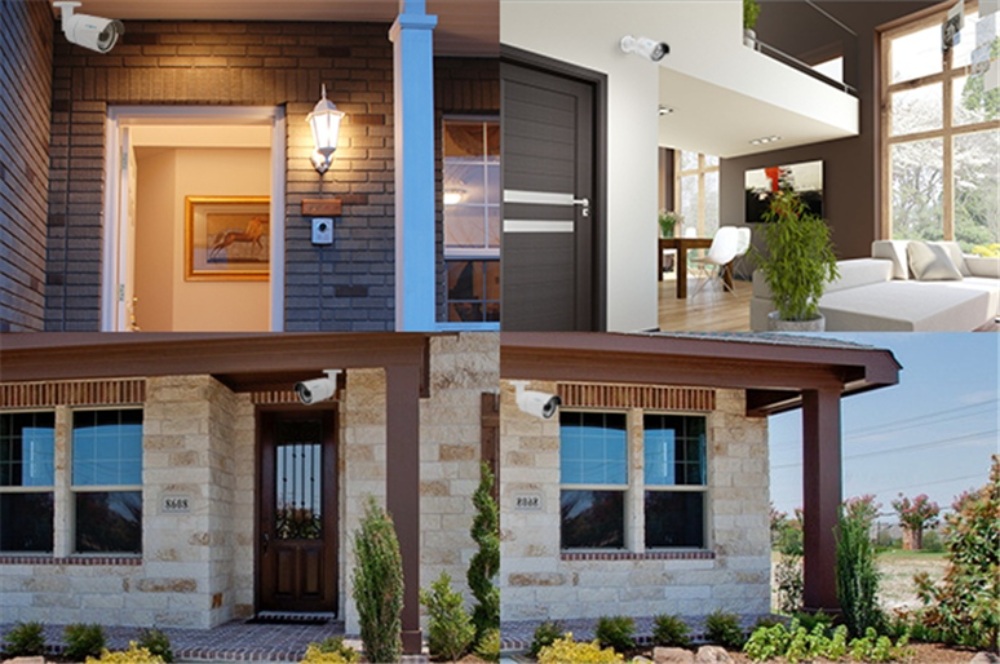
La vigilancia al aire libre constituye la primera barrera contra la entrada no deseada. Cada área exterior requiere una ubicación específica según su función y su grado de apertura.
Monitoreo de los principales puntos de entrada
Las puertas delanteras y traseras son puntos de acceso clave tanto para personas como para ladrones. Instale cámaras sobre estas puertas en ángulo para capturar imágenes nítidas de los rostros sin reflejos del sol ni problemas con la luz del porche. Para un uso duradero, elija cubiertas resistentes a la intemperie, diseñadas para soportar las inclemencias del tiempo. Las cámaras domo, las cámaras tipo caja y las cámaras tipo bala para exteriores son opciones comunes para la vigilancia exterior. Generalmente son impermeables y resistentes al polvo.
Cubriendo entradas de vehículos y garajes
Los accesos para vehículos suelen servir de camino para coches o repartidores, por lo que constituyen zonas de vigilancia esenciales. Instale lentes gran angular para obtener una vista completa del acceso sin distorsión de la imagen. Las zonas de detección de movimiento pueden reducir las falsas alarmas provocadas por vehículos o peatones fuera de los límites de su propiedad.
Cómo asegurar las entradas laterales y las ventanas.
Las puertas laterales y las ventanas del sótano suelen ser blanco de intentos de robo porque ocultan la vista desde la calle. Instale las cámaras en una posición elevada para evitar intrusiones, pero no demasiado alta para capturar bien la identidad de los intrusos. Combinarlas con luces con sensor de movimiento mejora los resultados nocturnos al iluminar los eventos justo cuando se detecta movimiento.
Ubicación de cámaras interiores para una mejor monitorización.
En interiores, se requiere combinar una visión clara con el respeto a la privacidad. Las cámaras deben mejorar la vigilancia sin entrar en espacios privados como dormitorios o baños.
Protección de las zonas de mucho tránsito dentro del hogar
Los pasillos que conectan salas de estar, cocinas o escaleras son lugares ideales, ya que permiten observar la actividad entre las áreas principales. Los modelos discretos que se integran con el estilo de la habitación mantienen una estética agradable a la vez que ofrecen una funcionalidad práctica. Adquiera varias cámaras si necesita vigilar toda el área. Evite colocarlas en lugares privados a menos que sea necesario por motivos de seguridad, como para proteger objetos de valor en cajas fuertes o trasteros.
Vigilancia de entradas y salas comunes
Colocar dispositivos cerca de los vestíbulos de entrada principales ayuda a registrar quién entra o sale de su casa. Las salas de estar pueden funcionar como centros principales donde confluyen varias entradas, lo que permite una vigilancia inteligente desde un solo lugar. Para las familias que desean mejores herramientas de identificación, Impulsado por IA Los sistemas con reconocimiento facial pueden distinguir automáticamente entre familiares y extraños, lo que supone una mejora muy útil respecto a las opciones inteligentes actuales.
Estrategia de monitoreo y ubicación mediante tecnologías inteligentes
El análisis basado en IA detecta automáticamente patrones extraños, como personas merodeando cerca de las entradas o movimientos no autorizados en zonas restringidas. El seguimiento flexible permite que los dispositivos registren el movimiento en diferentes áreas sin necesidad de ajustes manuales. La integración con sistemas de domótica envía alertas instantáneas a través de aplicaciones móviles cuando se producen acciones sospechosas, incluso si no estás en casa, para que la protección se mantenga activa todo el día. Considera usar una aplicación o programa compatible para revisar y controlar tu cámara a distancia.
La conectividad inteligente optimiza la ubicación de las cámaras, permitiendo a los usuarios consultar imágenes en directo, ajustar alertas y confirmar la cobertura mediante aplicaciones móviles o sistemas de control domótico. Gracias al acceso remoto, los propietarios pueden monitorizar entradas, garajes, patios laterales y traseros en tiempo real, mientras que colocar las cámaras en zonas con señal estable ayuda a capturar el movimiento en lugar de espacios vacíos.
Consideraciones prácticas antes de la instalación en viviendas de 2026
Antes de comenzar cualquier configuración, es fundamental revisar las normas y los requisitos de mantenimiento que garanticen la solidez de su red de vigilancia a lo largo del tiempo.
Cumplimiento de las normas legales y de privacidad
Siempre verifica las normas locales sobre la grabación de video en el hogar, especialmente si tu cámara apunta a vías públicas o límites de propiedad vecinal, para evitar conflictos por violaciones de privacidad. Informa abiertamente a todos los miembros de la familia sobre la ubicación de las cámaras para fomentar la confianza en las áreas comunes. Asegúrate de comprender las opciones de privacidad de tu cámara y toma las medidas necesarias para proteger tu privacidad. Usa cifrado en las conexiones Wi-Fi para que el video permanezca a salvo de intrusos.
Consejos para el mantenimiento y la optimización del sistema
El mantenimiento regular conserva la nitidez de las imágenes con el paso del tiempo: limpie los objetivos con frecuencia, busque actualizaciones de software cada mes, ajuste los ángulos si cambia la configuración de la habitación y, si es posible, realice revisiones profesionales anuales. Revise y mantenga su cámara periódicamente para asegurarse de que funcione correctamente. Estos sencillos pasos prolongan considerablemente la vida útil del sistema, manteniendo un rendimiento constante incluso en dispositivos de alta gama.
Tendencias futuras en la ubicación de cámaras de seguridad para el hogar más allá de 2026
La siguiente fase de la vigilancia del hogar va más allá de simplemente mejorar los dispositivos y se centra en sistemas interconectados que integran a los vigilantes domésticos individuales en planes de seguridad comunitarios grupales.
Integración con redes de vecindarios inteligentes
Los enlaces vecinales conjuntos permiten que los sistemas de los residentes compartan información básica sobre amenazas de forma segura, lo que aumenta el conocimiento colectivo sobre acciones extrañas en las cercanías y acelera la coordinación de emergencias mediante alertas automáticas entre hogares conectados.
Evolución de las tecnologías de vigilancia invisible
Los diminutos sensores integrados en luces, timbres o cerraduras inteligentes ofrecen una vigilancia discreta pero eficaz sin alterar la estética. El análisis predictivo mediante IA pronto anticipará los riesgos estudiando los patrones de comportamiento en lugar de simplemente reaccionar a posteriori, lo que transformará los planes de seguridad en hogares de todo el mundo, centrándose en la prevención.
Preguntas frecuentes
P1: ¿Cuántas cámaras de seguridad debo instalar en mi casa?
A1: La cantidad depende del tamaño y la distribución de la propiedad. Adquiera varias cámaras según sea necesario para cubrir toda el área de vigilancia. Las casas más grandes generalmente requieren unidades separadas para cada entrada, además de los pasillos interiores.
P2: ¿Los sistemas inteligentes basados en IA mejoran la seguridad?
A2: Absolutamente: los modelos habilitados para IA analizan patrones automáticamente y envían alertas en tiempo real a través de aplicaciones complementarias como las que se utilizan en Jordán productos.
P3: ¿Con qué frecuencia debo realizar el mantenimiento de mi sistema?
A3: Realice la limpieza mensualmente y programe inspecciones profesionales anuales. Revise y mantenga su cámara periódicamente para garantizar su correcto funcionamiento y una claridad de imagen óptima durante todo el año.