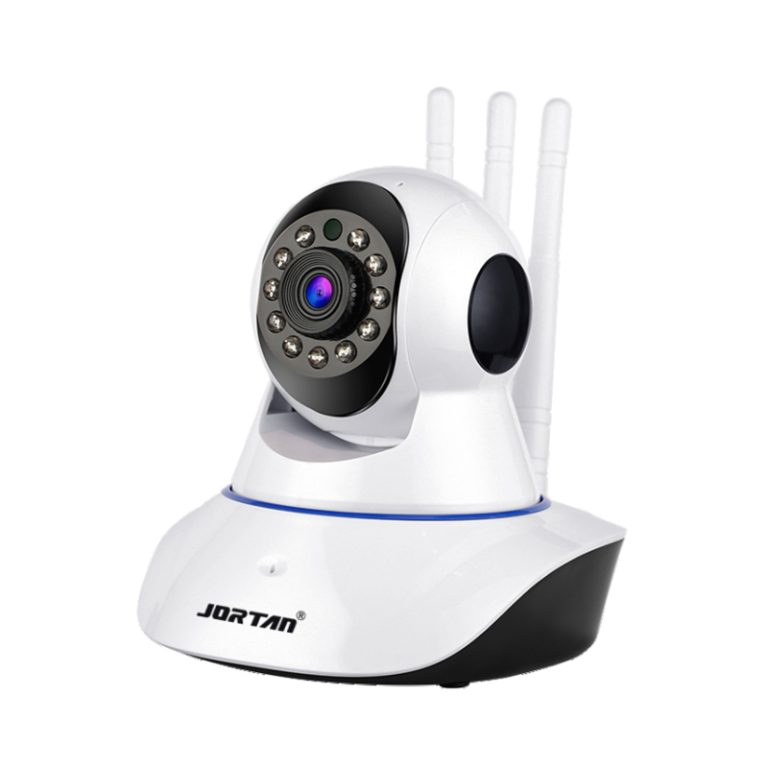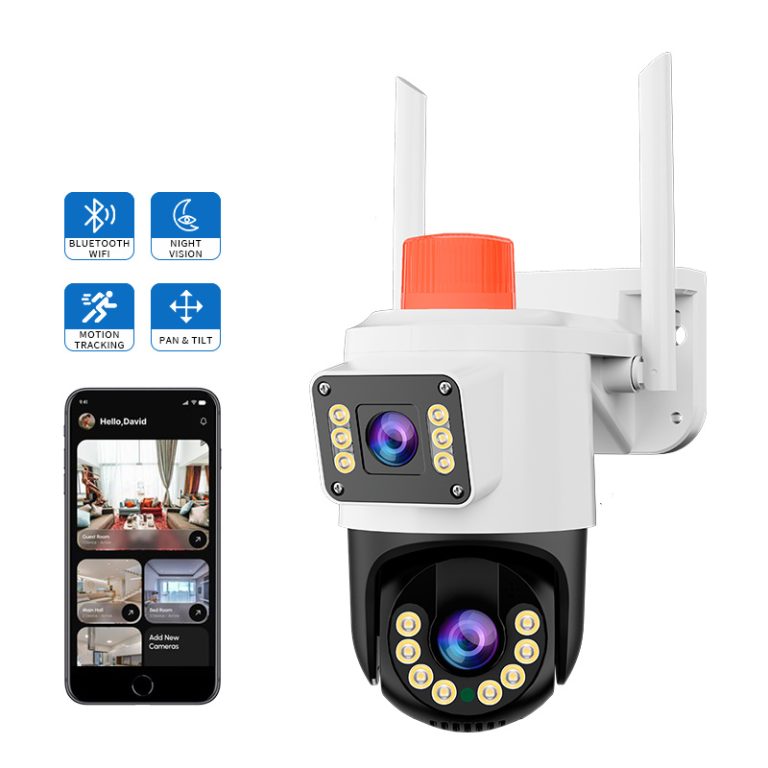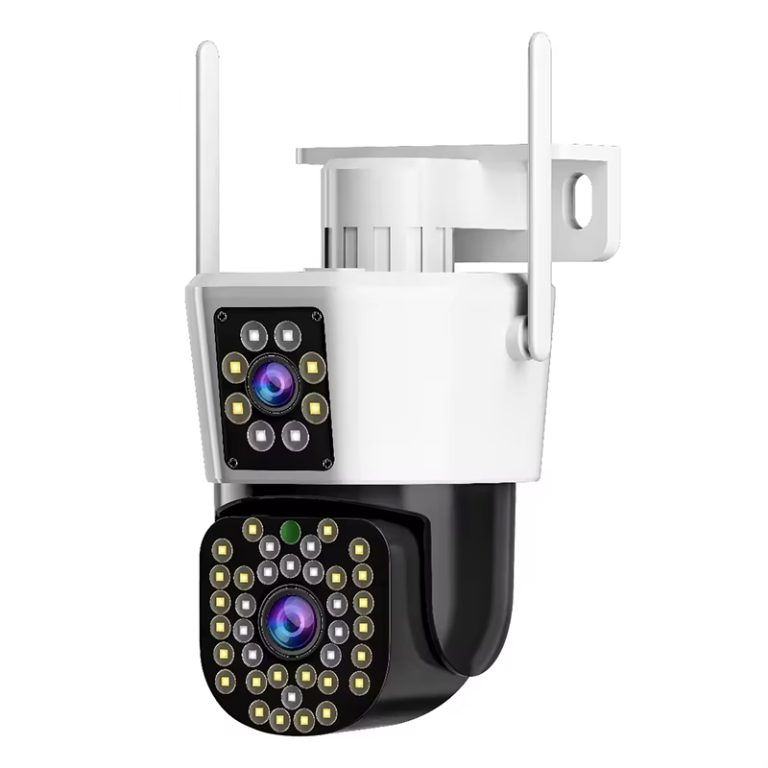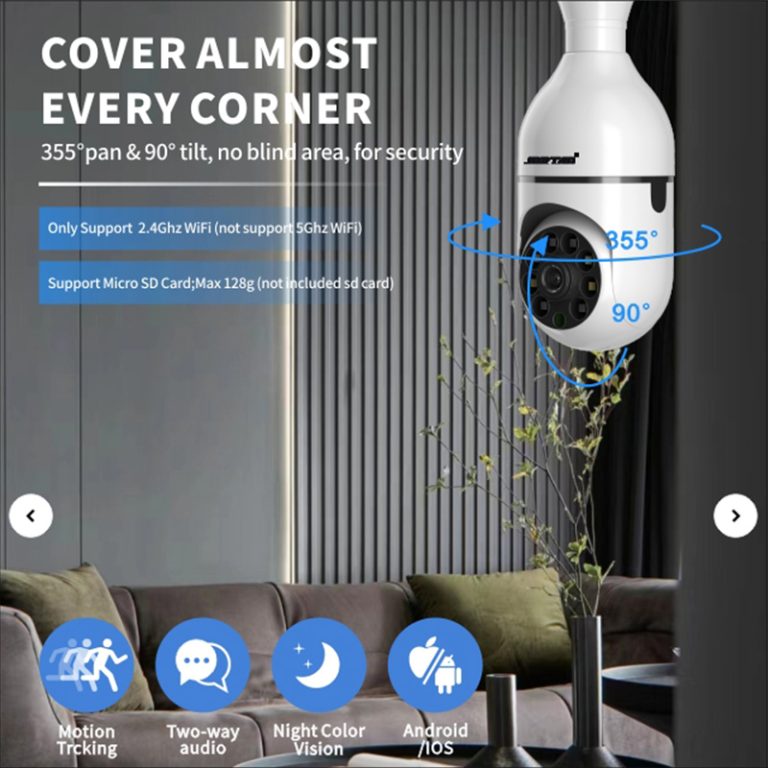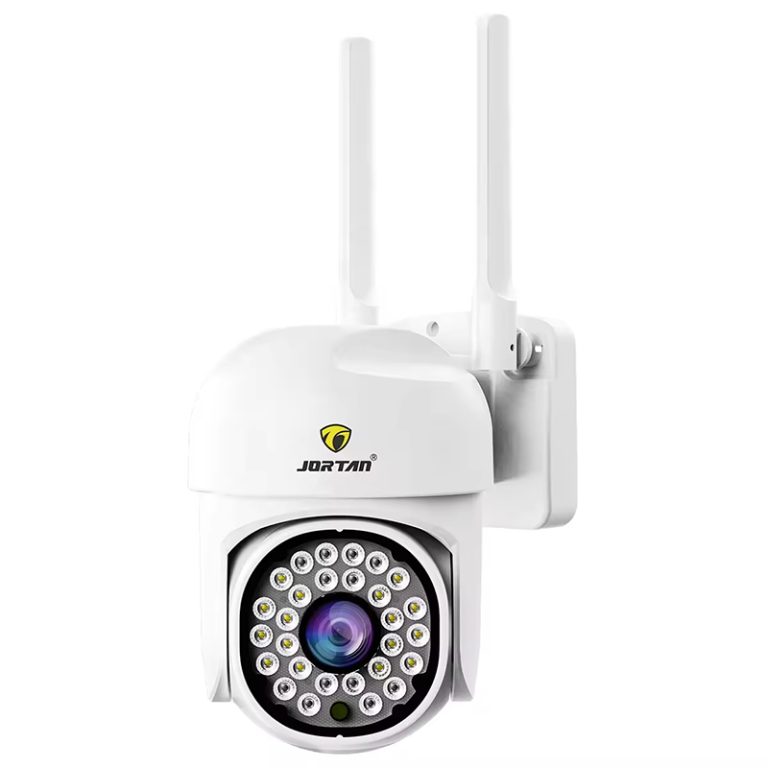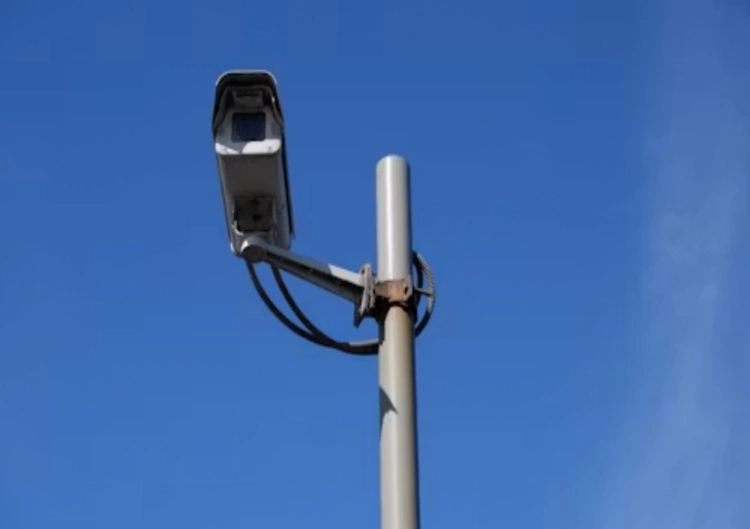
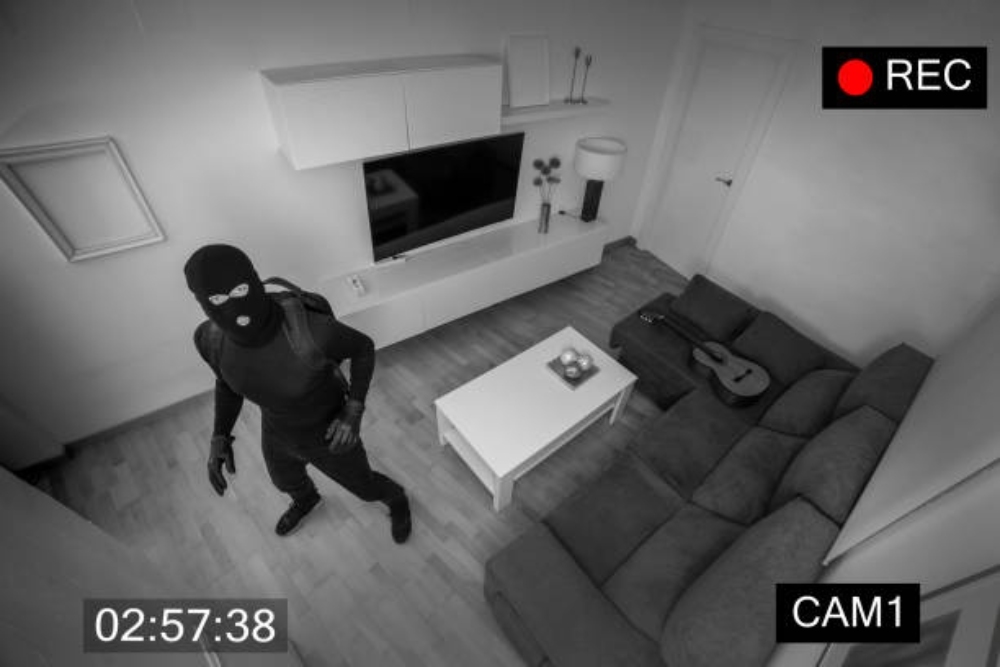
Smart security cameras can significantly enhance home protection, yet “maximum protection” relies on factors beyond the camera alone. Placement, network reliability, AI detection, storage choices, and user behaviors all impact system performance. As smart home security progresses in 2026, homeowners should identify which features genuinely boost safety and which merely offer additional perks.
The Changing Landscape of Smart Home Security
Evolution of Home Safety Technologies
Home security systems have shifted from basic alarm wires to intricate AI-based surveillance setups. Initial systems concentrated only on spotting illegal entry, whereas current ones use artificial intelligence, machine learning, and instant data review to foresee dangers before they arise. Linking IoT (Internet of Things) devices has formed a connected setting where cameras, sensors, and locks exchange info actively to bolster protective levels. The rise of 5G networks and cloud computing boosts this framework further by supporting quick data movement and live oversight with low delay.
The Role of Security Cameras in Modern Homes
Security cameras now stand as the key element in smart home protection. Moving from analog CCTV to digital IP cameras added remote viewing and sharp high-definition pictures. By downloading the app, users can remotely monitor their workstations and homes anytime, anywhere. This means that whether you’re an employee, traveling, or a stay-at-home mom, you can easily monitor the situation at your workplace or home. Such options give homeowners steady vigilance no matter their spot.
AI now allows cameras to separate everyday movements from possible break-ins via facial recognition or motion pattern review. One of the core applications of smart cameras in home security is intrusion detection and alarms. When a camera detects a stranger entering a preset monitoring area, it immediately triggers an alarm. As data analytics keeps developing, these systems not only capture events but also adapt from them—boosting precision gradually and cutting false alerts notably.
Integrating Security Cameras for Enhanced Home Safety
A thoughtfully planned camera array builds the base for maximum protection in any smart home arrangement. Careful positioning along with smart linking assures no uncovered gaps while keeping effective ties across devices.
Strategic Placement and Network Integration
Finding vital watch zones like entrances, garages, hallways, and yard borders is essential for solid coverage. Purchase multiple cameras as needed to cover the entire surveillance area. For instance, products like JTZ-9690PRO provide dual lens monitoring supported by AI-based analysis for precise detection accuracy.
Optimal connectivity between hubs and mobile devices ensures seamless live streaming without delay—especially when supported by mesh networks that minimize latency across large properties.
Combining Cameras with Other Smart Devices
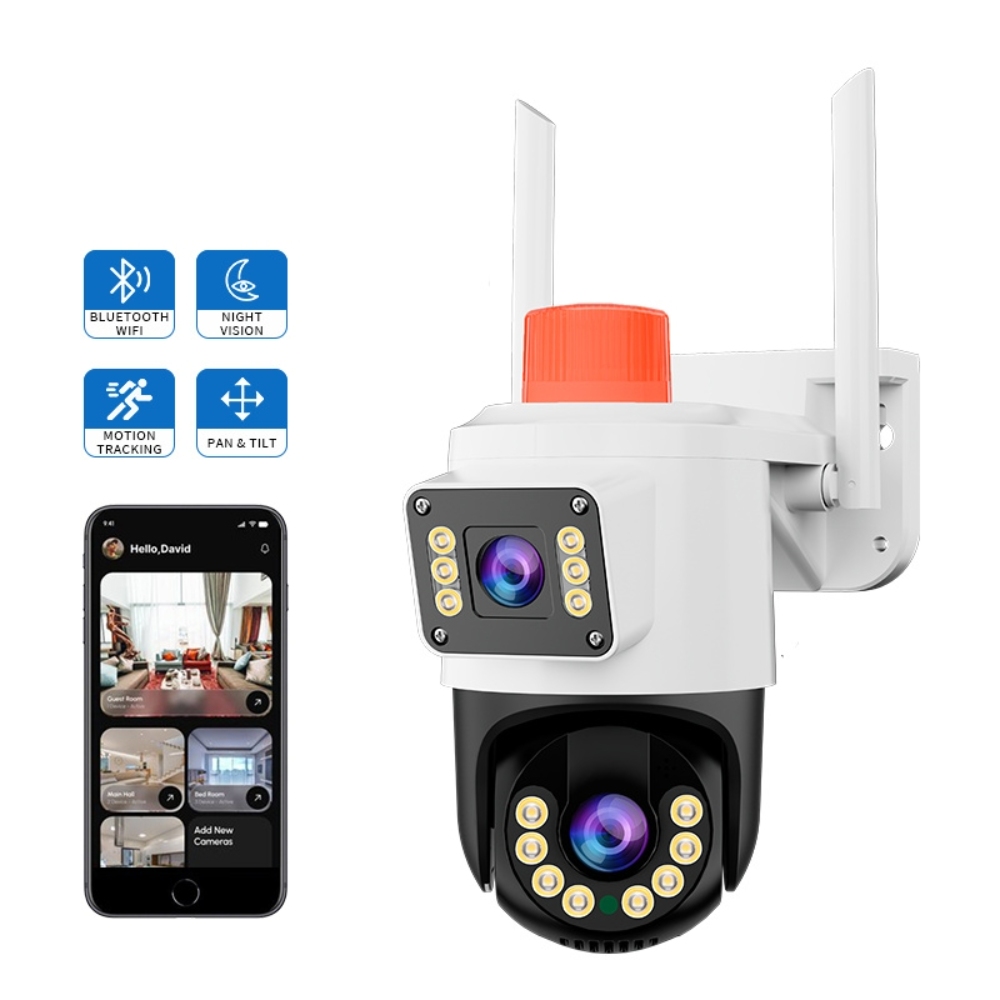
Cameras hit their peak when woven into wider smart networks that feature motion sensors, light arrays, door locks, and alarm units. Some smart cameras can be linked with door and window sensors to monitor for abnormal openings. Centralized platforms or voice assistants allow unified control through intuitive interfaces where automation scenarios react dynamically—for example, triggering lights upon detecting movement at night or sending instant alerts via mobile apps when doors open unexpectedly.
Understanding the Concept of Maximum Protection
As smart homes grow more interconnected, reaching “maximum protection” demands blending modern technology with careful user oversight. Full protection stretches past hardware—it covers cybersecurity strength, backup systems, and user training.
Defining “Maximum Protection” in a Smart Home Context
In 2026’s online setting, maximum protection signifies complete shielding that merges physical barriers and digital walls. It includes ongoing watch via AI-powered tools able to make independent choices when oddities appear. Automated replies—such as securing doors or starting alarms—guarantee swift actions even if users are absent. Cybersecurity steps like encryption rules and multi-factor verification support these by stopping illegal entry to vital video streams or control panels.
Factors That Influence the Level of Protection Achieved
Various elements shape a smart home system’s true effectiveness: device build controls dependability, network power maintains steady links, and connection level sets how parts work together in the network. User knowledge holds a crucial part—poor settings can weaken even the best arrangements.
Check and maintain your camera regularly to ensure it is working properly. Regular software updates and firmware patches are essential for maintaining performance consistency against evolving cyber threats.
Challenges Limiting Maximum Protection Potential
Despite notable gains in auto technologies, certain obstacles keep blocking total achievement of maximum protection in living spaces.
Cybersecurity weak spots persist as a major issue from weakly guarded IoT points or dated firmware exposing networks to attack attempts. Slack password habits heighten these threats; thus, taking strong encryption norms with multi-factor verification becomes vital for guarding remote entry tools.
Human elements also affect total output. Wrong setups lead straight to weaker spotting results, while heavy dependence on auto warnings might spark carelessness in users who skip hands-on checks required in upkeep phases.
Evaluating Whether Maximum Protection Is Truly Attainable by 2026
The chase for full security stays active instead of set—technology advances steadily, with rising danger scenes calling for flexible strength plans.
Weighing progress against real use involves compromises in cost savings, ease, and privacy-keeping levels possible under present build limits; no lone setup assures no weak points, yet stacked shields greatly lessen risk odds well over time.
Upcoming shifts will probably stress better AI sharpness, cross-brand matching, lasting build styles that push energy savings over product spans, and spurring maker partnerships for shared bases, ensuring fit, steadiness, and openness on fair treatment of user-made data to build field-wide trust, as shown in linked fixes.
Technological Advancements Driving Smarter Surveillance in 2026
Swift progress keeps altering how families view safety handling through forward-thinking smarts and spread-processing approaches.
Artificial Intelligence and Predictive Analytics
AI now supports active danger blocking over just response notices. Sophisticated algorithms carry out instant checks on image data to predict questionable actions before issues worsen. Facial recognition precision has risen a lot from machine learning adjustments that lessen wrong hits while improving ID pace—even in poor light owing to full-color night vision methods.
Cloud Storage, Edge Computing, and Data Privacy Enhancements
Blended storage approaches mixing cloud services with on-device SD cards weigh easy reach against privacy security for key video keeping. Surveillance camera storage options primarily include cloud storage, local SD card storage, and NVR storage. Edge computing reduces reliance on external servers by processing video locally within each device—resulting in faster response times during emergencies while minimizing bandwidth consumption risks associated with centralized systems.
FAQ
Q1: How can I ensure my home security system provides maximum protection?
A1: Pair reliable devices with steady upkeep habits, and refresh firmware often. Also, blend various defenses like entry sensors, light controls, and network security measures, sticking to maker advice such as that from Jortan, which allows remote viewing from any place at any time.
Q2: What areas should be prioritized when installing security cameras?
A2: Target doorways, paths, hallways, steps, and yard spaces, making sure to cover everything without gaps by positioning several cameras wisely based on the site’s design needs.
Q3: Are cloud-based systems safe enough for storing personal footage?
A3: Yes, when set up properly with mixed setups that use on-site SD card copies together with secured cloud storage, this cuts down on illegal entry dangers. At the same time, it keeps fast access during urgent situations and balances ease of use with privacy protections over the full system lifespan.