Private label is not simply a logo printed on a carton. It moves responsibility for product selection, positioning, documentation, support and customer expectations closer to the distributor. The right time to make that move is rarely the first time a camera sells. It is when the channel has enough evidence to support a stable promise and a repeatable SKU.
The security camera industry covers optical imaging, electronics, communications, sensors, software and installation services. That mix makes a private-label decision broader than a housing change. A branded camera still needs a reliable image path, power route, storage plan, APP or recorder workflow, packaging system and after-sales process.
Stock Models Make Sense While Demand Is Still Being Learned
A stock model is useful when a distributor is testing a channel, serving irregular projects or comparing several price points. It keeps the initial commitment easier to change. The trade-off is limited differentiation and less control over the product roadmap. That is acceptable when the main business question is whether the market will buy the camera at all.
Look for Repeatability Before Branding
Track the same model across several orders. Are the lens, APP, firmware, bracket, carton contents and image behavior stable? Do installers ask for the same configuration again? Are returns caused by the product, the site or unclear selling information? A private label should be built around a proven configuration, not around a single successful shipment.
The project knowledge base separates network, WiFi, 4G, coaxial, optical fiber and other transmission paths, as well as battery and solar power choices. A distributor should therefore stabilize the technical route before changing the name on the product. A private label with an unclear network or power promise creates support work from day one.
Private Label Adds Brand Duties Alongside Margin Potential
A camera brand owns the buyer relationship even when another factory builds the unit. That means the distributor needs a controlled specification, a change-notification process, firmware records, replacement rules and a clear answer when an APP or NVR behaves differently after an update. Margin is only one part of the decision. Brand liability and support capacity belong in the same calculation.
Define the Product Promise in Writing
Write down the intended scene, lens, resolution, night mode, power, network route, storage, APP or recorder, accessories, packaging and acceptable substitutions. Keep the approved sample and its test record. Any unconfirmed certification, compatibility or performance claim should remain an RFQ item until the supplier provides evidence for the exact configuration.
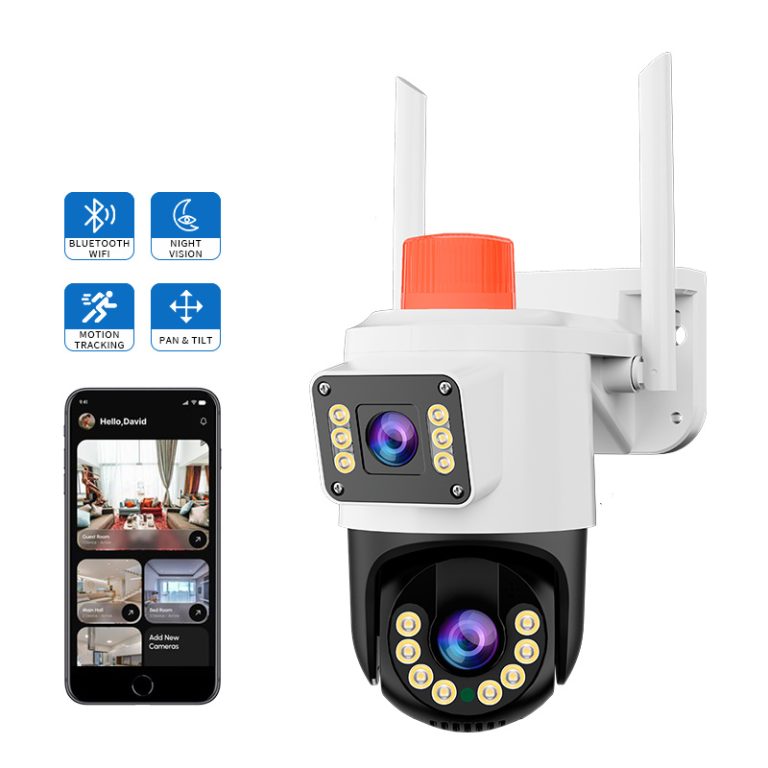
A distributor considering a stable outdoor line might compare a defined stock configuration such as the JT-9999PRO outdoor camera with the channel requirements before requesting a private-label quotation. The product link supports a technical conversation; it should not be presented as a generic reference model.
MOQ, Tooling, and Cash Flow Set the Commercial Boundary
OEM and ODM work can include logo, packaging, appearance, color, mold opening, APP customization, injection molding, assembly and inspection. Those are separate commercial questions. A low finished-unit MOQ does not automatically mean a low commitment if custom packaging, a new housing or tooling has its own minimum or charge.
Separate the Commitments in the RFQ
Ask for standard-model MOQ, configuration or color MOQ, packaging MOQ, tooling ownership, sample approval, lead time, inspection scope and reorder terms. Also ask whether different models can share packaging or whether unused printed cartons must be purchased. These details show whether the private-label idea fits working capital, not just whether the quoted unit price looks attractive.
Sample or trial orders in a 1 to 3 day window and bulk or OEM orders in 7 to 15 working days depending on quantity. Such timing is a planning reference, not a universal promise. The distributor should confirm the window for the approved SKU, artwork, component supply and inspection plan.
The factory capability including about 20,000 square meters and more than 450 workers, supports a capacity discussion. It does not remove the need to confirm the production slot, component availability and quality process for the actual program.
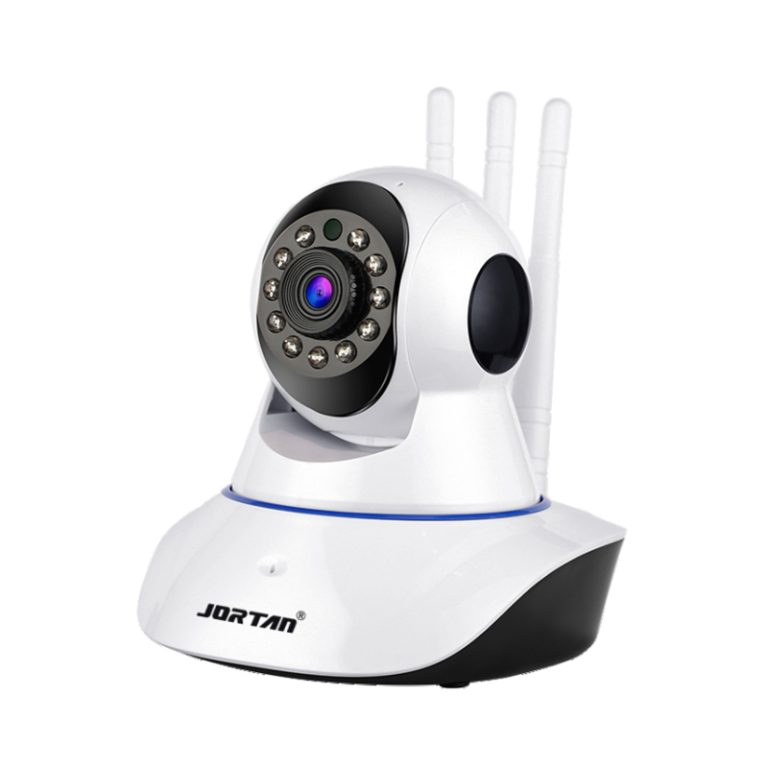
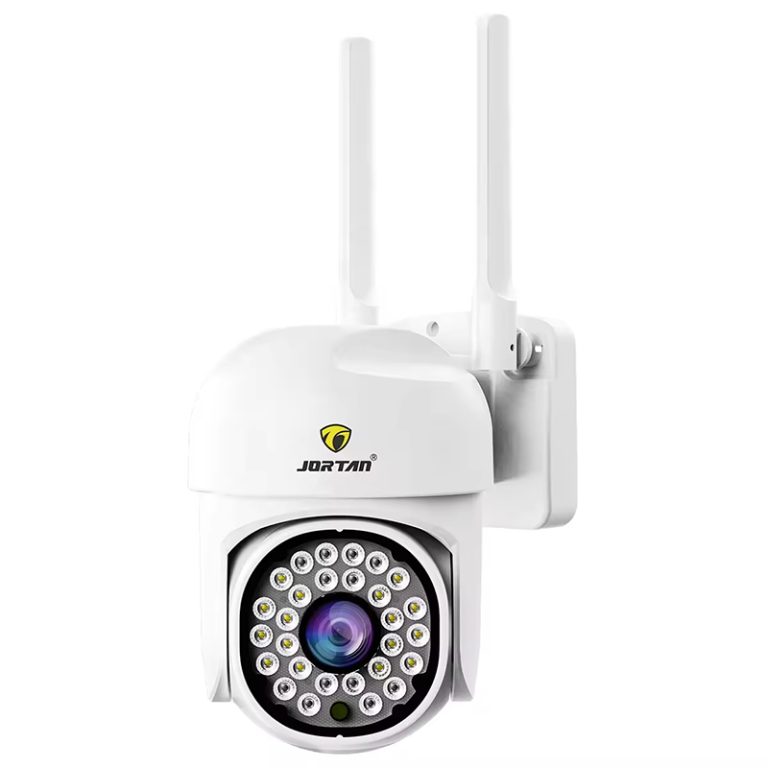
A review of the Jortan can clarify the available production path, while the distributor keeps ownership of the business case and technical brief.
Move When the Brand Can Support the Whole Lifecycle
The strongest signal is not a single sales spike. It is a repeatable SKU with a known return pattern, stable demand, trained support staff and enough cash to carry packaging or tooling decisions. The distributor should also have a plan for firmware changes, spare units, replacement parts, documentation and end-of-life communication.
A factory that combines mold work, injection molding, assembly, packaging and inspection can shorten the path from a proven stock item to a differentiated program. The value is greatest when the buyer already knows what needs to change: a housing, logo, color, carton, APP workflow or installation accessory. Customization without a defined problem is just extra complexity.
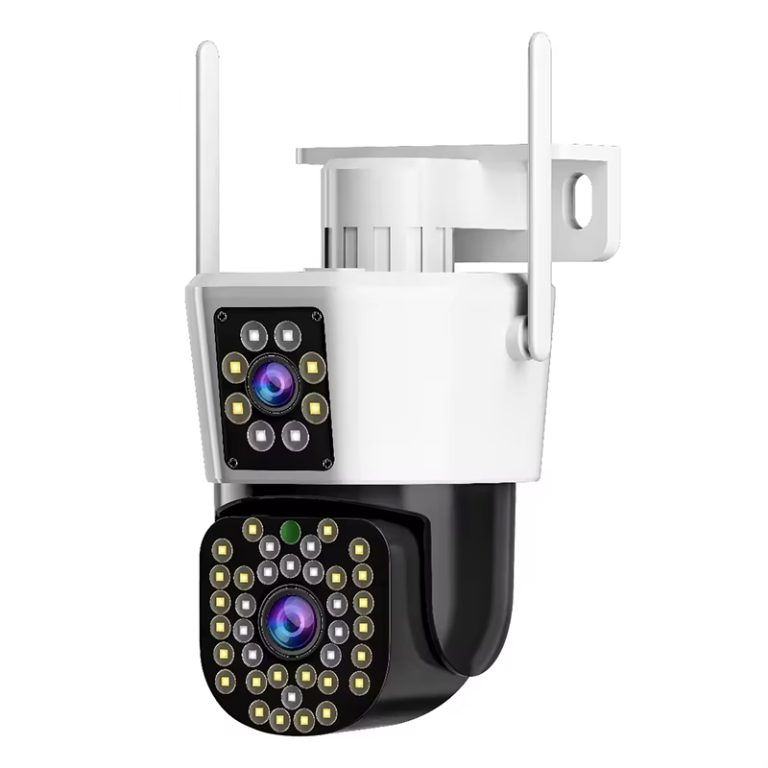
For a PTZ or higher-feature channel, a model such as the JT-9689UQJ PTZ camera can be used to define the technical baseline before discussing branding.
The next step should be a written scope through OEM and ODM camera manufacturing support, including the target market, forecast, packaging, test plan and service obligations. A clear brief makes it easier to decide whether stock, semi-custom or full private label is the sensible stage.
Conclusion
A distributor should move from stock models to private label when demand, SKU stability, support capacity and cash flow can carry the added responsibility. First prove the configuration, then separate MOQ, packaging, tooling, firmware, inspection and reorder terms. Private label becomes a sound growth step when it solves a visible channel problem and the brand can support the camera after the first shipment.
FAQ
Q1: Is private label worthwhile for a distributor with only one successful model?
A1: Usually, one shipment is weak evidence. Look for repeat orders, stable configuration, known return reasons, support readiness and a realistic forecast before accepting custom commitments.
Q2: What should be separated in a private-label quotation?
A2: Separate finished-unit MOQ, configuration and color MOQ, packaging MOQ, tooling, sample approval, lead time, inspection, firmware support and reorder terms.
Q3: Does a factory with mold and injection capability remove private-label risk?
A3: No. It can expand customization options, but the distributor still needs an approved specification, commercial terms, quality records, support process and lifecycle plan.