Returns rarely begin with a single broken component. A distributor may receive a camera that works exactly as tested, yet still disappoint the installer because the lens is too narrow, the night scene is unclear, the APP cannot fit the customer workflow, or the mounting hardware does not match the site. These are product-fit failures, and they can be more expensive than a visible defect.
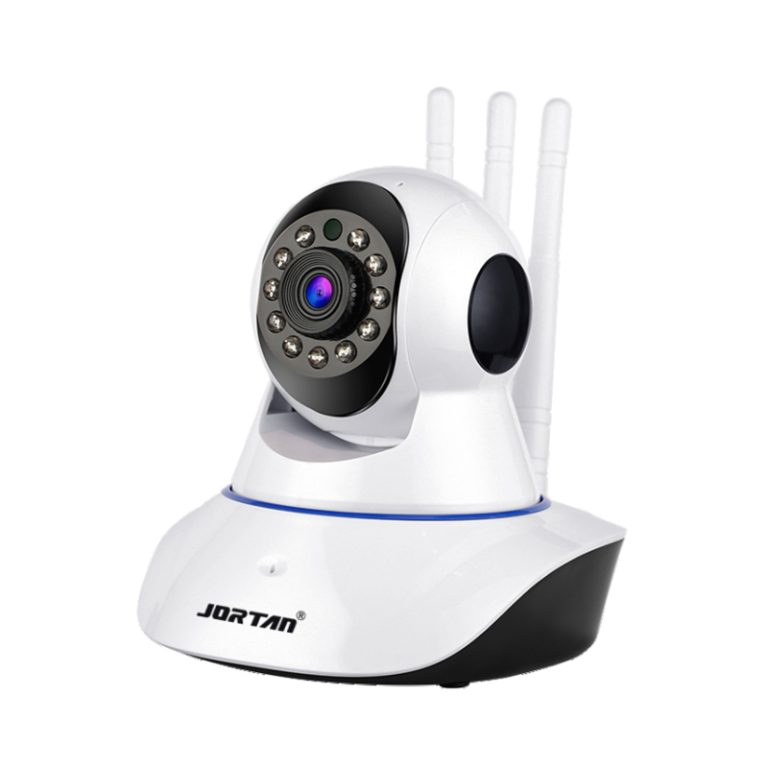
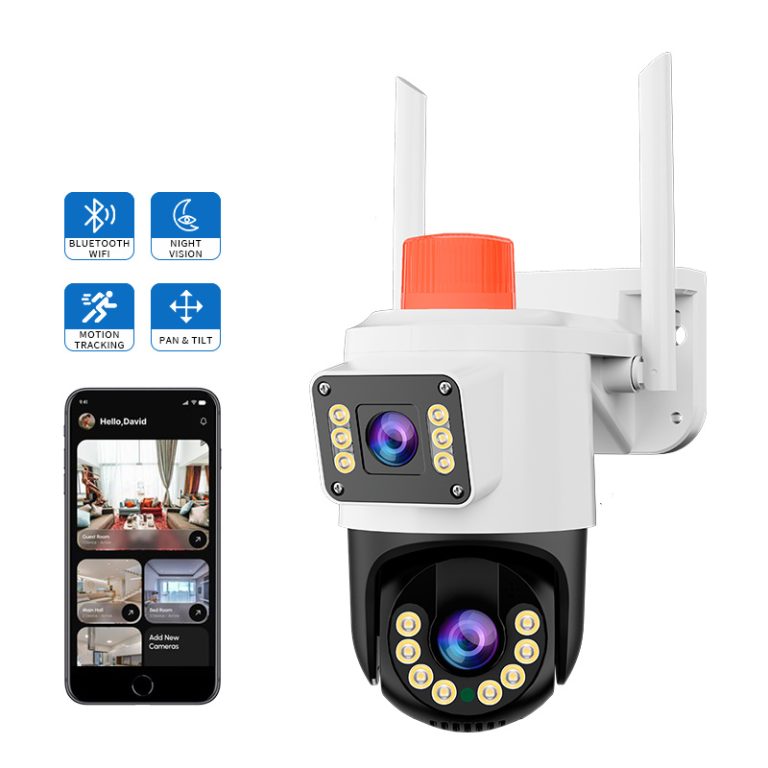
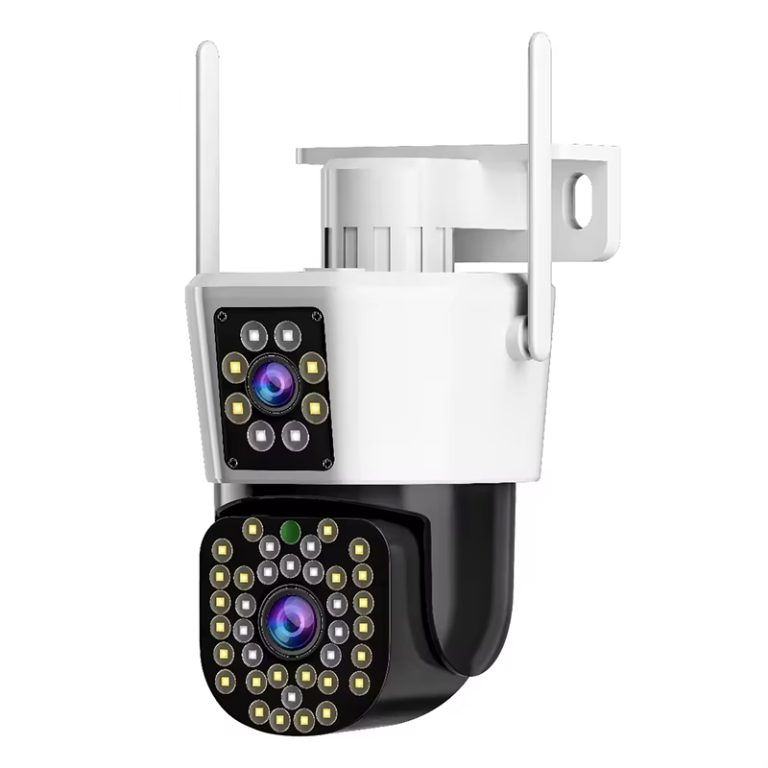
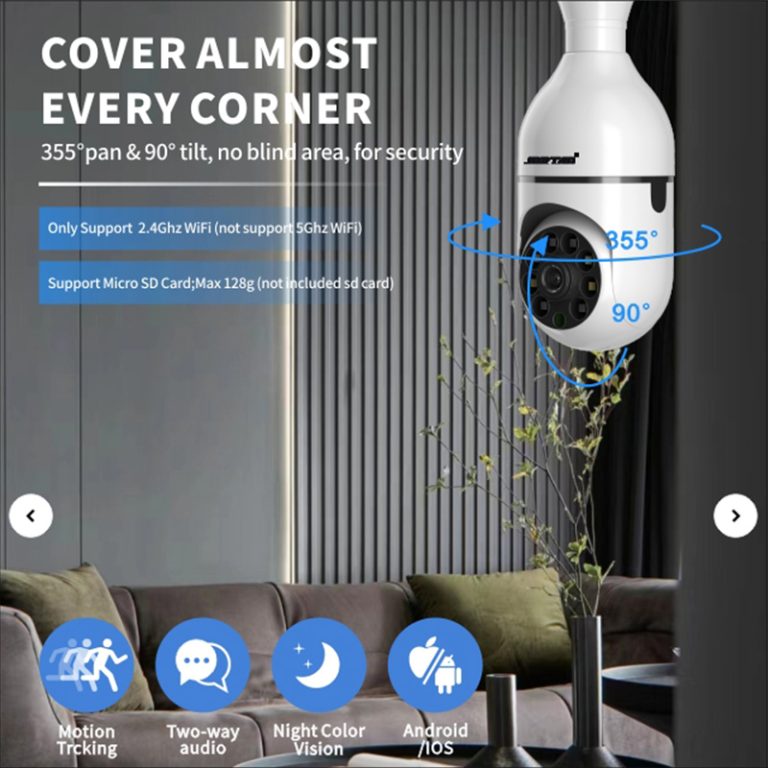
Security cameras combine optics, sensors, processing, communications, storage and installation hardware. The project knowledge base separates camera forms, resolutions, fill-light methods, interfaces and transmission paths because each choice changes where the device can be used. A return review should therefore ask which requirement was missed, not only whether the unit powers on.
Field of View and Night Performance Trigger Avoidable Returns
The fastest way to create a return is to sell a camera for a scene that was never checked. A buyer may expect a wide entrance view from a narrow lens, color evidence in darkness without usable light, or readable detail at a distance that exceeds the optical design. Product pages and samples must be read together with the mounting height, target distance and available illumination.
Match the Lens to the Evidence Task
A shorter focal length generally produces a wider view, while a longer focal length narrows the view and reaches farther. Infrared designs commonly produce black-and-white video in darkness; full-color night video depends on available or supplemental light. These are not minor specification details. They decide whether an installer can produce the evidence promised in a quotation.
Before approving a wholesale camera, test the intended scene rather than a wall at close range. Place a person or vehicle at the working distance, check the edges of the image, and compare day and night conditions. A model such as the JT-8160QJ fixed camera can be shortlisted for a defined scene, but the acceptance result must belong to the actual project brief.
Network, APP, and Storage Mismatch Becomes an After-Sales Case
Many camera quality complaints are really workflow complaints. The installer expects PoE, the site has only WiFi, the customer needs 4G, or the NVR accepts the live stream but not the required event path. A product can be technically functional and still be commercially wrong for the channel.
Test the Complete Customer Path
Network cameras are devices that process and compress video before transmitting it to an NVR or related platform. Test that whole route: power, network connection, APP pairing, live view, recording, playback, notifications and local storage. Record which functions require a particular recorder, account type, memory card or cloud service.
Distributors should also test recovery. Disconnect the network, restart the router or recorder, remove and restore power, and check whether local recording resumes. The point is not to promise identical behavior in every installation. It is to identify which conditions need to appear in the sales and installation notes before the carton leaves the warehouse.
A higher-resolution or multi-function unit such as the JT-8176XM smart camera should be approved with its intended storage, APP and network route. The model name alone does not define a deliverable configuration.
Power, Housing, and Mounting Problems Look Like Quality Problems
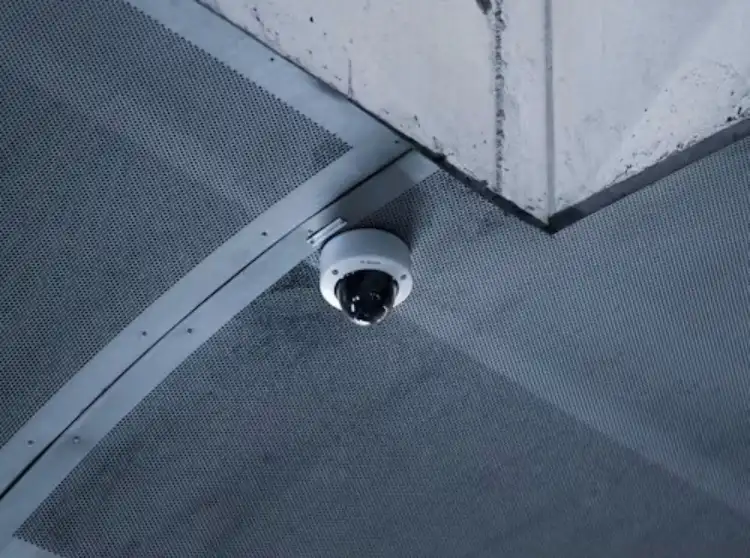
Camera housings and interfaces are tied to their environments. It distinguishes barrel cameras commonly used outdoors with IP66 or IP67 protection, dome cameras for ceiling or embedded installation, and different output interfaces such as RJ45, BNC and fiber. A return can follow when the shell, connector, bracket or power method was chosen without the site conditions.
Put Installation Conditions on the Order Record
Confirm mounting surface, bracket direction, cable entry, connector clearance, power supply, weather exposure and service access. Ask whether the installer needs a separate junction box or a different bracket. A small missing accessory can stop a project, while a mismatch in power or cable type can produce intermittent faults that are later reported as poor camera quality.
For a channel partner, the useful asset is a returns triage sheet. Separate “no power,” “wrong field of view,” “night image complaint,” “network or APP issue,” “storage mismatch,” and “mounting or accessory issue.” Attach the approved sample image, configuration and installation notes to each SKU.
Use a Return-Prevention Gate Before Bulk Purchase
A distributor does not need a complicated laboratory to reduce security camera returns. A controlled sample review is enough when it mirrors the selling channel. Test the camera with the recorder, network, APP and power accessories that installers will actually use. Then ask three blunt questions: what can make this model unsuitable, what must be disclosed, and what support material will reduce repeat calls?
| Return trigger | What to verify before order | Commercial protection |
| Field of view | Lens, target distance, mounting height, edge coverage | Approved scene photo and mounting note |
| Night complaint | IR or white light, ambient light, evidence distance | Day/night sample record |
| Connection issue | PoE, WiFi, 4G, APP, NVR and recovery path | Supported topology in SKU sheet |
| Installation fault | Bracket, connector, power, housing and cable entry | Accessory pack and site checklist |
A supplier with a broader wholesale security camera portfolio can help a distributor compare form factors, but the comparison should remain tied to return reasons and channel use. When a private label, packaging change or field validation is needed, a camera sourcing and QC discussion should include the return-prevention gate rather than only a target unit price.
Conclusion
The features behind the most costly security camera returns are often the ones buyers treat as secondary: lens choice, night lighting, network route, APP behavior, storage, power, housing and mounting. A distributor can reduce avoidable returns by approving the complete customer path, documenting limitations and matching every SKU to a real installation scene. Product quality matters, but product fit decides whether quality survives the sale.
FAQ
Q1: What is the most common cause of camera returns?
A1: There is no universal ranking, but field-of-view mismatch, night-performance expectations, network or APP issues, storage limits and installation incompatibility are frequent return risks.
Q2: Should every camera SKU be tested with an NVR?
A2: Any SKU sold for an NVR workflow should be tested with the intended recorder or a clearly supported equivalent. Live view alone is not enough; test recording, playback and events.
Q3: Can a distributor prevent all product returns?
A3: No. Site conditions and user expectations vary. A documented sample gate, clear sales notes and a return triage process can reduce avoidable cases without promising zero returns.