Storage is one of those CCTV details that looks simple until a customer asks for last week’s footage and nobody can find it. A camera may have a good lens, clean night vision, and a stable app, but if the recording plan is wrong, the project still feels unfinished. For distributors and project buyers, camera storage affects installation work, app use, recording days, maintenance, and after-sales pressure.
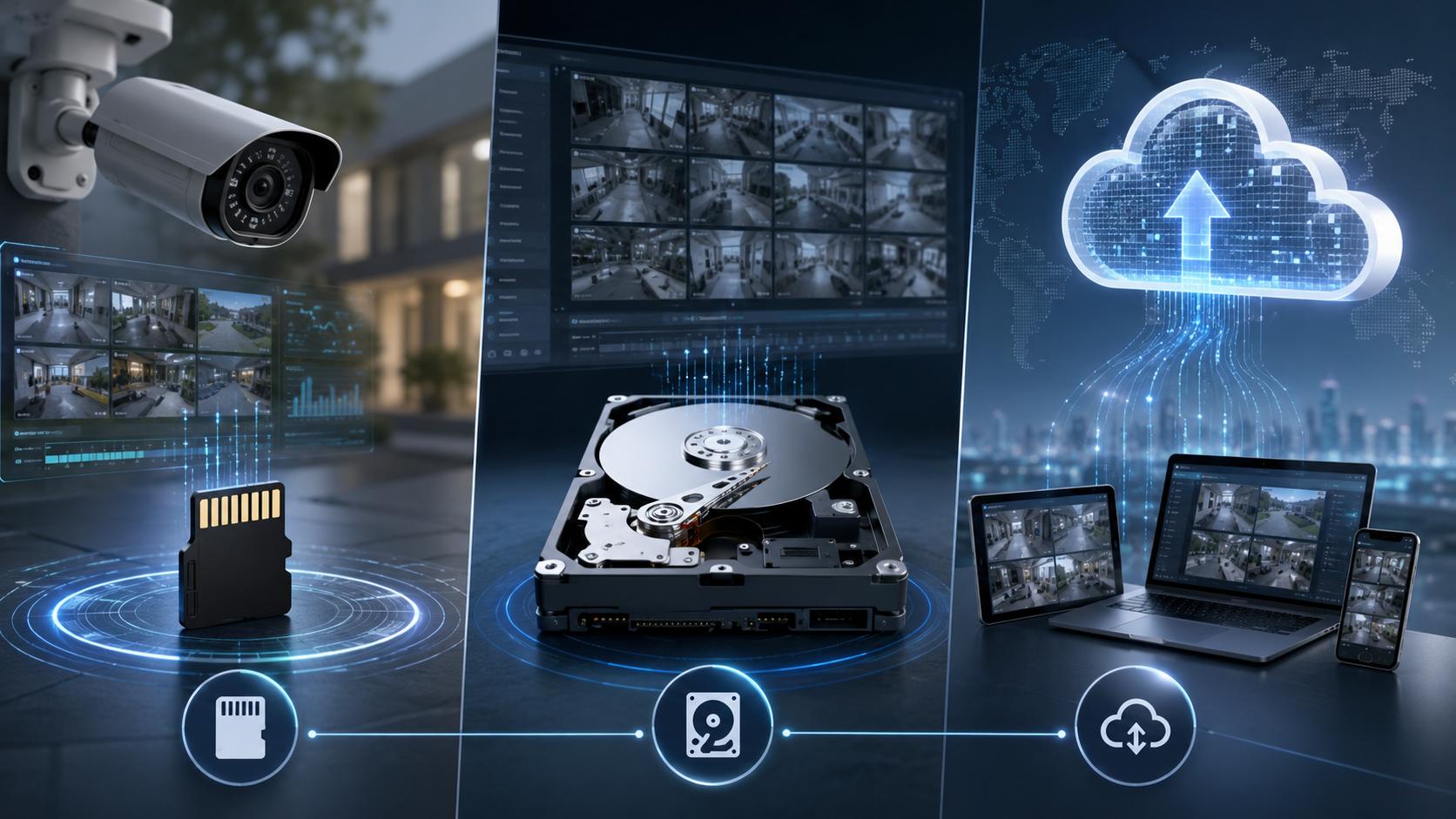
Three CCTV Storage Options Buyers Actually Compare
TF Card Storage for Single Cameras
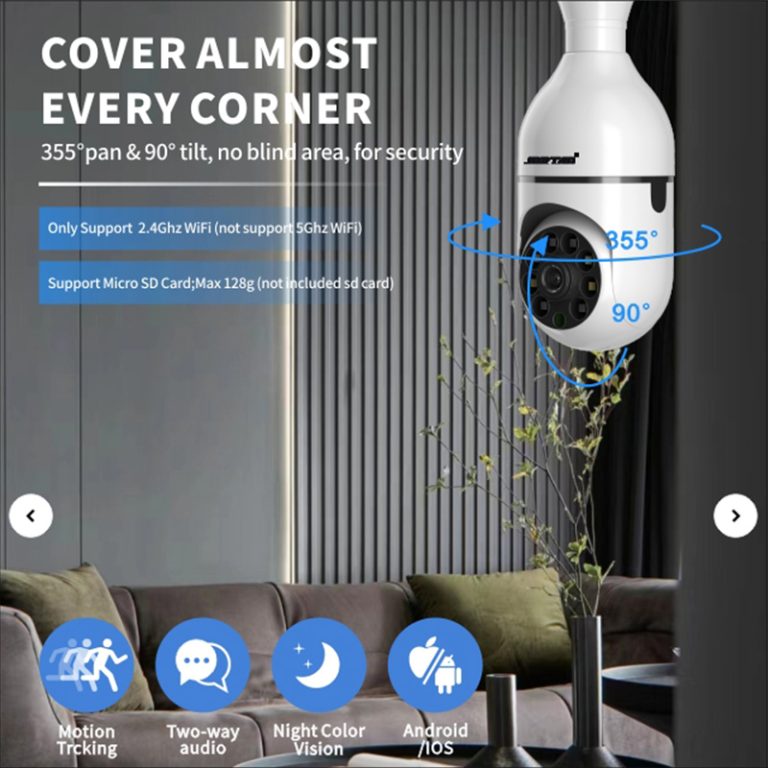
TF card storage, often listed as MicroSD or SD card storage, keeps video inside the camera. It is common in single WiFi cameras, small shop cameras, home entrances, and sample orders where buyers want a simple setup without a recorder. Some models support continuous, planned, or event recording. Local playback may also allow zooming into recorded footage to check a face, package, vehicle, or door movement.
The advantage is clear: no separate recorder, less wiring, and a lower starting cost. The weak point is also clear. Recording days depend on card capacity, video quality, compression, and recording mode. If the buyer does not confirm the supported card size, customers may buy the wrong card or lose footage earlier than expected.
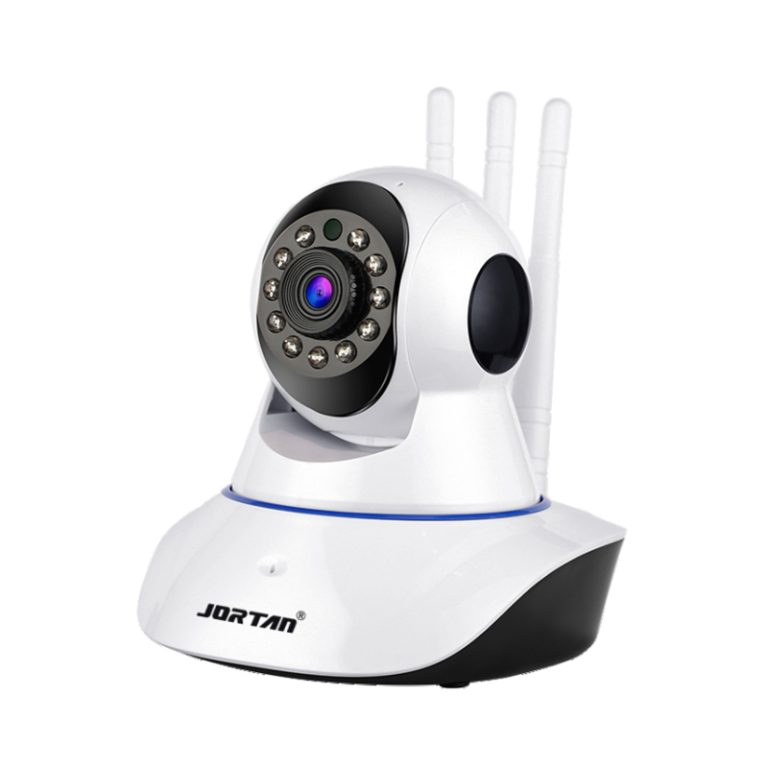
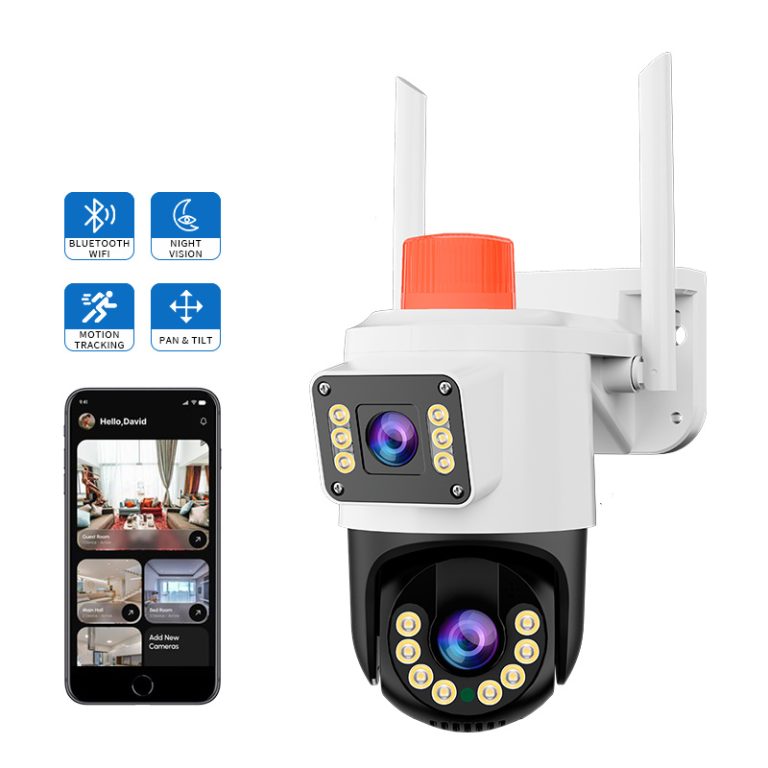
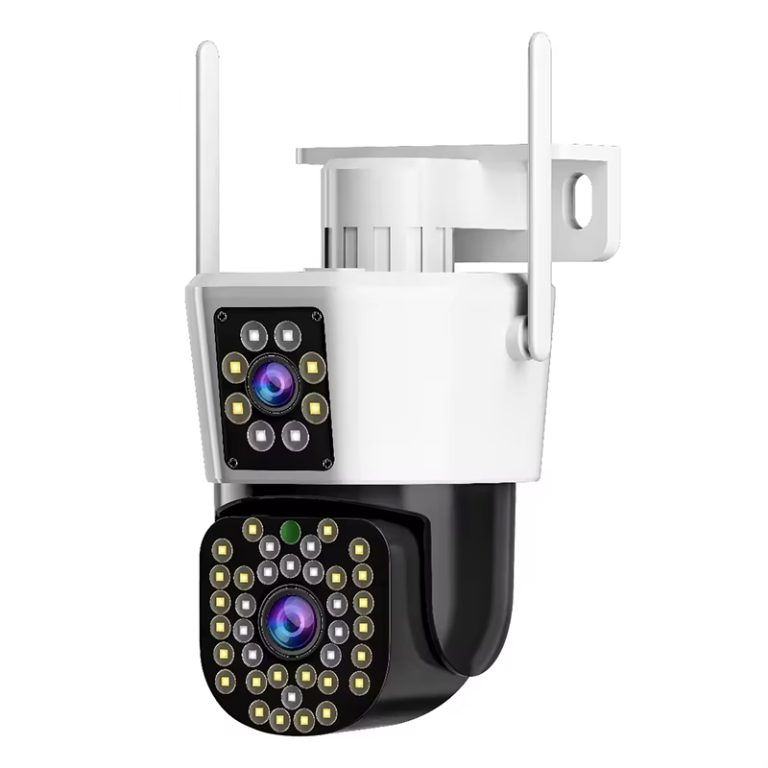
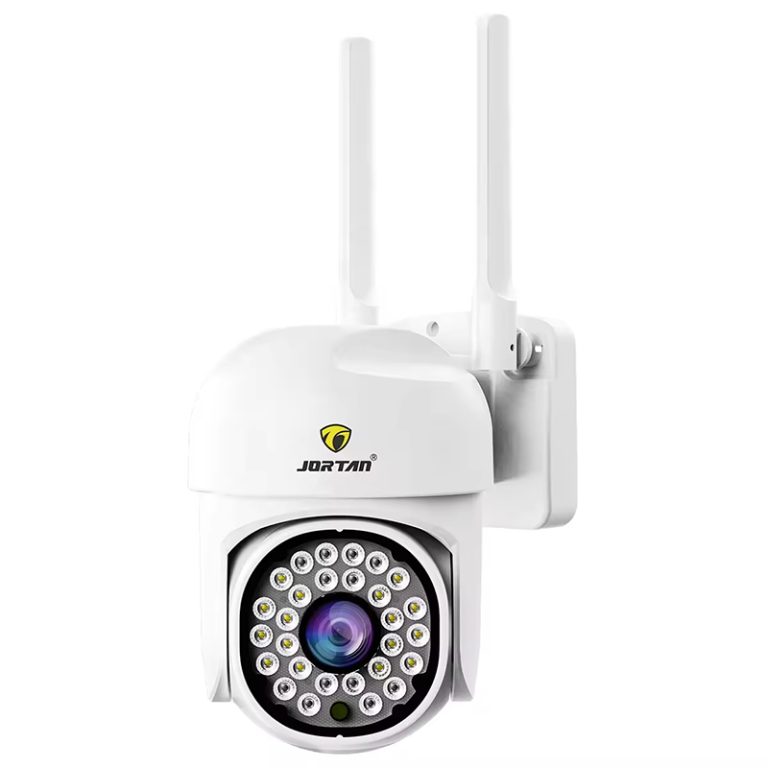
A model such as Jortan’s JT-8698PRO is a useful example because it supports local TF card storage up to 256G and cloud storage, while also offering ICSEE app use, human shape detection, starlight full color, and ONVIF support. For a small shop door or parking entrance, that mix lets a seller position the camera as a single-unit option with local recording and optional remote backup.
HDD Storage with NVR or DVR Systems
HDD storage means the video is recorded on a hard disc inside an NVR or DVR. This is more suitable when several cameras need to record at the same time. A small store may use four channels. A warehouse, parking lot, factory gate, or apartment corridor may need eight channels or more. In these jobs, asking every camera to depend on its own TF card is usually not clean enough for playback, management, and later evidence review.
The security camera system itself is not only the camera. It can include recording equipment, network devices, software, video recorders, video servers, and management platforms. That is why HDD storage still matters in 2026. It gives project buyers a central place to check multiple channels and plan longer recording periods.
For IP camera projects, an NVR camera system fits buyers who want digital recording, network connection, and multi-channel management. For analog or AHD project lines, a DVR monitoring package can still make sense, especially where installers already work with coaxial cable, existing analog cameras, or price-sensitive renovation projects.
Before a bulk order, buyers should confirm HDD capacity, channel count, camera compatibility, app playback, and whether ONVIF or third-party platform access is needed. Missing one of these details can delay project acceptance and create a messy after-sales case.
Cloud Storage for Remote Backup and App Access
Cloud storage saves or backs up video through a cloud service. It is attractive for buyers who care about remote access, alarm push, and easier playback from a mobile phone. Many modern cameras also support mobile monitoring on iOS and Android, cloud forwarding, network penetration, and front-end/back-end docking. For multi-site shops or remote locations, this can reduce the need to visit the site just to check footage.
Cloud storage is not automatically better than local storage. It depends on network quality, service region, subscription cost, privacy habits, and how comfortable the target market is with app-based recording. In some markets, customers like the convenience. In others, buyers prefer local recording because it feels more controlled and does not add recurring fees.
Where the Differences Show Up in Real Orders
- Cost is the first difference. TF card recording has a lower starting cost and is easy for retail channels. HDD storage costs more at the start because the buyer needs an NVR or DVR, hard disk, power plan, and more installation work. Cloud storage may look light on hardware, but subscription terms must be clear before sale.
- Recording days are the next issue. A TF card is fine when the customer only needs short-term or event-based footage. HDD storage is better when the project needs continuous recording across several cameras. Cloud storage is helpful when the footage needs to survive local device damage or theft, but the buyer must check package length, upload behavior, and whether event recording or continuous recording is available.
- Network risk is different too. TF card storage can keep recording even when the network is weak, but the footage stays inside the camera. HDD systems depend on cable, recorder, and hard disc stability. Cloud storage depends heavily on upload quality. A rural yard, basement shop, or factory corner with weak WiFi may not give cloud storage camera users the experience promised on a sales page.
- Maintenance also changes by storage type. TF cards may need replacement or formatting. HDDs need capacity planning, health checks, and sometimes replacement after long use. Cloud storage needs account management, app clarity, and service continuity.
Which Storage Option Fits Which Project
Small Shops, Homes, and Single-Camera Sales
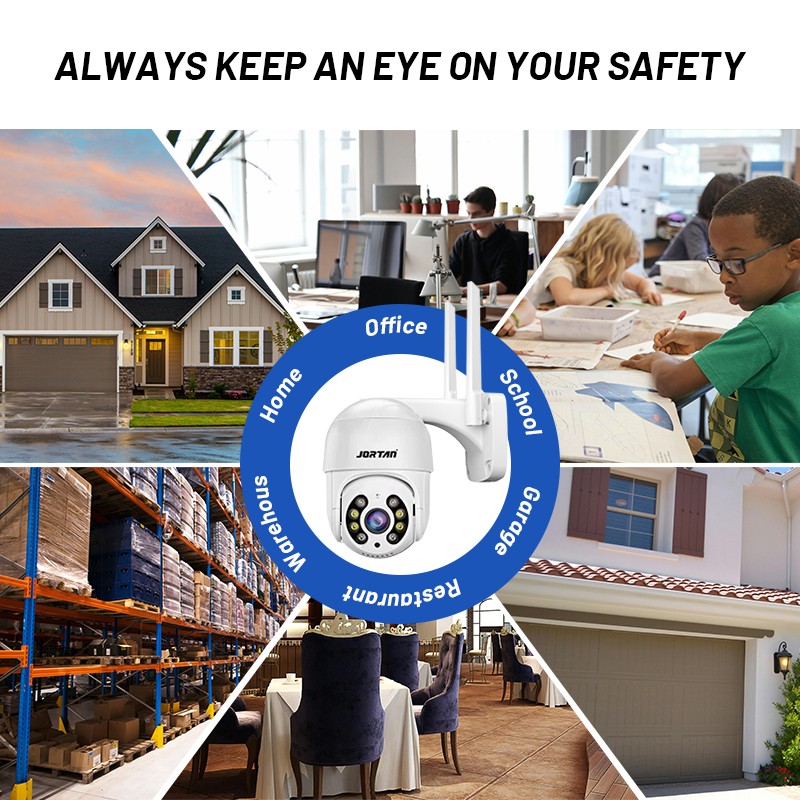
For small shops, home entrances, kiosks, and single-camera retail sales, TF card storage is usually the easiest starting point. It keeps the package simple. The dealer can explain the product quickly: install the camera, insert a supported card, connect the app, and check playback when needed.
Optional cloud storage can be added for buyers who want remote backup or easier event review. This customer usually cares about price, app setup, night image, voice, and whether the product works without calling an installer twice.
Warehouses, Parking Lots, and Multi-Camera Jobs
Warehouses, parking lots, small factories, schools, and apartment corridors usually need HDD storage through NVR or DVR. The buyer wants several cameras recording together, easy channel switching, and a way to find footage after an incident. A recorder also makes more sense when one person has to manage the full system instead of checking every camera separately.
For these jobs, the buyer should estimate recording days before choosing the HDD. Four cameras and eight cameras do not create the same storage pressure. Higher resolution and continuous recording use more space. If the HDD is too small, important footage may already be overwritten.
Remote Management and Multi-Site Buyers
Cloud storage fits buyers who manage several sites or need quick access from outside the location. Chain stores, overseas property managers, remote yards, and unattended rooms often care less about touching the local recorder and more about whether alerts, playback, and mobile viewing work smoothly.
Still, the cloud should be sold honestly. If the local network is poor, cloud recording may be unstable. If the market dislikes subscriptions, the product may meet resistance. A safer product line often uses both local and cloud options: TF card or HDD for local recording, cloud storage for remote access or backup.
Jortan can be considered when distributors need WiFi cameras, cloud-ready models, NVR/DVR monitoring packages, and mixed storage planning for different channels. The useful discussion is not only about price. It is model continuity, sample-to-bulk consistency, app support, packaging, accessories, and whether the supplier can keep the storage-related configuration stable for repeat orders.
FAQ
Q1: Is TF card storage enough for CCTV cameras?
A1: It is enough for many single-camera jobs, small shops, homes, and short-term event recording. It is not the best choice for long continuous recording across several cameras.
Q2: When should buyers choose HDD storage with NVR or DVR?
A2: HDD storage is better for 4CH or 8CH systems, warehouses, parking lots, factories, and projects that need central playback and longer recording days.
Q3: Is a cloud storage camera better than local storage?
A3: Not always. Cloud storage is convenient for remote access and backup, but it depends on network quality, service plan, subscription acceptance, and local privacy habits.
Q4: Can Jortan support different CCTV storage needs for distributors?
A4: Yes. Jortan can support WiFi cameras with local TF card and cloud options, NVR/DVR monitoring packages, product matching, OEM/ODM packaging, and storage-related details for bulk orders.