A buyer who replaced a few lobby cameras last year may now receive a very different quote for a model that looks almost unchanged. The housing is similar. The lens still sits in the same place. The app may even have the same icon. Yet the price moves, and the reason is rarely one simple markup. The security camera cost is shaped by copper, silicon, optics, firmware, battery choices, freight, exchange rates, and the factory’s ability to keep one approved configuration stable. When copper prices rise or a silicon shortage tightens allocations, the pressure travels through the electronics supply chain before it reaches the quotation sheet. For distributors, installers, and project buyers, the useful question is no longer whether a camera is cheap. It is whether the camera can hold its image quality, delivery plan, and service promise when the bill of materials changes.
The Camera Price Is No Longer Just a Camera Price
A security camera looks simple from the outside: lens, shell, bracket, maybe an antenna or solar panel. Inside, it behaves like a compact network terminal. Light passes through the lens, reaches the image sensor, and becomes a digital signal, then moves through processing, encoding, network transmission, storage, and alarm functions. That chain is where cost starts to hide.
The Hidden Bill of Materials
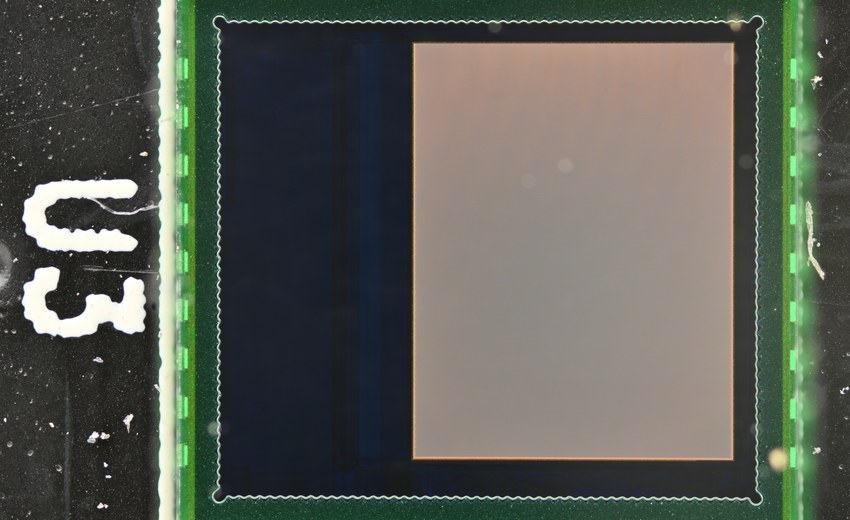
The first layer is optical. Lens quality affects field of view, low-light performance, recognition distance, and distortion control. A fixed 3.6 mm lens is not priced like a zoom lens, and a wide-angle lens that looks attractive on paper can still disappoint if the sensor, infrared plan, and image processing do not match. CMOS sensors, often based on silicon and other semiconductor materials, are common because they keep power use and product cost workable. They still depend on wafer capacity, yield, and chip matching.
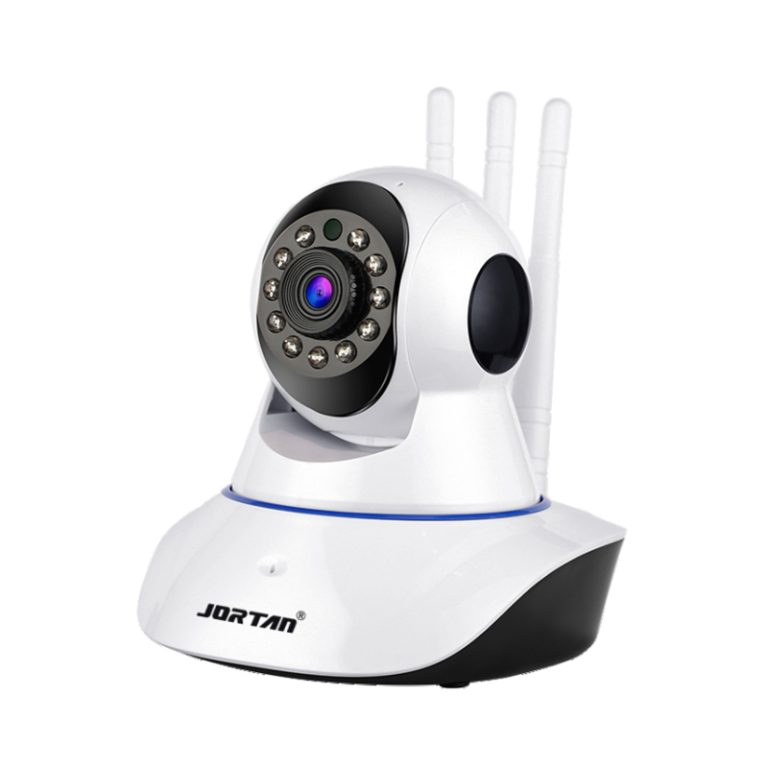
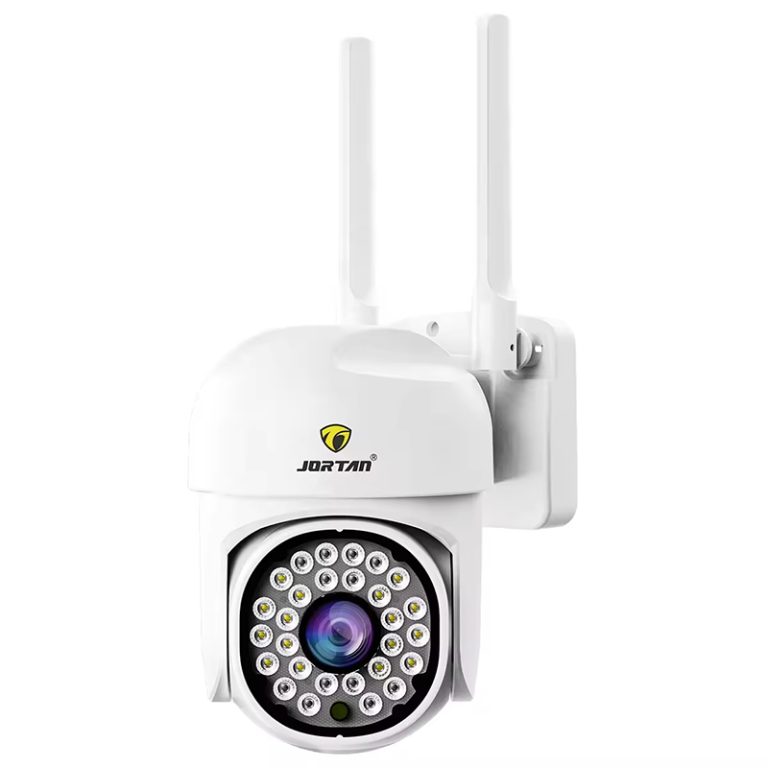
After the sensor come the controller, encoder, memory, microphone, speaker, Wi-Fi or 4G module, alarm interface, motor, power circuit, and firmware. H.264 and H.265 compression can reduce bandwidth and storage pressure, but the chip has to handle that work without heat problems, delay, or unstable app response. Camera manufacturing costs climb when a buyer asks for high resolution, color night vision, two-way audio, AI detection, auto tracking, and solar charging in one compact product. For project buyers comparing image quality with budget, Jortan’s IP camera range is a useful place to review wireless IP models by application rather than by megapixel alone.
Copper Prices Hit More Than Cables
Copper often enters the conversation as a cable issue, and that is fair. Long runs of Ethernet cable, power cable, PoE equipment, shielding, grounding materials, connectors, motor parts, and PCB traces all create exposure to raw material swings. Still, copper prices do more than change the cable drum sitting beside an installer. They change the full project comparison.
Where Copper Creates Price Pressure
A wired project may need Ethernet cable, power cable, PoE switches, junction boxes, grounding parts, and outdoor connectors. In elevators, factories, parking lots, and long-distance runs, cable quality matters even more. Poor shielding, weak flexibility, or the wrong impedance can lead to unstable images, return visits, extra labor, and warranty pressure. The cheapest line item can become the most expensive service problem.
Outdoor cameras bring another detail into view: tail cables and connection points. A barrel-style infrared camera may use rear interfaces through a tail cable and a housing rated for IP66 or IP67 protection. That protection costs money because sealing, heat control, UV exposure, rain, dust, and corrosion resistance all have to be handled together. Cutting connector quality may look attractive for one order and painful for years.
Wireless and solar designs can reduce part of the cabling bill, but they do not make the cost problem disappear. A wireless camera still needs stable power, antenna design, clean board layout, and housing that does not trap heat around the processor. Solar models add panels, lithium batteries, charging control, and low-power firmware. For farms, yards, and temporary sites, a JT-8293QJ solar camera may cost more as a device while reducing trenching, cable routing, and maintenance.
Silicon Shortage Pressure Shows Up in Image Quality
Chip allocation is easy to describe as a purchasing problem. In a camera, it becomes a performance problem. It touches the image sensor, SoC, DSP, Wi-Fi module, memory, power management IC, and sometimes the AI processing path. Buyers do not see those parts during installation, but they decide how the camera behaves at night, during motion, and under network load.
Where Silicon Decisions Affect Performance
The processing path starts with the image sensor and moves through the encoder. A cheaper SoC may meet a headline resolution while struggling with frame rate, wide dynamic range, alert accuracy, app response, or heat. When the silicon shortage forces a component change, the buyer should ask what changed and how it affects firmware, image quality, certification, warranty, and lead time.
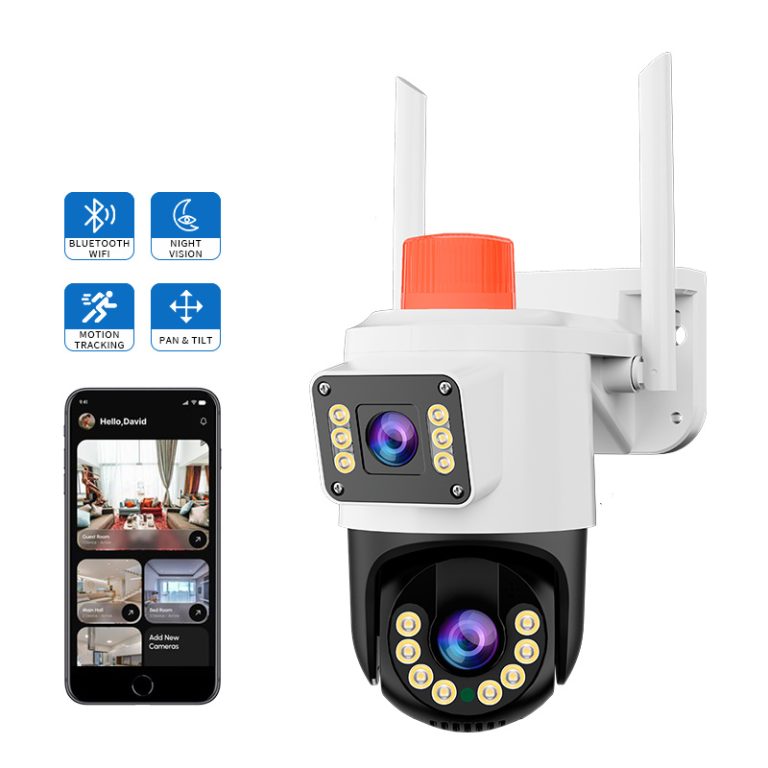
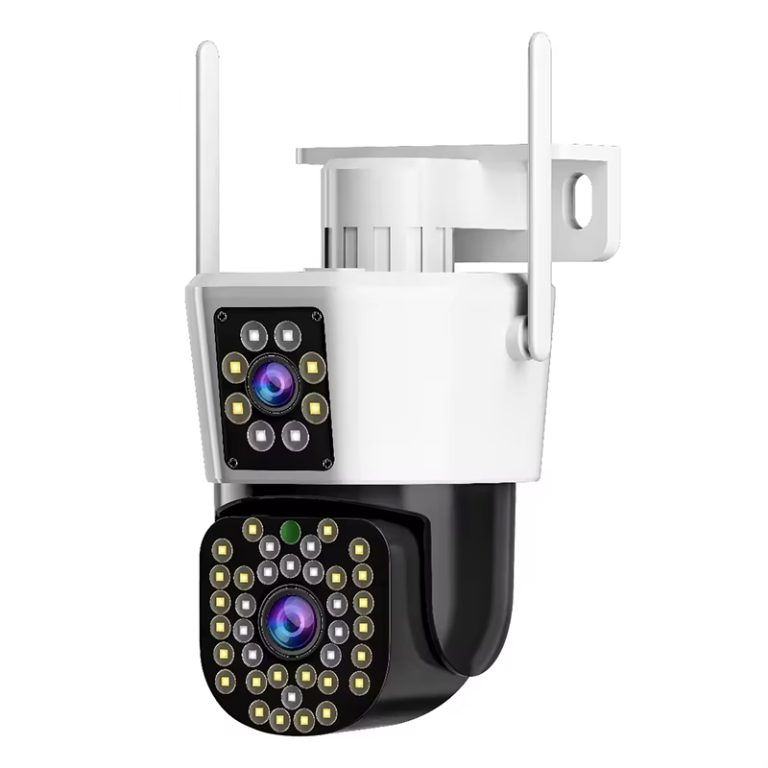
Sensor choice also changes cost in quieter ways. Some dual-light cameras pair a higher-pixel color sensor with a lower-pixel infrared sensor, which can be more cost-aware than forcing one premium sensor into every product. A well-matched lens, sensor, chip, and firmware package often beats a camera sold only by megapixels. Jortan’s JT-9687PRO wireless IP camera gives buyers a practical reference point for material, lens, app, power supply, resolution, and warranty checks.
The Electronics Supply Chain Rewards Early Specifications
The electronics supply chain rewards buyers who specify early. A vague request with fast lead time, private label packaging, several app options, and a last-minute price cut gives the factory little room to protect quality. A clear use case gives the supplier room to quote the real bill of materials and keep the approved sample from drifting during mass production.
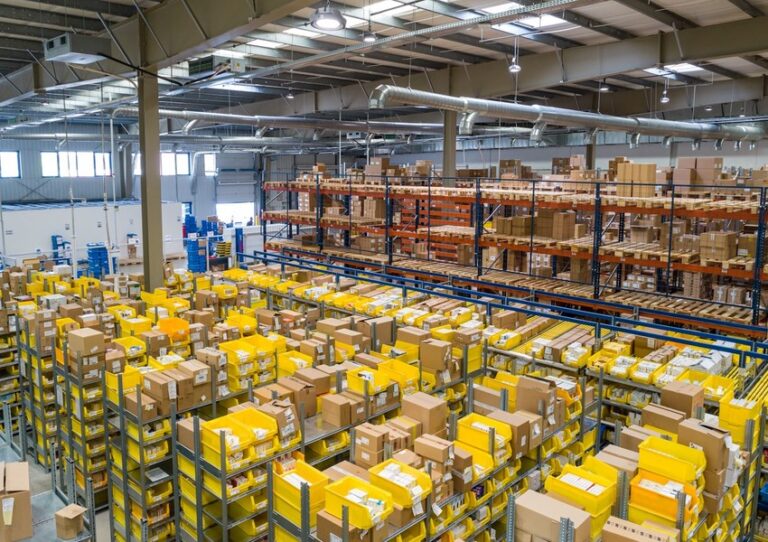
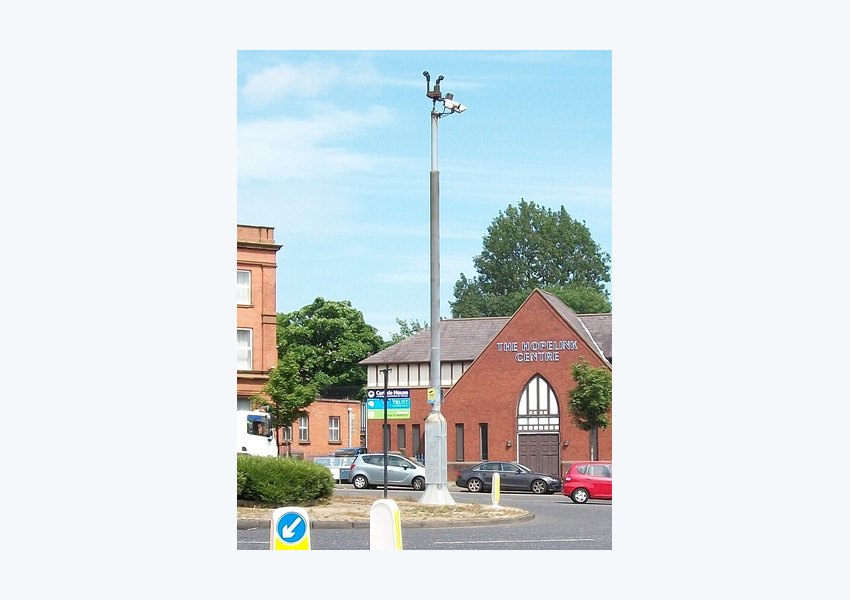
– Start with the scene. A retail shelf does not need the same camera as a farm gate, warehouse yard, chemical plant, or apartment corridor. Indoor projects may care about compact design and two-way audio. Outdoor projects need housing strength, waterproof treatment, night vision, and a power plan. Off-grid locations may justify solar and 4G. Factory gates and parking areas may need wider coverage, pan-and-tilt control, or AI alerts.
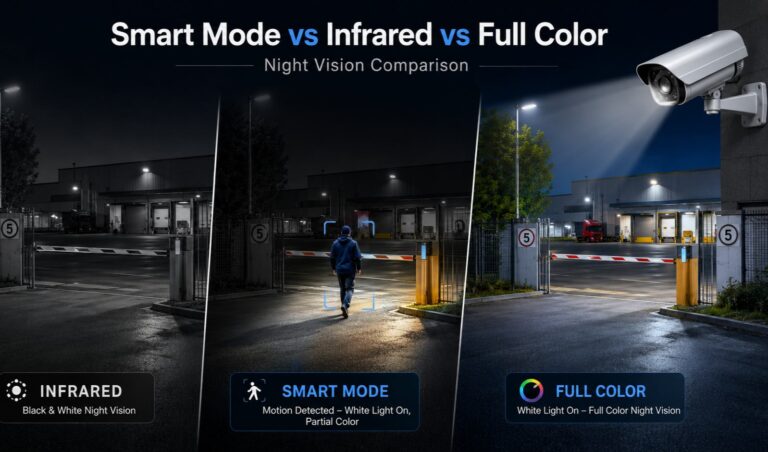
– Separate must-have features from nice-to-have features. Higher resolution, dual lenses, auto tracking, full-color night vision, 4G, solar charging, larger batteries, and stronger housings all have a place. They also change camera manufacturing costs. For OEM/ODM camera projects send the target market, installation environment, quantity range, app requirement, packaging style, and expected price before samples are made. That is where security camera cost becomes a sourcing process rather than a single number. Jortan’s products can be matched by scene, power plan, and channel needs, which helps buyers compare sample quotes against the long-term cost of rework, returns, and support.
Conclusion
The next camera may cost more, but the increase is rarely random. Copper, silicon, optics, firmware, and logistics move through the same product. Jortan, a security camera supplier with clear product pages, stable component control, and direct factory communication, can make pricing easier to explain. For repeat orders, samples, or private label discussions, contact kingjin@safejortan.com.cn before the configuration is locked.