A facility manager may not notice copper, silicon, or resin when reviewing a camera quote. The screen shows a model number, a lens, a resolution, and a delivery date. Then the new price lands, and the old budget no longer fits. That has become a familiar moment for distributors, installers, and project buyers. A security budget is now exposed to raw material costs long before the camera reaches a warehouse shelf. Metal, plastic, chips, packaging, batteries, freight, and factory scheduling all sit inside the final number. The question is not simply whether security camera costs are rising. The better question is how camera procurement teams can keep quality, lead time, and margin under control when supply chain costs move faster than annual planning cycles.
Camera Prices Move Because the Product Is More Complex Than It Looks
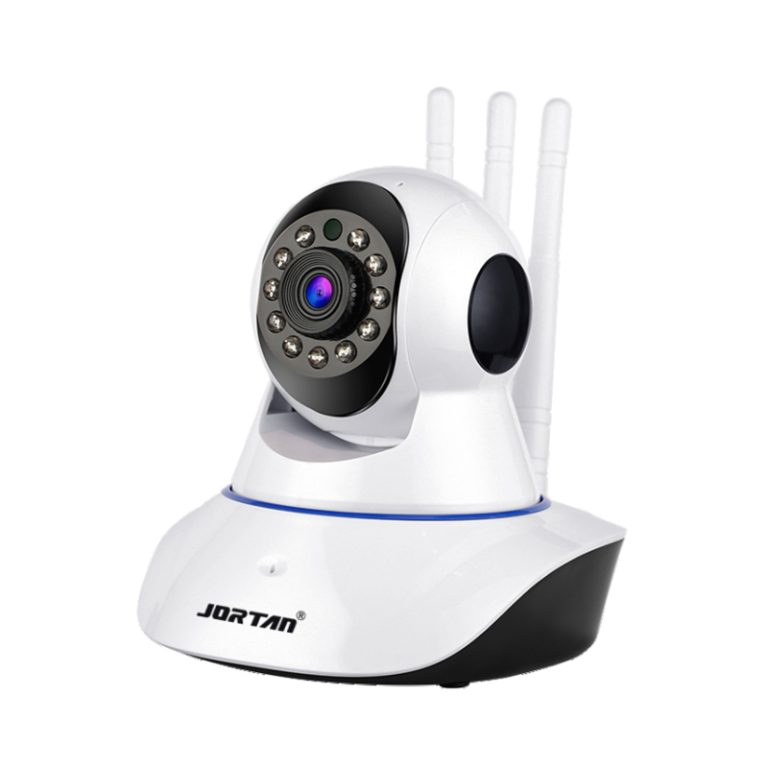
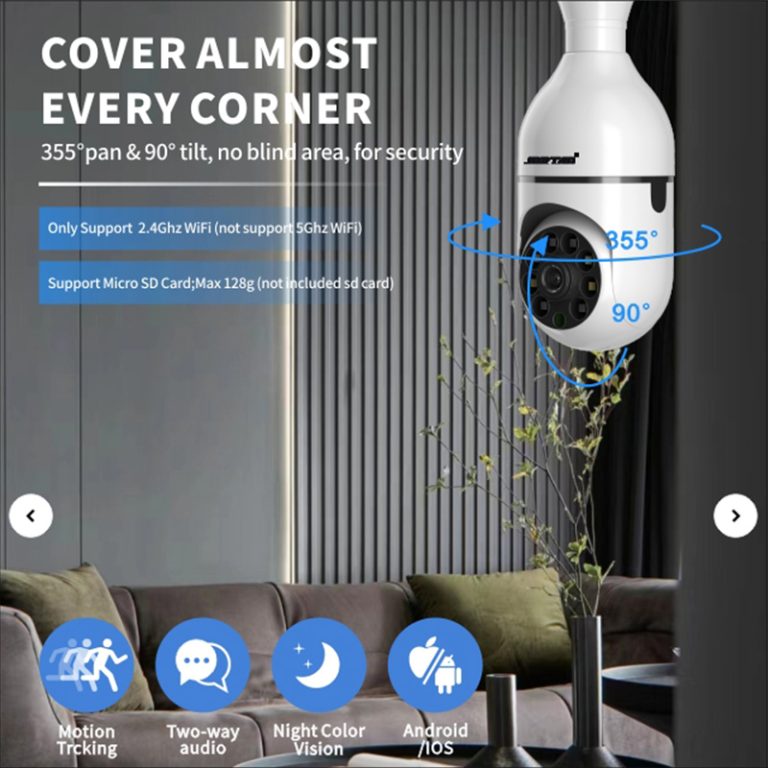
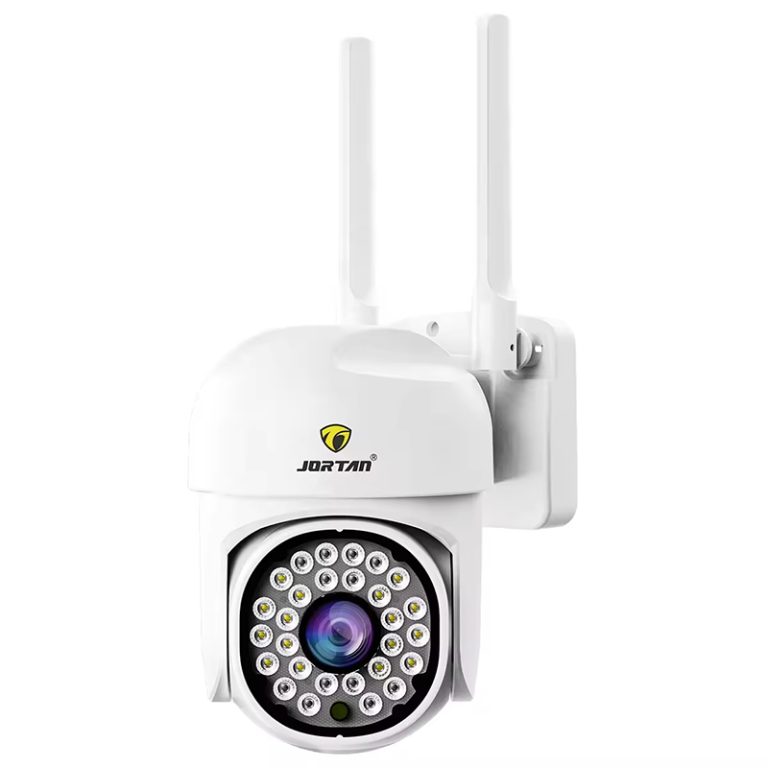
A modern security camera is not just a shell with a lens. It is a small imaging system, network terminal, power device, storage interface, and software product working together. Even a familiar outdoor Wi-Fi model may include an image sensor, SoC, memory, microphone, speaker, antenna, infrared LEDs, motor parts, housing, bracket, cable tail, app connection, and packaging. When raw material costs rise, each of those pieces can push against the quotation.
The Parts Inside the Price
The image path starts with the lens and sensor. Security cameras commonly use CCD or CMOS image sensors, and CMOS remains widely used because it keeps power use and cost workable. That cost benefit still depends on semiconductor supply. When a silicon shortage affects sensor or SoC availability, the buyer may see longer lead times, substituted chips, or a higher price for the same headline resolution.
Processing adds another layer. IP cameras use an image acquisition device and a supporting SoC chip for image processing and encoding. H.264 and H.265 compression reduce storage and bandwidth pressure, with H.265 often saving around half the storage space compared with H.264 at similar image quality. That matters for camera manufacturing costs because a weak processor can make a cheap camera feel expensive later: poor app response, heat, unstable alerts, or video that looks good only in the catalog.
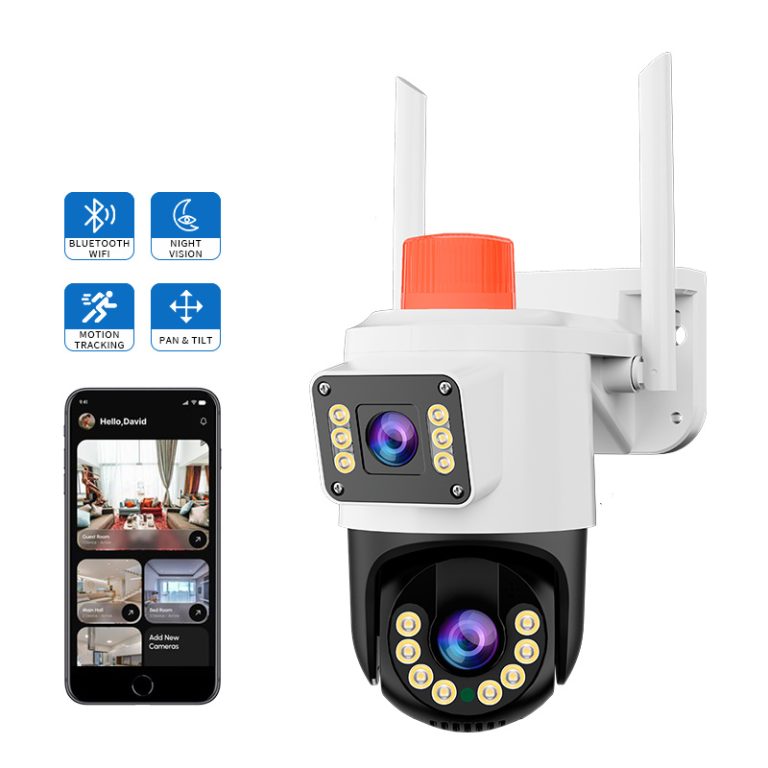
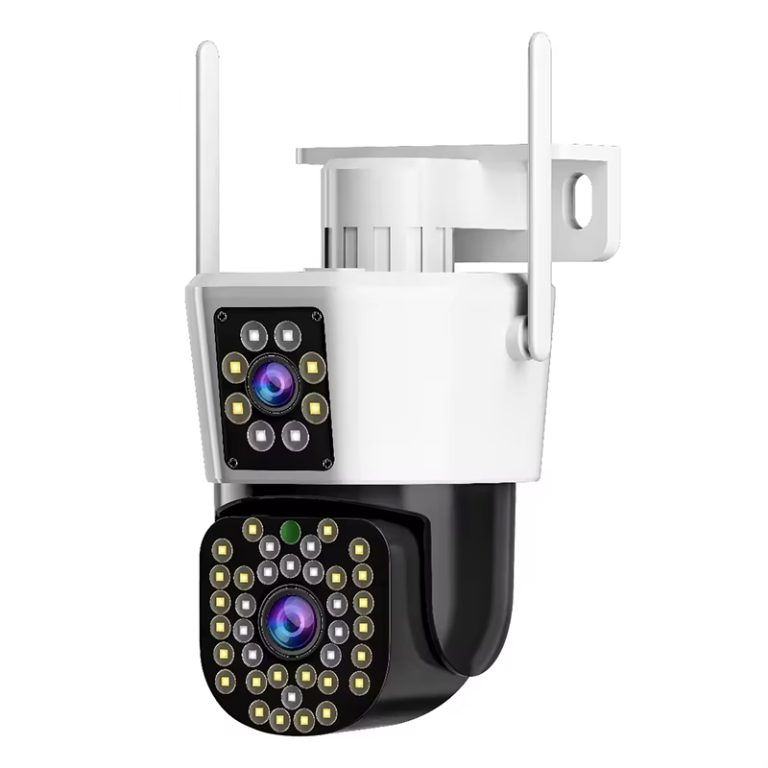
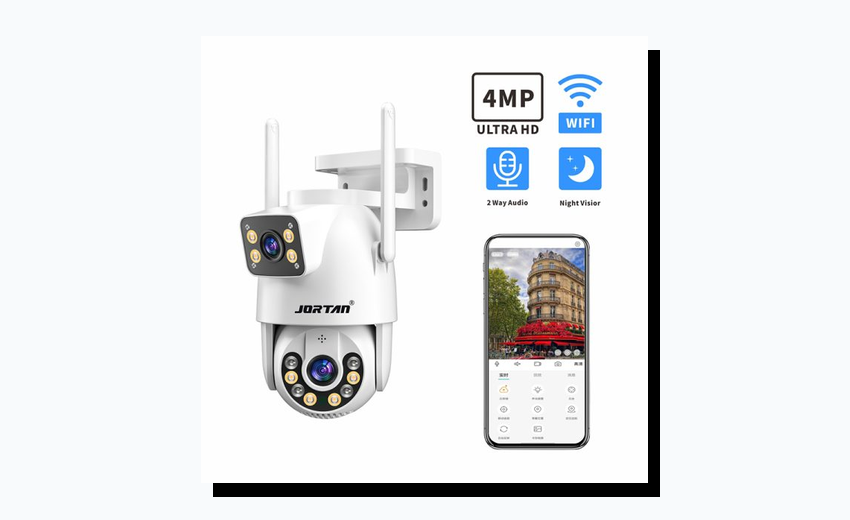
For buyers comparing feature bundles, the JT-9697QJ dual-lens wireless camera is a useful reference point. It lists CMOS sensing, H.265 video compression, 4MP pixels, IP66 weatherproofing, pan/tilt movement, two-way audio, and a DC 12V 2A power supply. Those details are not decoration. They are the cost structure.
Raw Material Costs Hit the Whole Project, Not Only the Camera Body
Camera procurement teams often track the unit price first, but the installed cost is wider. Copper prices affect cables, connectors, PoE runs, grounding parts, switch cabinets, PCB traces, and even the project decision between wired and wireless designs. Plastic and metal prices touch the housing, bracket, sealing parts, packaging, and shipping protection. Batteries and solar panels add another exposure for off-grid projects.
Copper, Plastic, Batteries, and Housings
A wired camera can be the right choice for stable, long-term sites, yet it may need Ethernet cable, power cable, PoE equipment, junction boxes, and labor. Cameras can use coaxial video line transmission, twisted pair transmission, power line transmission, optical fiber, Wi-Fi, and 4G transmission. Each route has its own cost pattern. A cheaper cable plan can become costly if shielding, flexibility, or outdoor protection is weak.
Outdoor models add another cost layer. Barrel cameras typically combine the infrared camera, lens, fill light, and camera body with rear tail-cable interfaces and IP66 or IP67 protection for outdoor environments. Strong waterproofing, dust resistance, heat management, and corrosion control are not free. When security camera costs are being cut too aggressively, those are often the first areas to suffer.
Wireless and solar designs can reduce part of the installation bill, especially where trenching or fixed broadband is difficult. They still carry their own material cost: battery cells, solar panels, charging control, antenna layout, and low-power firmware. For remote yards, farms, and temporary sites, reviewing Jortan’s solar camera options can help buyers compare device cost against avoided wiring work.

Better Specifications Can Protect the Budget Before Sampling Starts
A security budget usually breaks down when the first sample and the final order are not the same product in practice. A vague RFQ leaves the supplier guessing about lens distance, night vision, waterproof level, storage method, app requirements, packaging, power supply, and after-sales expectations. A clear specification gives the factory room to quote honestly and keep the approved configuration stable when supply chain costs shift.
A Cost-Control Checklist Before Sampling
Start with the site. A warehouse aisle, apartment corridor, retail checkout, farm gate, and construction entrance do not need the same device. Open areas may need pan/tilt/zoom, parking areas may need full-color night vision, and customer-facing environments may benefit from PoE because it reduces separate cabling and power work. This is where camera procurement should begin.
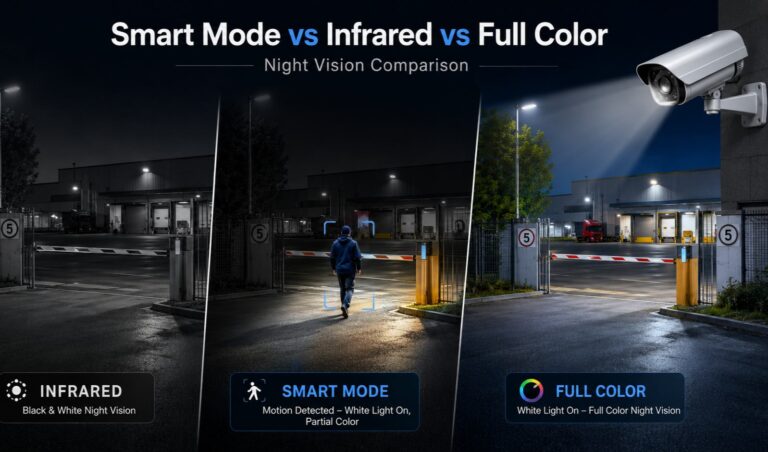
Then lock the must-have features. Resolution, lens angle, infrared distance, full-color night vision, 4G, Wi-Fi, two-way audio, cloud storage, memory card storage, NVR recording, AI alerts, and weatherproofing all sound useful. Not every project needs all of them. A 4MP dual-lens Wi-Fi camera makes sense in one setting; an 8906ZL3-8 wireless NVR kit may be a better budget decision where eight 1080p cameras and NVR storage are required together.
Ask the supplier to separate hard costs from optional features. For example: sensor and SoC choice, housing material, lens, waterproof rating, packaging, app change, logo printing, and warranty terms. Camera manufacturing costs become easier to manage when buyers see which parts are fixed by the environment and which parts are marketing preferences.
Supplier Control Matters More When Supply Chain Costs Keep Moving
A low quotation is not enough protection if the supplier cannot hold the approved sample through production. The safer question is practical: who controls the housing, injection molding, chip processing, assembly, testing, packaging, and shipment? A factory with more control over those steps can react faster when raw material costs change, because it is not only passing messages between unrelated vendors.
Jortan’s OEM/ODM camera production page gives buyers a direct view of why that matters. The production chain covers injection molding, chip processing, camera assembly, packaging, and transportation. It also supports logo customization, packaging box design, product appearance customization, mold opening, and app customization. For private-label buyers, that helps turn a broad security budget into a real configuration discussion.
Quality control is part of the cost conversation too. If a camera fails after installation, the replacement unit is only one part of the loss. The buyer also pays for technician time, customer complaints, delayed payment, and damaged channel trust. Jortan notes raw material testing, semi-finished product sampling, and finished product inspection across production. That approach is especially important when a supplier has to keep pricing stable while the electronics supply chain is changing.
This does not mean every buyer should pay for the highest specification. It means the budget should be protected by clearer choices. Keep the sensor and lens matched. Do not pay for resolution that the site cannot use. Do not cut waterproofing on outdoor projects. Do not change app or packaging requirements after samples. And when repeat orders matter, work with Jortan, who can discuss molds, injection, assembly, testing, and shipment in one conversation.
Conclusion
Rising raw material costs do not have to damage every security budget. Buyers can still control security camera costs by locking the application, separating required features from nice-to-have items, and choosing suppliers with real production control. For camera procurement, the safest price is usually the one backed by stable components, clear testing, and direct communication. For samples, OEM/ODM details, or repeat-order planning, contact kingjin@safejortan.com.cn before the specification is fixed.