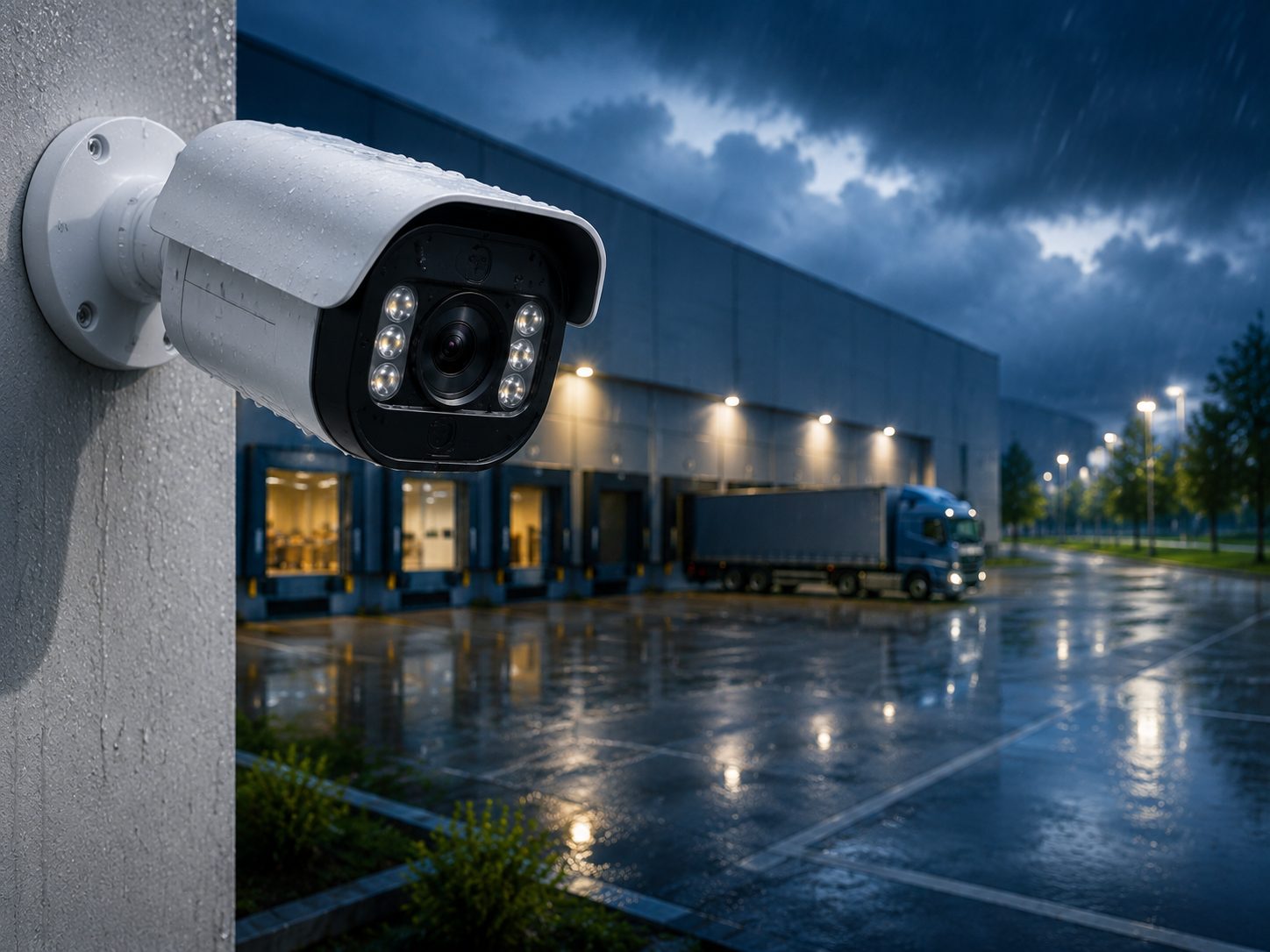
Requirements for outdoor cameras are no longer confined to being just protected against weather conditions. Commercial warehouses, farms, logistic yards, parking facilities, and business premises need a camera capable of providing enough clarity to detect individuals, vehicles, and activities from a reasonable distance away. This makes 4K an important topic to discuss; however, resolution is not everything when making a choice.
Why 4K Outdoor Cameras Need More Than High Resolution
A 4K image gives a larger pixel budget than 2MP or 4MP, which can preserve more detail when a wide scene is cropped later. That is valuable at a loading gate or a parking entrance where one camera must cover a broad approach. It does not automatically make a face readable. Lens choice, distance, lighting, compression, camera angle, and movement still decide the evidence quality.
The trade-off is practical. A 4K stream carries more data, so the switch, recorder, storage plan, and cloud subscription all need room for it. For a small indoor doorway, a lower resolution may reduce cost and recorder pressure.
Weatherproof Performance Should Match the Installation Site
IP rating and installation protection
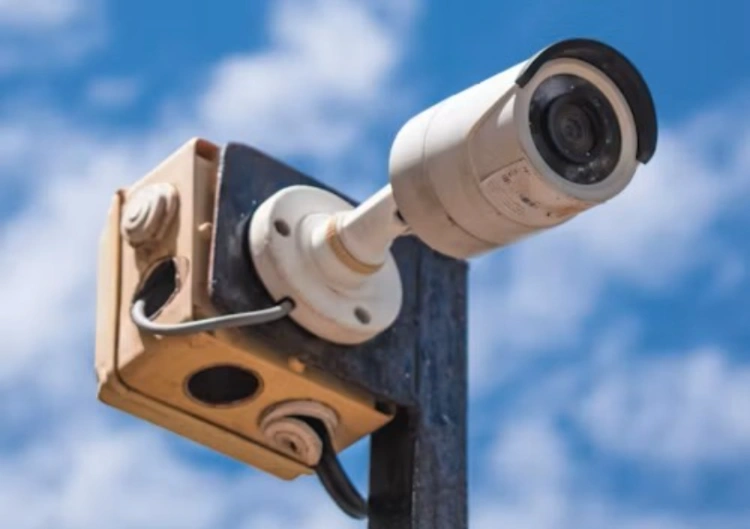
For an outdoor camera, IP66 is a useful baseline for dust and water-jet exposure. It is not a substitute for a sealed cable connection, a correctly fitted junction box, or a mounting position that does not send standing water toward the connector. Coastal air, farm dust, freezing temperatures, and direct sun can create stresses that an IP number alone does not describe.
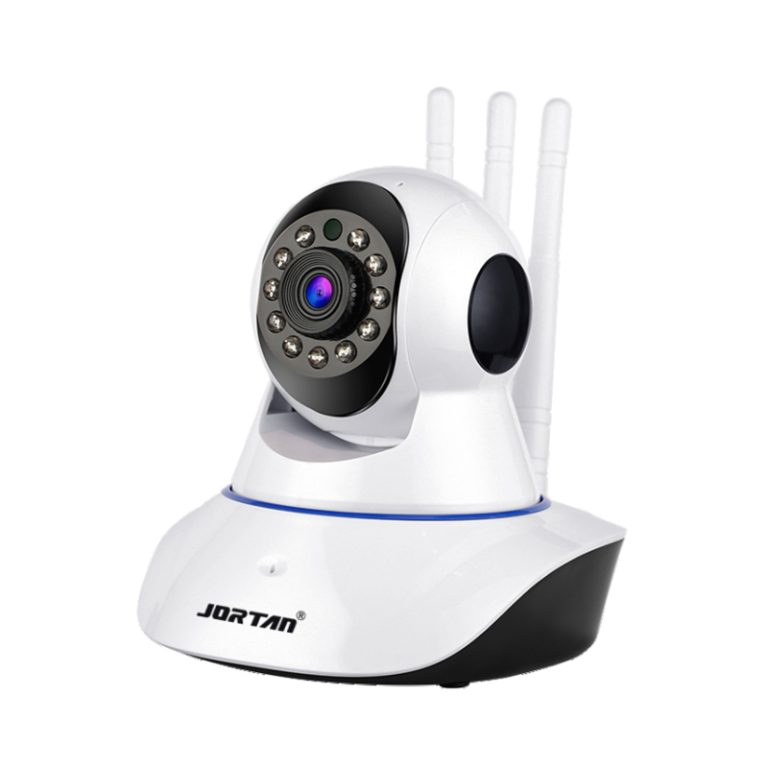
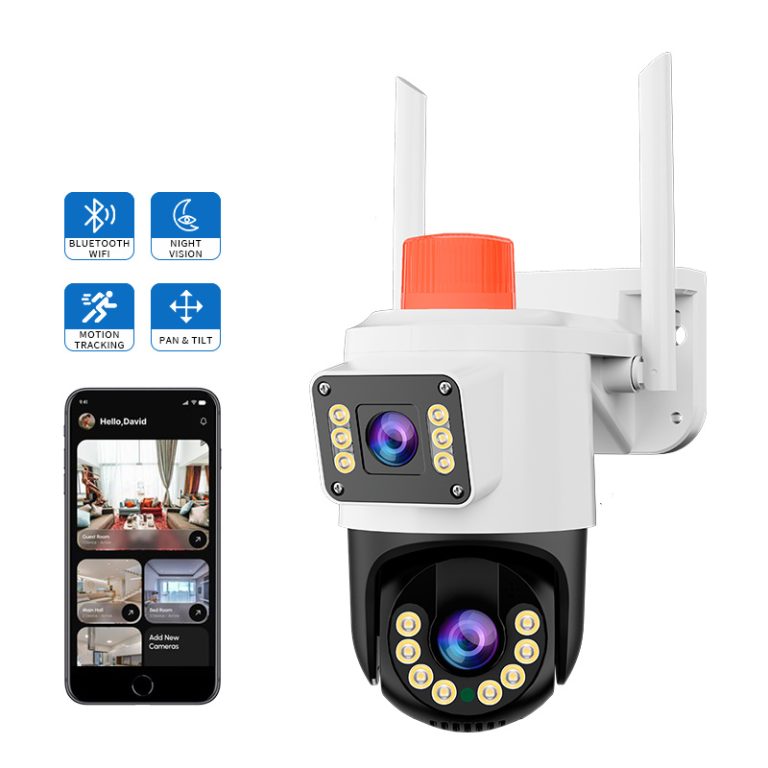
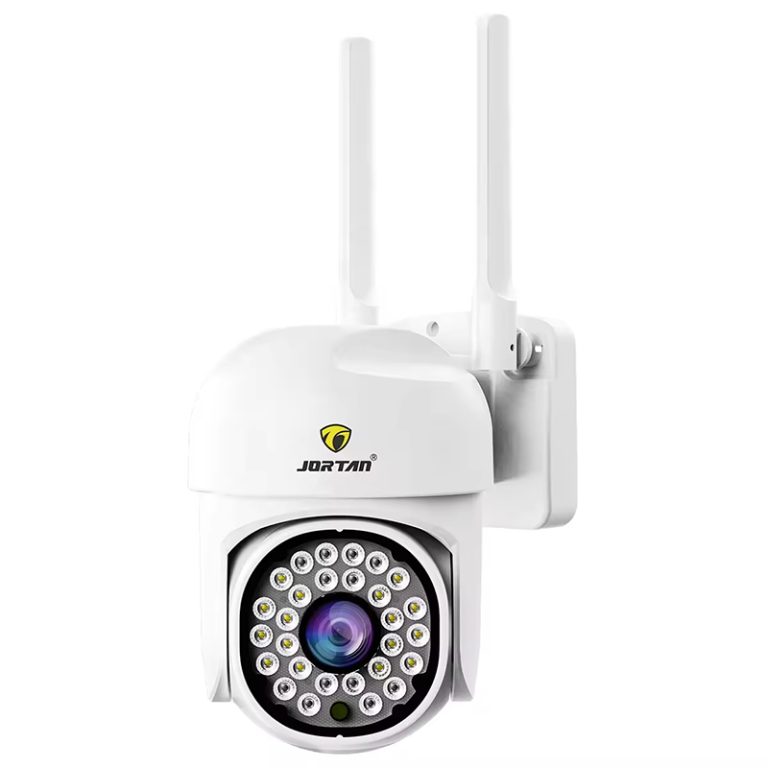
Jortan’s outdoor camera range can be evaluated around this kind of site brief. The useful procurement question is not simply whether a model is called weatherproof. Ask for the exact IP rating of the delivered housing, cable exit, power adapter, and any included accessory, then repeat a long-run test after the camera has been mounted in the intended orientation.
Mounting angle and night lighting
Even a high resolution camera that is pointed to a wet road may result in having headlights, reflection, and blown highlights. The lens should be kept away from wall bounce; the field of view must be checked with the camera at its proper mounting height; and, also, a moving person at the periphery of the field must be tested.
How 4K Changes Cloud and Local Storage Planning
Local NVR or DVR storage
Local recording gives the project owner direct control of retention and playback. The calculation starts with bitrate rather than the label 4K. For example, 16 cameras at an average 6 Mbps create about 96 Mbps of video traffic before overhead. A 100M recorder or switch may have little practical headroom once live view, audio, remote access, and playback are added. H.265 can reduce bitrate at similar image quality, but the camera, NVR/DVR, APP, and export player must all support the same path.
Storage days also need a real calculation. A higher frame rate, continuous recording, motion-heavy yard, or a second stream can use much more disk space than a quiet scene. Ask the supplier to run the intended configuration for at least 24 hours, record the average and peak bitrate, and convert that result into the required retention period. A short sample can expose a storage mismatch before a container of cameras arrives.
Cloud storage for business systems
Cloud storage can simplify remote access and provide a copy away from the recorder room. It may suit multi-site distributors, service companies, or businesses whose staff need event clips from several locations. The cost is recurring, and the project remains dependent on upload quality, account permissions, regional service availability, and the provider’s retention policy.
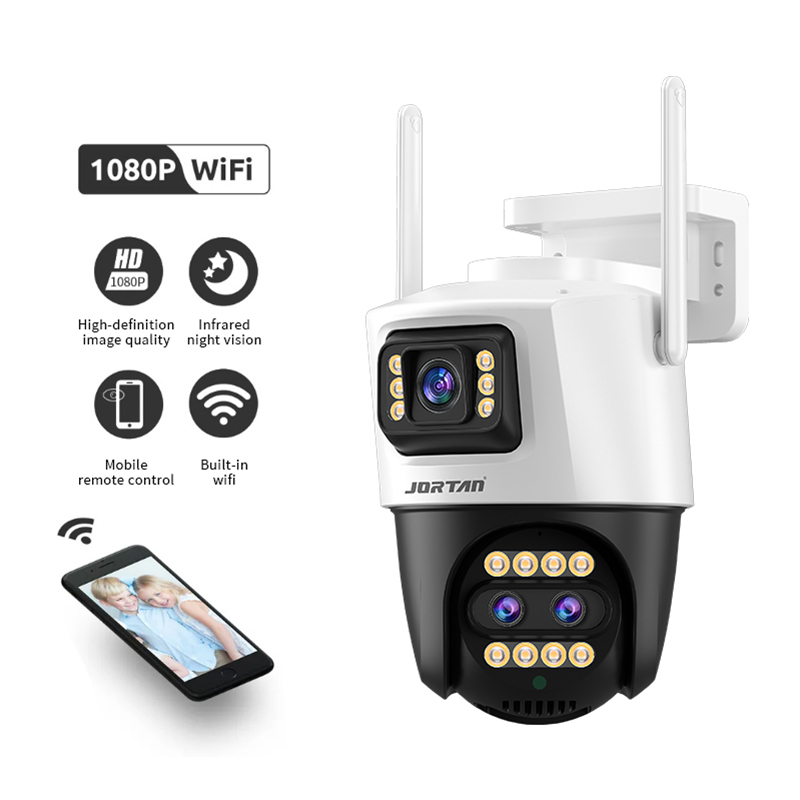
A cloud camera is not automatically easier to deploy. Confirm whether the camera sends continuous video or event clips, whether the subscription is tied to a device or account, and what happens when the plan expires. For local-first projects, a JT-9999PRO is a useful example to test against the selected recorder, while cloud compatibility should be confirmed separately rather than assumed from the codec name.
Hybrid storage for higher-risk sites
Many business projects use local recording for daily playback and cloud backup for selected events. This can limit subscription cost while protecting important clips if a recorder is stolen or damaged. It also creates more points to check: duplicate timestamps, upload delay, account ownership, mobile playback, and whether the camera or recorder controls the backup rule.
This storage path is easier to sell when the retention target is written down. A warehouse may need 30 days locally and cloud copies only for alarms, while a small parking operator may prefer event clips. Quote the camera, recorder capacity, upload plan, and service fee together.
Which 4K Outdoor Camera Setup Fits Different Projects
For a logistics yard or farm entrance, prioritize a weatherproof housing, useful night distance, stable long-range networking, and enough local storage for gaps in the internet connection. A 4K fixed camera is sensible where the scene is wide and the target path is predictable. Solar power may help remote sites, but battery capacity, winter sunlight, and maintenance access need to be included in the calculation.
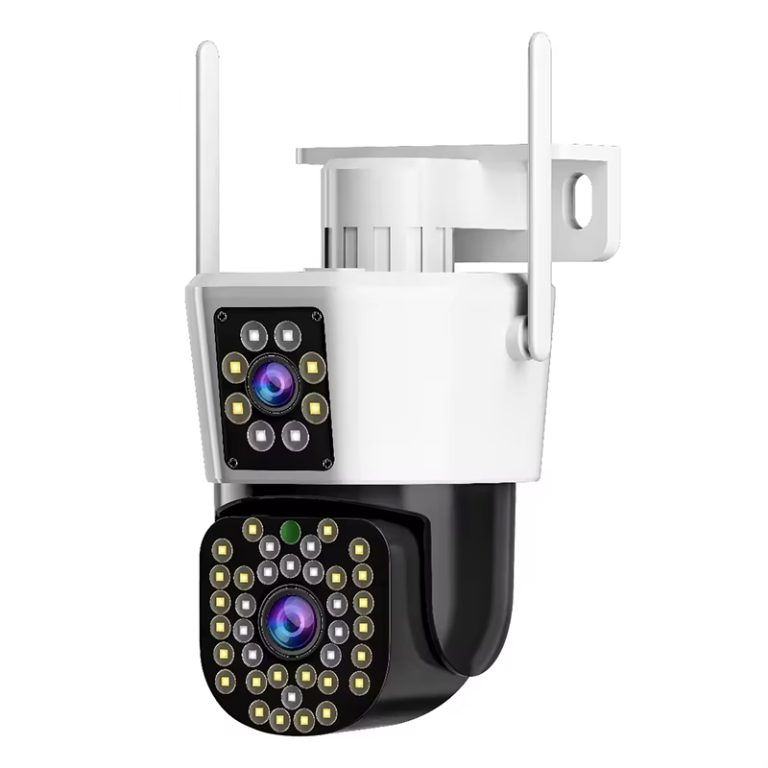
For retail loading areas and commercial parking, color detail and event review often matter more than maximum frame rate. A model such as JT-9687PRO can serve as a product example when the buyer compares dual-light behavior, IP66 protection, APP playback, and local or cloud recording. The final decision should follow the verified delivered configuration, not a model name alone.
For multi-site customers, the best line may combine fixed outdoor cameras, a higher-detail option for gates, and a recorder package with a defined retention plan. Keeping the same APP, replacement process, and packaging logic across the line can matter more to a distributor than putting 4K on every SKU.
What Buyers Should Test Before a 4K Outdoor Camera Order
Before approving a bulk order, test a sample at the planned height and angle. Check daytime detail, rain or mist, night movement, headlight glare, remote playback, exported files, audio if required, and the time shown on local and cloud clips. Measure actual bitrate and storage use rather than copying a nominal value into the purchase order.
Check the complete chain: camera, power supply, switch, NVR/DVR, APP, cloud account, and monitor. A camera may deliver a high-resolution stream while the recorder displays a lower stream or the APP limits playback quality. Confirm firmware version, default settings, language, reset method, replacement units, spare brackets, and whether the approved sample can be reproduced in the next batch.
Jortan’s OEM/ODM camera service is relevant when a brand needs a fixed 4K configuration, private-label packaging, APP defaults, or a mixed line for different markets. Put resolution, codec, frame rate, bitrate range, IP rating, storage mode, accessories, MOQ, sample approval, lead time, warranty, and after-sales parts into the same specification. For project-specific confirmation, contact Jortan with the site conditions and retention target.
How to Build a More Practical Outdoor Product Line
A balanced line starts with the project rather than the highest number on the carton. Keep one cost-conscious outdoor model, one higher-detail option for gates and wide yards, and recorder or cloud packages that match each budget. This gives distributors a clearer answer when one site needs 4K and another does not.
The final product brief should connect image quality to weather, installation, network, storage, and service. A 4K outdoor camera is a strong fit when detail at distance has a clear business value. It is a poor fit when the lens, bandwidth, storage days, or maintenance plan cannot support that detail in daily operation.
FAQ
Q1: Is 4K always necessary for an outdoor security project?
A1: No. Use 4K when a wide scene or distant target must retain more detail. For a small doorway or short-range indoor view, a lower resolution may reduce bandwidth and storage without weakening the result.
Q2: Is cloud storage better than a local NVR or DVR?
A2: Neither is universally better. Local storage suits controlled retention and weak internet sites; cloud storage helps multi-site access and off-site backup. A hybrid plan often works for higher-risk business locations, provided the upload, account, and subscription rules are tested.
Q3: What should be confirmed before ordering a Jortan 4K outdoor configuration?
A3: Confirm the delivered resolution, lens, frame rate, bitrate, H.265 compatibility, IP rating, night mode, APP playback, recorder or cloud support, accessories, MOQ, sample approval, warranty, and replacement process. Do not treat a 4K label as confirmation of every connected-system requirement.
Q4: How can buyers prevent cloud and local storage costs from getting out of control?
A4: Set the required retention days first, measure average and peak bitrate on the sample, decide between continuous and event recording, and quote disk, upload, subscription, and replacement costs together. That makes the storage choice visible before the project is installed.