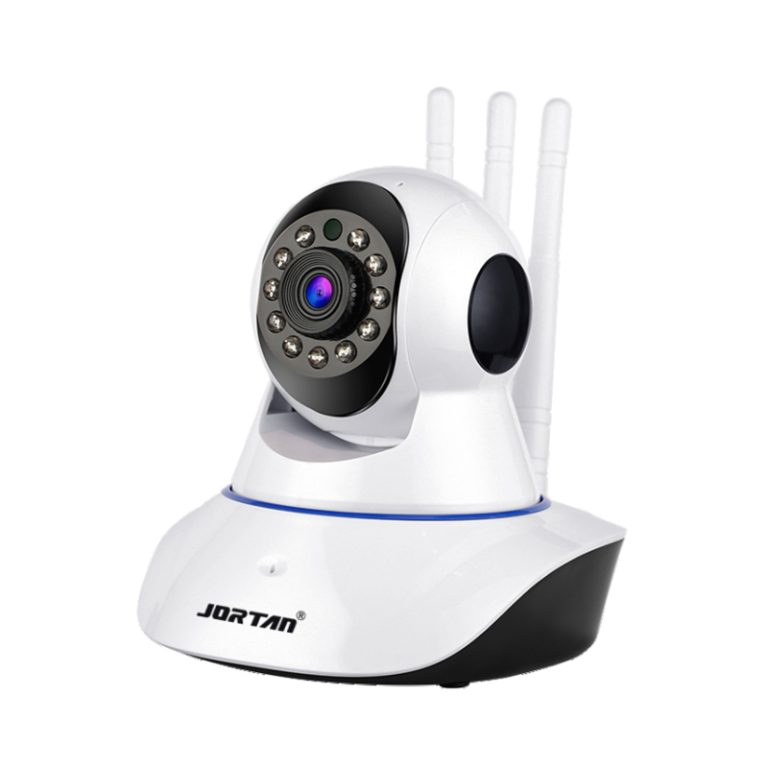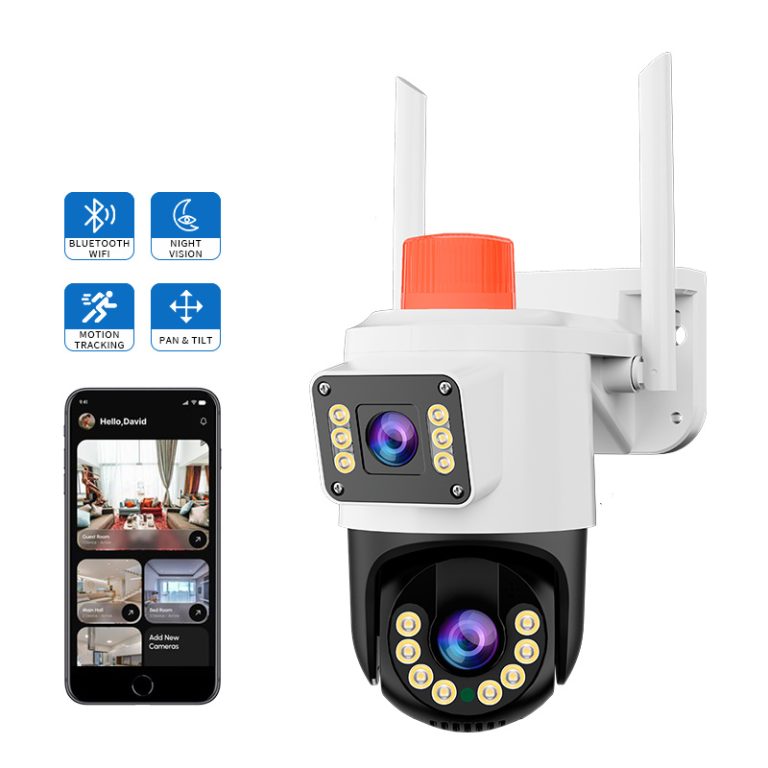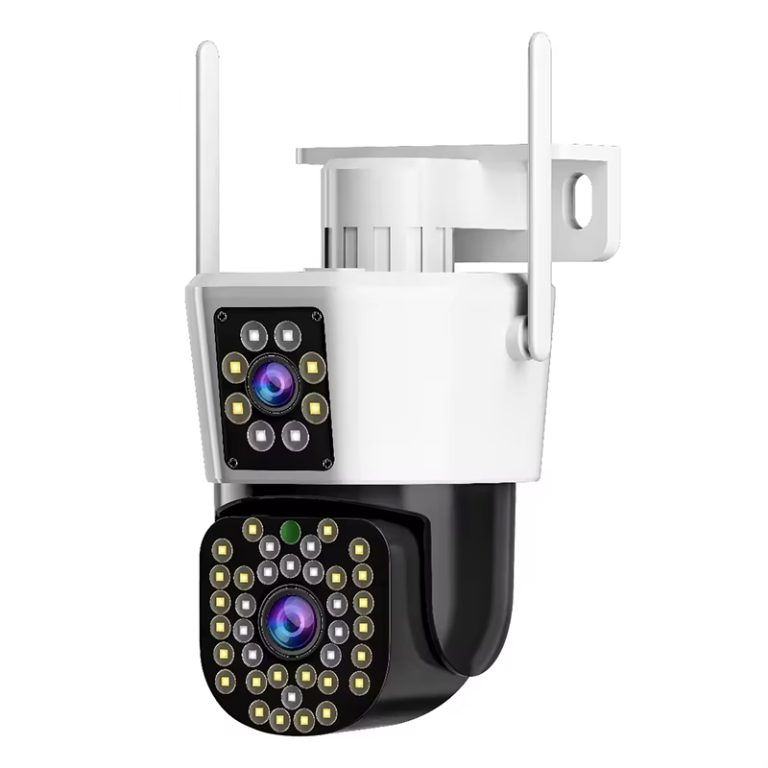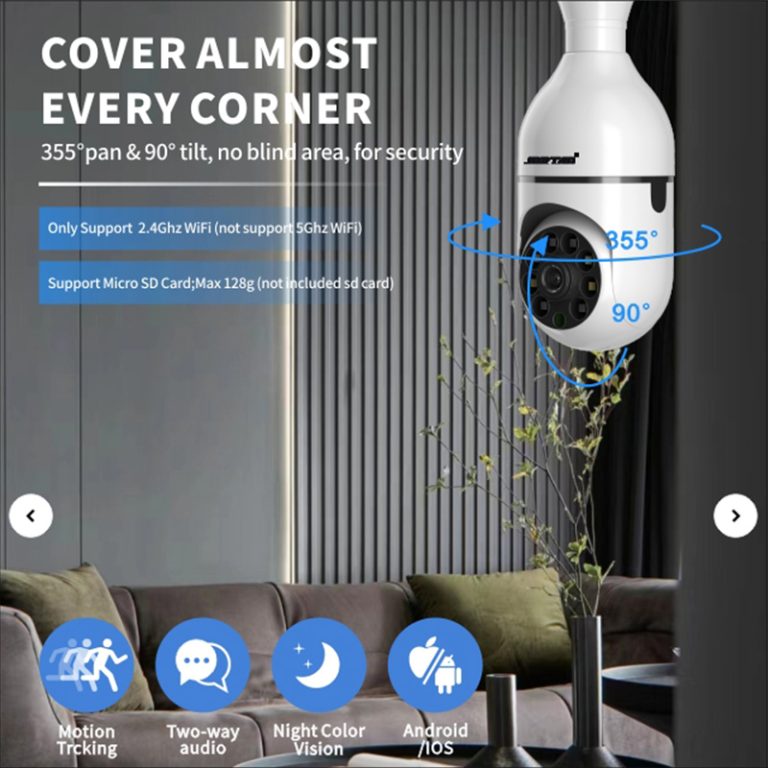
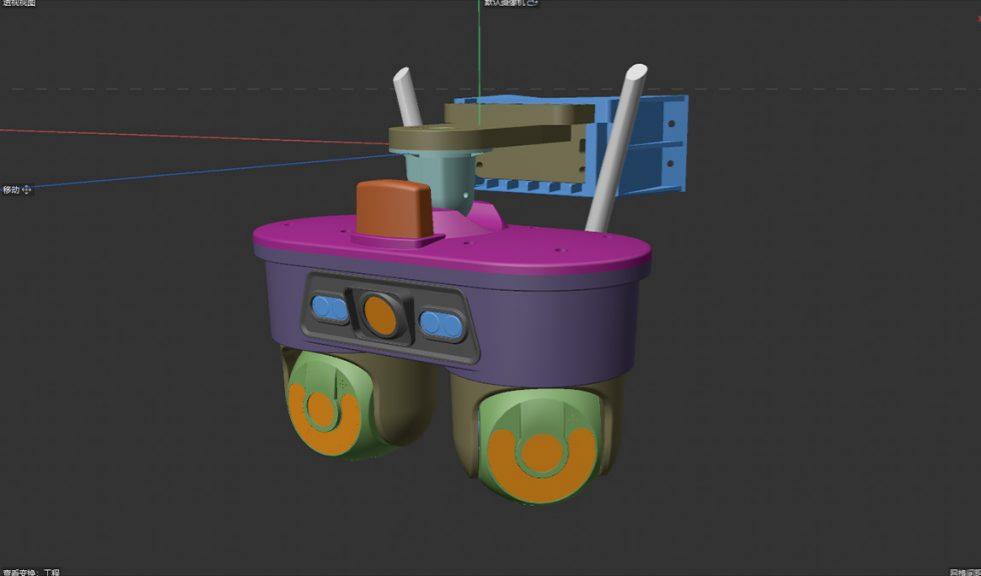
For a security camera brand, a private mold is more than a different shell. It can shape how the product sits on a wall, where the lens and light board are placed, how the housing handles weather, and whether the product line looks like one brand instead of a set of catalog items.
Why Private Mold Matters in Security Camera ODM
A standard OEM camera is usually built around an existing platform. The buyer may change the logo, label, carton, color, or selected settings while keeping the main structure. Private mold ODM starts from a different commercial need: the brand wants an exterior and product identity that are not shared with every other distributor using the same platform.
Private mold does not automatically mean better performance. A stylish cover can still create a poor lens angle, blocked light, difficult servicing, or a weak cable seal. The useful question is whether appearance, structure, electronics, and production method have been designed together.
What Private Mold Development Changes in the Product
Exterior Design and Brand Recognition
The visible decisions include the camera outline, surface finish, color, logo position, light window, bracket connection, and the way the lens appears from the front. For a brand building a product family, these details should repeat in a controlled way. Indoor models may use a compact body, while outdoor or PTZ units need more room for seals, motors, heat paths, and service access.
Structure, Protection, and Installation
A private housing controls the relationship between the shell, lens, infrared or white-light board, PCB, microphone, speaker, and mounting hardware. Wall thickness, ribs, screw posts, gasket channels, and cable exits affect assembly and field reliability. If the structure is changed without checking these points, the result can be warping, loose parts, water ingress, or difficult repairs.
For outdoor products, IP66 protection needs to be considered during the mold review. The joint line, connector position, and waterproof kit must work with the installation angle, not just with a laboratory description. A camera may pass a housing check while the cable entry remains exposed to wind-driven rain. That kind of weakness usually appears after installation, when replacement costs are already high.
Internal Layout and Production Consistency
The shell has to leave enough room for the sensor, lens, light board, heat dissipation, and cable routing. A smaller or more curved body may look attractive but reduce the lens options or push the LEDs too close to the cover, creating reflections at night. ODM review should therefore include an internal layout drawing, not only a front and side rendering.
Production consistency is equally important. Injection-molded parts need controlled dimensions, suitable wall thickness, correct draft angles, and a stable material and color specification. Small changes in a screw post or snap fit can slow assembly across thousands of units. The buyer should approve a sealed appearance and structure sample before the first bulk run.
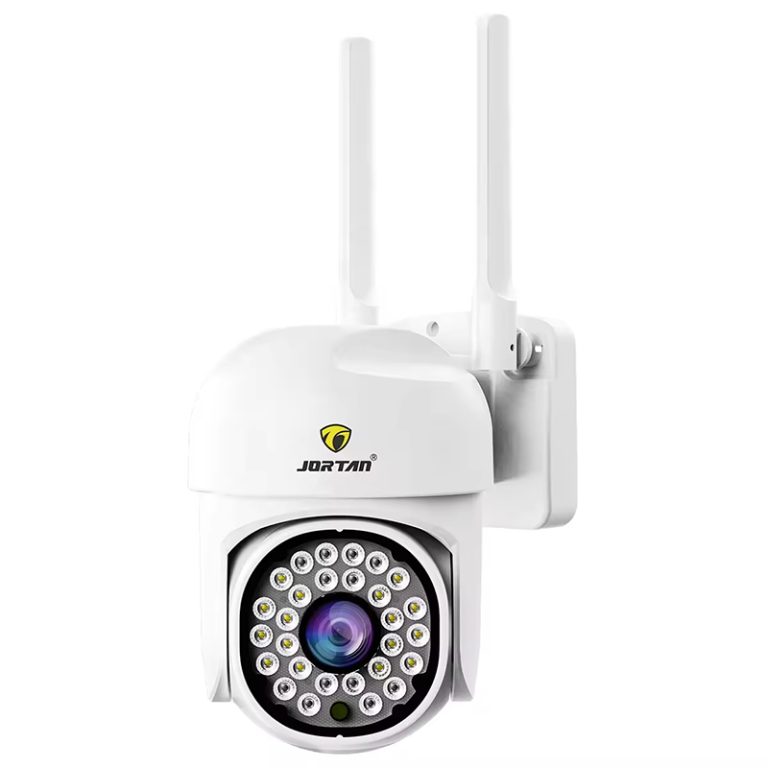
A practical reference is the JT-8293QJ camera, which combines a PTZ structure with full-color and infrared night vision. Its layout gives a brand a useful starting point for discussing how lens position, light openings, rotation clearance, and housing proportions must fit together before a private exterior is developed.
How Manufacturers Move From Design to Private Mold Production
Design Review Before Tooling
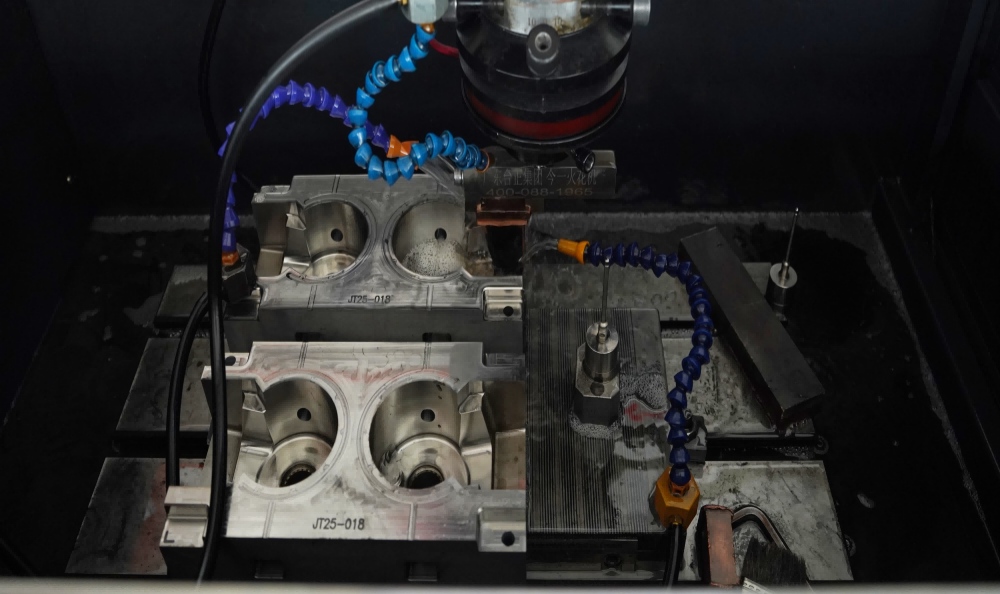
Before opening a mold, confirm the product position, expected quantity, target markets, mounting method, materials, surface finish, and service plan. The 2D and 3D drawings should show wall thickness, draft angle, parting line, screw posts, gasket area, logo treatment, and assembly direction. A design review at this stage is cheaper than changing a mold after steel work has started.
Mold Making and Injection Molding
The path includes mold design, steelwork, trial molding, sample adjustment, appearance approval, and production release. Injection molding brings its own checks: material flow, shrinkage, warping, sink marks, flash, texture, color consistency, and parting-line quality. They affect whether the shell assembles cleanly and whether the product looks consistent in a dealer’s display.
A useful trial sample should be checked as a complete camera. Install the lens, board, LEDs, gasket, bracket, and cable kit. Run the unit, inspect night reflections, rotate the PTZ if applicable, and check the cover after repeated assembly. This catches problems that a loose plastic part cannot reveal.
When private mold, injection molding, and product configuration are handled within one development chain, the brand can resolve design-to-production issues earlier. Jortan’s OEM/ODM support is relevant to this type of project because the discussion can cover private appearance development alongside production, packaging, and product configuration rather than treating the shell as an isolated purchase.
Approval Before Mass Production
Mass production should begin only after the buyer signs off on the appearance, dimensions, assembly, lens view, light-board position, heat behavior, IP-related parts, and packaging. Keep the approved sample, drawing revision, material code, color reference, and firmware version together. If one of these changes is made, the revision needs to be visible in the next approval record.
Tooling terms also need plain language. Confirm who owns the mold, where it is stored, who pays for maintenance, how many revisions are included, and what happens if the model is paused. Clarify whether the mold can support a second housing size or a related model. These points influence MOQ, delivery planning, and the cost of keeping a private product line active.
How Jortan’s Manufacturing Capabilities Fit ODM Projects
A brand choosing a private mold partner needs more than a drawing service. It needs a supplier that can connect mold development, injection molding, assembly, product configuration, packaging, sampling, and after-sales communication. Otherwise, a change made to the shell may not be reflected in the lens, lighting, APP, carton, or spare-parts plan.
Jortan can be evaluated for its own mold development, injection molding, and private exterior work, with existing camera capabilities used as a functional base for the project. For example, an outdoor configuration may combine IP66 protection, infrared night vision, white-light warning, or full-color night vision. The exact combination still needs to be defined by the brand brief and verified on samples.
The value of a complete chain is practical: fewer handoffs, clearer responsibility for revisions, and a better chance that the approved sample matches the production unit. It also gives a brand a way to extend one private design into several models while keeping the appearance, mounting logic, and service parts recognizable.
Building a Differentiated Security Camera Product Line
One private mold does not need to become an isolated SKU. A rollout can begin with the main housing for the strongest market segment, then add a related indoor version, outdoor version, PTZ option, or 4G model where the internal platform and service parts make sense. Shared components can control inventory, while the private exterior keeps the range visually distinct.
Confirm MOQ, sample quantity, tooling cost, lead time, spare parts, packaging language, warranty handling, and software support before production. For a project-specific request, contact Jortan with the target market, estimated volume, preferred camera type, and required exterior changes. A precise brief makes the ODM quotation easier to compare and reduces late-stage redesign.
FAQ
Q1: What is the difference between a private mold camera and a standard OEM camera?
A1: Standard OEM usually keeps an existing housing and platform while changing branding or packaging. A private mold project creates a controlled exterior and may change the structure, installation method, internal layout, or product family identity. The exact scope should be written before tooling begins.
Q2: What should be confirmed before opening a security camera mold?
A2: Confirm the target market, forecast quantity, material, wall thickness, draft angle, lens and light-board position, IP-related sealing, mounting method, surface finish, logo process, sample schedule, mold ownership, and change fees. Skipping these points can make later revisions expensive.
Q3: Can Jortan support mold development and injection molding for ODM cameras?
A3: Jortan can be evaluated for private mold development, injection molding, exterior customization, camera configuration, packaging, and after-sales coordination. The buyer should still approve the drawings, trial samples, test thresholds, and production version before placing the bulk order.
Q4: How can a brand control MOQ and delivery risk in a private mold project?
A4: Start with a focused model, separate tooling and production costs, agree on a pilot quantity, and confirm whether the same mold can support related versions. Keep one approved sample and a written revision record for later production checks.