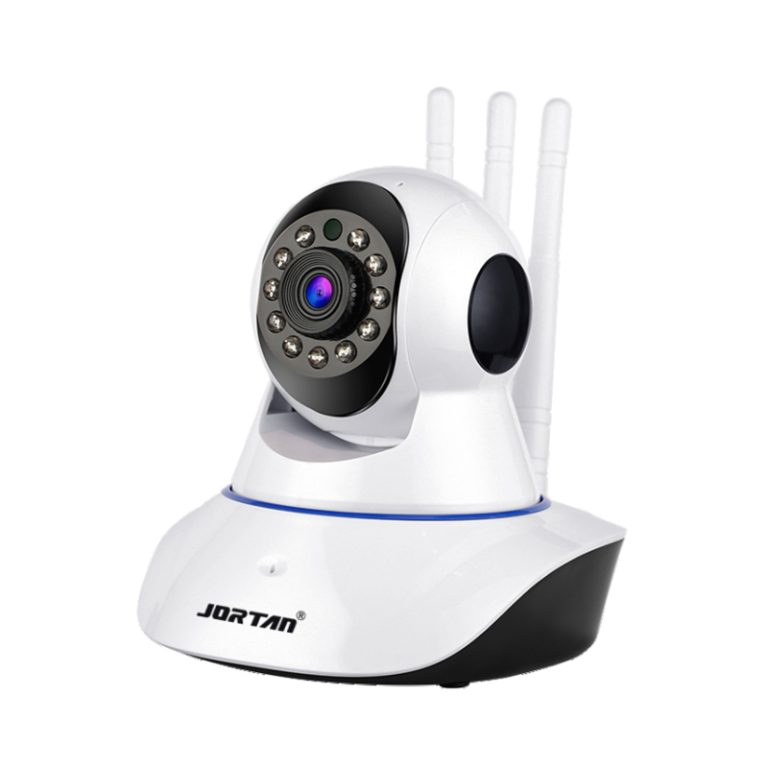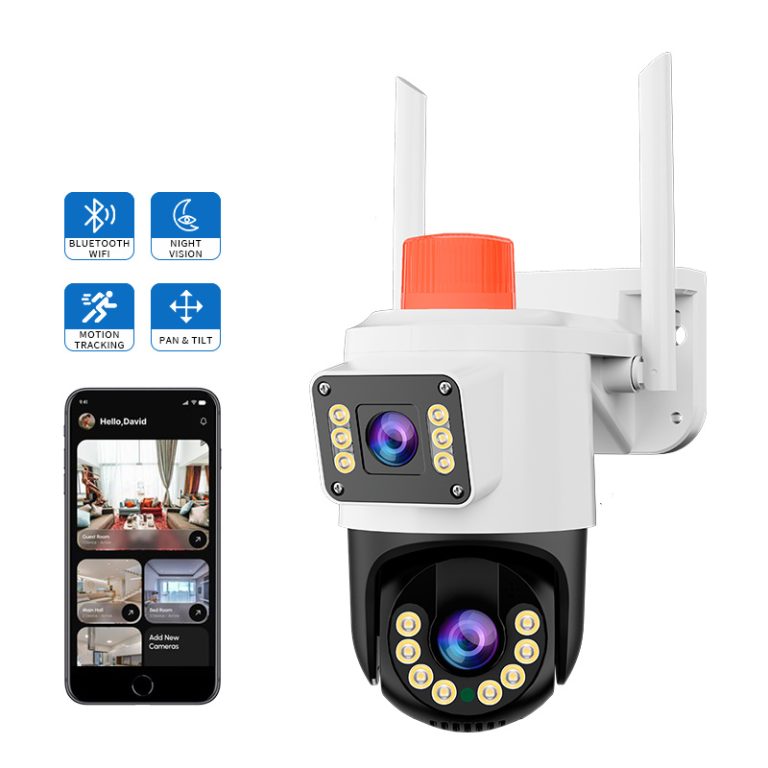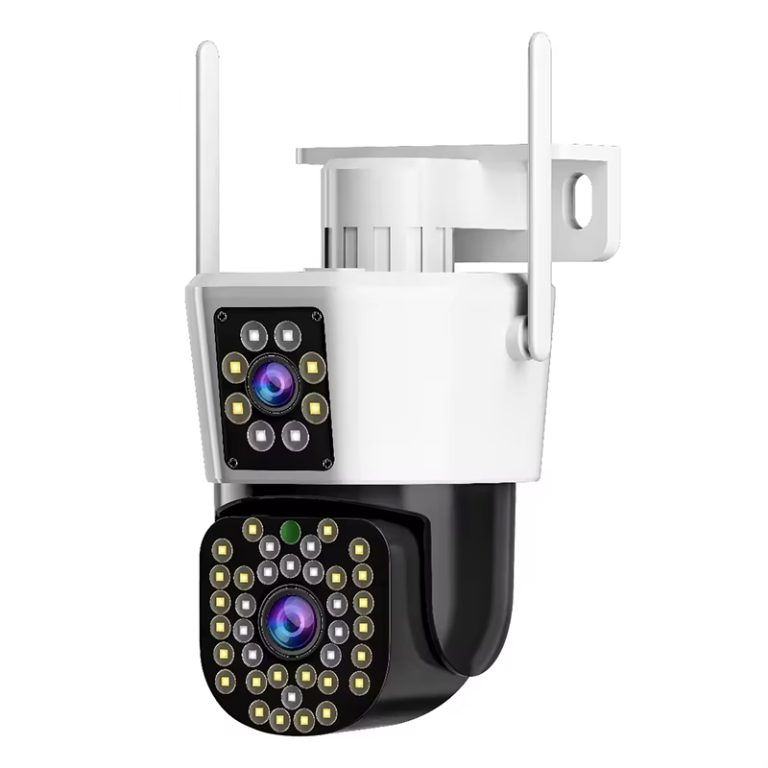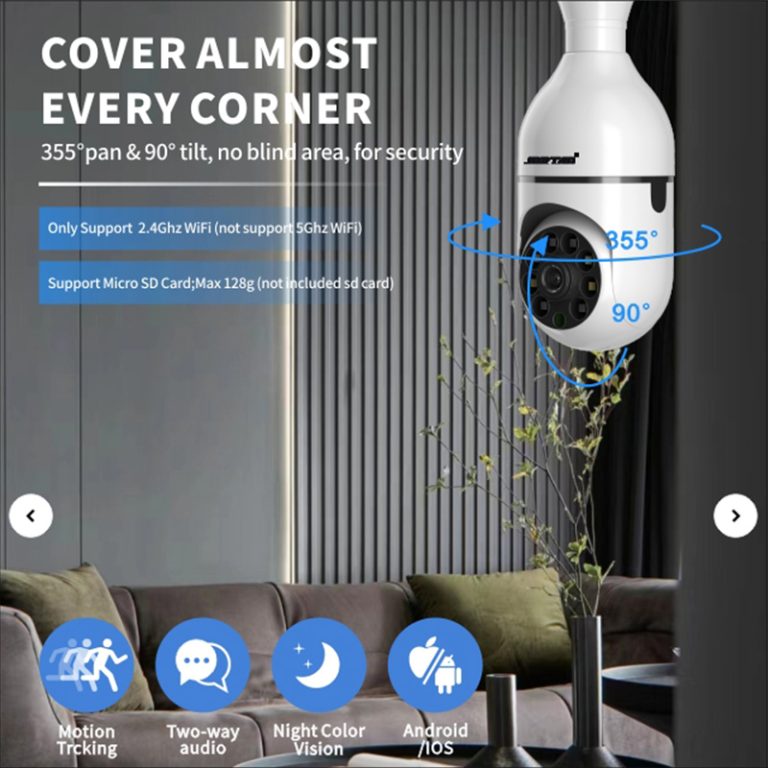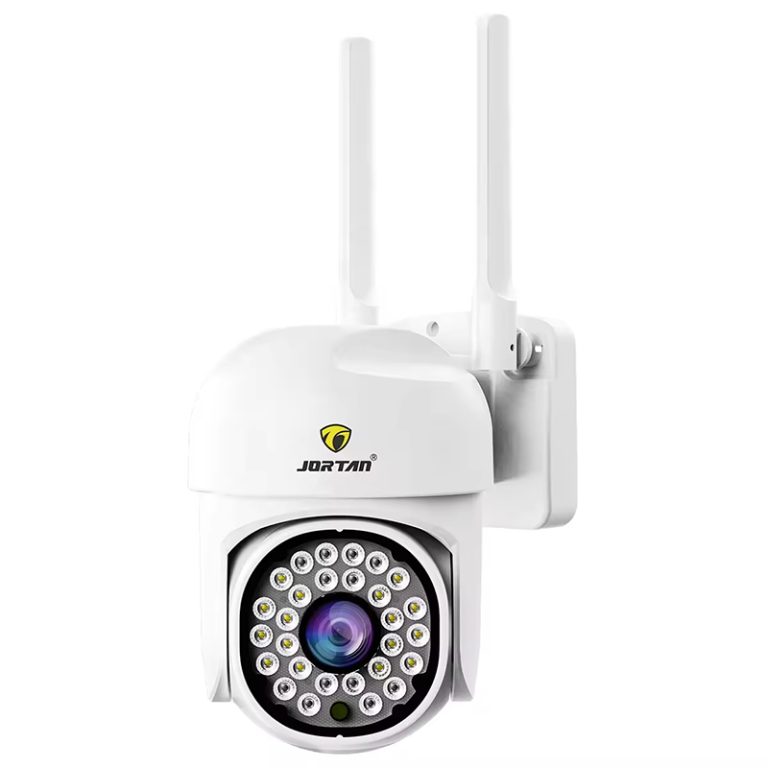
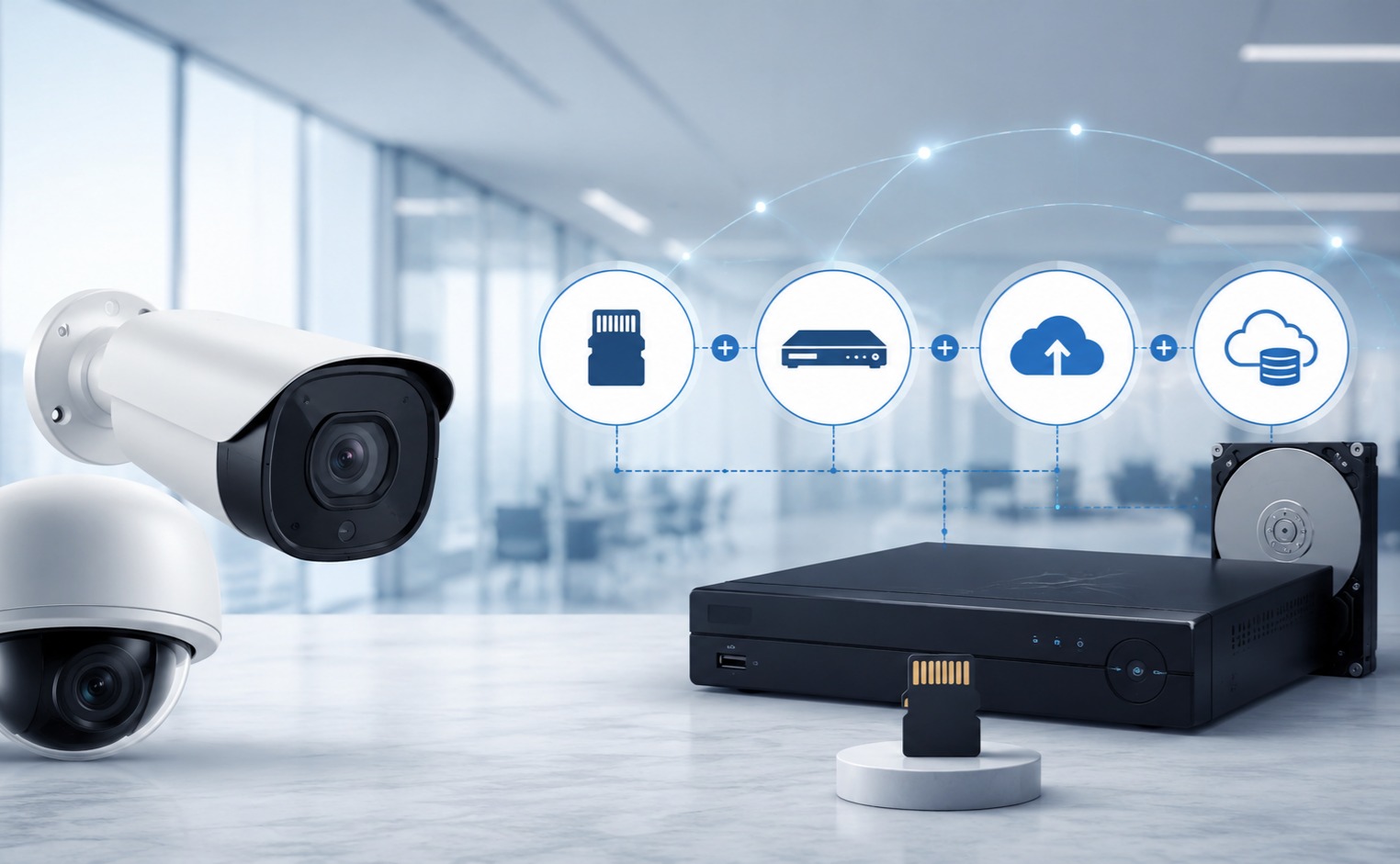
A camera sold in one market may need a simple TF card, while the same category in another market is expected to connect to an NVR, offer cloud backup, or keep weeks of footage across several sites. Private label buyers feel this difference early because storage changes the box contents, subscription story, app experience, and after-sales workload.
Storage Requirements Change With the Target Market
There is no single storage package that fits every channel. A small retailer may want a camera that works out of the box with a memory card. An installer handling a warehouse or school needs centralized recording, user permissions, and a predictable retention period. A multi-site distributor may sell remote access and event backup as much as the camera itself. Treating these buyers alike can leave one product over-equipped for entry-level shelves and under-equipped for a real project.
Single-camera retail and entry-level channels
For home offices, reception desks, small shops, and simple indoor monitoring, local TF or Micro SD recording keeps the first purchase understandable. Buyers usually care about card capacity, automatic overwrite, mobile playback, and whether a replacement card can be installed without technical help. Cloud storage can sit behind the basic offer as an optional service, but the monthly fee and retention period should be clear before the camera reaches a distributor’s catalog.
Projects that need centralized recording
Warehouses, campuses, parking areas, and chain stores are different. An NVR or DVR with a hard drive is easier to manage when many cameras must record together, when staff need shared playback, or when a project has a formal retention requirement.
The buyer also needs to check hard-drive capacity, recording mode, backup ports, and whether the selected camera streams can be decoded by the recorder. A camera with strong front-end features still creates trouble if the back end drops frames or cannot replay the chosen stream.
Cloud-first and multi-site sales
Cloud storage becomes more useful when the user needs footage away from the installation site. It can support remote playback, event notifications, account-based access, and recovery if a camera or local card is damaged. It also introduces recurring fees, regional service questions, bandwidth dependence, and account support. For a brand owner, those details affect the product promise long after the initial shipment.
Storage Options Buyers Can Build Into a Camera Line
Local TF or Micro SD storage
Local storage suits single-camera sales and sites with unstable internet. It keeps the installation simple and avoids a compulsory subscription. The trade-off is physical risk: a failed card, stolen camera, or full card can remove the evidence the user expected to keep. Circular recording is useful for everyday monitoring, but the overwrite rule, supported card capacity, continuous/event schedule, and card replacement process should be written into the product brief.
A dual-lens outdoor model such as Jortan’s JT-8293QJ is a useful storage example for this discussion because it combines local TF storage with cloud options, H.265/H.265AI support, ONVIF, WiFi, and RJ45 connectivity. For a distributor, the selling point is not the list itself. It is the ability to offer a basic local-recording package and a more connected package without changing the whole camera family.
NVR/DVR hard-drive storage
Hard-drive recording is a better fit when a project needs several cameras, longer retention, centralized user access, or USB and network backup. It can also make maintenance easier because installers manage storage in one cabinet instead of visiting every camera. Capacity still needs calculation: resolution, frame rate, compression, recording schedule, and the number of channels all change the result. Adding a hard drive after installation is rarely as simple as it sounds when the recorder, power supply, and cabinet space were not planned together.
Cloud or hybrid storage
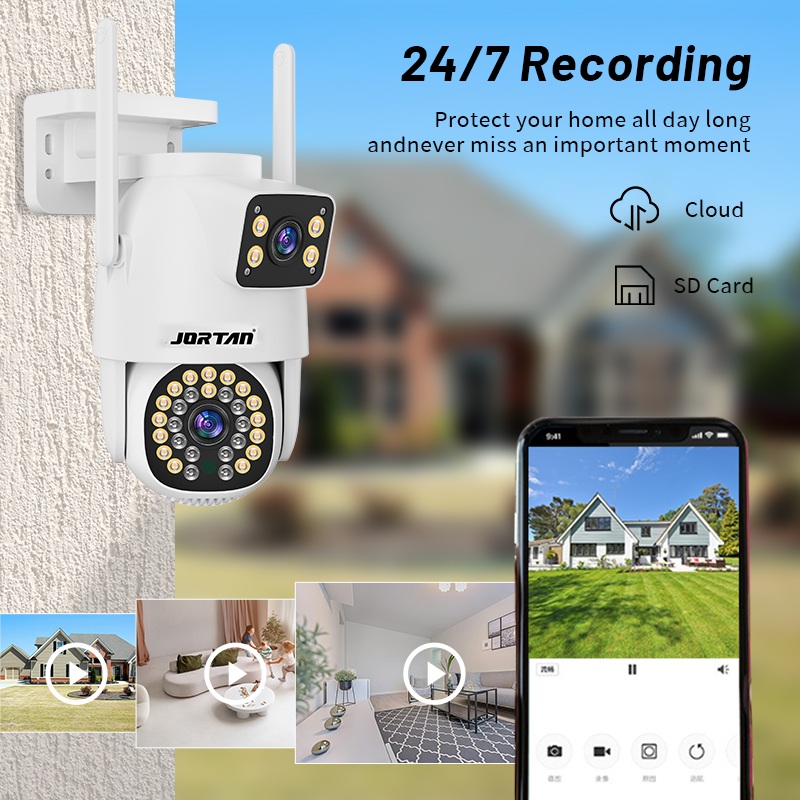
Cloud-only storage is convenient for remote access, but a subscription model may not suit every market. A hybrid design is often easier to position: local TF storage handles routine recording, while cloud storage keeps selected events or a second copy away from the device. The JTZ-9690PRO, for example, combines H.265AI video processing with TF and cloud storage options up to 256GB locally, giving a project buyer more room to discuss retention and recovery instead of forcing one storage habit on every customer.
Which Storage Features Deserve Priority in Private Label Products
A private label line usually needs levels, not one overloaded model. An entry version can cover TF storage, loop recording, H.265, and app playback. A project version can add NVR/DVR compatibility, ONVIF, longer retention, and backup options. A higher-tier version can add cloud storage, event push, dual recording, account permissions, and intelligent search. This lets distributors sell a clear upgrade path instead of explaining why every buyer should pay for every feature.
The acceptance test should follow the same levels. Insert the intended card, fill it until overwrite begins, disconnect the network, replay an event, and test the stream on the target app or recorder. For cloud plans, check the promised event and continuous retention, account transfer, cancellation process, and whether the service works in the target country. A missing step here can turn into returns, poor reviews, or a support queue that is larger than the margin on the camera.
How Jortan OEM/ODM Turns Storage Into a Brand Feature
For private label buyers, storage can be part of the product identity. A brand may want a low-cost card-first camera for one channel, a cloud-backed model for another, or a mixed package for installers. Jortan’s OEM/ODM camera service can be discussed around these concrete choices rather than a general logo change.
Customization may cover the default storage mode, card capacity, cloud plan, APP behavior, account permissions, encoding profile, alert rules, packaging, manual language, and included accessories. It can also include project-specific intelligent functions. The important point is to record the approved firmware, storage workflow, carton artwork, card requirement, and test method before mass production. Otherwise, a small configuration change can create different user instructions, incompatible batches, and avoidable after-sales claims.
A supplier conversation should also cover MOQ, sample fees, lead time, warranty, replacement cards or boards, cloud service ownership, and support after the first shipment. Jortan can be considered when a brand needs several storage configurations under one sourcing discussion, but the final order should still identify every tested setting. For a project-specific quotation, contact Jortan with the target market, camera quantity, retention period, preferred storage mix, and APP requirements.
FAQ
Q1: Which storage option is best for an entry-level private label camera?
A1: A TF or Micro SD card with loop recording and mobile playback is usually the simplest starting point. Optional cloud backup can create an upgrade path, but storage capacity, overwrite behavior, and subscription terms should be clear before launch.
Q2: Should a private-label camera support both local and cloud storage?
A2: It is useful when the target market needs local day-to-day recording plus off-site recovery. The decision depends on network quality, subscription tolerance, privacy expectations, and the cost of supporting two storage workflows. Both paths should be tested in the actual APP and project platform.
Q3: Can Jortan customize storage features for OEM/ODM projects?
A3: Storage mode, APP behavior, cloud options, encoding settings, card capacity, packaging, sample testing, MOQ, and after-sales arrangements can be discussed as part of an OEM/ODM project. The approved firmware and storage workflow should be tied to the production and inspection documents so later batches match the tested sample.