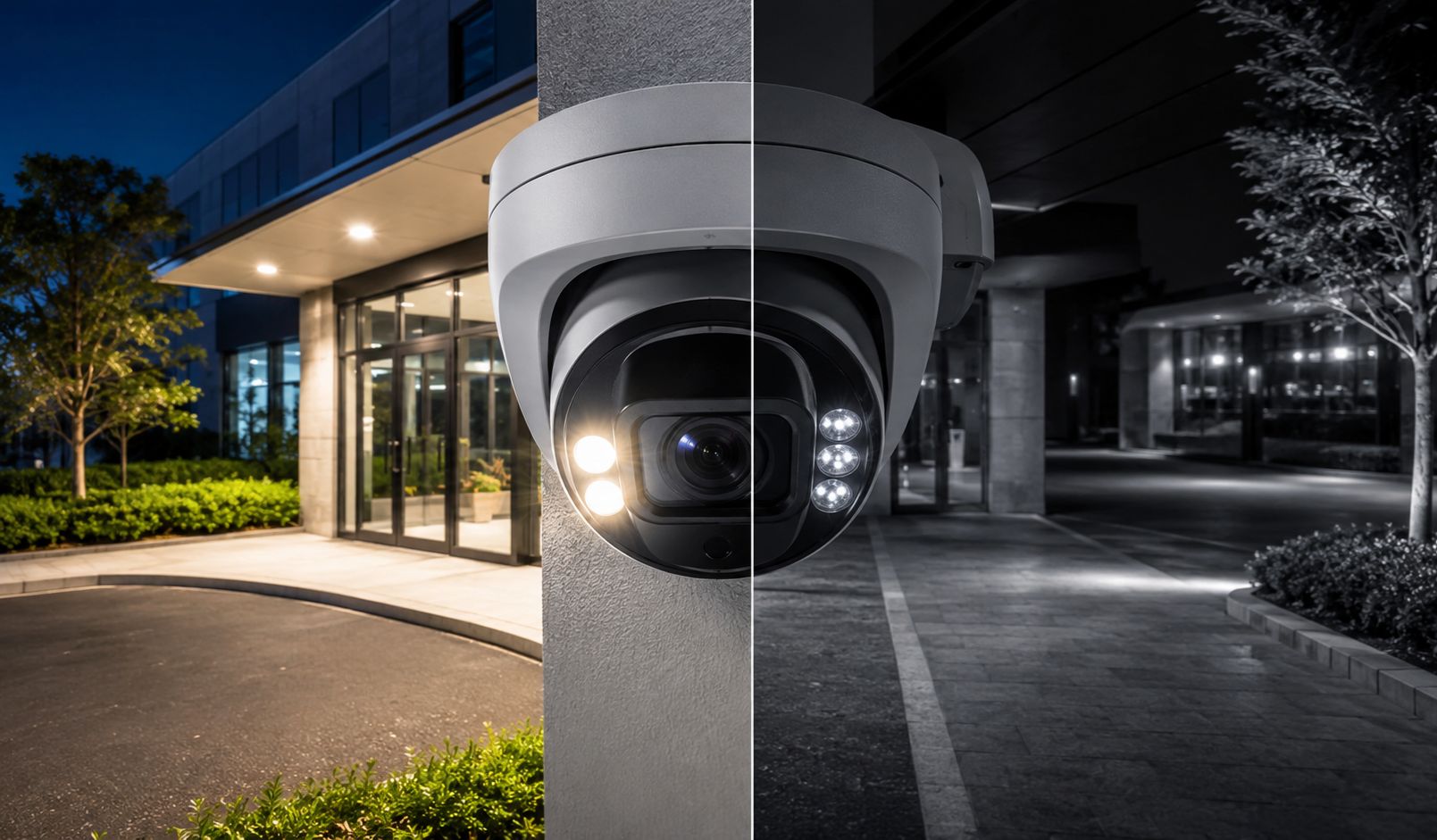
Night vision is no longer a single black-and-white specification. A warehouse gate may need quiet infrared coverage, while a shop entrance may need color detail and a visible warning light. The same camera family can therefore be sold with different lighting packages.
Start With the Night Scene, Not the LED Count
A dark farm road, a lit retail entrance, and a residential courtyard do not place the same demand on a light board. In a completely dark area, the camera needs its own fill light. In a street with usable ambient light, a low-light sensor may carry much of the image while the LEDs provide support only when the scene changes. A good product brief starts with the distance, target size, surrounding light, and tolerance for visible illumination.
What different projects are needed at night
For warehouses, yards, and remote gates, infrared is often preferred because it gives the sensor light without shining a bright visible lamp into the scene. Storefronts, parking entrances, and delivery areas may benefit from white light when the operator needs to identify clothing, vehicle color, or a package label. In residential or hospitality settings, a white lamp can be useful for a warning event, but constant bright output may create glare, complaints, or unwanted attention.
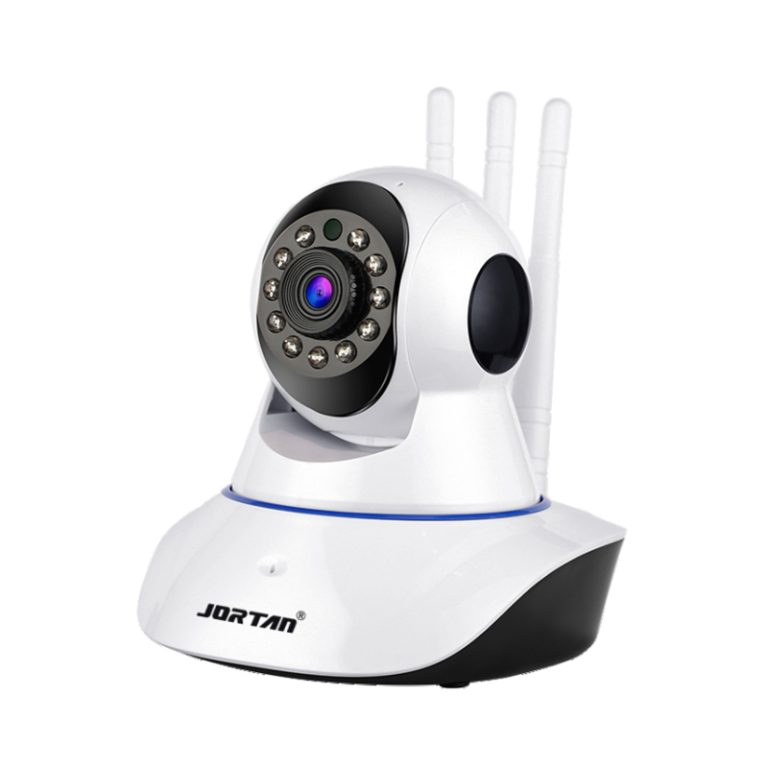
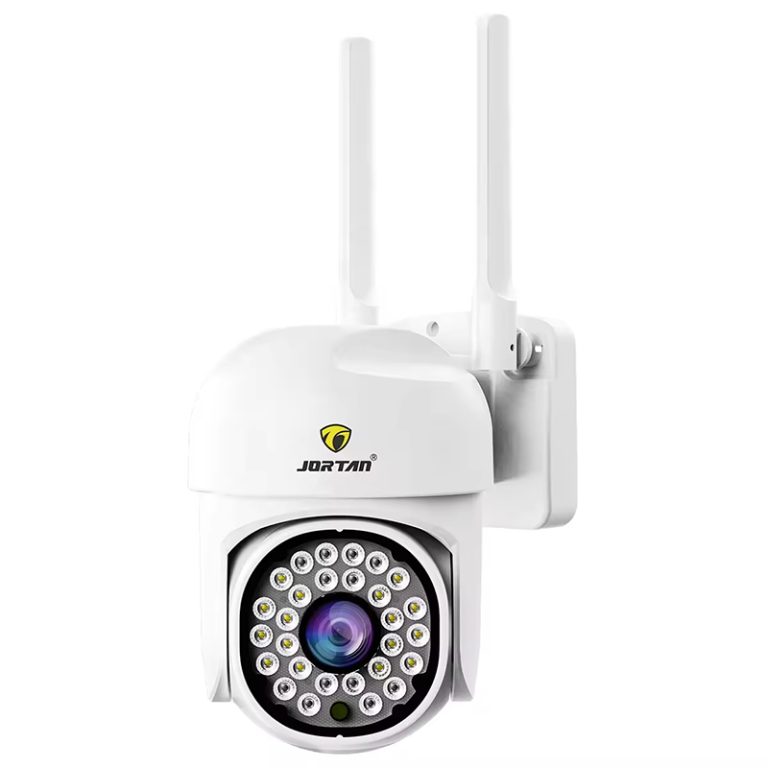
This is why a distributor may need more than one lighting option in the same product line. Jortan dual-light camera options can be positioned around the project need: concealed IR for routine monitoring, white light for color evidence, or a smart mode that changes the light after a person is detected.
White Light and IR LEDs Do Different Jobs
What white light adds to full-color night vision
White light is visible light, so it allows the camera to keep color information at night. That can make a difference at a store entrance, loading door, or parking barrier where the color of a vehicle or jacket matters. It can also act as a deterrent. A light that turns on when human detection is triggered gives the end user a visible warning and may make the event easier to find during playback.
White light is not automatically the better choice. It is less discreet than infrared, may reflect from a nearby wall, and can make a person’s face look washed out when the lamp is too close or too powerful. The light angle and distance from the lens matter as much as the number of white LEDs. The APP or firmware should also define whether the lamps stay on, follow a schedule, or trigger only during an event.
Why IR LEDs still matter
IR LEDs are useful when the scene should remain visually quiet. The sensor receives near-infrared illumination, and the image normally appears in black and white, with less risk of disturbing people nearby. The commonly used 850nm band generally gives stronger sensor response and suits longer-range fill light. 940nm is more discreet, although the camera may need more energy to reach a similar distance.
Jortan’s JT-9697QJ is a practical example for this comparison. It offers an 8-piece array IR LED arrangement, a white-light and IR-light combination, and an infrared distance of up to about 30 meters.
Lamp Board Structure Changes the Final Image
Ring layouts around the lens
A ring board is common because it keeps the light close to the optical axis. White lamps may sit on the outer ring while IR lamps sit nearer the lens, or the two types may alternate. This affects how evenly the scene is lit, how much light returns from a nearby wall, and whether a person’s face is overexposed at short range. A good sample test should cover both a close target and a target near the rated night distance.
Separate boards for fixed and PTZ modules
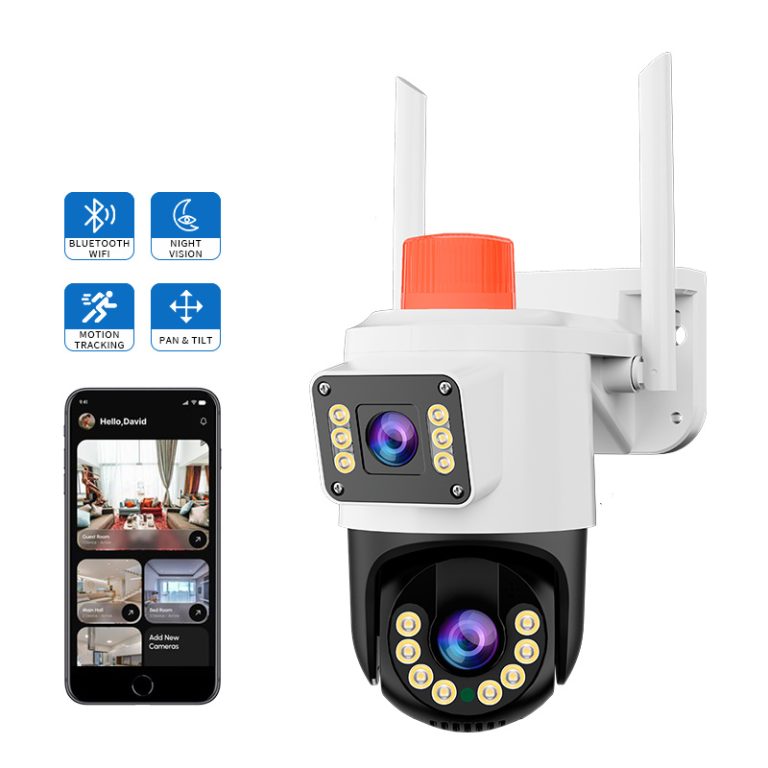
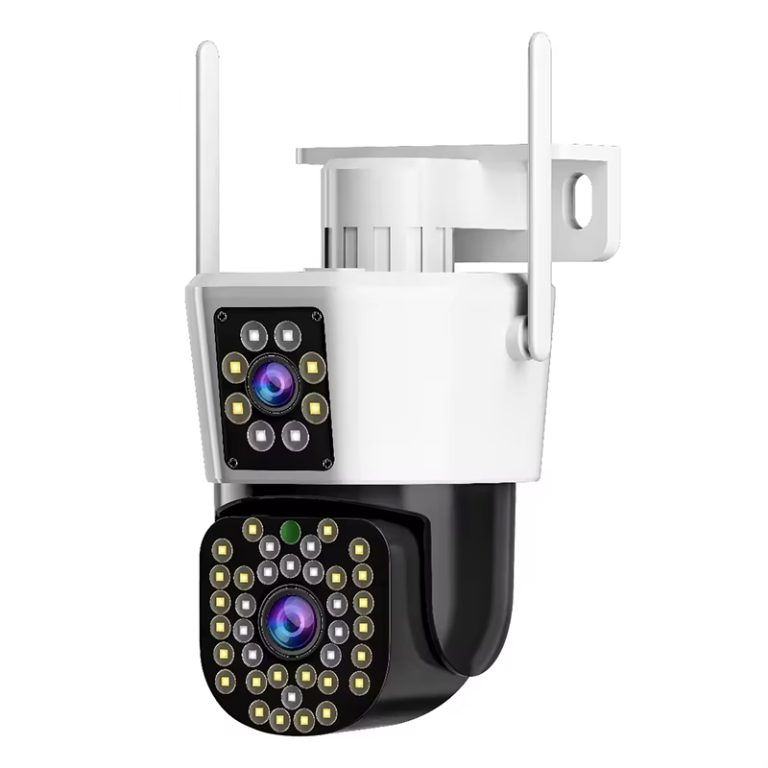
A dual-lens camera can use different lamp areas for its fixed and PTZ views. Jortan’s JT-8293QJ offers 11 infrared lights and 12 white lights, with starlight full color, infrared night vision, and dual-light warning modes.
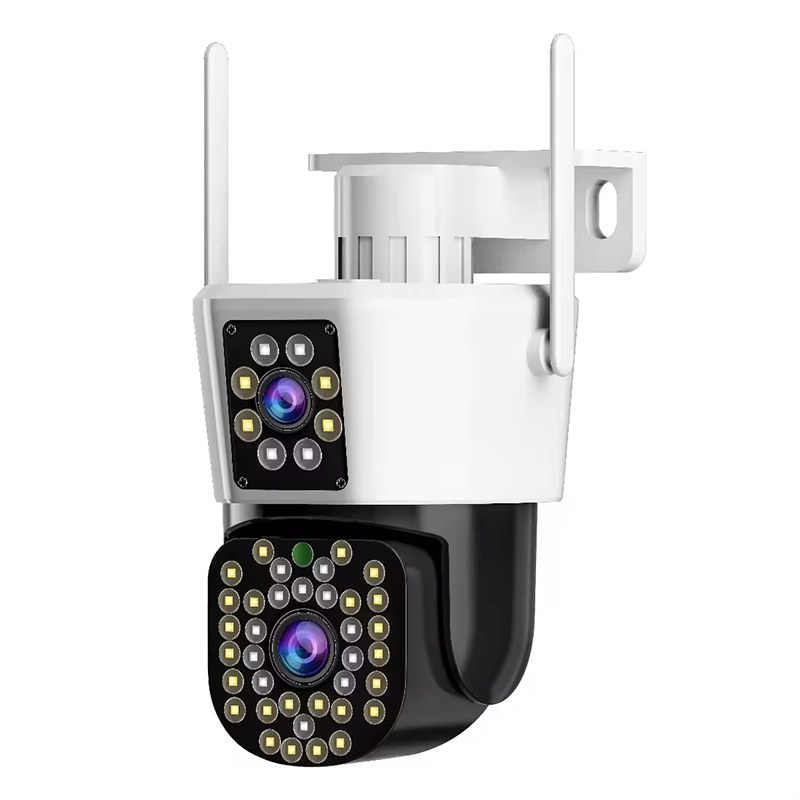
The JT-8293QJ dual-lens camera is therefore a useful example for checking module-level specifications. Ask whether the count is for one lamp board, one lens, or the complete camera. Also check whether the upper fixed lens and lower PTZ lens use separate drivers, separate switching rules, and separate night-distance ratings.
Heat and control are part of the board design
High-power lamps add heat near the sensor and lens. If the board, driver, housing, and mounting surface do not move that heat away, brightness and color can change after long operation. The knowledge base includes OSRAM light-source references and a one-piece die-cast aluminium structure with a striped rear surface for heat dissipation. That is a useful engineering direction, but the buyer should still test temperature rise, continuous night operation, and waterproof sealing on the actual sample.
What Buyers Should Confirm Before Bulk Orders
A product sheet should separate white-light count, IR count, and the module to which each belongs. Confirm wavelength, power, driver voltage, control signal, and independent operation.
A photoresistor can link ambient light to IR-CUT and infrared lamps, while human detection can trigger white light. If it is covered after installation, switching may become unreliable. Test sunlight, a dim corridor, total darkness, a reflective wall, and a moving person, and then record lamp response and delay.
For a mixed product line, Jortan can be evaluated with the same test sheet used for other suppliers. Record the lamp count, board photograph, firmware setting, light mode, waterproof parts, and replacement method to reduce batch differences.
How OEM/ODM Can Customize the Lighting Package
Private label buyers may need a discreet 940 nm version for one market, a stronger 850 nm version for a long driveway, or a white-light warning model for retail. Jortan’s OEM/ODM lighting customization can be discussed around these project differences rather than only around the logo on the housing.
The customization brief can cover white and IR LED quantity, 4+4 or other combinations, single-board or dual-board layouts, lens-by-lens allocation, IR-CUT behavior, photoresistor sensitivity, human-triggered white light, APP controls, packaging, manuals, and spare boards. Repeat image and thermal tests after any board change because it can alter night distance, glare, power draw, or product appearance.
MOQ, sample approval, lead time, warranty, spare parts, and batch inspection should be tied to the same lighting specification. If a brand needs to confirm a customized package, contact Jortan with the target scene, expected distance, warning policy, preferred wavelength, and whether the camera must stay visually discreet.
FAQ
Q1: Does a higher LED count always provide better night vision?
A1: No. The count must be read together with LED power, wavelength, board layout, lens angle, sensor sensitivity, and heat control. Too much light at close range can create glare instead of better detail.
Q2: Should buyers choose white light, IR LEDs, or both?
A2: Choose IR when discreet night coverage is the priority, white light when color evidence or visible warning matters, and both when the project needs separate routine and event modes. The switching rule should be tested in the actual installation conditions.
Q3: Can Jortan customize the LED and lamp board configuration?
A3: OEM/ODM discussions can cover lamp quantity, board layout, wavelength, IR-CUT linkage, white-light warning behavior, APP controls, packaging, samples, MOQ, and after-sales parts. The approved board and lighting behavior should be recorded in the production and inspection documents.