
A distributor rarely loses money because a factory quoted one unit at the wrong price. The more common problem is a first order that looks disciplined on paper but ignores SKU mix, channel demand, service stock and the time needed to replenish. Too much inventory ties up cash. Too little creates backorders, split shipments and pressure to substitute a camera that has not been tested.
There is no universal answer to the question “How many security cameras should be ordered first?” A sensible quantity is built from the route to market, the number of active SKUs, the evidence from samples and the supplier’s actual production terms. A distributor should treat MOQ as a planning input, not as a badge of buying power.
Start With the Sellable SKU, Not the Carton Count
Separate the Core Model From Optional Variants
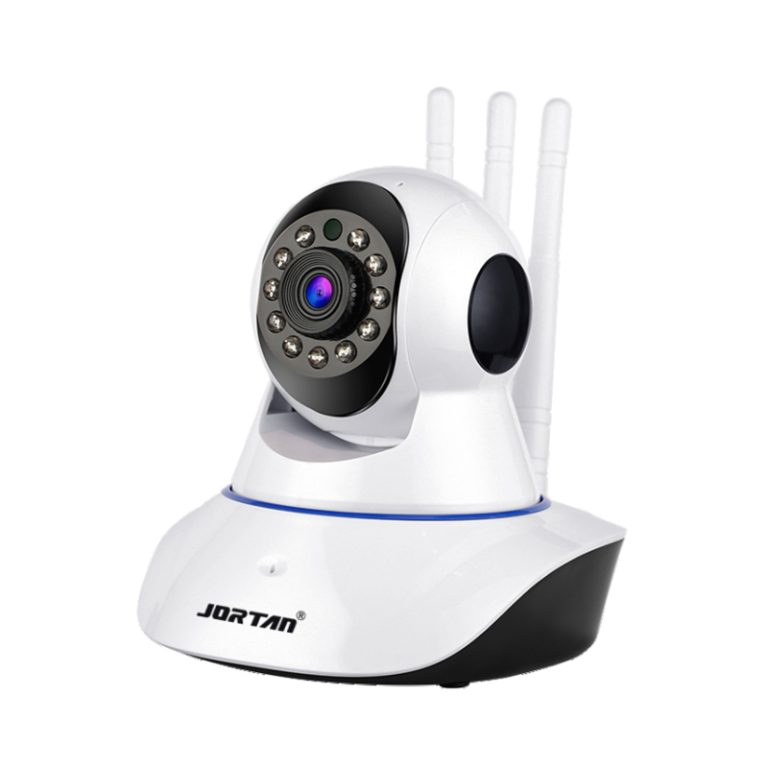
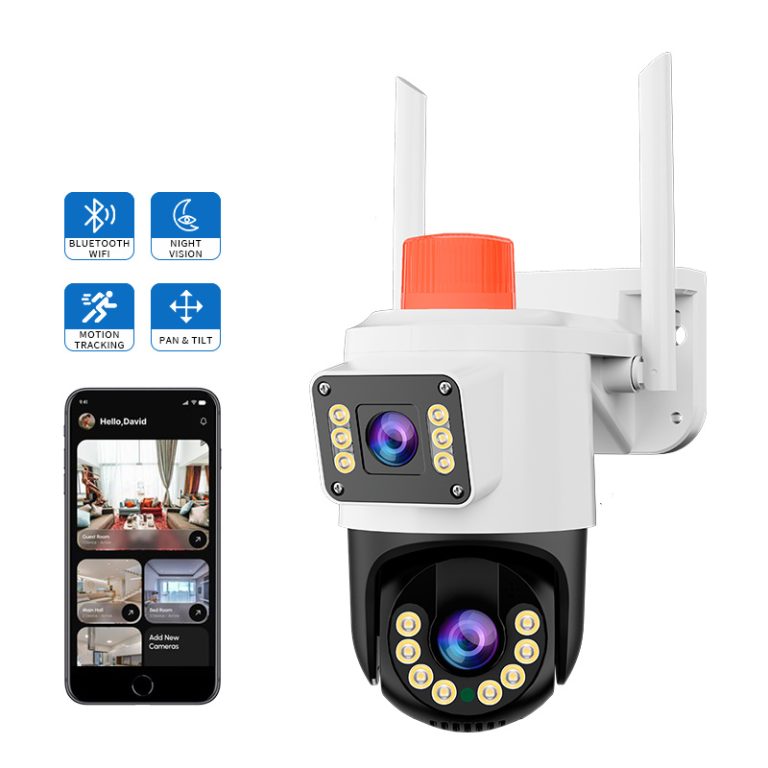
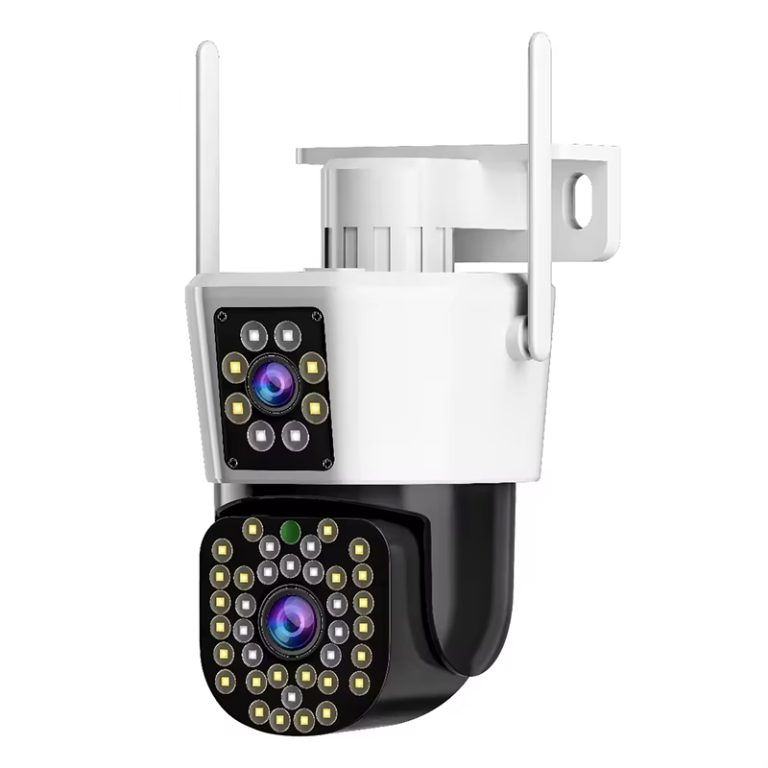
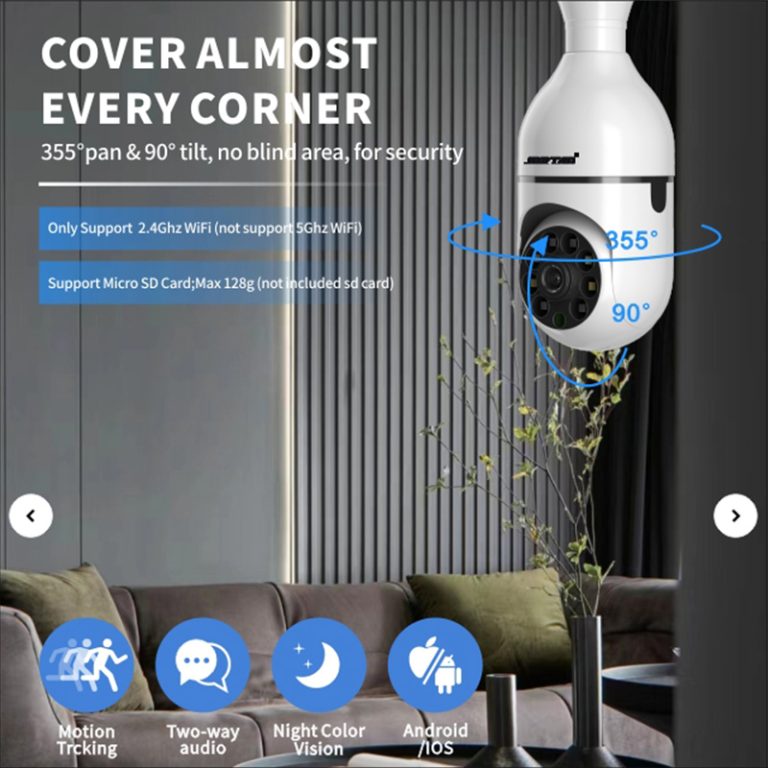
A camera wholesale forecast becomes unreliable when one total hides several different products. Split the plan by housing, lens, resolution, power path, network type, app, storage route, color and packaging. A wired outdoor camera, an indoor WiFi unit and a low-power model may serve different channels even when their cartons occupy similar space. The camera knowledge base distinguishes transmission paths such as coaxial, twisted pair, optical fiber, WiFi and 4G, as well as power choices such as DC, battery and solar. Those differences matter to stock allocation.
Use a simple SKU sheet with four columns: expected first-period demand, confidence level, lead-time exposure and substitution risk. Mark a model as core only when the sales channel, installer brief or signed project gives it a real route to market. A distributor with three uncertain variants should not treat them as one safe bulk commitment.
Match Quantity to the Sales Channel
Retail replenishment, installer projects and online catalogue sales behave differently. A project order may justify a deeper buy for one approved configuration, while a broad catalogue needs smaller quantities across several SKUs. Ask where the first units will go: named projects, regional dealers, e-commerce listings, or demonstration stock. The answer changes both risk and reorder timing.
For each SKU, estimate a conservative opening quantity, a likely quantity and a stretch quantity. Then ask what happens if sales arrive at half the forecast. The best first order is often the one that keeps the downside manageable while producing enough field feedback to improve the next forecast.
Build the First Order Around Replenishment
Use the Reorder Window as a Hard Input
Jortan publish a concrete timing reference: sample or trial orders may ship in 1 to 3 days after payment, while bulk or OEM orders are listed at 7 to 15 working days depending on quantity. This is not a promise for every configuration or destination. It is a useful starting point for an RFQ because the distributor can ask which parts of that window apply to the approved SKU, packaging and inspection plan.
A practical reorder formula is: opening quantity = forecast demand during the replenishment window + approved service stock + project buffer, adjusted for confidence. The formula is deliberately plain. It forces the buyer to state how many units may be sold before the next shipment can arrive, rather than picking a round carton number.
Reserve Service Stock Before the First Shipment
Service stock is not the same as speculative inventory. Set aside units for installer replacement, warranty diagnosis, demonstrations and destructive testing. The percentage should be based on the channel history, not a generic rule. Also decide whether spare power adapters, brackets, waterproof joints, antennas, memory cards or other accessories are stocked separately. A camera that cannot be mounted or powered is still a support event.
The first batch should have a named owner for stock release. Without that rule, sales may consume every spare unit and leave after-sales staff waiting for the next container. Record model, firmware, app version, accessory pack and carton label beside the inventory count.
Check Which MOQ the Supplier Actually Means
Factory MOQ, Configuration MOQ, and Packaging MOQ
Jortan can refer to different commitments. A factory may accept a small quantity of a standard product but set a separate minimum for a custom color, a new housing, a printed carton, a private mold or app changes. Jortan OEM/ODM materials list logo, packaging, appearance, color, mold opening, app customization, injection molding, assembly and inspection as separate parts of a cooperation process. Each may need its own quotation and approval point.
Ask the supplier to write three lines into the quotation: standard-model MOQ, configuration or color MOQ, and packaging or private-label MOQ. Add whether quantities can be mixed across models, whether unused packaging must be purchased, and whether a later reorder can use the same artwork. A low unit MOQ does not automatically mean a low total commitment.
Treat Custom Tooling as a Separate Investment
Mold opening and injection molding can support a private-label housing, but tooling is not the same as buying finished cameras. Confirm who owns the mold, where it is stored, which revisions are included, how trial samples are approved and how tooling charges are handled if the program changes. Jortan presents factory production, mold work, injection molding, assembly, packaging and inspection as connected capabilities; the commercial terms still need to be written into the RFQ.
This distinction protects a distributor from comparing a standard catalogue quote with a customized program as if they were identical. A standard model may suit a market test. Custom housing may make sense only after demand, return reasons and packaging volume are visible.
Use Samples and Supplier Capability to Limit Risk
approve the Complete Configuration
A sample must represent the item that will be sold. Check the lens, image mode, night illumination, storage, network route, app, power supply, bracket and carton contents. The knowledge base describes IP cameras as systems that capture images, process and compress video, and then transmit it to an NVR or related platform. A distributor should therefore test the complete chain, not just a sharp live image on a bench.
Keep a signed sample record with photographs and the exact acceptance points. Include the conditions that remain site-dependent, such as WiFi coverage, 4G availability, mounting height and cloud service. This makes the first order smaller in risk even when its unit count is not minimal.
Read Capacity Claims as a Planning Conversation
Jortan is a factory of about 20,000 square meters with more than 450 workers, while also identifying OEM production and technical support. It can justify a capacity discussion, but it does not replace a written production schedule. Ask about component availability, sample approval, assembly slots, inspection timing and shipment split options for the actual forecast.
A distributor can compare a standard indoor line such as the JT-9696PRO indoor dual-lens camera with a PTZ and local-storage direction such as the JTZ-160B PTZ camera before fixing the first SKU list. The broader Jortan can then be reviewed by channel. For a private-label program, OEM/ODM camera production is the right place to frame logo, packaging, appearance, mold and app questions. The useful CTA is a completed RFQ, not a request for a price detached from quantity and configuration.
Conclusion
A distributor should set the first security camera MOQ from demand by SKU, replenishment time, service stock and the cost of being wrong. Separate standard, configuration and packaging commitments before comparing quotes. Test the complete camera and record the approved sample, then ask the supplier to confirm production timing, inspection and reorder terms for that exact configuration. A measured first order creates better sales evidence and leaves room to scale.
FAQ
Q1: Is a higher security camera MOQ always cheaper per unit?
A1: No. A lower unit cost can be outweighed by slow stock, variant mismatch, storage, service replacements and cash tied up in the wrong SKU. Compare landed cost and inventory risk.
Q2: Should a distributor order every camera model at the same quantity?
A2: Usually not. Allocate quantity by channel demand, project evidence, confidence, replenishment window and the consequences of a stockout for each model.
Q3: What should an MOQ quotation clarify?
A3: It should separate standard-model, configuration, color, packaging and tooling commitments, and state sample approval, lead time, inspection, mixed-SKU rules and reorder terms.