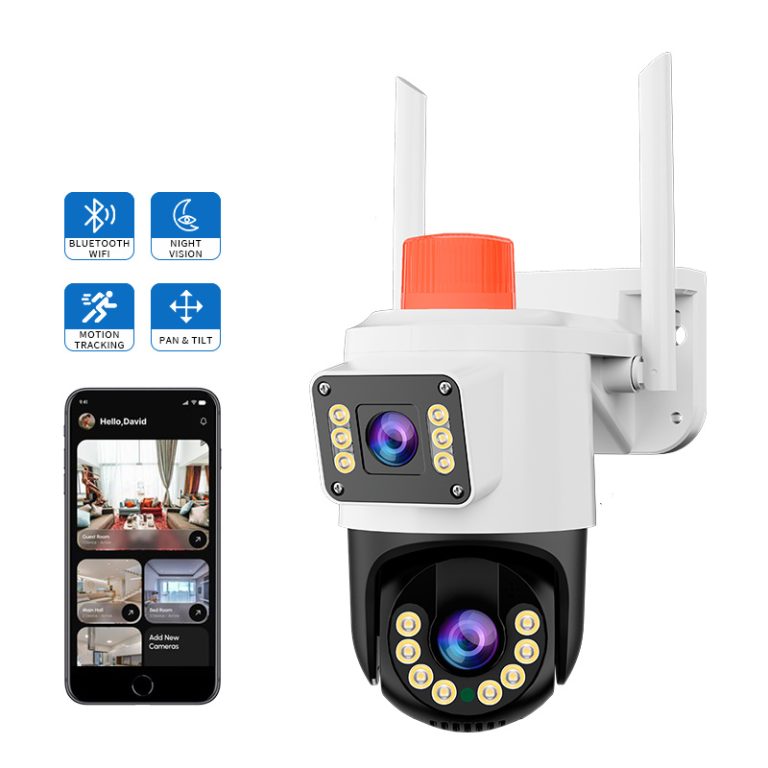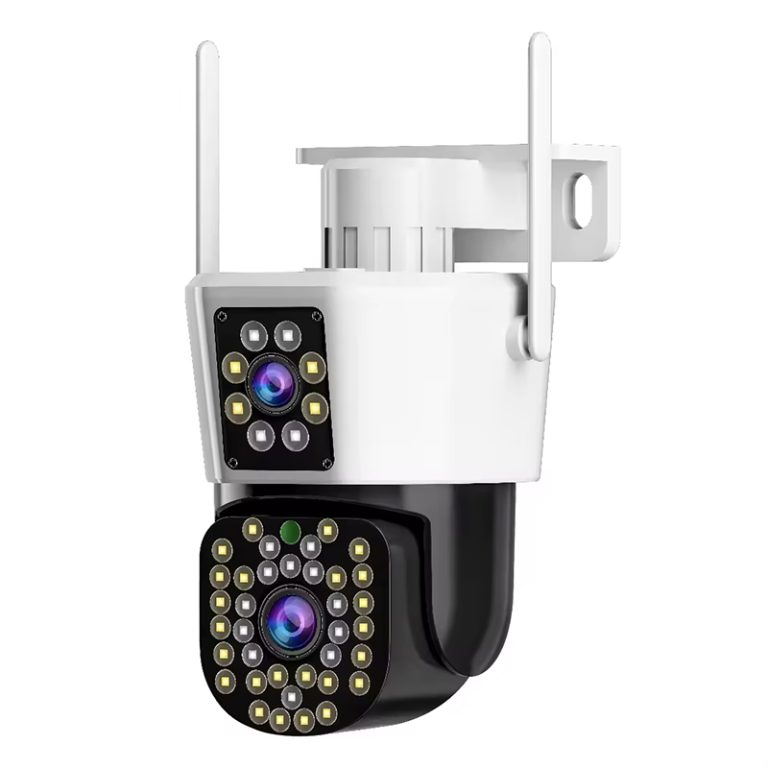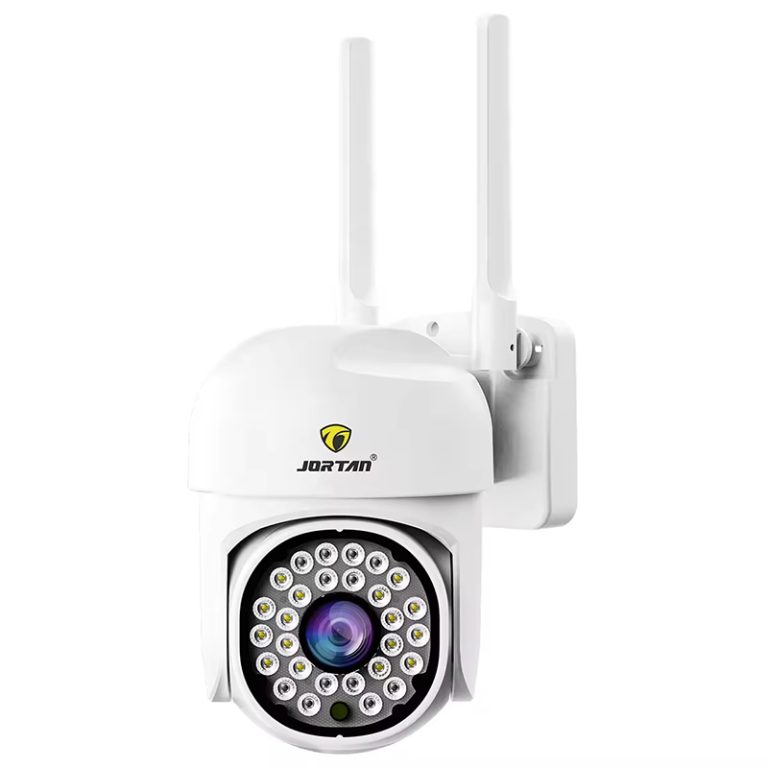

Purchasers often look at the packaging only after approving the camera itself. That habit is simply too late. When dealing with a private label camera, the carton and the label act as essential pieces of your finished product. The manual, barcode, accessory tray, and inner padding hold equal importance. Distributors get these items first. Next, the installer hands them over to the end user. Just one small mistake in this area can create huge warehouse mix-ups. It could spark customs delays. It might result in missing accessories. At times, a tiny packaging flaw leads to a customer return. This frustrating situation occurs even when the actual camera image looks perfect.
Businesses need to handle OEM packaging as a rigid production requirement. It is certainly not a basic graphic design job. A buyer must confirm the exact text that goes to print. They have to inspect every item placed inside the box. Also, they need to understand how factory workers will identify those cartons. Buyers must plan how to sort mixed models easily. They should make sure the package can withstand a bumpy shipping trip. The final reference guide must exist in both physical and digital formats. This dual approach guarantees that purchasing, warehouse, sales, and support teams all look at the exact same version.
Start With Product Identity
Each carton needs to display the model, brand, and key functions clearly. It should feature all necessary compliance marks too. But the box must never advertise a feature missing from the real hardware. Buyers ought to double-check the spelling alongside the exact model suffix. They have to review the language, barcode, and QR code. They must also validate the voltage, the accessory list, and the total carton quantity. A slightly similar model suffix can create massive headaches. It might push the wrong firmware, manual, or spare part straight to an installation site.
Match the box to the approved unit.
You should always compare the carton artwork right against your approved golden sample. The box highlights details like the lens, camera shape, and color. It points out the mount style, app name, storage size, and night mode. Every printed detail must align perfectly with the actual approved device. Sometimes, several variants share the exact same outer shell. When this happens, you need to stick a large, obvious model label on the box. Build a clear visual difference for the warehouse staff. Avoid relying on a tiny sticker. People can overlook a small sticker without much effort.
Imagine a package that uses the JT-8177 packaging reference. You have to review this against the specific model and its firmware. You must look at the exact accessory set and the right market language. An official product page can definitely assist with basic model checks. Still, your final box proof must always come directly from the actual OEM file.
Manuals and Labels Are Service Assets
A user manual needs to match the expected installation steps flawlessly. This covers directions for mounting, resetting, and pairing the camera. The guide should explain storage limits, power needs, and network setup. It has to list the app name, warranty contact, and safety rules. Product labels must align completely with the manual and the camera body. Always save the approved PDF file in a secure spot. You should also keep one physically printed copy right next to the main sample.
State the information accurately if the camera needs a specific app or a special recorder. Try your best to avoid vague or broad terms. Unclear words frequently lead an installer to download the wrong application entirely. A crisp barcode and a precise model label hold immense value. These simple items can save far more technical support hours than a flashy marketing claim on the box.
Do Not Forget The Inner Pack
Protect the Parts That Affect Installation
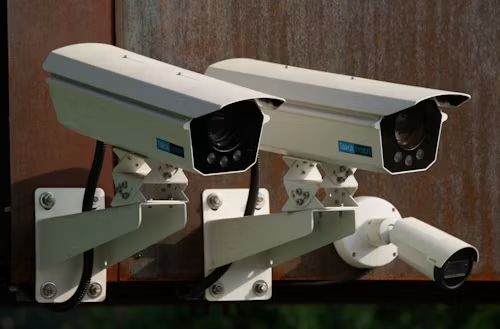
Lenses, antennas, connectors, brackets, and power adapters demand proper care. They require much more than a visually pleasing layout inside the box. You have to check for any loose shaking within the carton. Assess the physical pressure pressing on the fragile lens cover. Look into the moisture defense and the overall carton compression strength. Finally, inspect the real condition of small hardware pieces after they finish a standard shipping route.
A model like the JT-8695 Pro camera acts as a wonderful example. It helps a buyer understand exactly what to inspect during an outdoor shipment. Any package test has to use the real production carton and the correct inner insert. This test must include the complete accessory set and the actual shipping mark. Never rely on a weak, temporary sample box for these important shipping tests.
Build Packaging Into The Approval Calendar
Packaging normally follows its own separate proofing cycle. You ought to set hard deadlines for artwork and language translation. Schedule specific dates for barcode checks and the physical proof review. Map out the accessory confirmation, the carton approval, and the final production release. Sometimes, the camera hardware sits completely ready, but the carton falls behind. This timing gap frequently leads to rushed and poor material substitutions. It also makes auditing that very first order much harder.
Jortan OEM/ODM promotional material highlights several main cooperation paths. These paths include packaging box design and logo customization. They also involve product appearance changes and technical support. These specific services function best under a few set conditions. A buyer must provide a complete and accurate brand file. The buyer has to approve the physical result before the factory begins any bulk printing.
Gaining visibility into the factory process serves as another great procurement advantage. Project documents typically outline a detailed production path. This journey can include injection molding, chip processing, and camera assembly. It involves packing, shipping, and multiple quality inspection steps. Your packaging approval process must link directly to that main production path. A buyer needs physical proof alongside a clear accessory map. They require a correct carton mark and an official release record. All these elements must be fully ready before the factory commits to printing any materials.
Record the Commercial Rules
You need to ask the supplier about the packaging MOQ and any leftover printed stock. Talk about carton storage policies and possible artwork revision fees. Ask about a neutral-packaging fallback plan and the normal reprint timing. Discover if a simple packaging tweak requires a brand new physical sample. Serving various international markets might create extra demands too. This expansion often means you need distinct language versions and completely separate minimum order quantities.
A solid packaging approval review has to include several specific items. It requires the model list, artwork, manual, and barcode. The review should feature the accessory map, carton mark, shipping route, and the final release deadline. This organized approach proves highly beneficial. It transforms custom packaging into a well-documented business workflow. It prevents the packaging from acting as a rushed, last-minute decoration.
For any large OEM order, you ought to request clear sample photos and steady production updates. Ask for a packing-list confirmation and a deep pre-shipment review. Project documents treat many features as formal inspection areas. These areas include image quality, night vision, APP connection, audio, and storage. They cover the outdoor housing, accessories, labels, and the packing itself. You have to record every single issue with care. Mark each finding as a pass, a corrective action, or a fail. Give a specific owner and a strict due date to every single problem. Finish this step before the factory releases the printed packaging and the bulk shipment.
Packaging plays a huge service role long after the first delivery arrives. It shows the approved model name, APP guidance, and the accessory list. The box displays the plug type, barcode, and carton mark. These details allow distributors to receive their stock accurately. They help installers pick the correct kit before driving to a site visit. You should store the current proof, the printed sample, and the packing-list version safely together. Sometimes, one of those pieces changes without warning. If that occurs, the buyer has to conduct a fresh review. They must make sure the package still describes the actually approved camera. The box must not accidentally describe a slightly different, related model.
The final approval package must identify any replacement accessories clearly. It needs to list the exact warranty contact used by your target sales channel. This proactive step remains quite important. It stops the warehouse team from reading an outdated manual when a new service ticket arrives.
Conclusão
Solid OEM security camera packaging must identify the correct model accurately. It has to protect the fragile installation parts during transit. The box should explain the right app and the included accessories clearly. It must support daily warehouse tasks and future after-sales work. You should approve the physical carton and the inner pack right alongside the golden sample. A beautifully polished box proves useful under only one condition. Every printed promise and packed component must match the actual camera inside perfectly. The Jordânia OEM camera packaging offers a highly focused procurement guide for buyers.
Perguntas frequentes
Q1: What is most often missed in OEM packaging?
A1: Purchasers frequently overlook exact model suffixes and detailed accessory lists. They miss app names, strict barcode rules, and the proper manual language. Buyers often forget to check the carton marks. They regularly ignore the crucial difference between standard pieces and optional add-on parts.
Q2: Should packaging be approved separately from the camera?
A2: You need to review the packaging as a core part of the exact same product release. The outer box, manual, labels, and inner accessories remain crucial. They must match the approved hardware and the final software completely.
Q3: Can neutral packaging be used for the first shipment?
A3: Neutral packaging might serve as a practical launch choice if your supplier agrees to it. You must confirm its overall effect on the production lead time first. Check how this choice impacts labeling and the final retail presentation. Review how it affects the later printed-packaging MOQ.