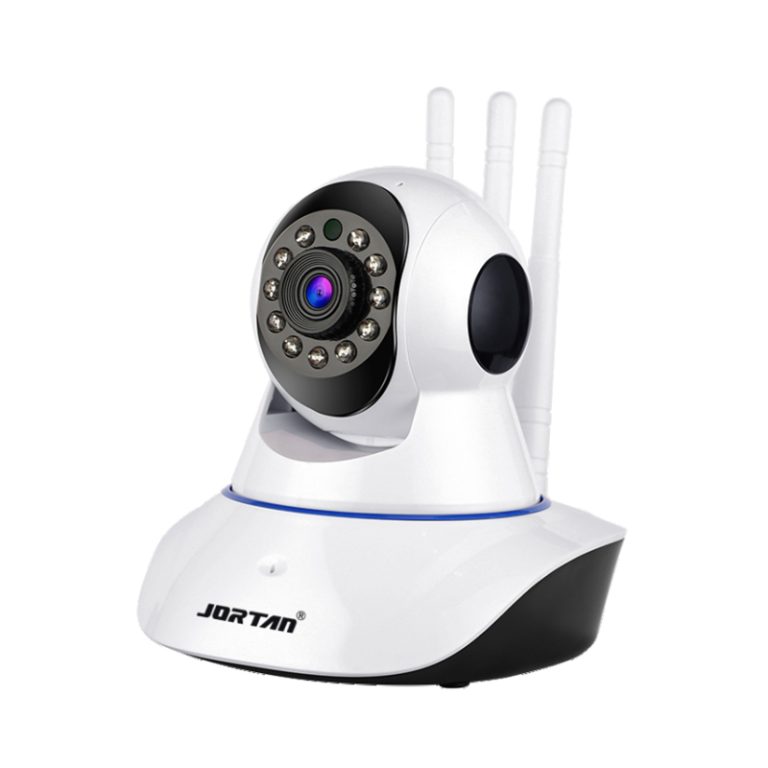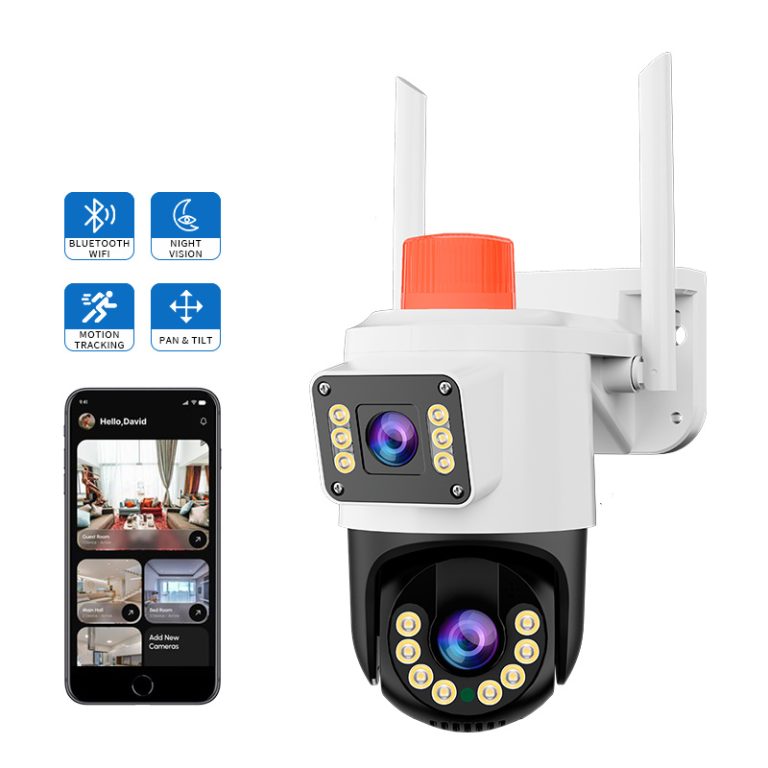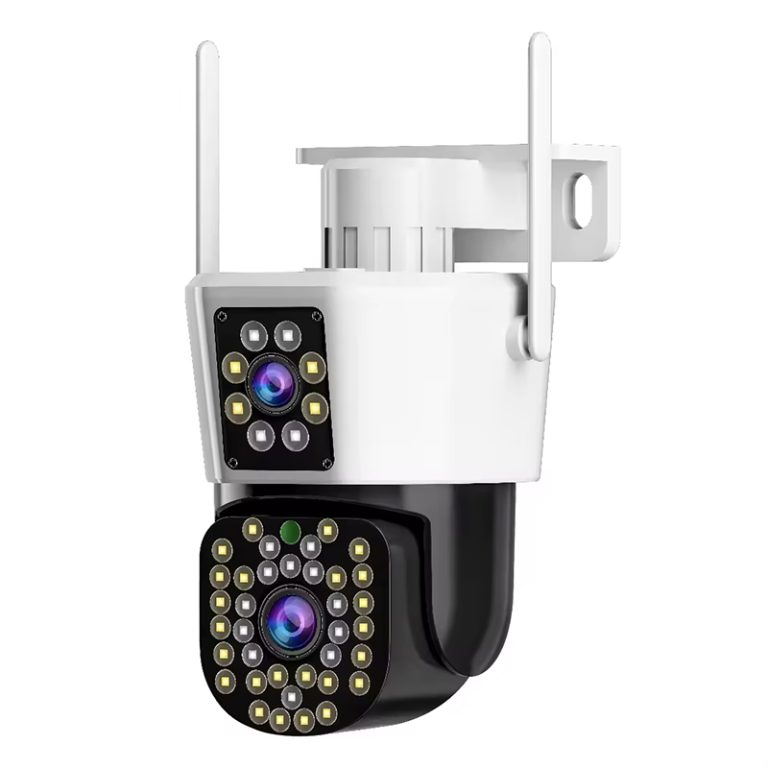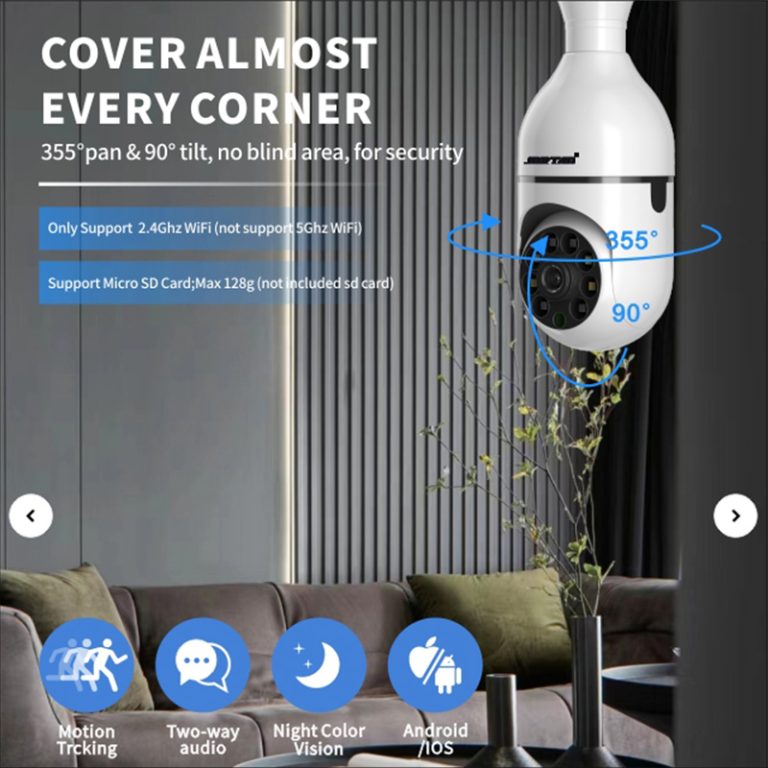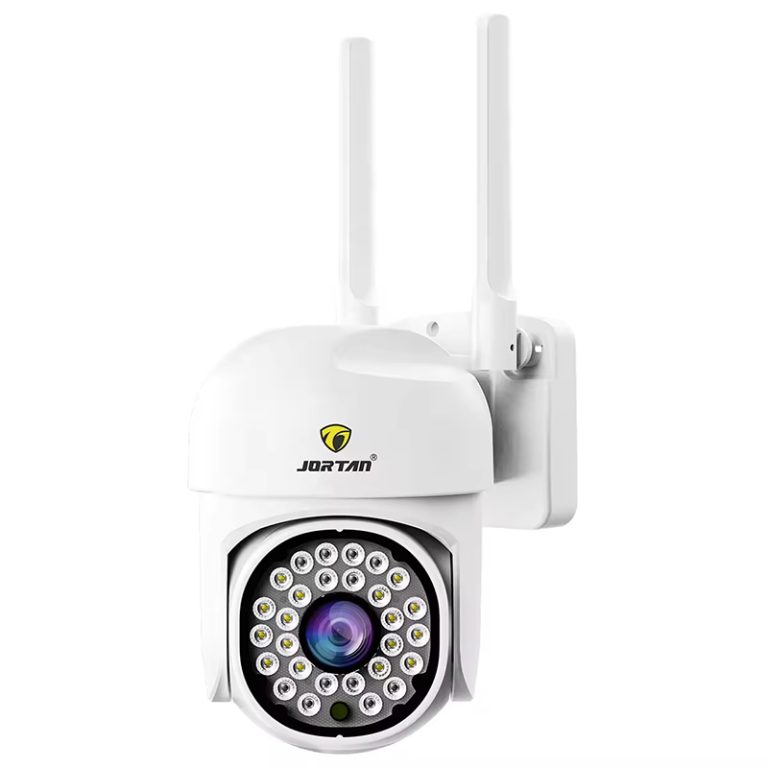
Aluminum prices rise. An outdoor camera does not just get more expensive. Some low-cost products respond by cutting. The cutting happens where the buyer will not see it. Not until the unit sits in the rain a few seasons later. The price held. The housing got quieter. And thinner. The weather rating started to slip. Nobody changed the spec sheet.
The outdoor camera housing uses a lot of metal. More than most buyers expect. In 2026, North American aluminum cost still carries supply and tariff noise. So the buyer question is not only what the housing costs are now. It is whether the factory keeps the housing honest. Or quietly thins it to hold the price. Those two outcomes look identical on the invoice.
For a B2B buyer, the useful question is not only what a camera costs today. It is which part of the quote may move before approval, and whether the supplier can show the line behind the change. Jordânia‘s camera range gives that conversation a concrete starting point.
Why Housing Material Affects More Than Price
● The same model can cost less on paper in a few ways. And get weaker in the field. None of them show up in a spec sheet.
● Thinning the housing wall, which uses less metal per unit.
● Cutting the aluminum. Filling more of the body with plastic.
● Switching a metal section to a cheaper alloy. Without telling you.
● Dropping the heat-dissipation features. A metal housing is supposed to provide them.
Weather Resistance Is a Production Detail
Each of these is a small saving on the BOM. And a real loss in the field. A unit that fogs, warps, or runs hot after a year of sun is usually a housing that was quietly changed. The buyer finds out when the returns start. By then the change has rolled through a production run. Not just a sample.
The Housing is the Heat Sink
A metal housing is more than a shell. Aluminum carries heat away from the board. In an outdoor unit in direct sun, that heat handling is the difference. A camera holds its image. Or it throttles and fades. A thinner housing holds less heat. It ages faster under the same load. The failure is slow. That is what makes it easy to miss. Until the footage is already compromised.
Weather Resistance is a Team Effort
Weather resistance is a team effort. The material matters. The seams matter. The gaskets matter. Change the housing without retesting. An IP rating can drift. It was real at the sample stage. It drifts by the time production rolls out. The sample passed because it was the honest version. The production run is a slightly different product. The rating nobody re-measured is the one that quietly stops being true. The quote becomes easier to defend when the buyer can point to a clear product family, a recorded sample, and a named validity period. For a model such as the JT-9689UQJ model, those checks belong in the RFQ rather than in a last-minute email.
How to Compare an Approved Sample With Production
(1) The checks are straightforward. Most buyers skip them. They assume the sample and the production unit are the same.
(2) Ask for the housing material. Ask for the wall thickness.
(3) Tie the IP rating to the production BOM. Not the sample.
(4) Check how the unit handles heat. In a sunny, enclosed, or high-temperature install.
(5) Ask if the housing design changed. Between the approved sample and mass production.
A supplier with its own production process can answer that request more directly. Jortan product engineering is useful here because it keeps the discussion close to the BOM, the sample, and the intended order.
A Better Outdoor Camera Acceptance Check
A factory that owns its molds has more control. It knows what goes into the housing. It shows you the process instead of guessing. That matters when aluminum is moving. The buyer sees whether the housing stayed the same. Or got quietly thinner to protect the price. That beats a verbal answer and a hope that it is true.
It does not make a factory automatically better. It means the answer comes from the people who made it. With the BOM in front of them. For an outdoor unit that runs for years, confirm this before you order in volume. A housing you did not check is a housing that changes without a heads-up.
The cheapest defense is the one most buyers already pay for. Time. Pull a single outdoor unit from the second or third batch. Check it against the approved sample. It costs a few minutes. It tells you whether the housing, the seams, and the gaskets still match what passed. Do that once a quarter and the thinning is caught early. While it is still a one-batch problem. Not a fleet problem. The alternative is catching it from a customer return three months later. The cost then is not the housing. It is the replacement, the install visit, and the trust you spent.
The pressure to cut aluminum is strongest on the low end of the price band. That is where a unit has the least margin. And the housing is the easiest line to shave. You are buying a budget outdoor model in volume. The price holds perfectly still. Every other line in the market moves.
Conclusão
The aluminum price went up. That’s felt in the outer housing of some of the outdoor weatherproof cameras before it’s felt in their prices from the buyers. These savvy buyers ensure the outer housing material and thickness are scrutinized, the IP rating is tied to their production BOM, and they have a supplier that can show the process behind the outer ‘shell.’ The cost to defend a quote is minimal. A silent outer housing does not necessarily translate to a robust outer housing. Verify the outer housing material and wall thickness and tie the IP rating to your approved production BOM. Jortan designs, develops, and tests the molds in-house as well as the assembly. The factory team can provide insights to the process behind the outer ‘shell’ of your approved product. For a project-specific review, contact the sales team. Create a useful quote with the ‘moving parts’ of the quote listed, followed by the approved product and commercial terms to be reviewed again on a specified date.
Perguntas frequentes
Q1: Why does aluminum cost matter to an outdoor camera buyer?
A1: A housing is part of the thermal and weather design, not just an outer shell. Material or thickness changes can affect heat handling, strength, and long-term sealing.
Q2: Is an approved sample enough for a bulk order?
A2: It is a starting point. A buyer should also define the production BOM and check later batches against the approved sample before accepting volume shipments.
Q3: What should be checked beside the housing material?
A3: Review wall thickness, seams, gaskets, mounting points, heat behavior, and the conditions behind any stated weather rating.