A new security brand usually has two competing needs: enter the market quickly and avoid building a product promise that cannot be supported later. White label and OEM cameras can both carry a buyer’s brand, but they do not create the same level of product ownership. The difference appears in firmware, packaging, appearance, testing responsibility, MOQ, and what happens when a customer asks for a change.
White label normally starts from a supplier’s existing model. The buyer changes the visible brand package, labels, or selected accessories while keeping much of the standard product path. OEM can be broader. It may include a defined specification, appearance changes, private software work, packaging development, or a product configuration reserved for the buyer. The exact boundary must be written because industry terms are used loosely.
White Label Favors Speed umnd Lower Development Risk
White label is the shorter path when a distributor wants to test a channel on a known form factor. The product route is set. The app path is set. The install method has a starting point to stand on. The commercial work lands elsewhere. Packaging, training, and pricing. Manuals, support. No full development cycle.
What Can Usually Change First
The supplier check starts small. Logo printing. Carton graphics. Manual language. Barcode, carton mark, plug type. How the accessories sit in the box. None of it should force a hardware change. Those small items set the brand feel. The camera body can stay standard. A marked sample comes before any larger order. A PDF proof misses packaging and labeling errors.
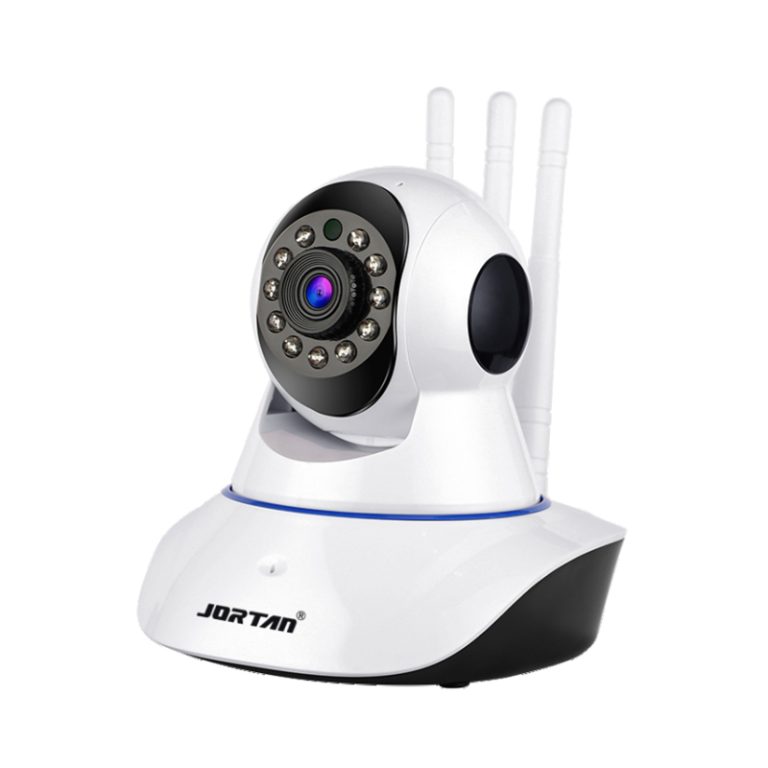
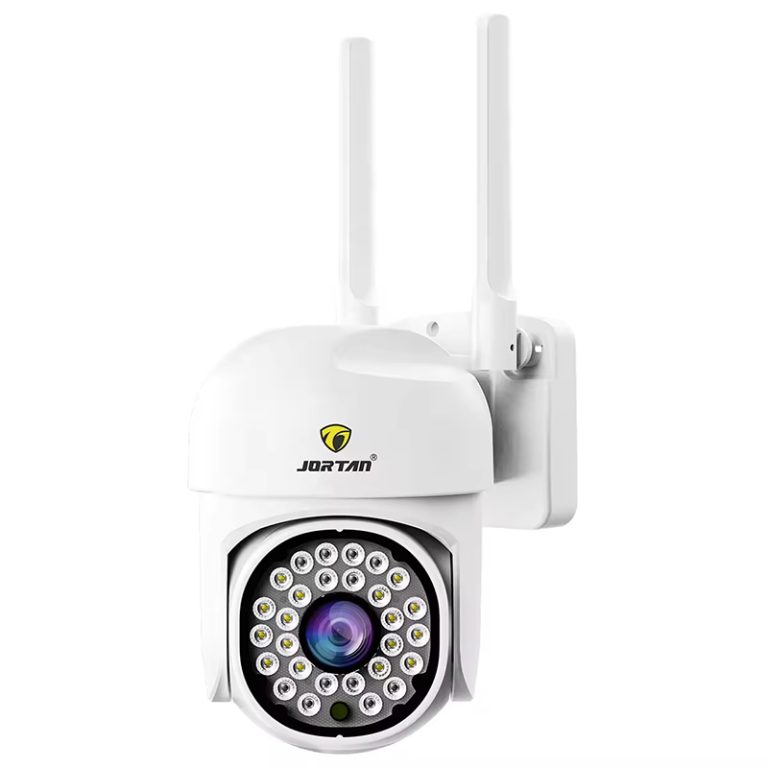
A standard product such as the JT-8293QJ white label camera can anchor a launch SKU. The channel gets a clear, repeatable spec. Speed is the edge. The brand owner still owns the customer expectation the listing sets up.
Where White Label Can Become Constrained
A standard model shares its firmware branch, app behavior, housing, and parts with other buyers. A different lens. A private color. New alarm logic. A special storage rule. The supplier can read any of these as a new development, not a small revision. MOQ and timing move with it.
Before launch, the model has to stay the model. A firmware update, a chip swap, and a new accessory part. Each one can change the behavior. A familiar name proves nothing. The approved unit, the software version, the package, and the acceptance points get filed together.
OEM Creates More Room, umnd More Ownership
OEM earns its place when demand repeats. The customer segment is known. The brand has a specific reason to own more of the experience. The look. A set lens and sensor pairing. How the software behaves. Packaging. A whole product family. Not a relabeled stock unit.
The Brand Brief Must Be Technical
A workable OEM brief runs deep. Scene, lens, resolution. Night mode, network route, storage. App behavior and alert logic. Accessories, housing, labels, carton, manual. Test method and after-sales replacement. Must-have items get pulled apart from the nice-to-haves. “Premium AI camera” is a vague ask. It turns into a cost fight and an approval argument later.
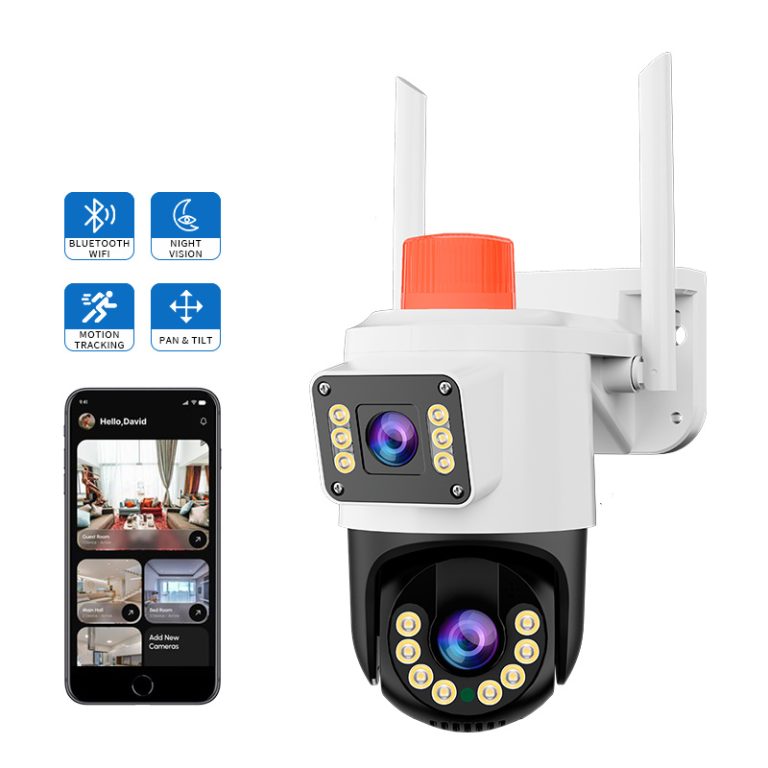
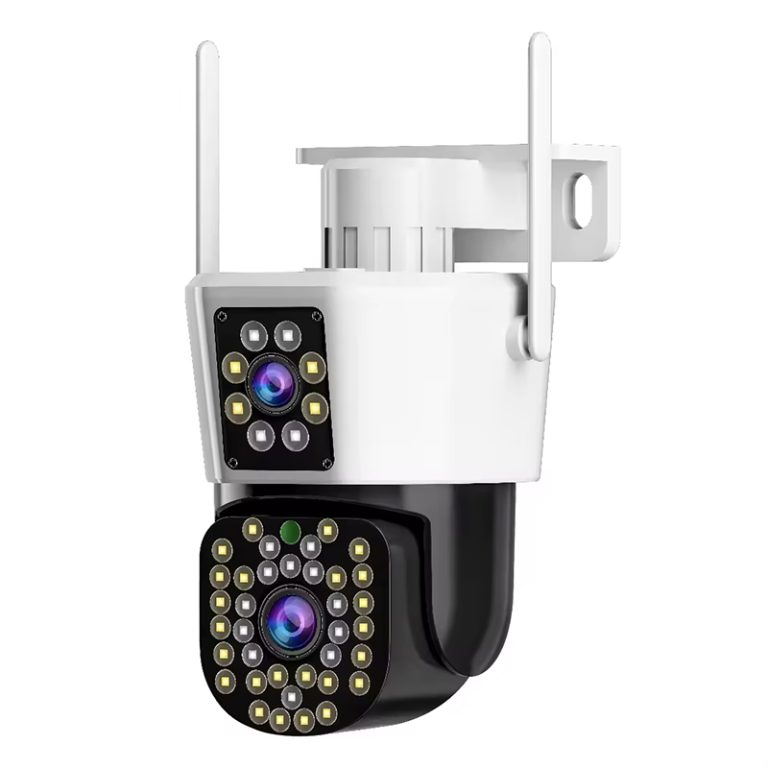
O JT-8698pro oem camera sets a product-family reference. A dual-lens build. Outdoor duty. Tracking, storage. Those directions open from that page. The page itself is not an OEM spec sheet. The buyer still needs the exact approved configuration.
OEM Changes the Responsibility Split
More customization also creates more review work. Prototypes, firmware, labels, packaging, samples and after-sales procedures need approval. The supplier should state what is supplied, what is tested, what is proprietary and what may change without notice. A private-label camera is not ready for scale until the service team can support the exact configuration sold.
Jortan’s OEM/ODM materials describe logo customization, packaging box design, product appearance customization, mold opening, APP customization, and software reengineering as available cooperation directions. These capabilities can support a new brand, but each item should be confirmed in a written scope with samples and acceptance criteria.
The buyer should also compare standard product supply with deeper OEM/ODM support. Standard products can suit quick trials and small channel tests, while private-label programs require a clearer link between the camera, packaging, APP guidance, sample approval, inspection, and after-sales response. This distinction should be made before the brand promises a feature that the selected platform cannot carry.
Choose By Brand Stage, Not By Vocabulary
Demand still uncertain? A standard model gives the channel something concrete to test. Price, installation friction, return reasons, and support questions. The real signal sits in those. Repeat orders can justify OEM work down the line. A proven product gap makes the case even stronger. A staged path usually carries less development risk than loading every custom feature into launch.
Four questions do the deciding. Launch timing comes first. Then the features that truly differ. Packaging, tooling, software. Who ends up paying? And if the supplier swaps a component, the customer promise needs an owner. The word “OEM” in a quotation is a side argument. The real weight sits in those four answers.
Protect the Transition
A white-label to OEM move needs the records kept. Original sales data, return reasons, sample records, and firmware history. They become the evidence for development. They also stop the new model from adding features nobody asked for. The issues that drove support calls stay in view.
A brand review of an OEM e ODM brand review needs a short list. Target market, expected volume, and package. Software, sample process, mold question. Long-term support at the end. That gives a Jortan camera manufacturer a usable brief. White label, semi-custom, full OEM. The buyer then has actual ground for choosing.
Launch speed gets checked. Replenishment stability should get the same check. Can the standard model come back with the same configuration? Does a packaging change raise another minimum? Sample timing and repeat-order timing rarely match. Ask how far apart. Model stability, app support, inspection, and after-sales response. One supplier review covers all four.
Conclusão
White label cameras work for a fast, lower-risk test. The product already exists. OEM makes sense later, once demand settles. The brand should hold a real reason to own the spec, the look, the software, or the packaging. Staging usually wins. Validate the channel with a standard unit first. Then put money into changes that fix a proven market problem.
Perguntas frequentes
Q1: Is white label always cheaper than OEM?
A1: Often, because fewer development steps are involved. The final cost still depends on packaging, firmware, accessories, testing and MOQ, so compare the full quotation rather than the label alone.
Q2: Can a white label camera use a private app?
A2: Only when the platform and supplier scope support it. App ownership, customization, maintenance and recurring service terms should be confirmed before a private app is promised to the channel.
Q3: When should a new brand consider OEM?
A3: Consider OEM when repeat demand is visible and a defined hardware, software, appearance or service difference solves a known market problem. A custom feature without a clear buyer need adds approval work without necessarily adding value.