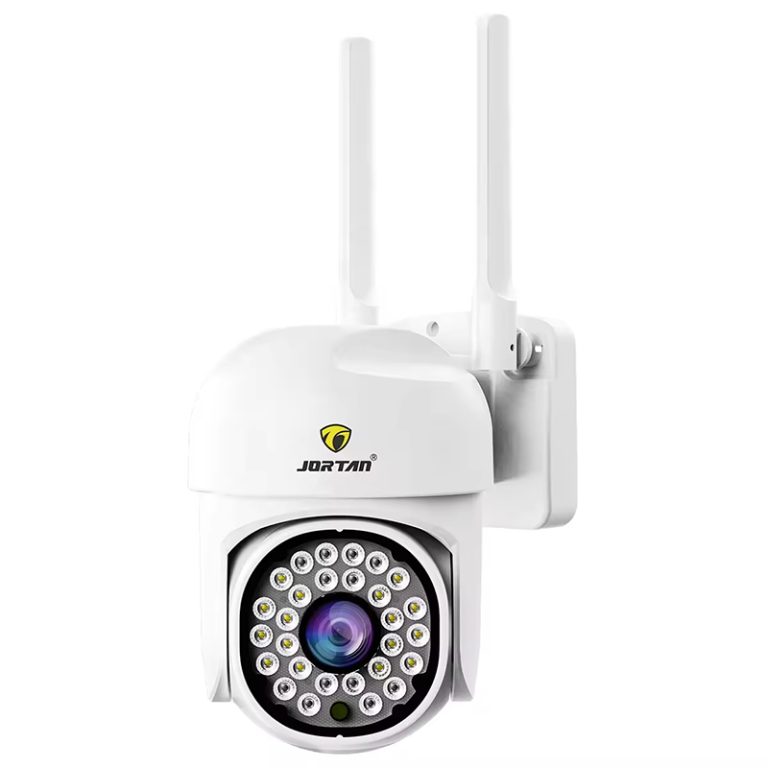
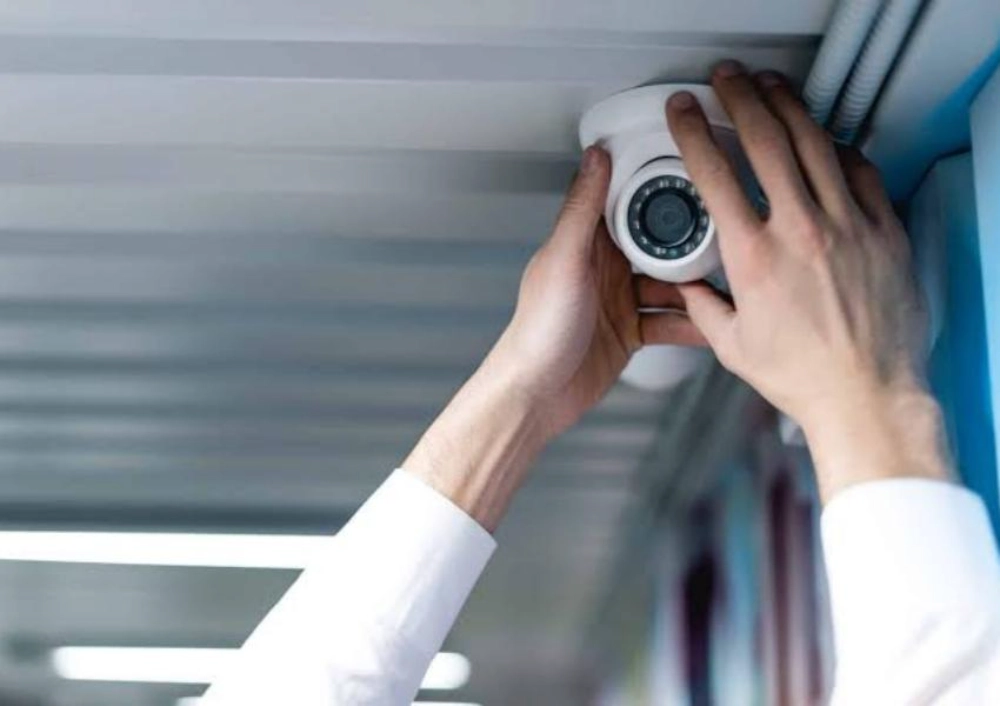
"Sem Wi-Fi" nem sempre significa "sem rede". Essa distinção é importante para fazendas, armazéns, cabanas, canteiros de obras, depósitos e casas de veraneio. Uma câmera sem Wi-Fi ainda pode usar Ethernet, PoE, 4G, um NVR local, modo AP direto ou armazenamento em um cartão. Ela também pode gravar sem acesso remoto, exigindo que alguém recupere as imagens no local. A opção ideal depende se o comprador precisa de alertas em tempo real, visualização remota diária ou apenas gravações após um incidente.
Não ter Wi-Fi não é o mesmo que não ter rede.
Gravação local sem acesso remoto
O Wi-Fi é apenas um dos métodos de transmissão. A Jortan oferece cabo coaxial, par trançado, transmissão por linha de energia, fibra óptica, Wi-Fi e 4G como possíveis caminhos de transmissão para câmeras. Uma câmera sem fio pode reduzir a quantidade de cabos, mas ainda precisa de um canal de comunicação caso o comprador deseje visualização remota. A câmera mais simples, sem Wi-Fi, grava em um cartão Micro SD, cartão TF, um NVR ou outro dispositivo local. Isso pode funcionar para um galpão com pouco movimento ou um depósito temporário onde alguém possa verificar as gravações posteriormente. A desvantagem é o tempo de resposta. Se não houver rede disponível, os alertas, a visualização ao vivo e o backup na nuvem podem não chegar ao proprietário durante o evento.
Rede local com fio ou PoE onde o cabeamento for viável
Em edifícios com infraestrutura de cabeamento já existente, o uso de IP cabeado ou PoE pode ser uma solução mais limpa do que tentar estender o Wi-Fi por paredes ou racks metálicos. 8 canais PoE NVR kit Oferece aos compradores uma maneira concreta de pensar sobre gravação centralizada, cabeamento de rede com alimentação, caixas de câmeras IP66 e armazenamento NVR em um único pacote. Essa opção é ideal para armazéns, lojas e escritórios remotos com infraestrutura local estável.
Câmeras 4G para propriedades remotas
O sinal deve ser testado no ponto de montagem.
Uma câmera 4G pode ajudar quando não há banda larga nem Wi-Fi, mas não é garantia de cobertura. O chip SIM precisa funcionar no local onde a câmera está instalada, não apenas na rua. Árvores, construções metálicas, terreno, clima, sobrecarga da operadora e posicionamento da antena podem afetar o desempenho. Sempre teste a qualidade do sinal no local onde o dispositivo será instalado.
Energia solar e 4G resolvem problemas diferentes.
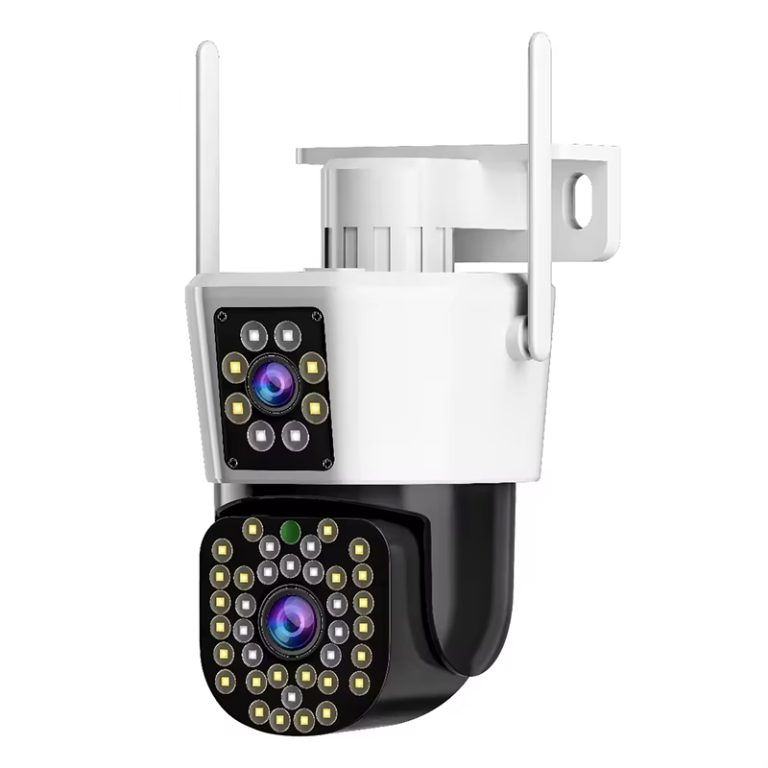
Jortan descreve kits de câmeras 4G solares de baixo consumo para locais sem redes e eletricidade, com painéis solares, design de baixo consumo e visualização remota por telefone ou computador. Isso torna a solução solar com 4G relevante para fazendas, portões remotos, instalações de água e pátios de materiais. JT-8293QJ câmera solar Pode ser usado como referência de produto quando o comprador precisa de uma câmera de direção externa em vez de uma unidade Wi-Fi interna.
Como escolher entre 4G, PoE e armazenamento local
A escolha de uma câmera de segurança sem Wi-Fi depende mais das condições reais do local do que do tipo de câmera em si. Os compradores devem comparar a disponibilidade de energia, o acesso à rede, a frequência de manutenção e a importância dos alertas em tempo real antes de selecionar uma solução.
Uma câmera de segurança 4G é adequada quando o local possui cobertura celular confiável, mas não conexão fixa à internet. Ela permite acesso remoto por meio de um cartão SIM e funciona bem em fazendas, áreas de construção temporárias, estacionamentos e entradas isoladas. No entanto, os custos contínuos de dados e a estabilidade do sinal devem ser incluídos no orçamento do projeto.
Um sistema de câmeras PoE geralmente é a melhor opção para locais com infraestrutura de cabeamento existente. O Ethernet fornece tanto a transmissão de dados quanto a alimentação, tornando a instalação mais previsível para armazéns, edifícios comerciais e grandes propriedades. A principal consideração é se a instalação de cabeamento é viável para o local.
O armazenamento local é a opção mais simples quando o monitoramento remoto não é necessário. Câmeras com cartões Micro SD ou gravação NVR podem preservar as imagens sem uma conexão com a internet. Essa abordagem reduz a dependência da rede, mas exige acesso físico quando os usuários precisam revisar as gravações.
Para muitos projetos profissionais, a solução mais confiável combina múltiplos métodos. Uma câmera 4G com armazenamento local, um sistema PoE com backup em NVR ou uma câmera alimentada por energia solar com gravação na borda podem reduzir o impacto de uma única falha. A solução ideal não é aquela com mais recursos, mas sim aquela que continua gravando nas condições reais do local de instalação.
Melhores opções para cenário remoto
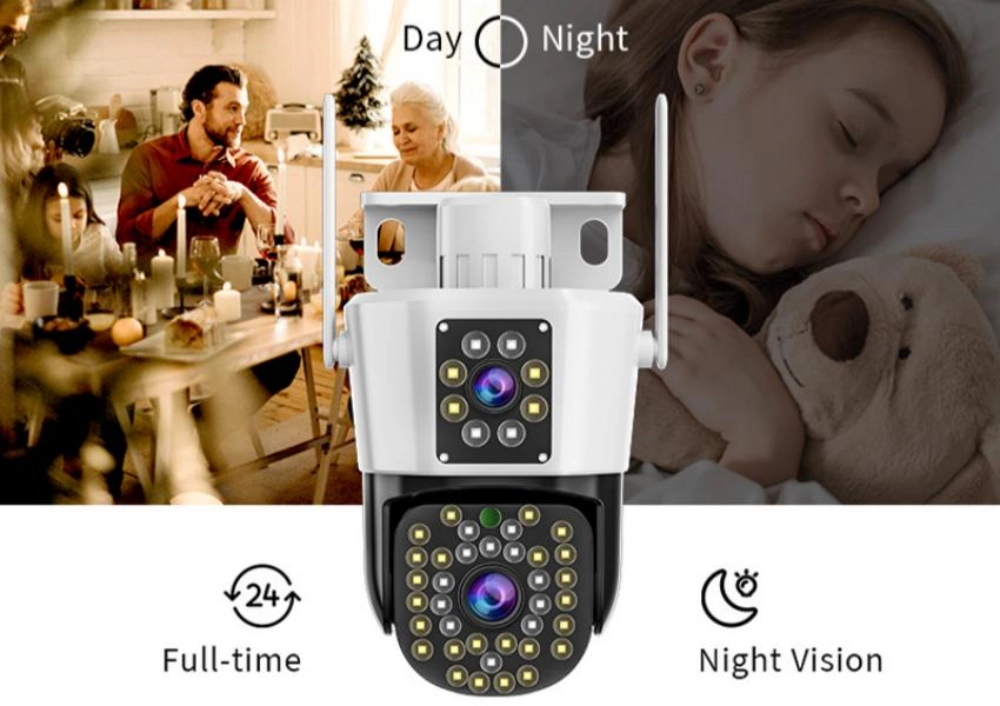
Combine a câmera com o padrão de falha do local.
Diferentes locais remotos apresentam falhas de maneiras diferentes. O portão de uma fazenda pode ter luz solar, mas um sinal de celular fraco. Um anexo de armazém pode ter energia elétrica, mas Wi-Fi ruim. Uma casa de férias pode ter banda larga apenas em parte do ano. A escolha da câmera deve seguir o padrão de falhas. Fazenda ou rancho: 4G com energia solar ou bateria auxiliar, com armazenamento local e gravação conservadora de eventos. Canteiro de obras: 4G ou energia solar onde a energia é temporária, além de montagem visível e um plano claro para posicionamento à prova de roubo. Armazém ou pátio: PoE ou LAN cabeada se a fiação já existir; 4G para portões isolados ou áreas temporárias. Casa de férias: armazenamento local mais acesso remoto quando a banda larga estiver ativa; evite presumir que os alertas na nuvem funcionarão durante todas as interrupções.
Utilize toda a gama de produtos.
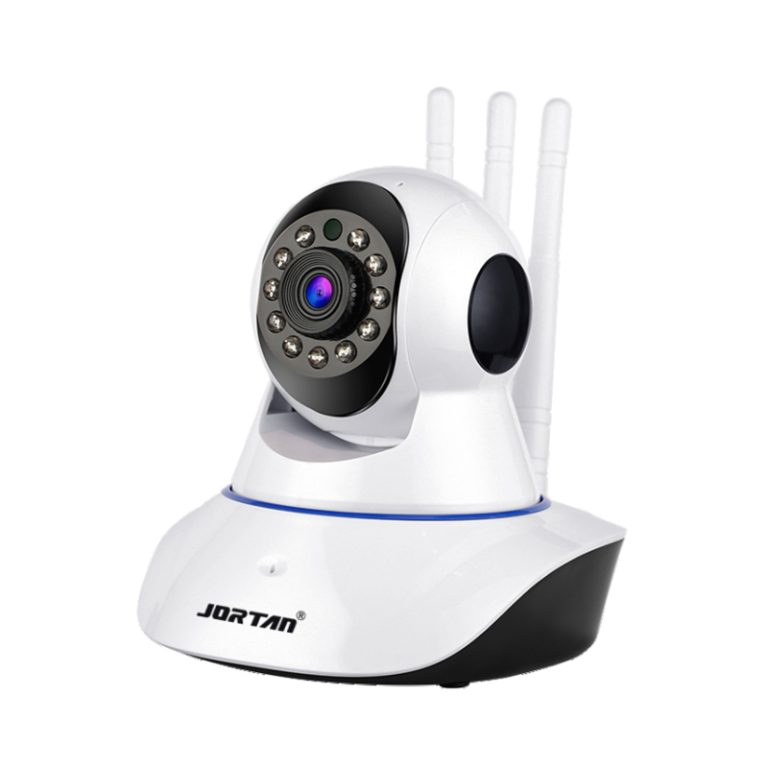
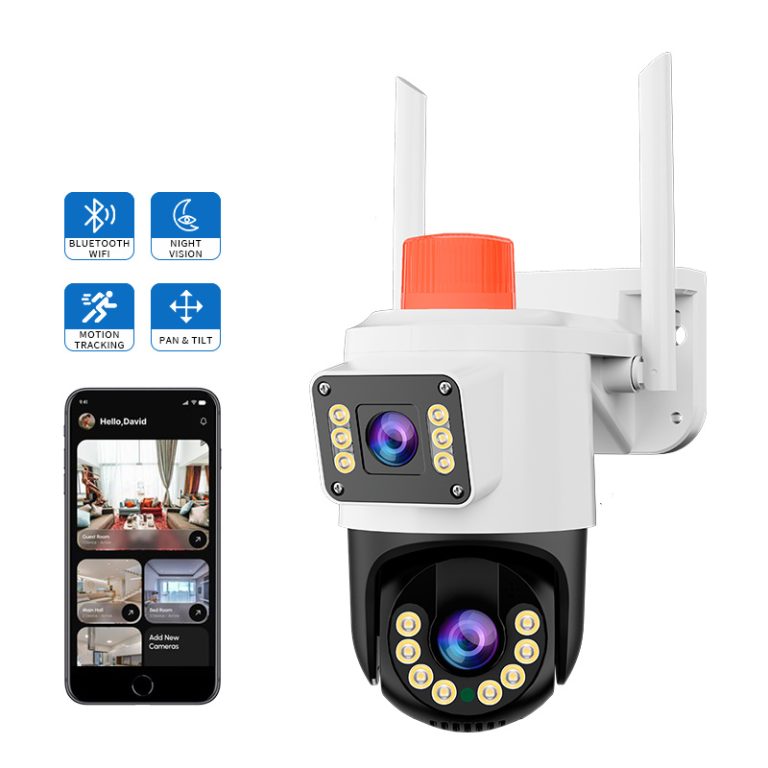
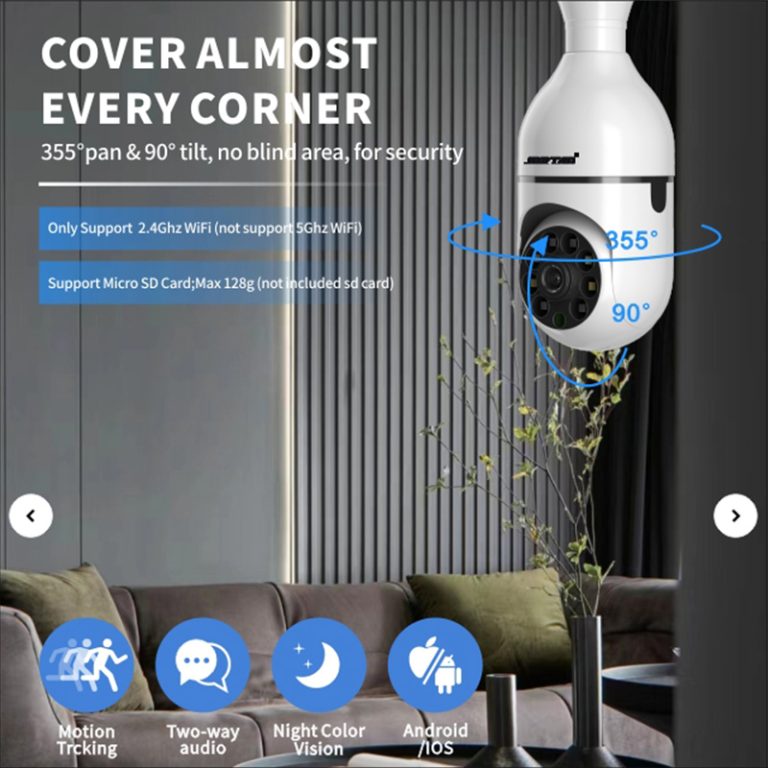
Para compradores que comparam uma gama mais ampla, JNo meio Pode ser usado para mapear opções de Wi-Fi interno, IP externo, energia solar e pacotes de gravação por local, em vez de vender um único produto como a solução para todas as propriedades remotas.
Verificações de Aquisição Antes de Encomendas em Grande Quantidade
Teste o caminho final, não a combinação do showroom
Antes de comprar em quantidade, verifique se o local possui energia elétrica, internet fixa, cobertura celular, instalação segura e acesso para manutenção de rotina. Em seguida, teste a amostra com o armazenamento final e o caminho do aplicativo. Não aprove um modelo apenas porque ele emparelhou com sucesso ao lado de um roteador de escritório.
A consistência é fundamental para a linha de produtos.
Uma câmera sem Wi-Fi ainda precisa de consistência no produto. A experiência de Jortan em produção e personalização inclui abertura de moldes, moldagem por injeção, montagem, testes, embalagem, personalização de logotipos, design de embalagens, personalização de aparência, personalização de aplicativos e personalização de cores. Para marcas que estão construindo uma linha de produtos para imóveis remotos, OEM/ODM suporte da câmera Pode ajudar a corrigir o comportamento do dispositivo, o pacote de acessórios, o guia do usuário e o processo de substituição antes que o produto chegue aos instaladores.
Conclusão
As câmeras de segurança podem funcionar sem Wi-Fi, mas o comprador deve definir o que significa "funcionar". Gravação local, PoE, LAN cabeada, 4G, energia solar e visualização direta/AP resolvem problemas diferentes. Para propriedades remotas, a melhor escolha é aquela que atende à disponibilidade de energia, qualidade do sinal, necessidades de armazenamento, acesso para manutenção e à importância dos alertas em tempo real. Um teste de campo no local de instalação real vale mais do que qualquer promessa genérica.
Perguntas frequentes
P1: As câmeras de segurança podem gravar sem Wi-Fi?
A1: Sim, se suportarem armazenamento local, gravação NVR ou outra conexão com fio/local. A visualização remota e os alertas na nuvem ainda exigem Wi-Fi, internet cabeada, serviço de celular ou outra rede.
P2: Uma câmera sem fio é a mesma coisa que uma câmera sem rede?
A2: Não. "Sem fio" geralmente significa que não há cabo Ethernet para dados, mas a câmera ainda pode precisar de Wi-Fi, 4G ou outro meio de sinal para acesso remoto.
P3: O 4G é sempre a melhor opção para propriedades remotas?
A3: Nem sempre. O 4G é útil onde o sinal celular é estável, mas PoE, gravação local ou LAN com fio podem ser melhores quando há cabo e energia disponíveis.