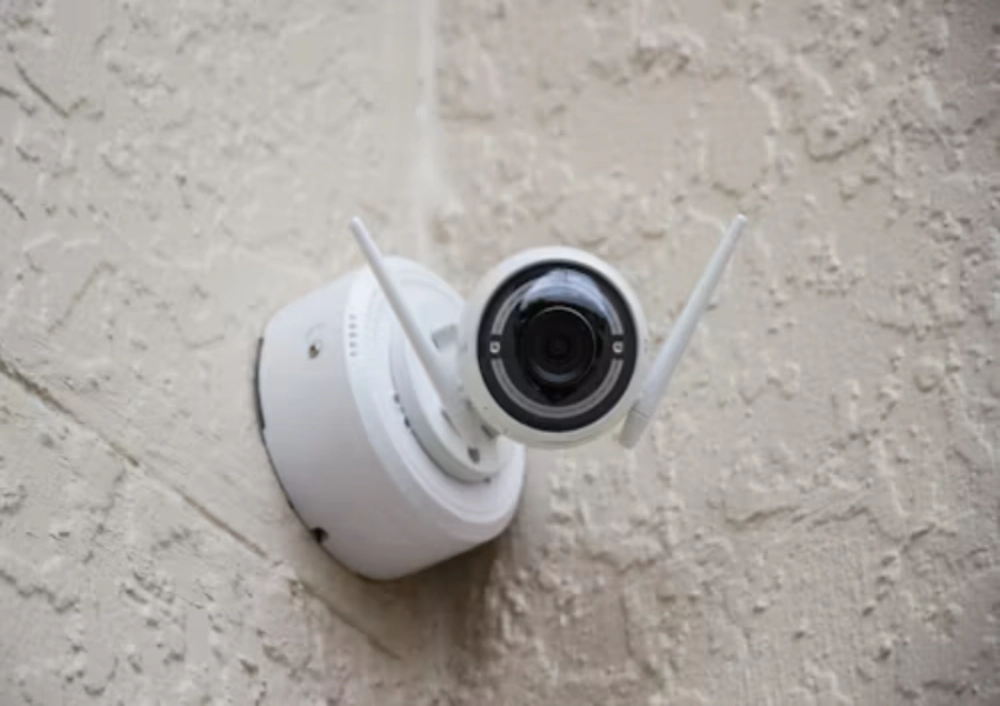
A solar security camera can look dependable through a bright autumn, then become unpredictable after several short, cold days. The camera has not necessarily failed. Winter changes both sides of the energy equation: daylight is weaker or arrives at a poorer angle, while the camera battery has less practical reserve when the temperature drops. For a remote gate, yard, temporary site, or farm, that gap can mean lost clips, late alerts, or a camera that remains offline until somebody visits the site.
The useful buying question is not whether a solar camera has a battery. It is whether the panel, battery, recording policy, radio link, and mounting position suit the winter workload. A wireless camera can reduce trenching, but it still needs a realistic energy plan. Suppliers should confirm the stated operating conditions and the intended recording mode before a bulk order is approved.
Cold Weather Changes The Energy Budget
Winter downtime usually comes from several small losses rather than one dramatic fault. A low-power camera wakes for motion, connects to a network, records video, may trigger lights or audio, and then returns to standby. When charge input falls, each of those actions matters more. Battery specifications alone cannot predict the result because scene activity, night events, signal quality, and storage behavior all add to the daily load.
Battery Reserve Is Not The Same As A Runtime Promise
Security cameras may use DC power, solar energy, or battery packs, and low-power solar designs commonly pair the battery with PIR-led wake-up behavior. That architecture can be a practical fit for a location without a fixed power line, but it is not a promise of a fixed number of days. Cold weather, frequent wake-ups, a weak cellular or WiFi signal, and long night-time clips all reduce the reserve available to the camera battery.
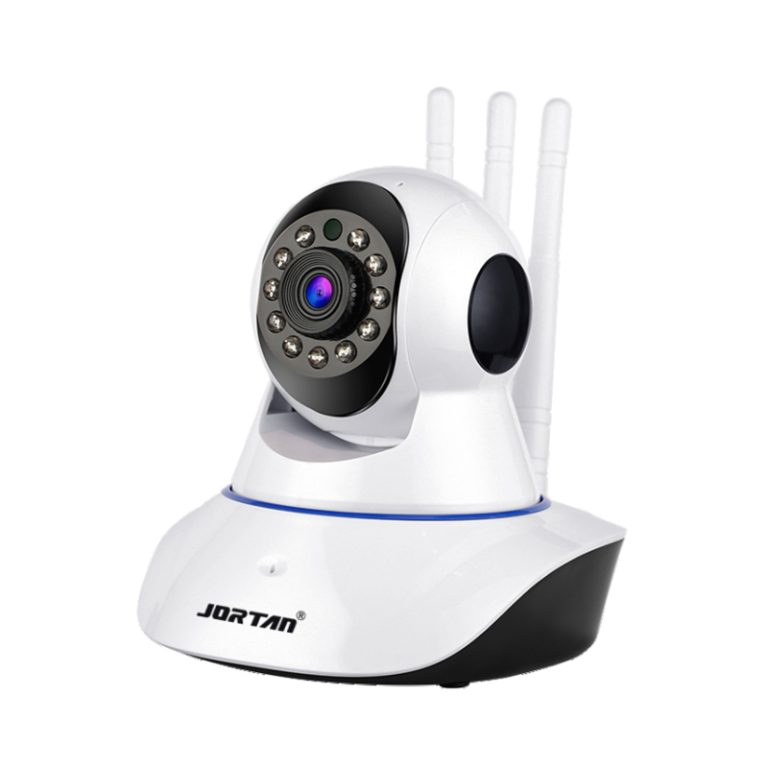
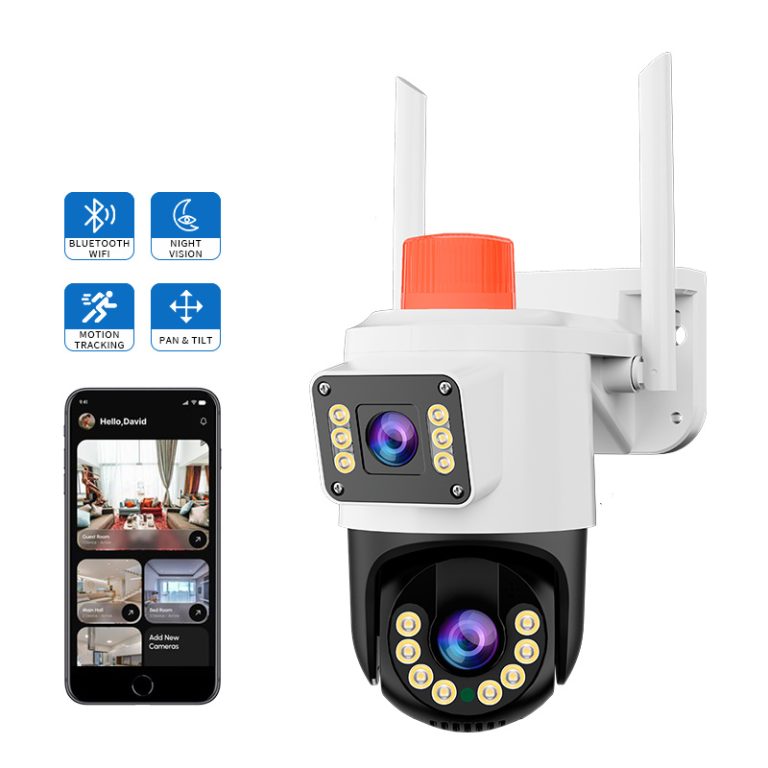
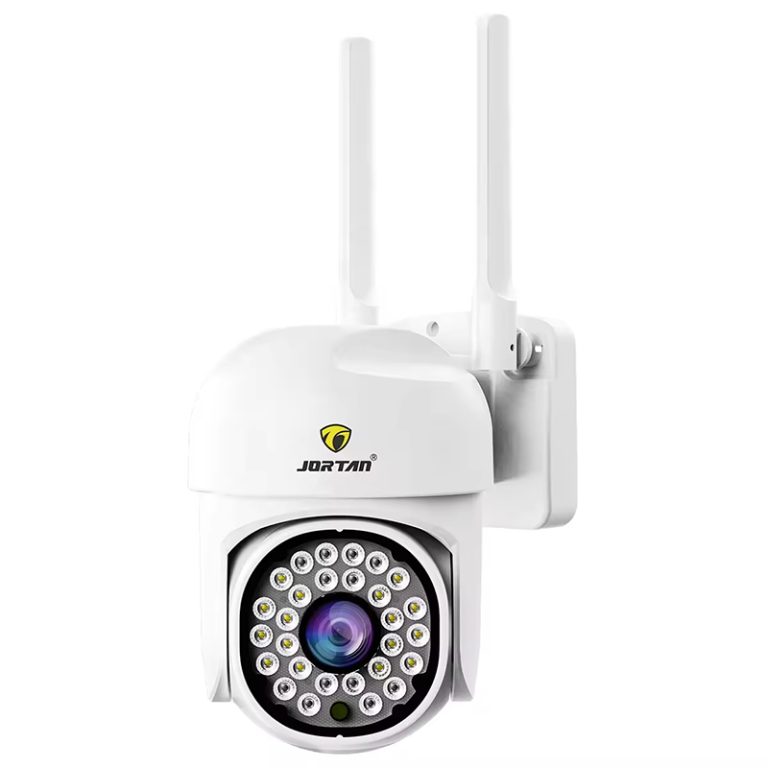
Ask Jordán to state what the model does when power is low. Does it preserve event recording, reduce live-view availability, send a low-power notice, or shut down? This is a procurement check, not a cosmetic feature. A model such as the JT-8293QJ cámara solar should be reviewed with its approved panel size, battery configuration, storage mode, and firmware version rather than treated as interchangeable with every solar camera.
Place The Panel For The Shortest Winter Day
A panel that sees open sky in summer may spend part of winter behind an eave, a bare branch, a sign, or a neighboring structure. A small shadow at the wrong time can be more important than a slightly larger panel on paper. Survey the intended mounting point during the season that puts the least light on the site, and keep the panel angle and cable route practical for cleaning and inspection.
Separate Camera Position From Panel Position
The best viewing angle is not always the best charging angle. Treat the panel and camera as related but separate installation items when the product design permits. A camera facing a gate may need to sit under cover, while the panel needs a clearer sky view nearby. Check cable protection, mounting stiffness, water shedding, and whether the final position keeps the outdoor camera accessible for seasonal cleaning.
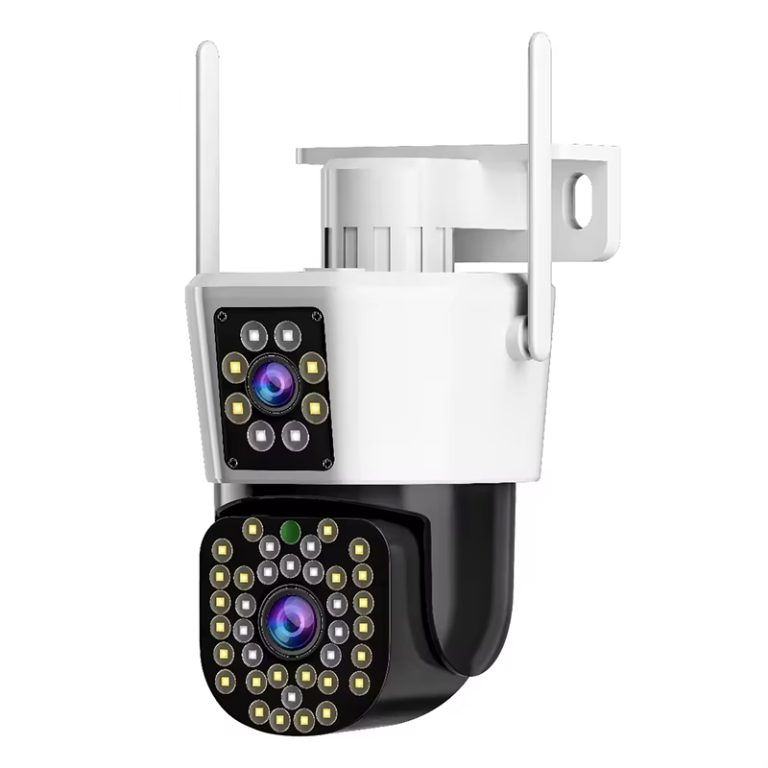
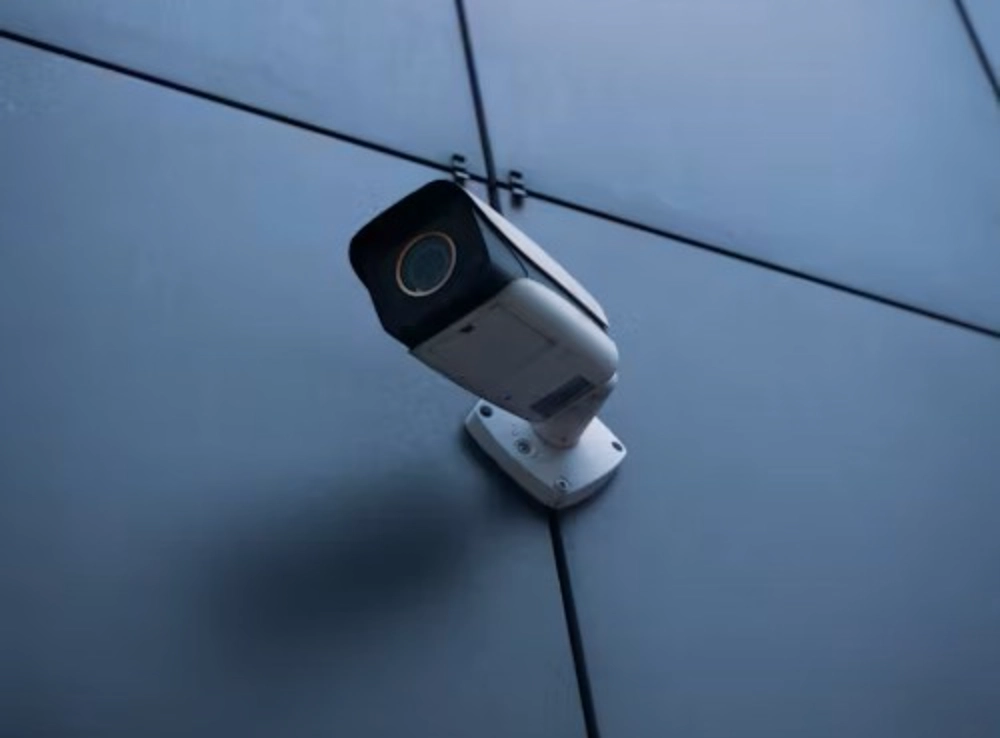
Outdoor bullet-style cameras are commonly built with IP66 or IP67 housing directions, which helps with dust and rain exposure. That marking does not repair a loose connector, a pool of water around a cable entry, or a panel shaded by a new object. For a solar-focused quotation, the cámara solar can help separate the camera body, power path, recorder, and network equipment instead of treating them as a single unnamed item.
Reduce Wasteful Load Before Adding Hardware
Winter performance is often improved by trimming needless activity before adding a second panel or larger battery. Continuous remote viewing, repeated notifications, broad motion areas, and long recordings from harmless movement can drain a low-power design. The right recording policy depends on the security goal. A quiet storage yard and a busy delivery entrance should not be configured in the same way.
Match Detection And Recording To The Site
PIR sensing is widely used in low-power camera designs because a change in infrared energy can wake the device from standby. It should be aimed at the route that matters, not across every moving tree branch or roadway. Review the trigger zone after installation, then check actual clips at night. A narrow, useful event rule normally saves more energy than a blanket setting that records every irrelevant movement.
Local storage, cloud upload, and remote live view draw on different parts of the system. A camera may still have a usable battery while the wireless path is poor, or it may record locally while remote access is intermittent. A second outdoor reference such as the JT-8695PRO outdoor camera is useful when buyers compare camera power, transmission, storage, and notification behavior instead of adding parts after the first cold-weather outage.
Approve Winter Readiness With A Site Test
A sample trial should use the final mounting height, panel position, expected network, and the actual event schedule. Record the battery trend, daily charge recovery, recorded clips, alert delivery, and local playback through several poor-light days. This gives the buyer a practical baseline without inventing a universal winter runtime. Repeat the test after a major change to angle, storage policy, or radio path.
Keep A Simple Recovery Plan
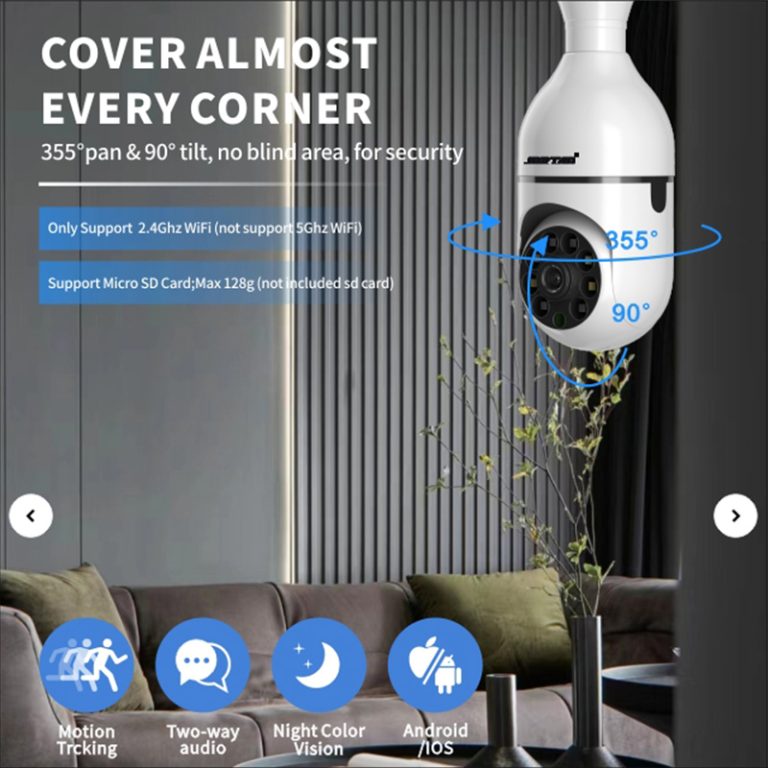
For hard-to-reach sites, write down who checks the panel, cleans it, verifies cable seals, and reviews the battery warning. Keep an approved configuration record so a replacement camera does not arrive with different recording or network defaults. The JT-8698PRO camera model can serve as another product reference, but the final winter decision should rest on the field trial and the supplier’s model-specific confirmation.
Also inspect the practical service window. A panel may be clean at handover but become covered by dust, leaves, frost residue, or construction debris later in the season. Agree on who can safely reach the panel and camera, how an alert is escalated, and what information must be checked before dispatching a technician. That small maintenance plan is often what turns an isolated winter event into a short visit rather than a prolonged coverage gap.
Conclusión
A solar security camera can work well through winter when the energy plan matches the site. Treat battery capacity as one part of the decision, alongside short-day charging, panel placement, event rules, storage, and the wireless path. A realistic field test catches more problems than a generic runtime claim and gives installers a record they can repeat across the next site.
Preguntas frecuentes
Q1: Why does a solar security camera lose power faster in winter?
A1: Shorter or weaker daylight can reduce charging while cold conditions and heavier night-time activity leave less usable battery reserve. Motion frequency, live viewing, storage, and network quality also affect the daily load.
Q2: Will a larger battery prevent every winter outage?
A2: No. It can add reserve, but poor panel placement, shade, excessive event recording, and a weak radio link can still drain available power. Check the whole energy path before changing hardware.
Q3: What should a winter solar camera trial include?
A3: Test panel position, battery trend, event clips, night behavior, remote access, local playback, notification delivery, and recovery after several low-light days at the final site.