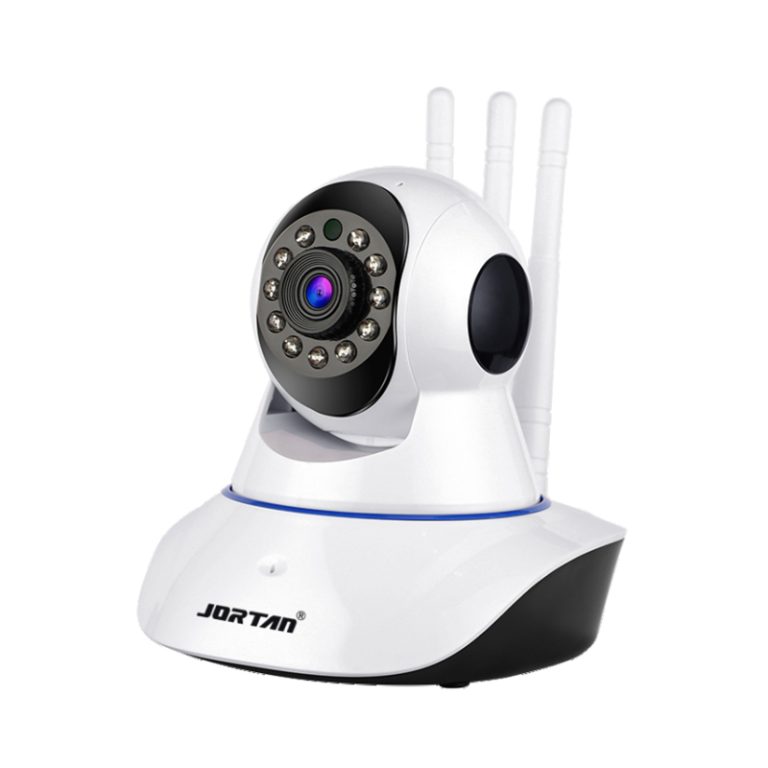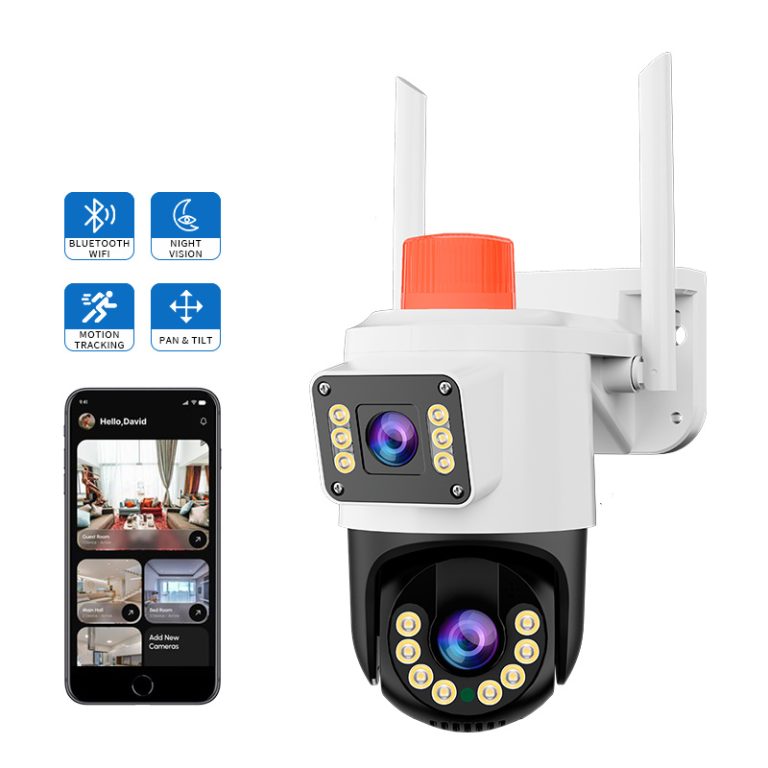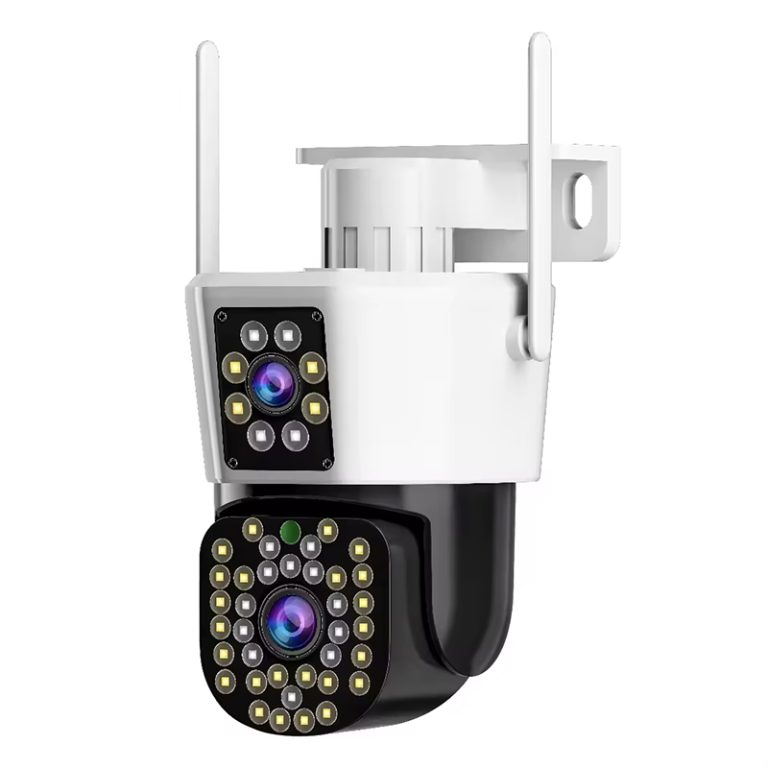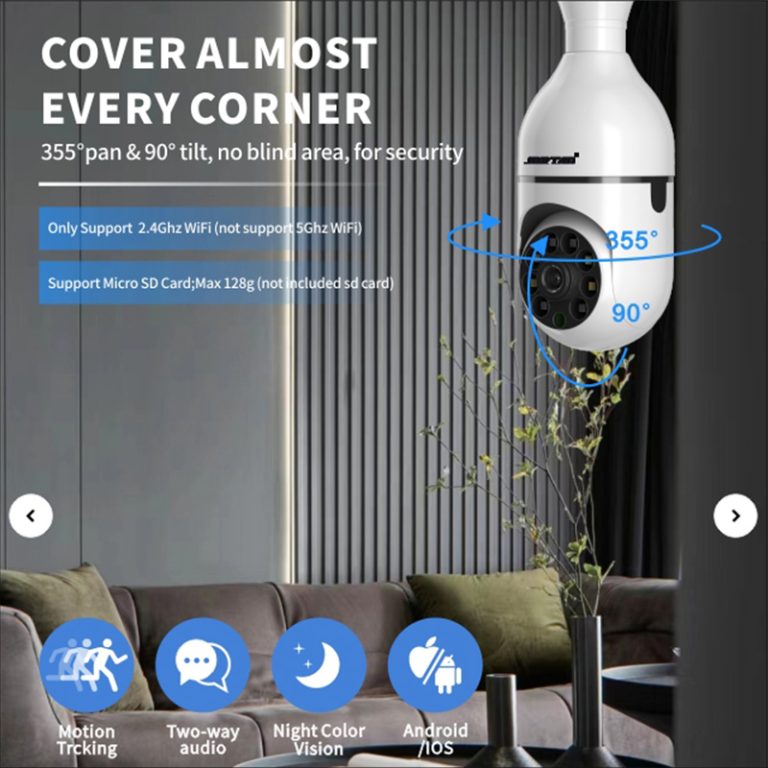

A private label camera ships under the buyer’s logo. The app on the customer’s phone carries the buyer’s name too. The firmware inside the camera carries neither name, and that silence is exactly where disputes start. Three assets sit behind every cámara de marca privada launch: the app, the firmware, and the cloud service. Someone owns each one, someone pays to maintain each one, and someone is stuck holding the account when something breaks. Most OEM contracts written in a hurry say nothing about any of it. The ownership questions, and the answers that hold up years later, get answered below.
The app layer has more owners than the logo suggests
A customized camera app is usually several separate systems sitting under one icon. The vendor’s base app belongs to the manufacturer or the platform it runs on. The skin, the splash screen, and the store listing belong to the buyer’s brand. Push notifications, store accounts, and developer certificates often belong to whichever party registered them. And the update pipeline, the thing that silently decides whose review queue the next release waits in, belongs to whoever holds those certificates. An Cámara OEM program that never names these owners discovers them the hard way, usually the first time an iOS policy change forces an emergency release and nobody can say who logs into the developer account.
Practical answer: the contract names each of the four stacks and the credential that controls it. Developer accounts, signing keys, and store listings get registered under a party chosen on purpose, not by whoever happened to click first. Escalation contacts get written down while everyone is still friendly.
Firmware ownership is really update authority
Nobody fights over a binary file. What matters is who decides when field devices change. Firmware ownership breaks into three separable rights. The right to build and sign new firmware. The right to push it to deployed devices, and to which devices. And the right to access the source, or at minimum to demand fixes, if the relationship ends. White-label programs routinely grant the first two to the manufacturer and forget to define the third. That is the version of the deal where a buyer with ten thousand units in the field owns hardware it cannot compel anyone to repair.
The workable split for a wireless camera program keeps signing and pushing with the manufacturer, since they hold the toolchain and the security obligation. The buyer gets contractual rights instead of code: a stated support window, a maximum response time for security fixes, a notice period before any service the shipped firmware depends on gets retired, and an escrow or last-date source clause sized to the order value. A buyer with one container of cameras buys the first two. A buyer with a fleet buys all four.
The cloud service nobody priced at quotation
Every camera paired to an app creates a bill someone eventually reads. The cloud line covers video relay and storage, device registration, and account management. Three commercial traps repeat across private label deals. Per-device cloud fees quoted at activation rates that assume a free tier nobody activates. Data residency handled by whoever built the platform first, which becomes a market-access problem the day the SKU ships to a region with strict rules. And account portability, since camera claims and customer accounts usually live in the manufacturer’s platform, which means a terminated relationship can strand end users with an app that pairs to nothing. That last trap is why cloud terms deserve the same negotiation time as unit price, and why a supplier like Jordán gets asked about them at quotation stage.
Terms that hold: per-active-device pricing written against the actual activation model. A stated data center region and a migration path if it changes. An export mechanism for the device registry and end-user accounts, tested once during acceptance rather than promised on paper. A wind-down clause: if the program ends, existing devices keep working on the shipped app for a defined minimum period.

Writing it once, correctly
One page settles most of this. A schedule attached to the manufacturing agreement lists every asset in the program, the app accounts, the signing keys, the firmware signing authority, the device registry, the cloud tenancy, and names the owner and the payer of each. It records the handover state, what transfers at termination and in what order. Both parties sign it at kickoff, when the answer costs nothing. Ask for that page through the equipo de contacto before tooling money moves, and the three-year ownership surprise mostly stops existing.
Conclusión
The app, the firmware and the cloud service sit behind every launch, and the logo printed on the box transfers ownership of none of them. The app layer gets owned through accounts and certificates, so name the holder. Firmware gets owned through signing keys and update authority, so trade code access for enforceable service rights sized to the fleet. The cloud gets owned through the contract’s pricing, residency, portability, and wind-down clauses, because a stranded device registry is the most expensive sentence never written. One signed asset schedule at kickoff, and every later dispute has a document to point at instead of a memory.
Preguntas frecuentes
Q1: In an OEM camera program, who should own the app store listing?
A1: The party that funds the brand normally should, and the developer account behind it should carry named contacts from both sides with documented access. What matters is that the answer is written down before launch, because a hijacked or orphaned developer account is unfixable on marketing’s timeline.
Q2: What is a fair firmware arrangement without source code?
A2: Signing and pushing stay with the manufacturer. The buyer holds contractual rights instead: a named support window, a security-fix response maximum, notice before service retirement, and source escrow triggered by insolvency or abandonment. Sized to order value.
Q3: Which cloud terms matter most in private label deals?
A3: Per-active-device pricing, the stated data region, a tested export path for the device registry and user accounts, and a wind-down clause that keeps shipped devices functional on the shipped app for a defined period.