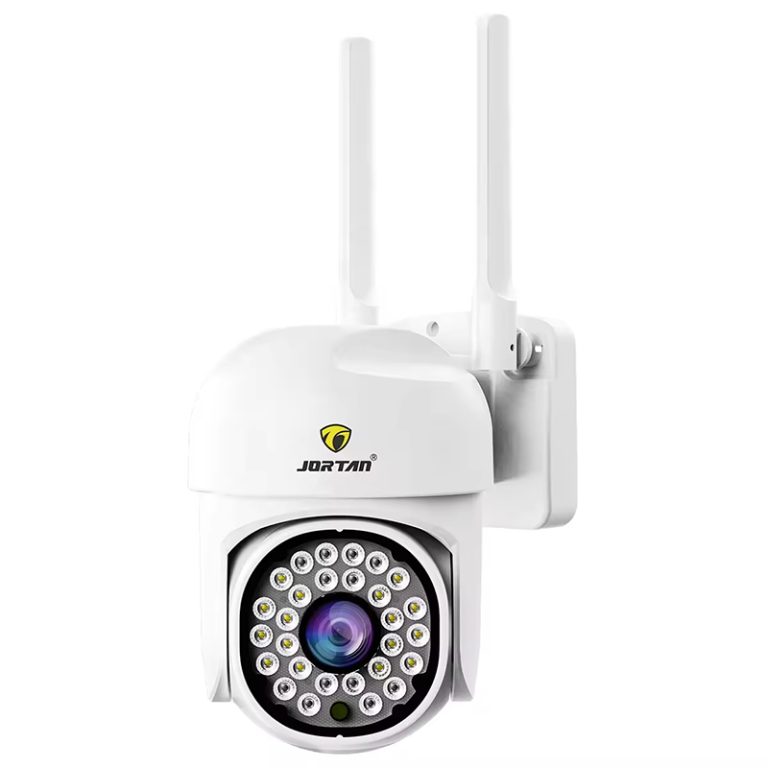
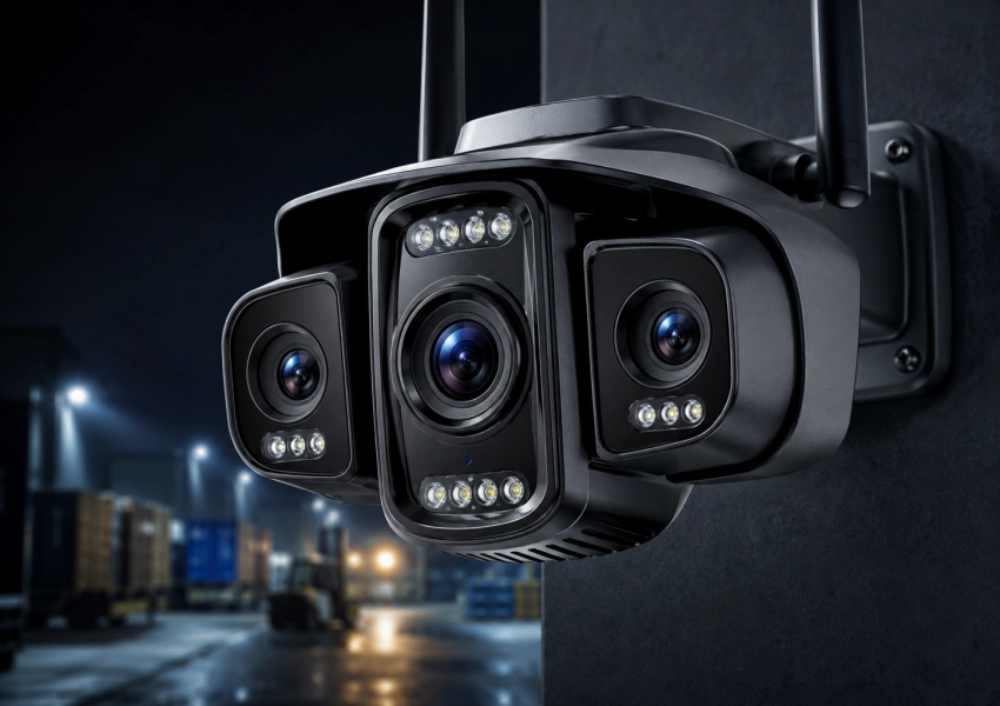
Triple-lens security cameras attract attention because they suggest wider coverage with fewer housings and fewer installation points. That can be true. It can also hide a more complicated question: what does each lens record, how are the views stored, and does the site really need all of them? A third lens is valuable only when it solves a defined viewing gap. Without that, it can add cost, settings, and support work without improving the usable record.
For a distributor, installer, or buyer building a product range, the lens count should never be the full product story. The decision belongs to the scene. A retail frontage, wide driveway, warehouse apron, and large yard have different risks. Define the required overview, close detail, night picture, mounting height, and evidence handoff first. Then decide whether a triple-lens camera is a better answer than several fixed cameras or a fixed camera paired with PTZ coverage.
Three Lenses Need Three Clear Jobs
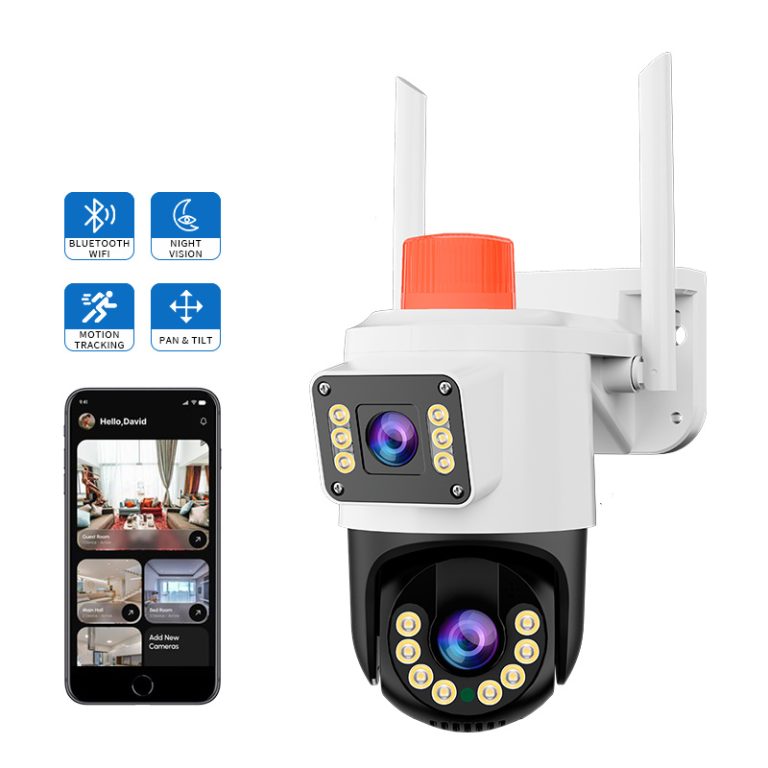
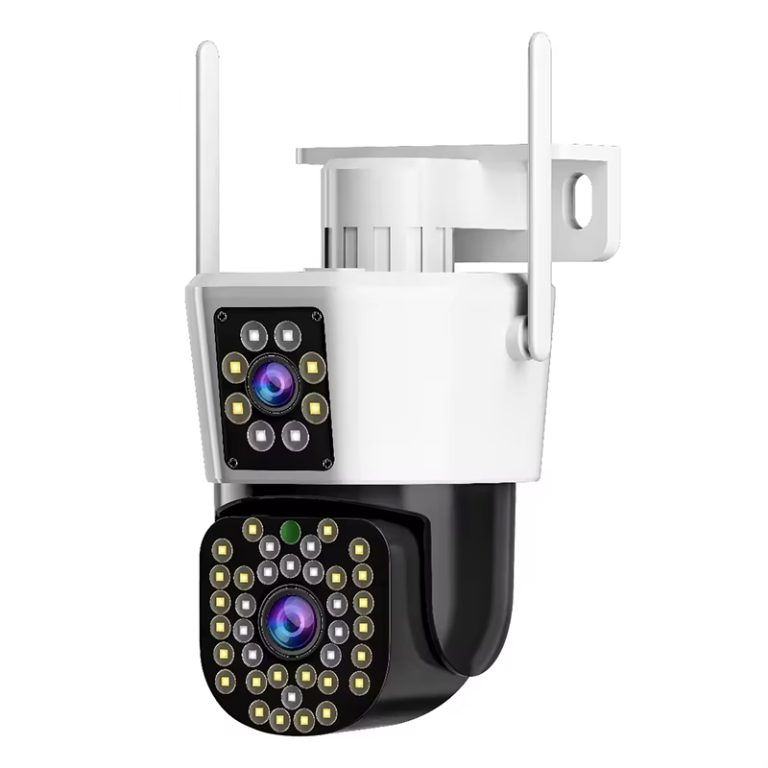
Multi-lens camera categories include multi-eye linkage and panoramic arrangements. The practical benefit is that more than one angle can be available at the same time. That benefit is lost when the extra viewpoint at low-value space or duplicates a nearby camera. During planning, name the job of each lens: overview, entry point, vehicle route, side passage, or detail zone. A clear job makes the footage easier to use after an incident.
Map Each View Before You Buy
Place the camera on a simple plan and sketch the intended view from every lens. Check wall corners, parked vehicles, shelving, trees, and changes in elevation. A triple-lens camera may reduce mounting points at a broad entrance, but it cannot see through physical obstructions. A model direction such as the 8906ZL3-8 multi-lens camera should be tested at the planned height and angle, with the latest product specification in hand.
The review should include how the views appear in the app or recorder. Are they separate channels, a combined view, or both? Can a user find the relevant clip quickly? Do all streams record at the desired setting? A third image has limited value if the team cannot locate it, store it, or explain which lens covered the event. Those questions prevent a lens count from becoming a confusing sales claim.
More Coverage Can Mean More System Load
Every additional view can create more video to transport, record, and review. Network cameras encode compressed video for transmission, and the total storage requirement follows bitrate, recording time, and channel count. A triple-lens device may reduce the number of physical housings, yet it can still increase the stream and storage design compared with a single fixed camera. Estimate the whole system before assuming a lower total cost.
Check Recorder And Network Capacity
Confirm recorder intake, decoding capability, storage capacity, switch uplinks, and remote playback before the purchase order. Continuous recording and event recording have different effects on the system, as do day and night scenes. The JT-8161QJ outdoor WIFI cámara category can support a product-path discussion, but the final quote should state exactly how many video streams the selected device creates and how those streams will be recorded.
Keep the field trial honest. Test busy periods, low light, remote viewing, playback, notifications, and recovery after a network interruption. A multi-lens CCTV camera should be judged by whether it produces useful footage in the difficult parts of the day, not only by a clean split-screen view at the supplier’s desk. Where storage limits are tight, confirm which recording choices preserve the important evidence.
Complexity Shows Up In Installation And Support
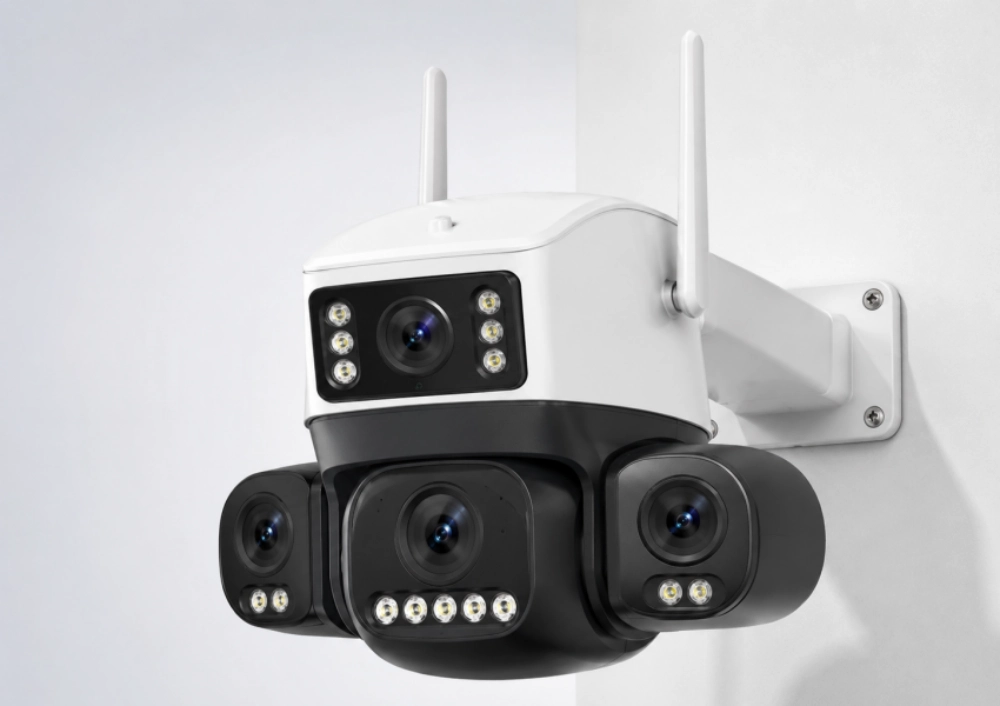
Triple-lens products may simplify cabling and mounting, but they can add configuration decisions. The installer needs to confirm lens direction, scene overlap, user permissions, network settings, storage policies, and the intended alert behavior. A good installation record matters because the buyer may need to support repeat sites months later. Complexity is manageable when the approved setup is written down and tested.
Use A Repeatable Approval Checklist
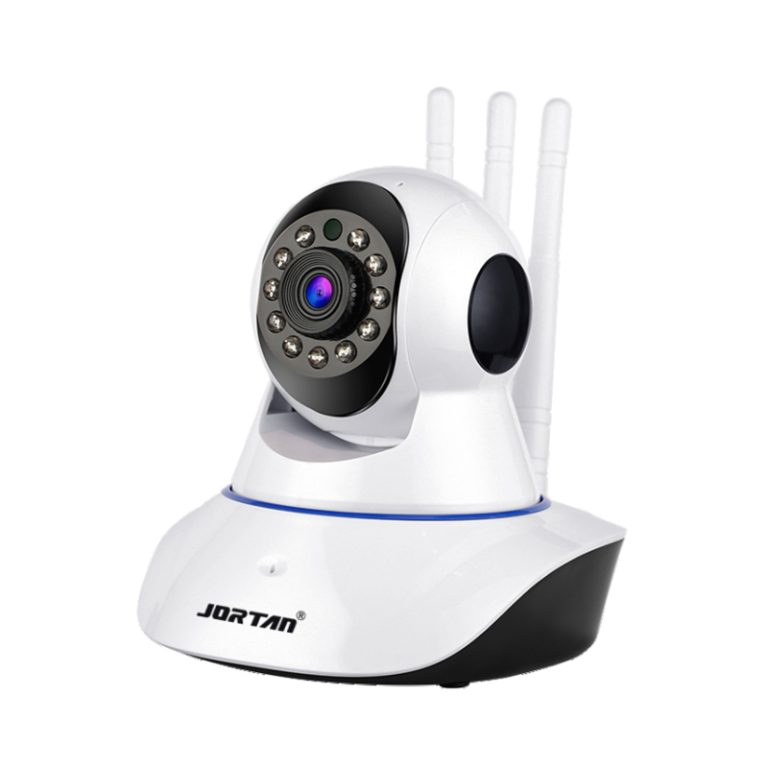
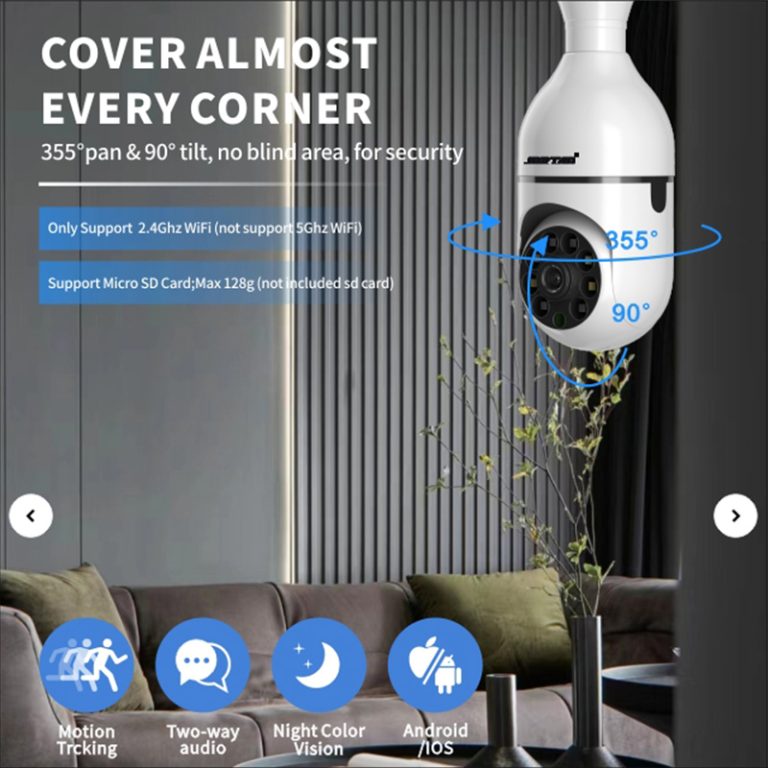
For each model, record the approved mount, height, viewing zones, recorder settings, storage policy, app version, and accessory list. This is particularly important for a consumer-facing camera line, where support calls often start with inconsistent initial configuration. The JTZ-160B indoor WIFI cámara can support conversations about packaging, accessory selection, private-label requirements, and repeatable setup documentation rather than treating every shipment as a new project.
Be wary of products that use lens count as a shortcut for quality. The useful proof is the delivered scene: clear coverage of the required zones, manageable playback, a workable night view, and a system that installers can commission again. A triple-lens camera can be a strong product when it removes a real blind area. It is less convincing when it simply adds another view with no operational purpose.
Compare Triple-Lens, Fixed, And PTZ Options Fairly
A triple-lens camera is not automatically better than a PTZ camera or several fixed cameras. PTZ equipment provides pan, tilt, and zoom, which can be useful for movable inspection and distance detail. Fixed cameras retain a steady view. Multi-lens designs offer simultaneous linked views. The decision should be based on whether the site needs permanent context, adjustable detail, or a mix of both.
Start With The Evidence Requirement
Ask what must be visible at the moment an event starts and what may need closer inspection later. For a product-range comparison, the JTZ-9690PRO PTZ cámara can anchor the wider supplier discussion. The specific choice should then be validated with a site sketch, a sample, and a playback review. That process turns a headline feature into a defensible buying decision.
There is also a training question. The people who review video should know which view covers which zone and how the recorder labels the streams. A three-view layout can be genuinely useful during an investigation, but only when it is easy to navigate. Include playback and export checks in the trial so the buyer sees the operational result, not merely a live preview with more windows on screen.
Finally, consider fault isolation. If a multi-lens device is responsible for several critical zones, document the temporary coverage plan for service periods. A spare fixed camera, a maintained nearby view, or a staged replacement process can be more valuable than assuming one compact housing removes every operational risk.
Conclusión
Triple-lens security cameras are worth considering when each view has a defined job and the recorder, network, and support process can handle the added complexity. Lens count is not proof of coverage. A site plan and sample test show whether the extra view closes a real gap or merely adds another screen to manage.
Preguntas frecuentes
Q1: Are triple-lens security cameras always more expensive to run?
A1: Not always. They can reduce physical installation points, but they may add streams, storage, setup work, and support needs. Compare the whole system rather than camera quantity alone.
Q2: Can a triple-lens camera replace a PTZ camera?
A2: It may replace some fixed views, but it does not provide the same movable pan, tilt, and zoom function. Choose based on the need for simultaneous context versus adjustable detail.
Q3: What should be checked during a multi-lens sample test?
A3: Check each lens position, blind areas, stream layout, night footage, recorder intake, storage, remote playback, notifications, and the ability to repeat the configuration.