A security camera quote can look inexpensive until the third year arrives. The camera has been paid for, but a cloud plan renews every month, an SD card needs replacement, an NVR drive reaches its service limit, and someone still has to check firmware, accounts and exported clips. Comparing cloud subscription with local storage is therefore not a choice between a monthly fee and a free option. It is a three-year cost question involving hardware, data, access, retention and the work required to keep the evidence usable.
The right comparison begins with the recording policy. How many cameras will operate? Will they record continuously or only on events? How many days must be retained? Who needs remote playback? What happens if the internet stops? These answers matter more than a broad claim that one storage method is cheaper.
Write The Three-Year Cost Equation First
For a cloud plan, total cost usually includes camera hardware, any hub or recorder, the subscription for each device or account, network service, installation, and the labor involved in account administration and clip export. A plan may also change price by resolution, retention period, number of cameras or advanced detection features. Those terms need to be frozen in the quotation rather than assumed from a consumer-facing monthly headline.
For local storage, include cameras, NVR or NAS equipment, hard drives or cards, switches and power, installation, replacement media, firmware support, backup hardware and the internet connection used for remote access. Local storage avoids a recurring video-storage fee in many designs, but it still has ownership costs. A drive can fail, a recorder can become outdated, and an office still needs a secure way to access and preserve important clips.
Separate Hardware From Recurring Services
A useful worksheet has three columns: paid at installation, paid during operation, and paid when something changes. Cloud charges generally sit in the second column. Local drives, cards and recorder capacity sit mainly in the first, with replacements and backup added later. Remote data use, SIM or broadband, optional cloud copies and technician visits can appear in either column depending on the system design.
The total should be calculated for the intended retention policy, not a generic camera count. A single camera saving short event clips has a very different storage profile from several cameras recording a busy entrance all day. It links storage demand to camera count, recording method, frame rate, compression and the required retention period.
Cloud Storage Buys Convenience, Not A Fixed Price
Cloud storage can be valuable when managers need clips from several locations, when a recorder room is exposed to theft or damage, or when an installer wants a simpler remote-access workflow. The footage is stored away from the local device, and account-based access can help distributed teams. The trade-off is continued dependence on the provider, the upload path, account permissions and the plan’s retention rules.
A cloud subscription is not automatically priced per camera in the same way across suppliers. Confirm whether the charge follows a device, an account, a storage tier, a retention period or a bundle of features. Ask what remains available when payment stops. A camera may still record locally, or it may lose event history and remote playback. That difference changes the three-year calculation.
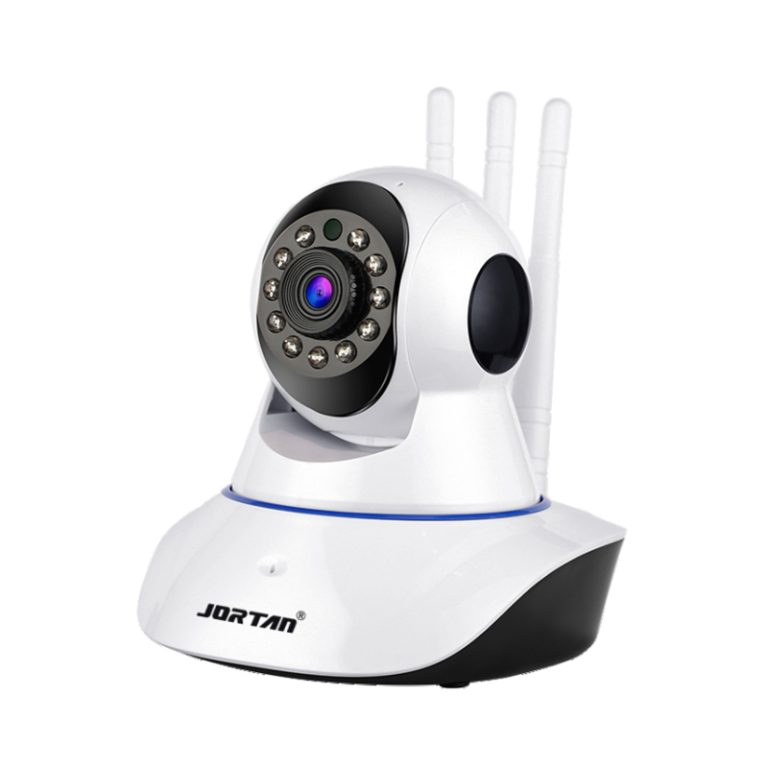
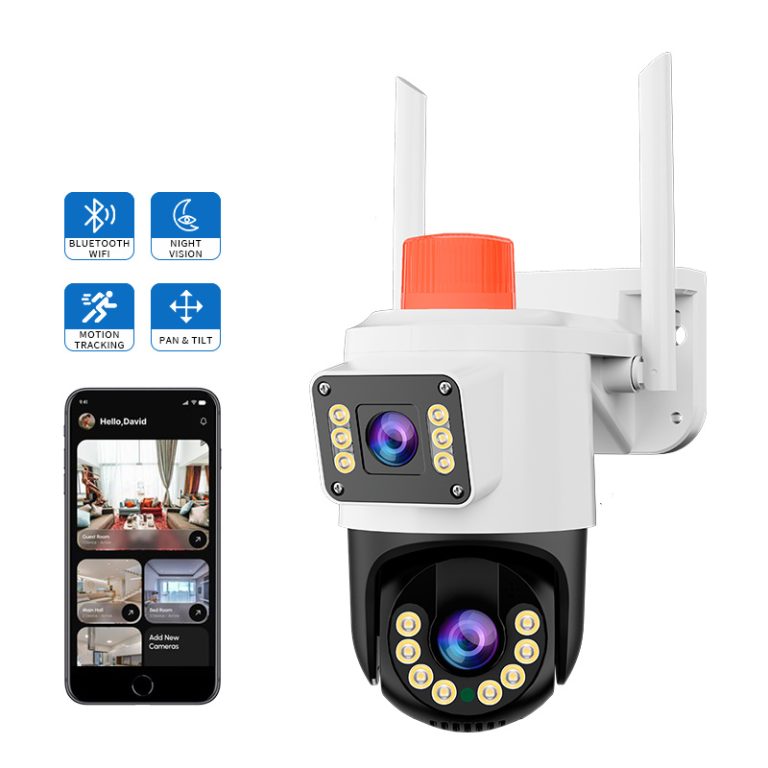
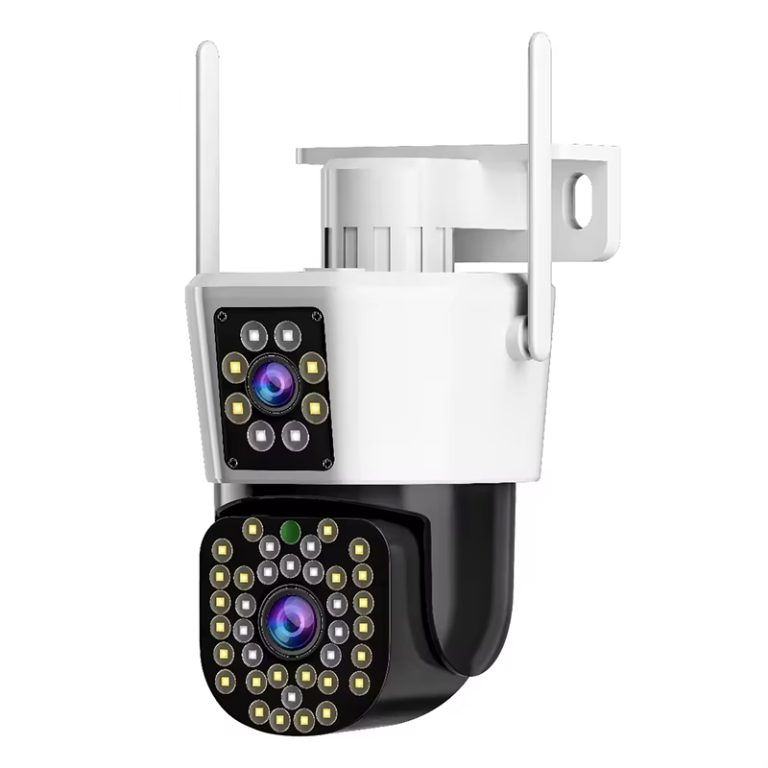
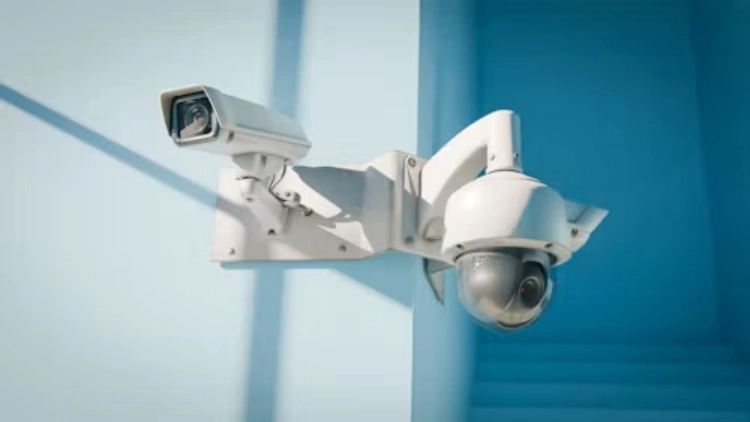
The JT-9697QJ IP camera offers a useful IP camera path for checking this chain against an actual device. Its published product direction includes network video and automatic tracking, but a buyer should verify the delivered storage, app, cloud and recorder compatibility before assigning a recurring-cost assumption to it. Product labels do not replace a configuration confirmation.
Local Storage Moves More Work To The Owner
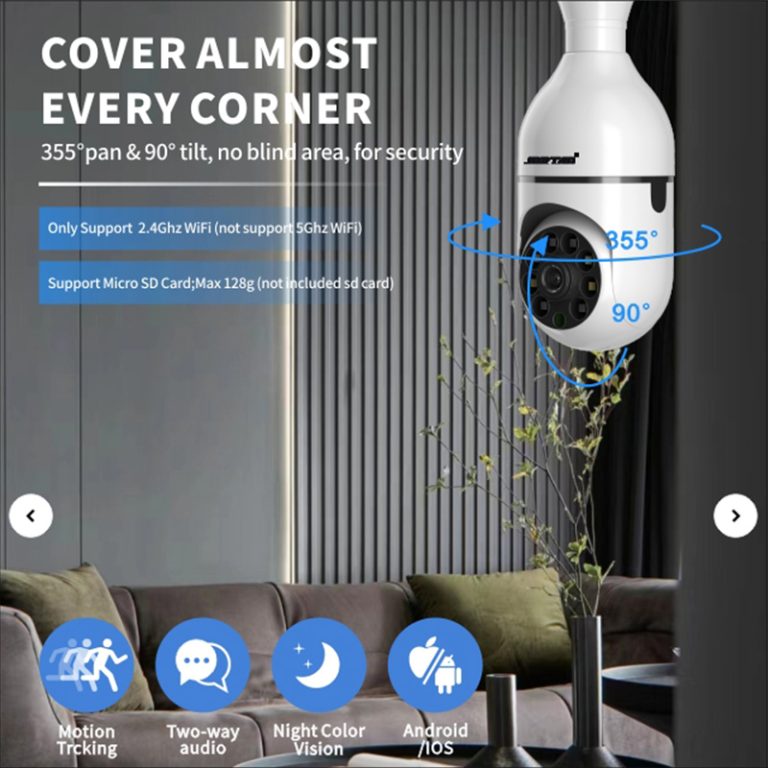
Local storage suits buyers who need predictable retention, weak internet conditions or direct custody of daily recordings. Options include a camera’s Micro SD or TF card, an NVR with a hard disk, a NAS or a combined local and cloud arrangement. An NVR centralizes recordings and can simplify search across multiple cameras, while edge storage can keep a clip close to the camera during a network interruption.
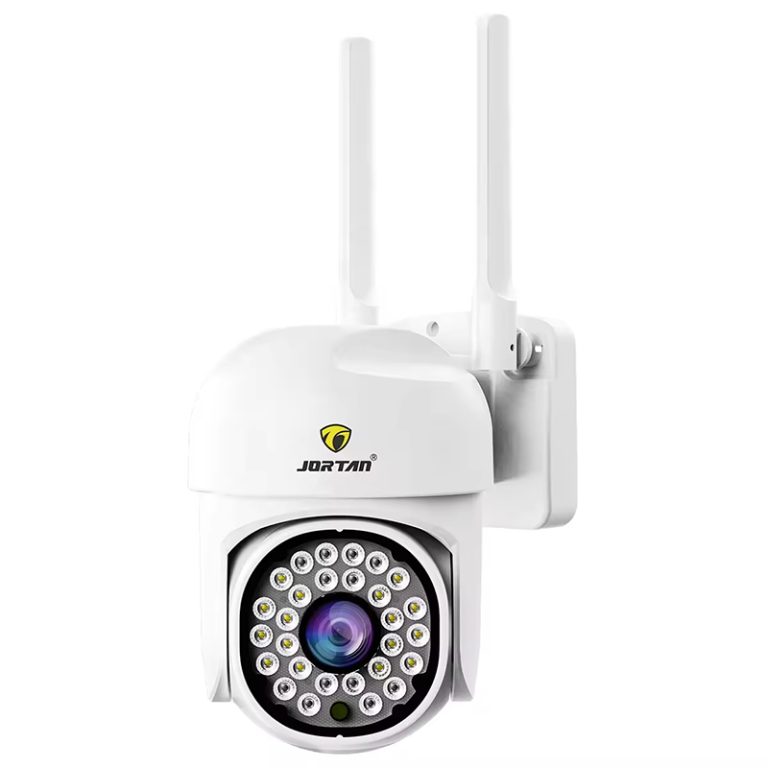
The lower recurring bill does not mean zero maintenance. Cards and drives have finite service lives. Someone must review storage health, check timestamps, protect the recorder room, set account permissions, back up important clips and test export. A local system can also create a single point of loss if the recorder and its drive are damaged together. Backup location and physical access belong in the cost model. Jortan can be matched to that storage brief when several camera types are under review.
The JT-8276-4PXM NVR kit gives a buyer a concrete NVR kit direction for comparing centralized recording with a cloud-first approach. The right evaluation includes channel capacity, supported cameras, drive option, remote playback, export, power path and the work needed to replace a failed component. The product page can support a quotation discussion, but the final three-year cost still depends on the selected camera mix and retention policy.
Hybrid Storage Can Reduce The Worst Trade-Offs
Many business sites do not need every minute of video copied to the cloud. A local NVR can hold normal retention, while selected alarms or important event clips are sent off site. It has cloud-edge integration in which local TF storage can preserve footage during a network failure and later upload it when the connection returns, when the exact equipment supports that behavior.
Hybrid storage adds configuration work: duplicate timestamps, upload delay, account ownership, clip retrieval and card health all need review. It can still be a sound choice for a retailer, rental operator or multi-site service team that needs local daily playback and off-site protection for selected events. Price both storage paths and the maintenance routine together.
Compare The Cost Of A Camera That Changes
Three years is long enough for a camera line, mobile app, recorder, cloud policy or network plan to change. A buyer should ask how firmware updates are delivered, whether older units remain compatible, how accounts are transferred, and whether a replacement camera can join the existing storage path. These questions are especially important for distributors and installers supporting many customer sites.
Jortan’s factory-based manufacturing model, in-house mold and injection capabilities, and OEM/ODM support can be useful when a buyer wants a stable configuration across a product line. The practical value lies in fixing the housing, lens, power, firmware, storage behavior, packaging and replacement parts as one approved brief. That reduces uncertainty in future orders, although each software and storage requirement still needs confirmation.
For a project with several storage paths or a private-label requirement, buyers can compare a storage route with camera count, retention days, recording schedule, remote-user needs, network conditions and expected replacement timing. A three-year comparison built from those inputs is more reliable than multiplying a monthly fee or adding one hard drive to a camera quote.
In practice, cloud is often strongest where remote access and off-site copies are worth a continuing service fee. Local storage can be stronger where retention is predictable and the site can maintain its own recorder. A hybrid design may sit between them. The decision belongs to the operating model, not to a slogan about free storage.
Conclusion
A security camera’s real cost over three years includes far more than the device. Price the camera, storage hardware, cloud or network fees, retention, backup, maintenance, account work and replacement path together. Cloud storage can simplify remote access and off-site copies, while local or hybrid storage can make retention more predictable. The best choice is the one that matches the site’s evidence policy and leaves no recurring or recovery cost hidden in the quotation.
FAQ
Q1: Is local storage always cheaper than a cloud subscription?
A1: Not always. Local storage avoids many recurring video fees but adds drives, cards, backup, security and maintenance work. Compare the full three-year ownership cost for the actual recording policy.
Q2: What should be included in a cloud storage quote?
A2: Confirm camera or account charges, retention period, event or continuous recording, resolution limits, data use, price changes, access rights, export options and what remains available after the plan ends.
Q3: Can local and cloud storage be used together?
A3: Yes, when the camera, recorder and software support the selected path. Test upload delay, local recording during an outage, timestamps, clip recovery and the rule that sends selected footage off-site.