A pre-shipment inspection works usefully only when it reviews the version the buyer approved. A camera can turn on smoothly. Yet it could still reach the customer with incorrect firmware. Some units might lack necessary accessories. In certain cases the outer carton has been altered. Or the recording function differs from what was approved earlier. For distributors and project buyers the central concern is not whether a supplier carries out QC in general. Instead the focus stays on what checks occurred on this specific lot. It further considers the specification followed during production. The chosen sample approach holds equal weight. And it remains essential to learn what steps followed when a unit did not pass. No current factory inspection record has been supplied for this brief. So the sequence below serves as a buyer-side release plan. It does not act as a claim about Jortan’s internal QC stations. The plan offers both sides a clear method to set out the needed evidence. These actions take place before cartons are sealed and freight is booked.
Set the Inspection Reference Before Production
Quality Control also starts with a signed reference package for the approved model and hardware revision, firmware, lens and sensor configuration, network band, recording method, included accessories, label artwork, carton, etc., and associated acceptance criteria. A purchase order that only lists a model name will have little to go on when inspecting for alternate builds. Ensure the approved sample or reference photos are kept for reference during any subsequent inspections. Critical, major, and minor defects must be detailed in the quality control checklist. Items that do not power up or record may be classified as critical items for the specific purchase order in question. Minor defects would be cosmetic in nature and may not affect use or appearance and therefore would be ignored for brand presentation purposes. These categories and method of sampling must be agreed upon by the buyer and supplier prior to inspection. A generic AQL table must not be used without first determining lot size, sample size, and accept/reject numbers for the specific transaction in question. The most important asset for any inspection is the pre-shipment checklist, which details the lot number, carton quantity, serial numbers of products selected for testing, test results, any defects found, any rework undertaken, and subsequent retest and release approval. This is a requested record template. It should not be presented as a completed Jortan factory form unless the supplier provides that evidence.
Test a Sample as a Working Camera
Start with identity and physical condition. Compare product labels, ports, bracket, antenna, power adapter, screws, seals, and printed materials against the approved pack. Check that the carton model and barcode match the purchase order. A mismatch in the label or accessory set can create more downstream trouble than a small cosmetic variation. This occurs because it affects installation and channel inventory.
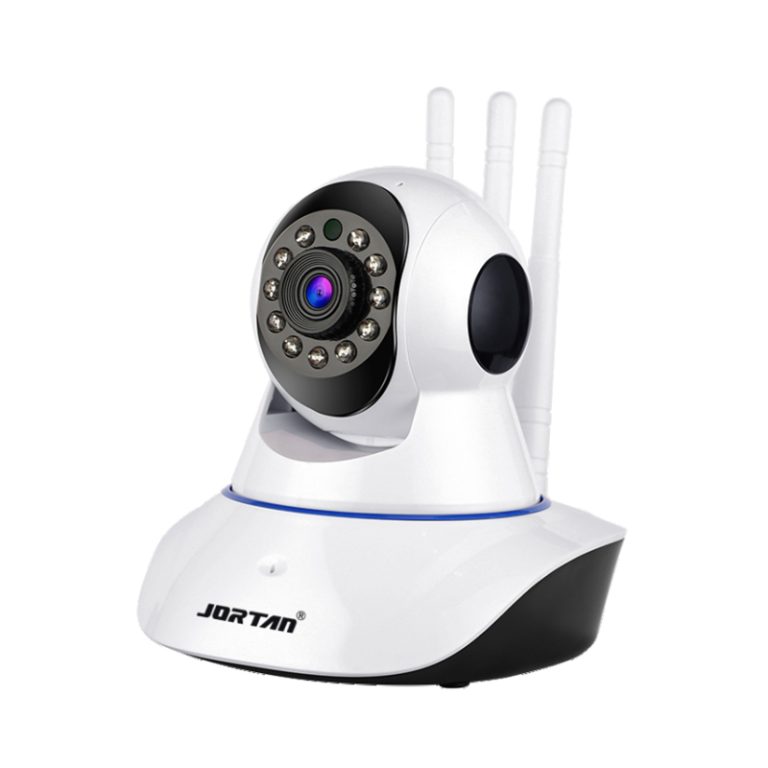
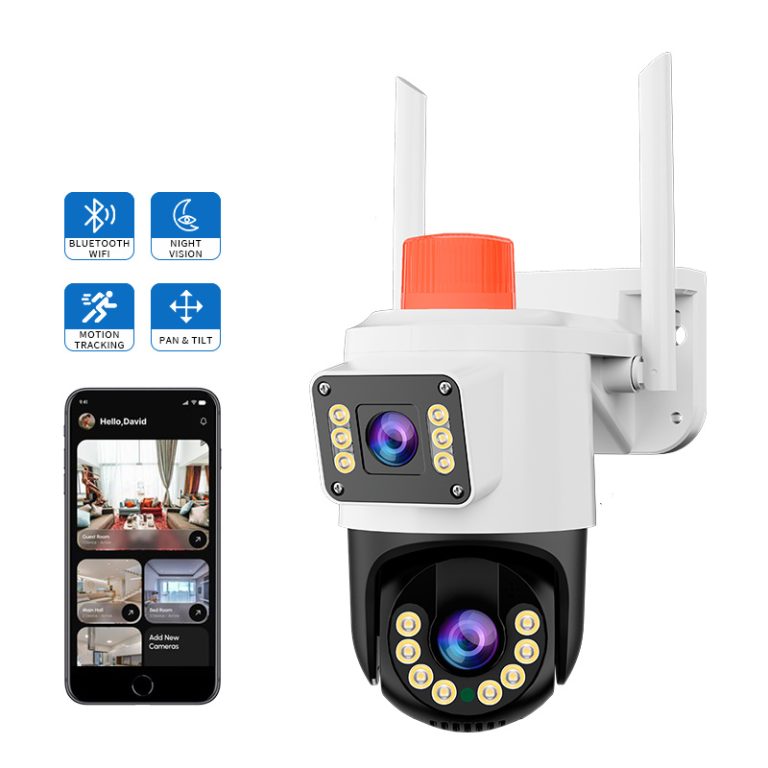
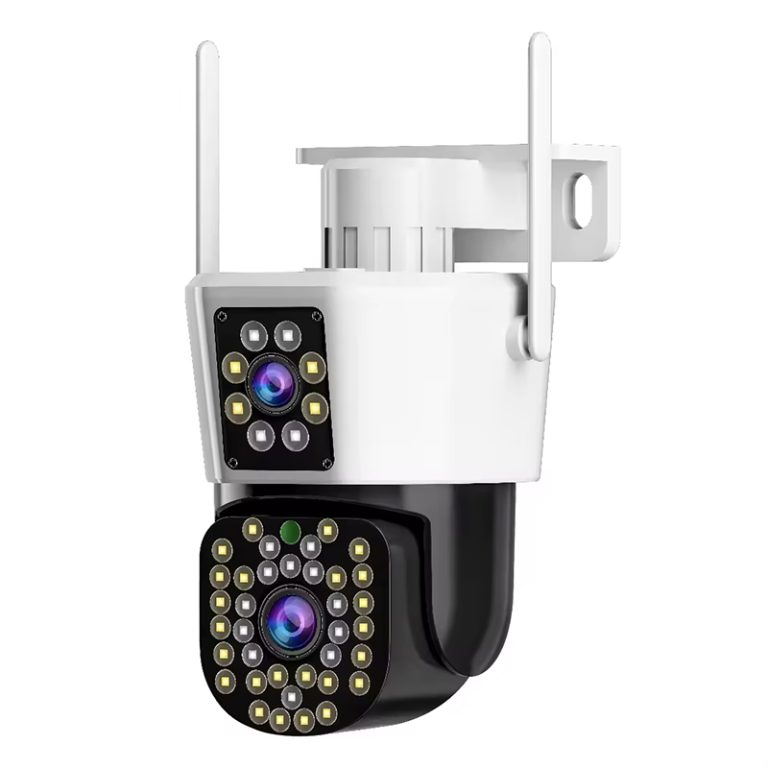
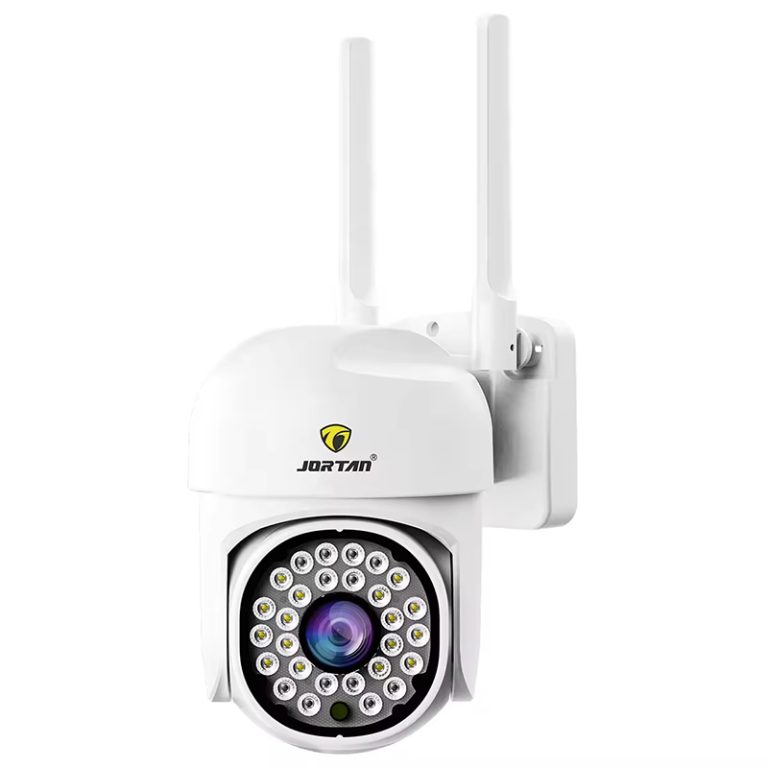
Jortan‘s camera product range provides product context. Yet the release decision should rest on the signed inspection plan and lot report.
Power the selected samples and check image output, focus, day/night transition, audio if included, motion events, network connection, and the specified storage path. For a WiFi camera record the test network and pairing result. For a wired model verify the agreed network and power arrangement. For an NVR-bound configuration confirm the required streams and playback on the intended recorder. The JT-8695PRO model page and JTZ-160B camera page can anchor model-specific criteria. But the delivery revision remains the inspection authority.
If the order includes night vision or weather resistance distinguish visual QC from laboratory validation. A short dark room check does not constitute a test of an illuminator for focus or a tested and certified range of illuminators. A simple splash test of cartons on a line does not constitute a formal IP test. Demand the method and report to back up any claims made. Perform pre-shipment checks to establish what you have been shipped against what has been tested—i.e., same design, same components. For a camera lot, re-run a small number of the sample tests that were approved for the sample. These would be power-up tests, day/night images, event triggers, local recordings, playback, exports, etc., and verify that all necessary accessories have been supplied. These tests mirror the sample-to-batch tests that were conducted for project acceptance. Record on a separate line for each SKU and hardware version. If any rework has been conducted on the supplier’s part, ask if the same serial numbers were retested. Ask also if any of the original products were replaced. A release report that cannot be correlated to specific serial numbers/lot numbers is of little use when trying to investigate a return in the distributor’s stock.
Handle Failures and Retests Visibly
It is recommended that each failed unit be identified, segregated and individually recorded with details of symptoms and corresponding serial number / lot number. The supplier must confirm whether units have been repaired / replaced / excluded from the sample and what retest has been performed. If multiple units of the same type fail with identical symptoms then this may indicate a process problem rather than an isolated failure and the supplier should be asked to provide root-cause summary and any resulting corrective action where an agreed threshold has been exceeded. Rework of a unit can result in it no longer being a sample test unit. In order to test a repaired unit all test to check for firmware, image, audio, storage etc. and packaging will need to be re-run.
If during the rework any components or firmware revisions are changed then it must be determined whether the resulting order is still equivalent to the originally approved sample and a revised record for the approved units must be issued to the buyer for approval prior to shipment where appropriate. The inspection report must include dated photos and/or short video clips in order to evidence failure descriptions that cannot easily be described in words. It is not sufficient to provide a simple pass / fail report – all raw data must be retained. For multi-model orders results for each SKU must be kept separate – it is far too easy to ‘hide’ a poor configuration in a results summary by mixing results from different models.
Jortan positions itself as a camera manufacturer with product and OEM/ODM options. Buyers should validate the current inspection scope and factory records directly. An agreed pre-shipment inspection scope should identify criteria, sampling, reporting, rework, and release authority. That makes QC part of the purchase agreement rather than an informal promise made after production has started.
Release Cartons Against the Purchase Order
Before freight release, reconcile the inspected quantity with the packed quantity, model labels, serial ranges, carton marks, accessories, manuals, and agreed shipping documents. Make clear who authorizes shipment and how an unresolved defect affects dispatch. If inspection is performed by a third party, define access, sample selection, and report delivery timing. This ensures the booking does not outrun the evidence. For repeat orders, use the last approved revision as a reference, but still check changes. A prior pass does not automatically cover a new sensor, housing, firmware, supplier, or packaging run. Channel partners should retain one sealed reference unit or a controlled sample record for comparison during receiving inspection.
Conclusion
Pre-shipment QC is strongest when it links the shipped lot to the approved sample, written specification, test method, and defect disposition. Define sampling and release rules before production. Then retain the report, photos, and revision details. The checklist here is a buyer’s proposed acceptance asset. It is not a representation of an undocumented factory process.
FAQ
Q1: Does a pre-shipment report prove every unit was tested?
A1: Not unless the agreed method is 100% inspection. The report should state sample size, selection method, checks performed, and lot disposition.
Q2; Should a supplier inspect against its own standard or the buyer’s?
A2: The purchase specification and mutually agreed acceptance criteria should govern. A supplier’s internal checks can supplement them but should not replace the signed reference.
Q3: What should happen when a sampled unit fails?
A3: Record and segregate the failure, investigate whether it is isolated or systemic, document repair or replacement, and repeat relevant checks before shipment release.