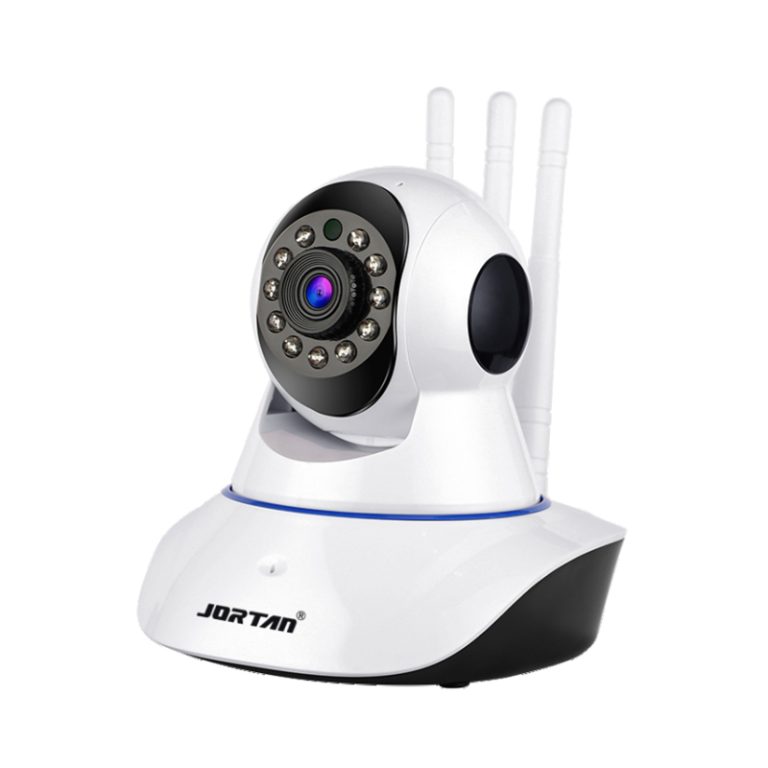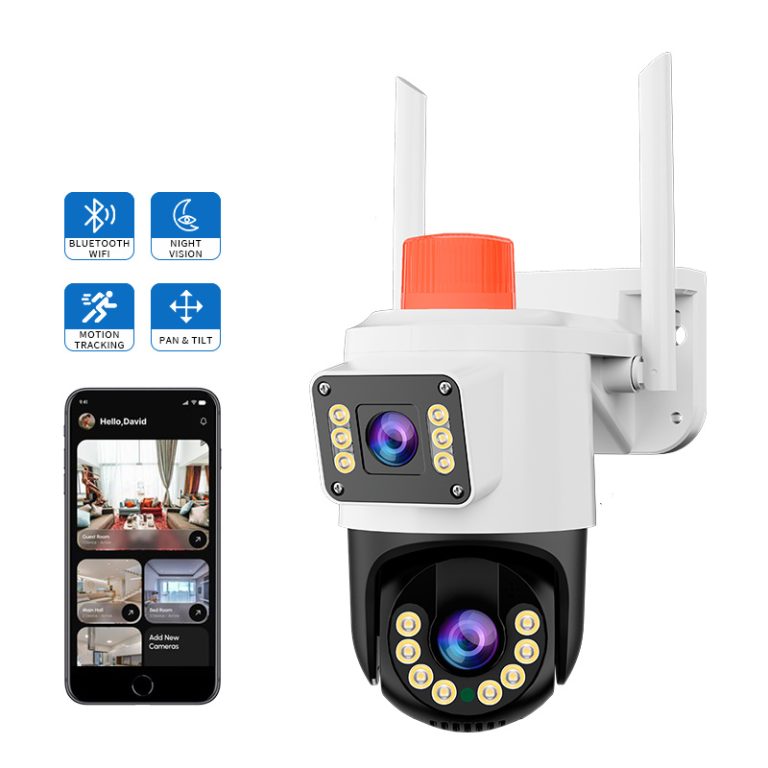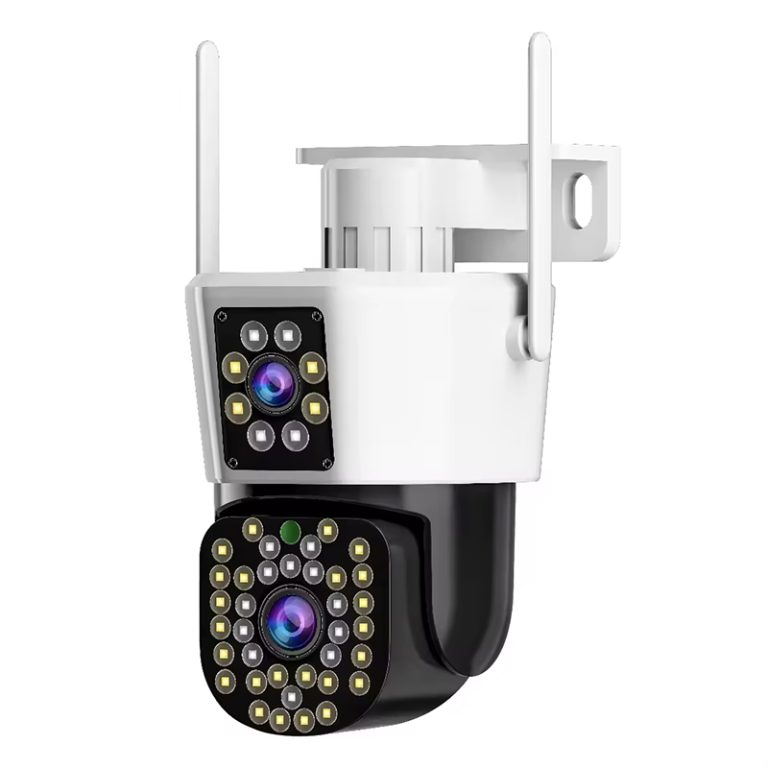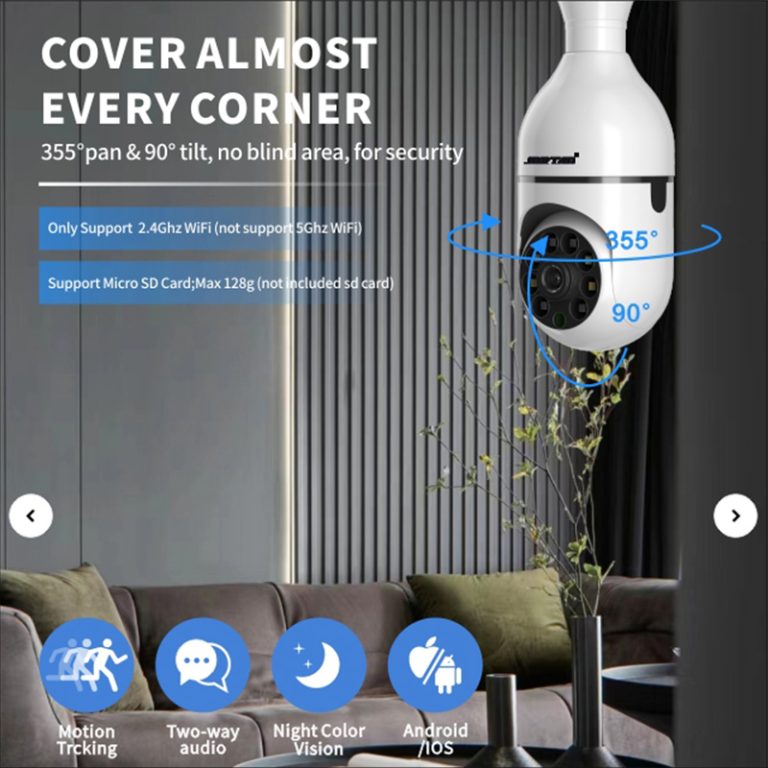
A solar camera is usually sold as one box with a single price, but the price is really a stack of five or six separate parts, and only a few of them move the number much. When I spec off-grid camera projects, the panel, the battery, and the 4G module do most of the talking. The camera module, the mount, and the enclosure add up, but they move less. This piece walks through what a solar camera is actually made of, which parts justify their cost, and how the energy side has to add up for the camera to run around the clock and still ride out a long stretch of grey weather.
What a Solar Camera System Includes
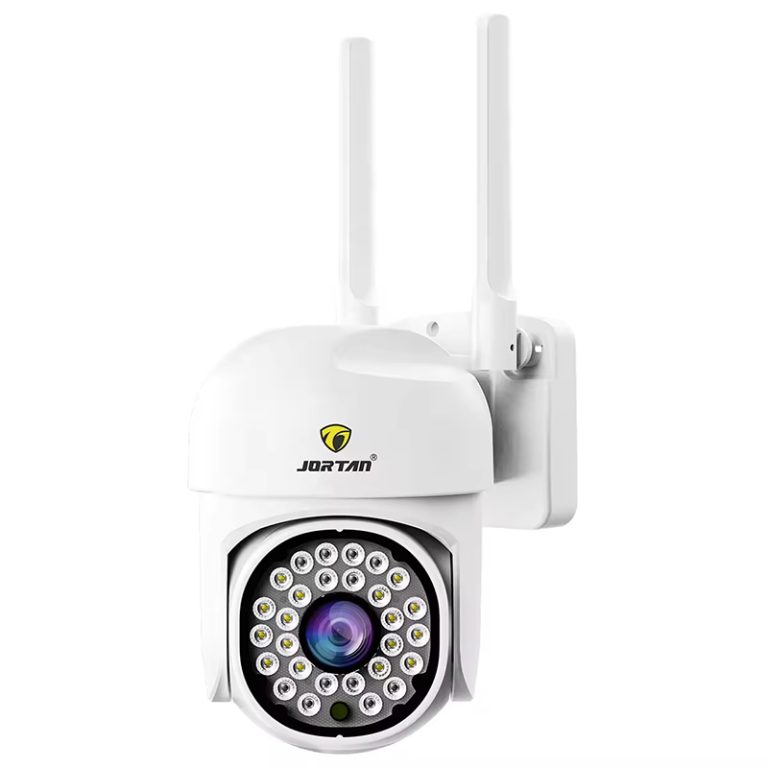
A solar camera is not one device. At a minimum it has a camera module with a sensor and a lens, a solar panel that charges a battery, the battery or energy-storage pack that powers everything, and a 4G module that carries the video where there is no fixed network. Add a mount, usually an arm or bracket that lines up the camera and the panel, and the weatherproof enclosure that ties it together. In our AVX line these are sized to work as a kit, so the parts are designed around one energy budget instead of being mixed together after the fact. Knowing the parts separately is the only way to reason about price, because each one scales its own way.
Which Parts Actually Move the Price
Start with the camera module. The sensor, the lens, and the night fill light set the image, and these matter, but a comparable module across a range usually moves the total less than people expect. The bigger levers sit on the energy side. A larger or higher-efficiency monocrystalline panel costs more, and it earns that cost back by recharging the battery faster. The battery pack is the most direct cost driver in the whole kit. More usable capacity means longer backup through cloudy days, and that capacity is where you see the widest spread between a basic unit and a long-endurance one.
The Off-Grid Advantage, and What it Saves
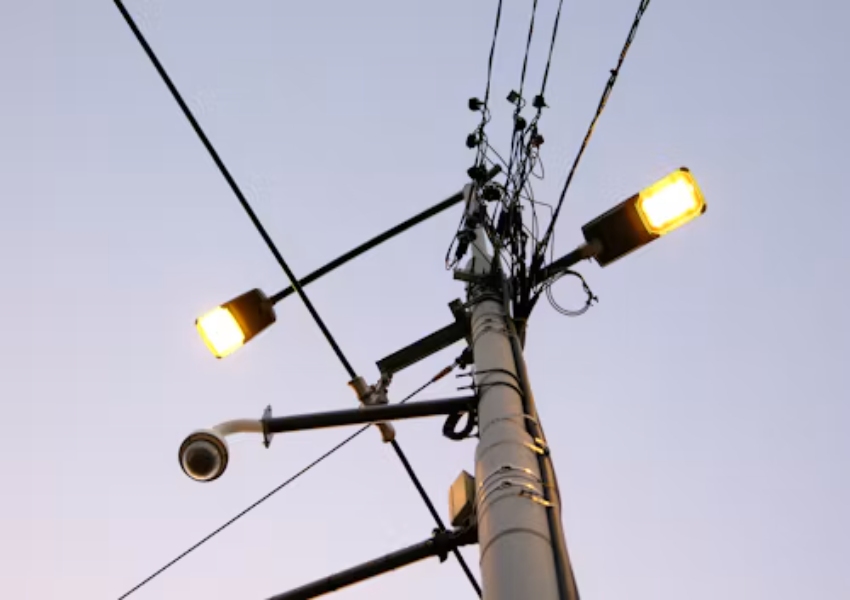
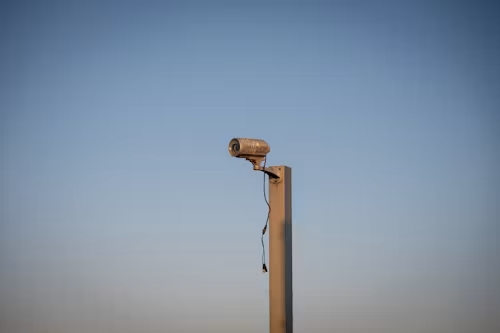
The whole point of solar here is deployment without infrastructure. With mains power and broadband, you are pulling wire, trenching, or hiring electricians before the camera even gets to the wall. A solar 4G camera skips all of that. You bolt the kit to an existing street light or signal pole, the panel charges the battery, and the 4G module puts the feed onto a phone. In a typical install the mount takes about thirty minutes. We estimate that removes roughly seventy percent of the site infrastructure cost, because there is no cabling to dig or run. The 4G side is forgiving too. A triple-network switching module holds a connection in remote areas where a single band would drop, and it lifts effective coverage in mountain terrain by around half. That is the real reason remote farms, orchards, construction sites, and water or energy assets reach for solar 4G before they reach for a wired run.
Making the Energy Balance Hold for 24/7
A solar camera that only works on bright days is not one you can rely on, so the energy design has to clear two bars. First it must power the camera around the clock, not just during motion. Second it must carry the camera through a stretch of rain and cloud when the panel produces almost nothing. We get there on the consumption side. AOV standby drops the idle draw to the low end, event-triggered recording keeps the sensor and codec awake only when something actually happens, and 4G standby power is held at half a watt or less. Together these pull the overall draw down by about a fifth. On the charging side, a monocrystalline panel fully recharges a pack in five or six hours of good sun and still accepts low-light charging in the dim margins of a day. The design target is the boring week. About four hours of usable sunshine a day has to refill the battery enough to cover roughly fifteen days of rain and cloud. A few of our units target that fifteen-day figure directly, and the false-alarm rate on the AI side is held under one percent, so the camera is not waking itself up for nothing.
Where the Cost Pays Back
Once the system is on the pole it stops drawing grid electricity, so the running cost of the camera itself drops to the data plan on the 4G SIM. For a site with several cameras running all year, that is a steady cut to the electricity line. It is lower-carbon as well, and in a couple of our solar-and-pasture deployments the shift cut site carbon emissions by around forty percent. The payback is fastest where the alternative is worst. A remote site where trenching a power line would cost more than the camera kit, or a temporary site where you do not want to pay twice to dig a trench and then pull the wire again. In those cases the solar 4G kit is not a green choice. It is the cheaper one.
Conclusion
Solar camera price is largely an energy price—the cost of the solar panel, the cost of the battery, and the cost of the 4G module far outstrip the cost of the camera and the cost of the enclosure. When you’re specifying solar cameras, therefore, it’s largely an exercise in specifying energy. You need to make sure you have an appropriate energy balance to last for 15 days of continuous rain and to run 24/7 continuously. The rest of it is just choosing the right camera for the right site. If you’re interested, I can go and look up a few of the solar 4G configurations we offer and describe the coverage of each of them and how long they last during the wet weeks. Please feel free to contact us.
FAQ
Q1: What does a solar 4G camera cost more for than a standard camera?
A1: Mostly the panel, the battery pack, and the 4G module. The camera module, lens, and enclosure add cost, but they usually move the price less than the energy and data parts.
Q2: How long can a solar camera last without sun?
A2: Long-endurance designs target about fifteen days of rain and cloud on the stored charge. That is the figure to ask a supplier for, because it tells you the real rainy-week margin.
Q3: Do I need broadband for a solar camera?
A3: No. The built-in 4G module carries the feed over a SIM, so it works where there is cell coverage but no fixed network. A triple-network module helps hold the link in weak remote coverage.