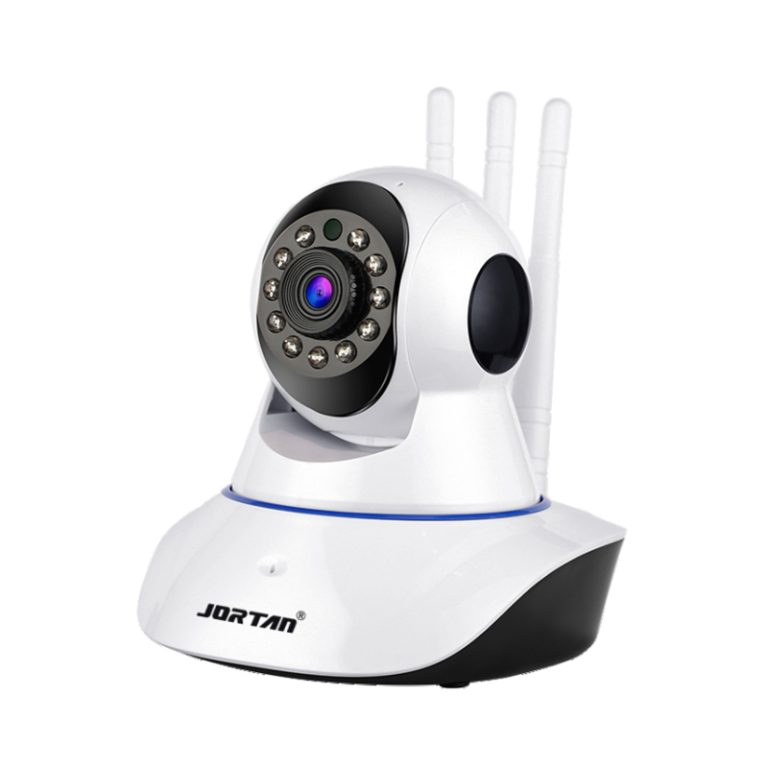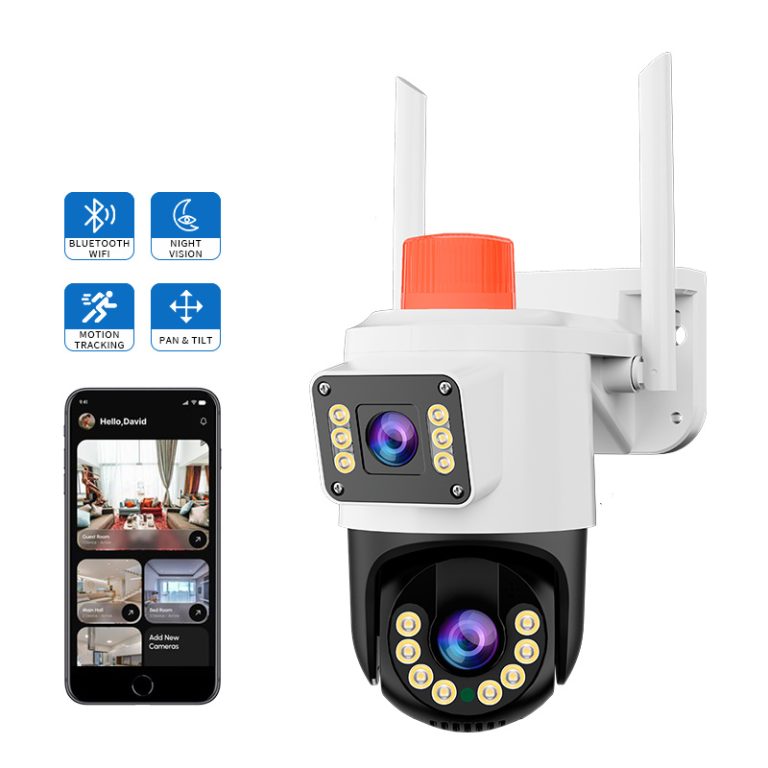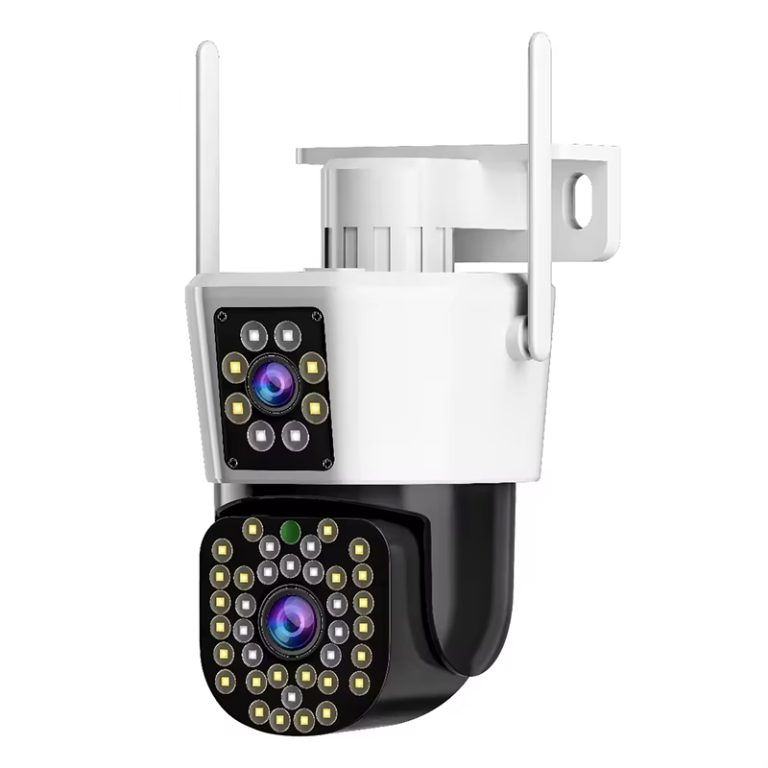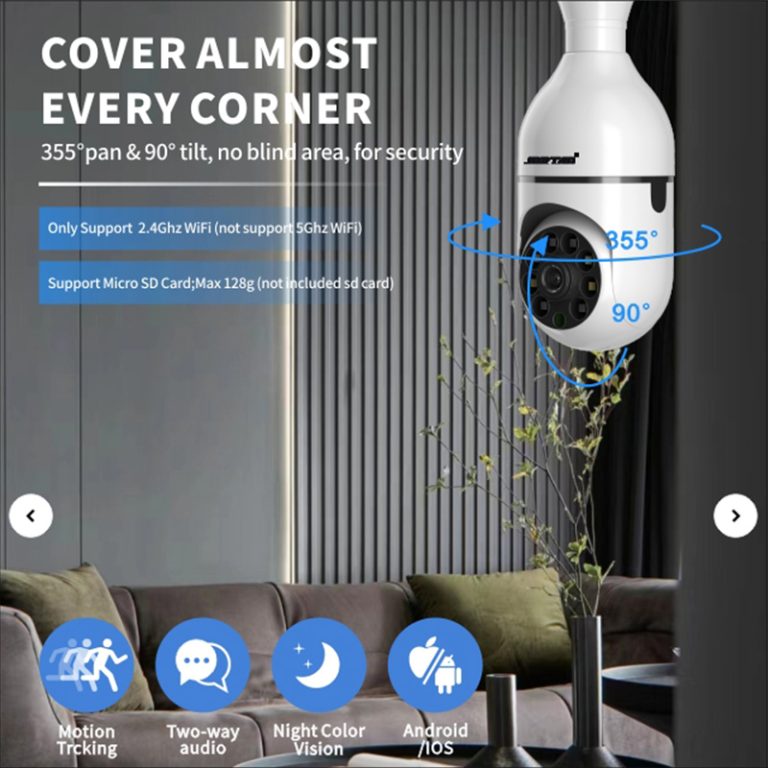
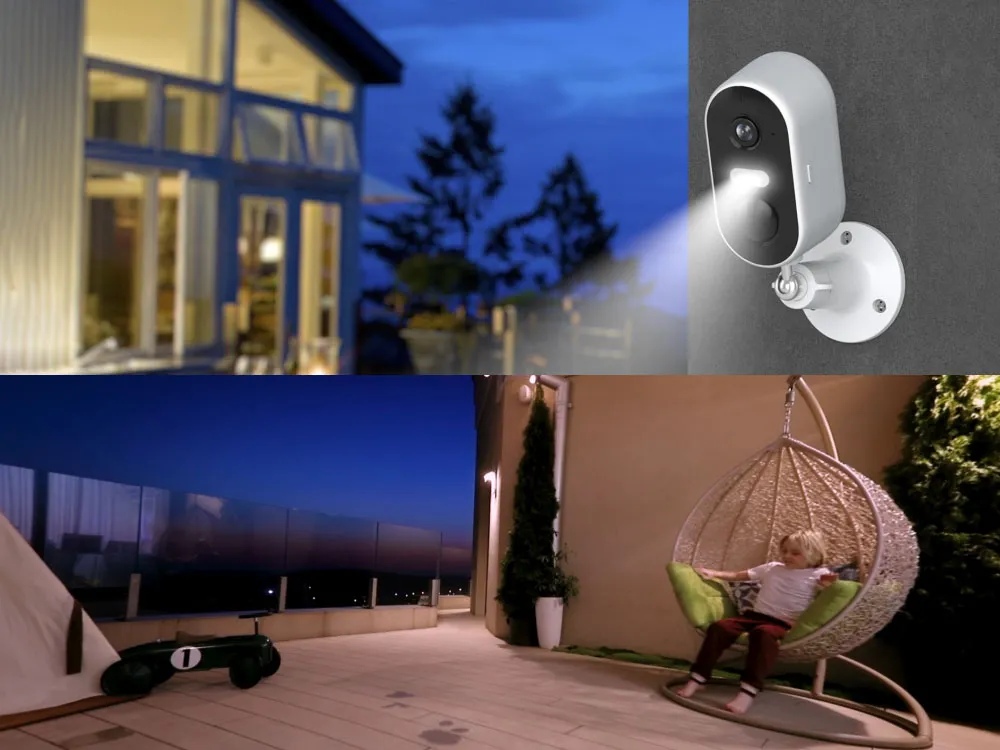
Solar WiFi security cameras are getting more useful for homes, farms, warehouses, and remote spots. However, night performance remains a top worry for buyers. To figure out if they really function well after dark, you need to check how solar charging, battery storage, wireless links, and night vision tech all fit together.
Understanding the Functionality of Solar WiFi Security Cameras
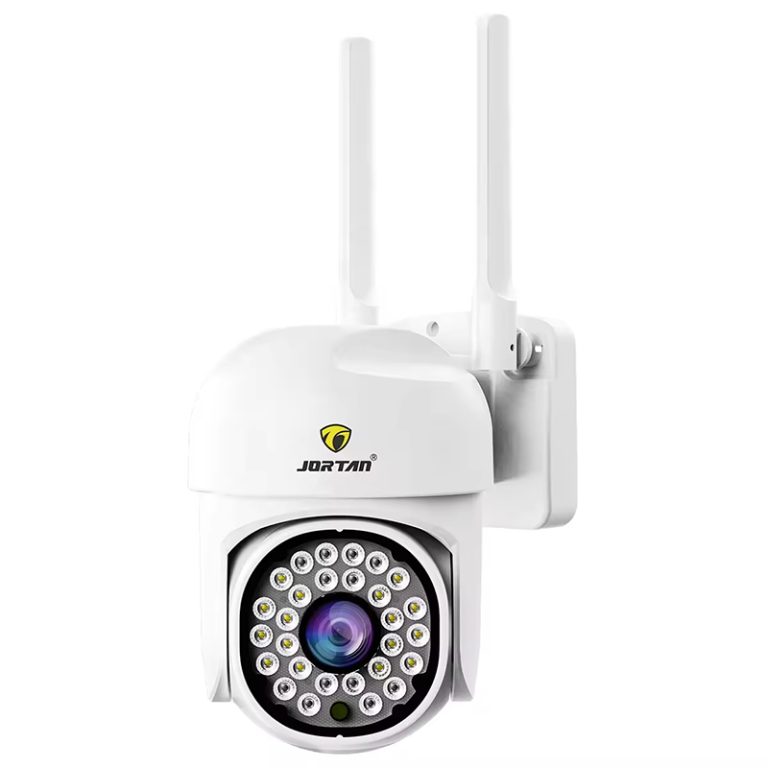
Many homeowners and business owners ask if a solar WiFi security camera can offer steady surveillance once the sun goes down. This doubt often comes from wrong ideas that solar power only runs during bright hours. In fact, today’s solar-powered cameras are built to keep working around the clock. They do this through smart energy handling and better imaging tools. Companies like Jortan show how built-in solar setups can give non-stop monitoring even in places without grid power.
How Solar Power Supports Camera Operation
Solar security cameras use photovoltaic panels to grab sunlight and turn it into power. In the daytime, this energy runs the camera. At the same time, it fills up inner batteries. That saved power keeps the device going at night or on dull days.
With monocrystalline silicon solar panels and an intelligent energy storage system, the camera can keep working even in locations without grid power. An average of 4 hours of daily sunlight can support up to 15 days of operation during rainy or cloudy weather, helping reduce electricity costs throughout the year.
Since no wiring is required, the camera can be quickly installed on existing poles such as street lights or signal poles, shortening deployment time and lowering infrastructure costs. This makes solar WiFi cameras practical for long-term outdoor monitoring in remote or hard-to-wire areas.
The Role of Battery Capacity in Nighttime Surveillance
Battery size matters a lot for keeping steady work during long nights or gloomy days. Bigger batteries allow longer runs without breaks.
The best option is pairing monocrystalline silicon solar panels with high-capacity lithium batteries. These can charge up fully in 5-6 hours on clear days. Moreover, they can hold out for over 10 days in bad weather. Such a setup guarantees reliable function even in tough conditions.
Battery quality also influences infrared lighting and recording steadiness. Current lithium-ion batteries beat older types in recharge times and heat resistance. Therefore, they suit outdoor monitoring tasks perfectly.
Night Vision Technology in Solar-Powered Cameras
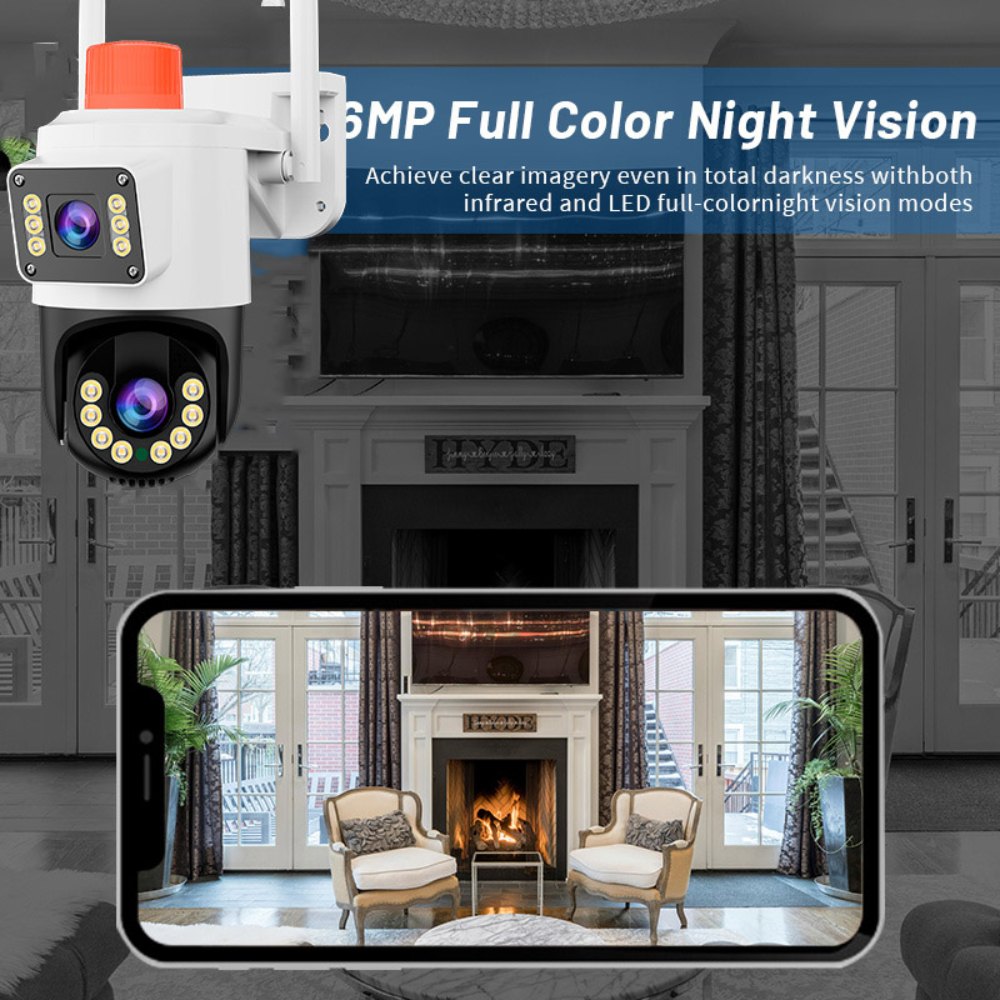
Night vision stands out as a key part in deciding if solar-powered cameras handle darkness well. New optical sensors and infrared methods now provide clear views even in total dark.
Infrared (IR) Illumination Explained
Infrared LEDs send out light that people cannot see, but the camera’s sensor can pick up. As a result, recording happens without needing outside lights.
On top of that, day-night switching mode support (IR-CUT) ensures a smooth change between color shots in the day and infrared mode at night. It bases this on the light in the area.
Low-Light Image Enhancement Techniques
Today’s sensors are made to sense faint light very well. This leads to better sharpness right after sunset. To cut down noise: Supports 2D/3D noise reduction boosts picture quality. It does so by lowering digital clutter often seen in dim spots.
Some units add full-color night vision tech. They use tiny bits of nearby light, like from street lamps or the moon, to create colorful video instead of black-and-white ones.
Factors That Influence Nighttime Performance
Even though tech is important, a few outside elements also shape how a solar WiFi security camera does at night. Things like nearby lights from streets or shiny surfaces can boost clearness. On the other hand, blocks such as trees or walls might block infrared beams. Plus, harsh weather—such as rain, fog, or snow—can harm both solar charging and picture sharpness.
Good setup also improves steady performance. Place cameras where they get the most sun in the day. This ensures enough charge for night use. By steering clear of shady spots, you help battery health last longer.
Evaluating Real-world Effectiveness of Solar WiFi Security Cameras at Night
Knowing tech details helps users pick the right model for their setup before buying.
Key measures cover battery staying power (how long it runs overnight), IR reach (area covered by infrared light), and sharpness in dim light. Working with phone apps lets you get quick alerts and live views from any place—a main plus for owners of far-off properties or teams in the field.
User feedback often shows how spec sheets play out in real life. This is especially true for steady work in long, dull weather or heavy rain, where old wired cameras might stop from power cuts.
Simple care advice includes wiping solar panels often to clear dust that cuts charging power. Also, update software now and then to improve steadiness and safety from cyber risks over time.
Technological Advancements Shaping 2026 Solar WiFi Cameras
The coming wave of wireless CCTV camera night vision recorders will bring big steps forward in power use and link reliability.
Improvements in Solar Panel Efficiency and Energy Storage
Studies on fresh photovoltaic materials have led to better rates of turning sun into electricity. Smart power control systems now adjust use based on current patterns in real time.
Dynamic energy consumption management: Automatically switching working modes through AI algorithms (for example, “high-frame recording when people are present, low-frame snapshot when no one is present”) can reduce traffic and storage costs by 70%. This method stretches work time even in times of little sun by smartly using what energy is on hand.
AI-based tweaks also guess changes in the surroundings. They shift power sharing across sensors and comms parts automatically for the best uptime.
Enhanced Connectivity and Recording Capabilities
Link upgrades ensure easy remote viewing through phone apps or cloud services.
The camera supports WiFi connection and local TF card storage, with a maximum storage capacity of 128GB. Cloud storage provides redundancy against network interruptions or local failures.AI helps with motion spotting to cut false alerts. Meanwhile, Wireless CCTV options now have wider bandwidths for live HD streams without delays.
FAQ
Q1: Can solar-powered security cameras really work all night?
A1: Yes, they can run without stops if they have good solar panels and strong batteries. And even small sun amounts give enough saved energy for night work.
Q2: What features should I prioritize when selecting a solar WiFi security camera?
A2: Look for big lithium batteries, IR-CUT for auto day-night shifts, sensors with wide dynamic range, and links to phone monitoring apps for easy remote checks.
Q3: Are there recommended models that ensure reliable performance at night?
A3: For stronger night monitoring, the JT-9687PRO dual-lens outdoor WiFi security camera is a practical option. It features 4MP resolution, color night vision, IR night vision up to 30–50 meters, two-way audio, motion detection, human motion tracking, IP66 weatherproof protection, and H.265 video compression. These features help the camera deliver clearer outdoor images and more stable monitoring for home and outdoor security use at night.