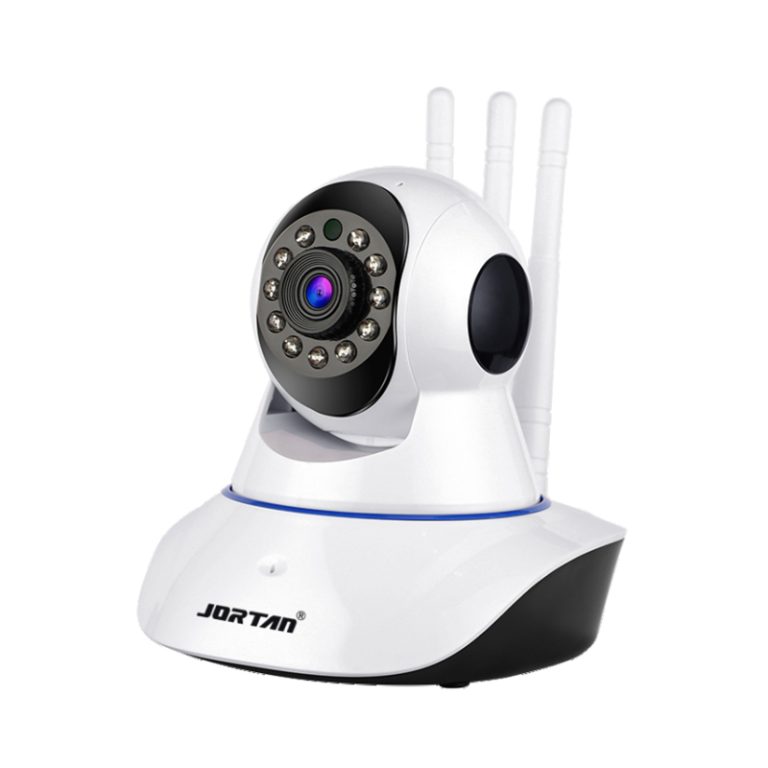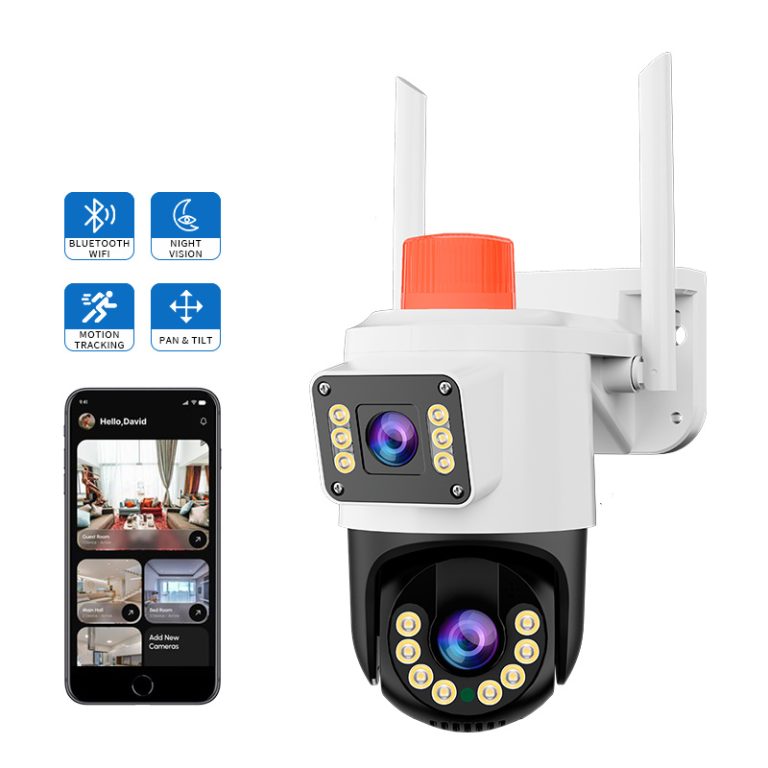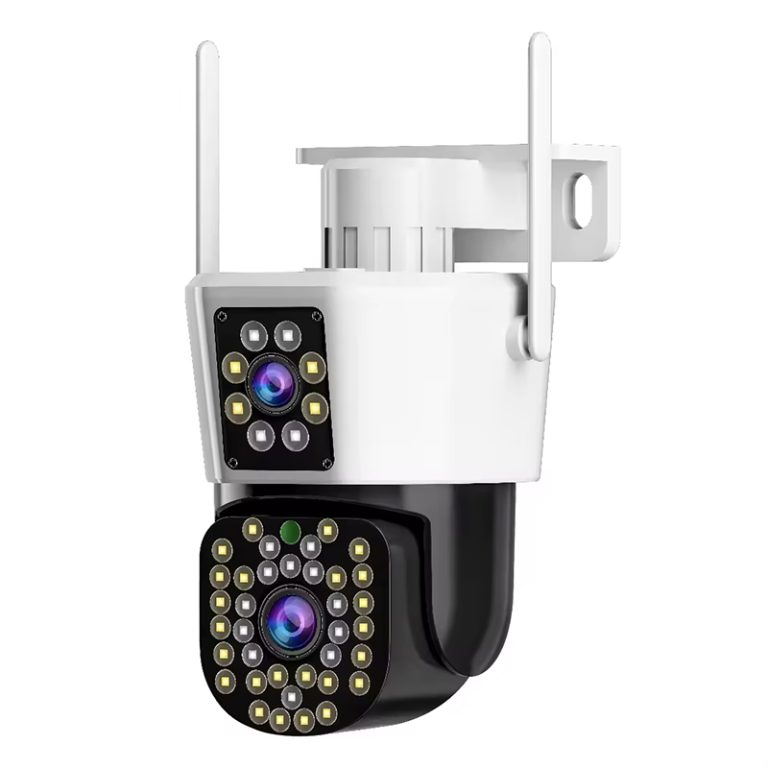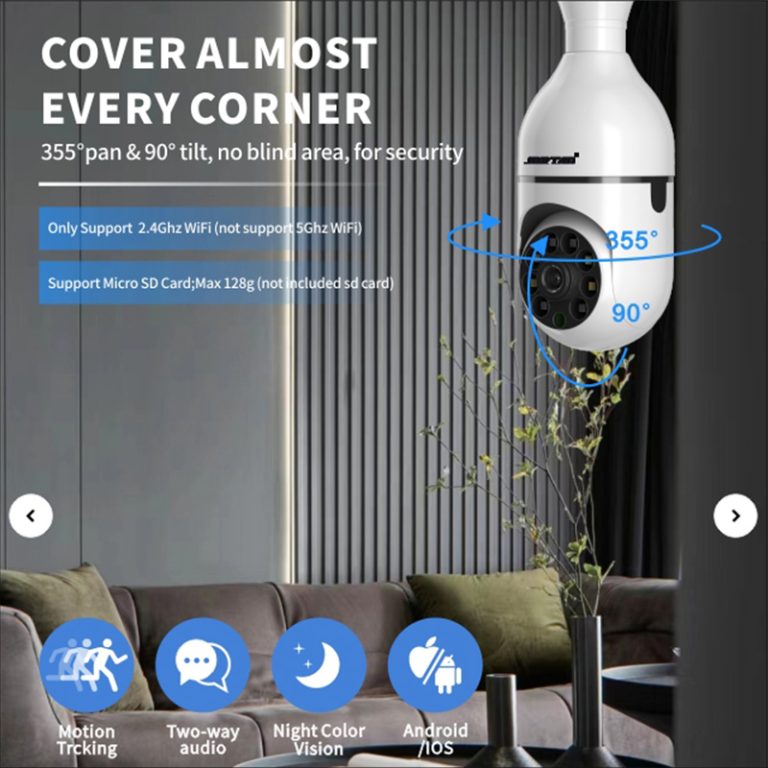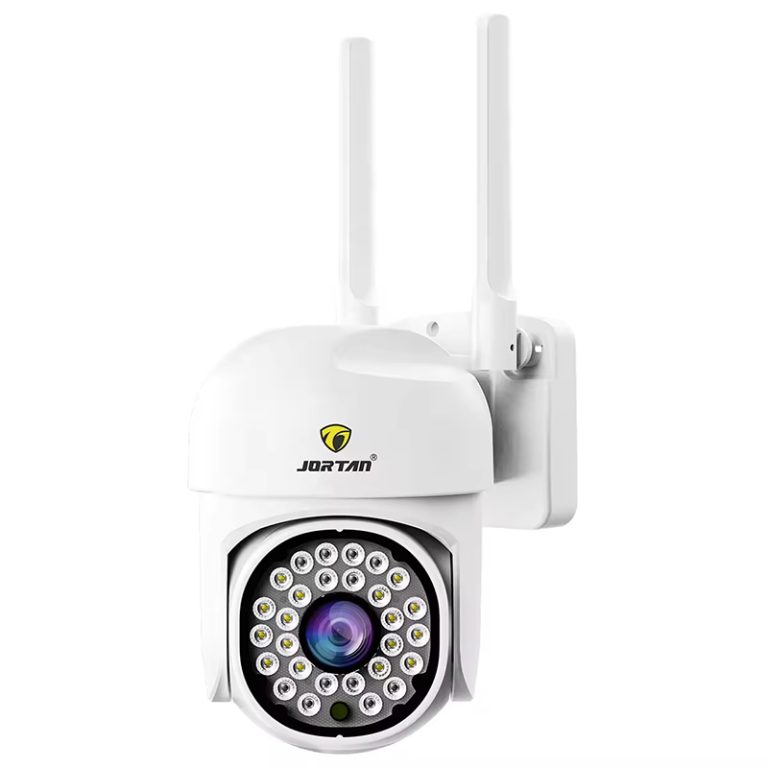
Night vision is usually listed as a single feature by wireless cameras, but in practice, it serves two purposes: viewing the night-time image and raising detections on said image. The hardware needed to produce good-quality nighttime images and to raise detections reliably are not necessarily identical. Many installations are optimized for one of these goals, while the other is only mediocre. This article explains how night vision works, what really matters for good nighttime image quality, and how to optimize both for wireless, low-power cameras.
Two Jobs, Not One
Image quality refers to the quality of the captured footage. This can include whether you can read a number plate, see the color of a car or even determine what someone is doing in a scene. Detection refers to the event. Did the camera detect a person, a car, or a motion, and did it do so in time to alert without false triggering every time a shadow passes by? That excellent nighttime image can have a slow or false detection. Conversely, a very fast detection with possibly very ‘muddy’ images can be satisfactory. The specification sheet is rarely clear on this trade-off; therefore, it is worth clearly listing these as two separate requirements before you choose your solution.
How Cameras See in the Dark
When light drops to a low level, the camera may require additional assistance to capture images of acceptable quality. There are three principal ways in which assistance can be provided, using either infrared fill light or starlight full-color sensors. The infrared fill light is available in two wavelengths: 850 nm, which provides a visible red light, and 940 nm, which is almost invisible to the human eye. White or warm light can be used to fill the scene to provide a full-color image, particularly where the light is also used as a deterrent. Starlight full-color sensors, on the other hand, work in the opposite manner to a standard camera and manage to extract sufficient color information from the very faint amount of light already present to produce a colored image, whereas a standard camera would have already switched to a black and white image.
What Actually Drives Usable Night Images?
A few things decide whether a night image is usable rather than just present. Sensor sensitivity, expressed in lux, determines the minimum amount of light that the camera can work with. Wide dynamic range allows the same image to contain very bright parts that do not get blown out while the dark areas of the scene remain black. This is particularly important for a gate or a driveway with a lamp high up and a dark approach. The lens aperture controls the amount of light that actually reaches the image sensor. A day/night IR cut filter that switches cleanly between day and night modes without hunting is also important. And finally, good noise control. The dark areas of the image need to be readable and not just a washed-out mass of grain. A camera that is strong on only one of these will look fine in a demo and fall apart at two in the morning in the rain.
Keeping Detection Honest
Detection is where most installs quietly fail. Motion-only triggers things like wind, trees swinging in the breeze and even passing headlights. The result is a lot of clips that are not actually events. To mitigate this, what the camera is looking for can be layered. A PIR sensor can be used to gate off actual heat. AI object recognition can then be used to determine if what the PIR has picked up is a person or vehicle, etc. And finally, event-triggered recording can be used so that recording only starts writing out clips when all of the above conditions have been met. When stacked, the false positives drop sharply, and our latest models achieve less than 1%. One thing to note about the 940nm IR option is that it is not just a cosmetic change. Because it is invisible, it keeps the camera covert in a security role and does not wash the scene the way visible red IR can, so the detection and the image both come out cleaner.
Staying Wireless Without Losing the Night
To support night features, wireless power can be a real constraint, as many night features draw power, such as IR fill lights, full-color sensors, and 4G/WiFi communication. A battery-powered wireless camera will drain its pack fast if it runs IR all night. So, once again, Jortan looks at consumption to implement AOV-style low-power standby and event-based recording. We also look at transport consumption to implement Wi-Fi for in-building/household use and 4G for sites with no broadband. The design objective for wireless and for wired is the same—to keep night sensors and detectors powered all night and then consume power to record and transmit only when there is actual activity of interest. Please don’t hesitate to reach out to us.
Conclusion
Night vision in a wireless camera has two conflicting requirements. Determine your requirements for viewing the image at night and for detecting intruders at night. Then test the camera’s sensor sensitivity, WDR, IR options, and event triggering logic to meet the individual requirements for each. Also, make sure that the drawings allow for good features to be viewed at night and choose Wi-Fi or 4G networking as needed. If you can tell me the scene and what you need to see and what you need the camera to report, I can suggest a suitable night camera that meets both of your requirements instead of you having to choose between them.
FAQ
Q1: What is the difference between 850nm night vision and 940nm night vision?
A1: Both are infrared fill lights. 850nm fill lights provide a visible red glow, whereas 940nm fill lights are invisible to the human eye. 940 nm fill lights are used to keep the camera covert and to prevent overillumination of the scene.
Q2: IR or full color for nighttime?
A2: It depends on the scene. Infrared gives range in true darkness and is cheap to run. Full color, from a white fill light or a starlight sensor, keeps detail and color but draws more power and needs some light or its own fill light.
Q3: Night clips keep triggering false alarms. Why is this happening?
A3: We typically operate with motion only. However, by layering PIR gates with AI object detection and only recording when both detect an object, the false alarm rate plummets. On newer units we’ve managed to get this below 1%.