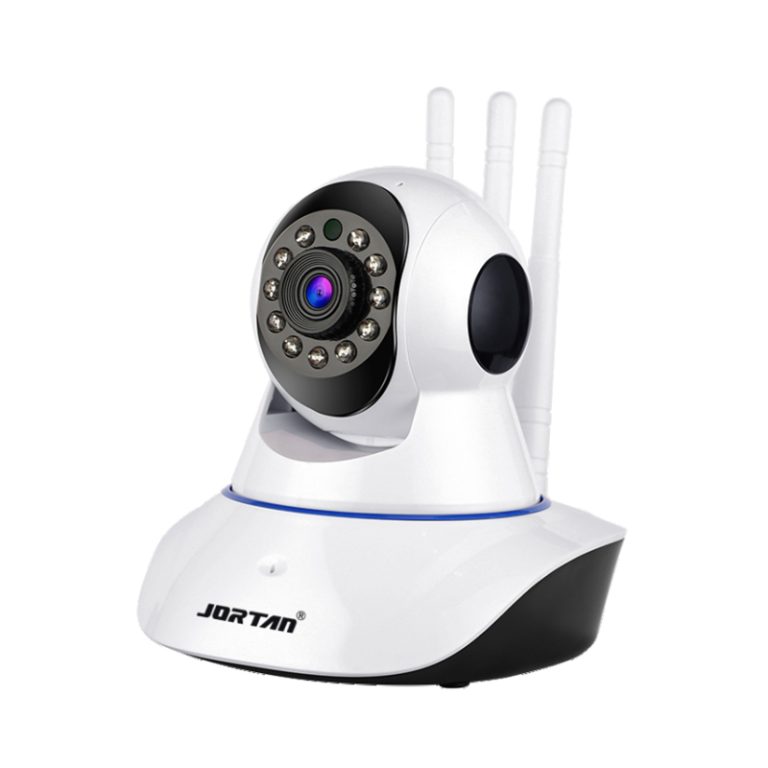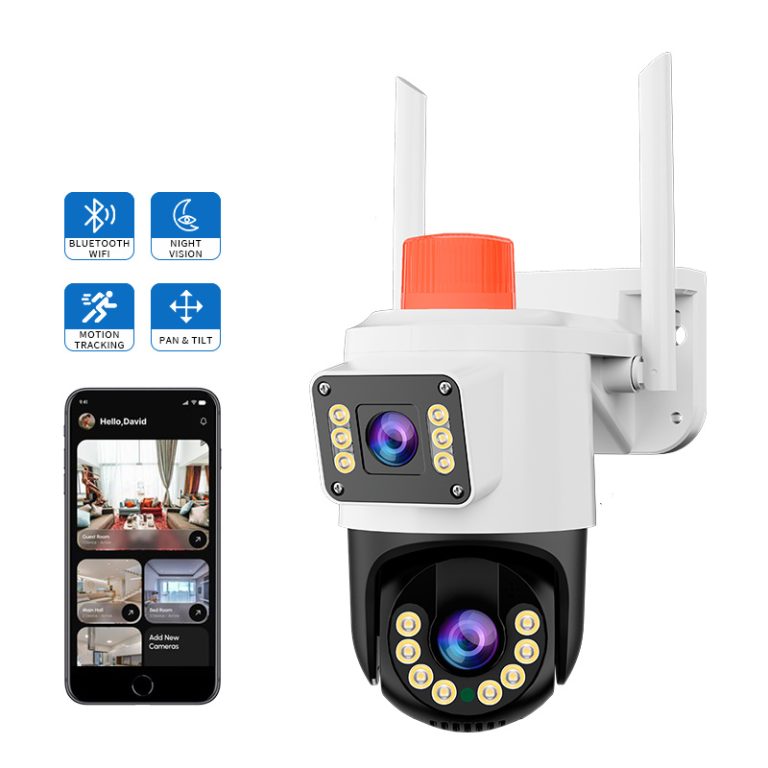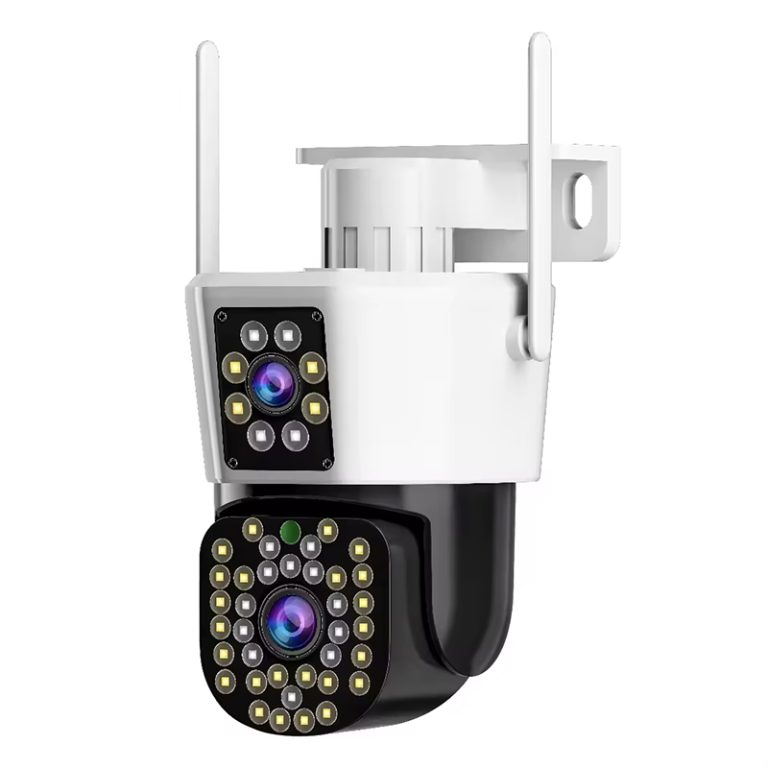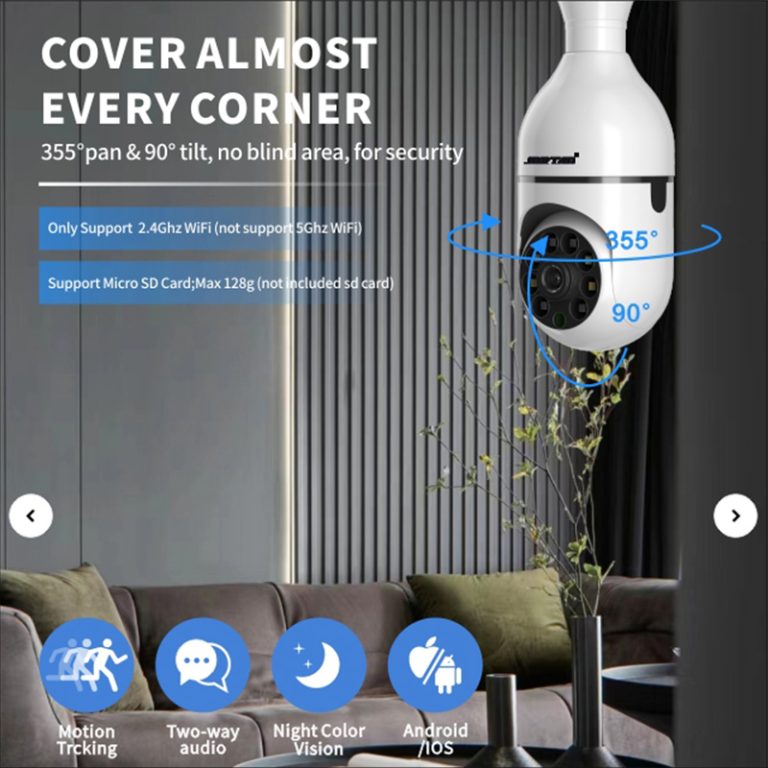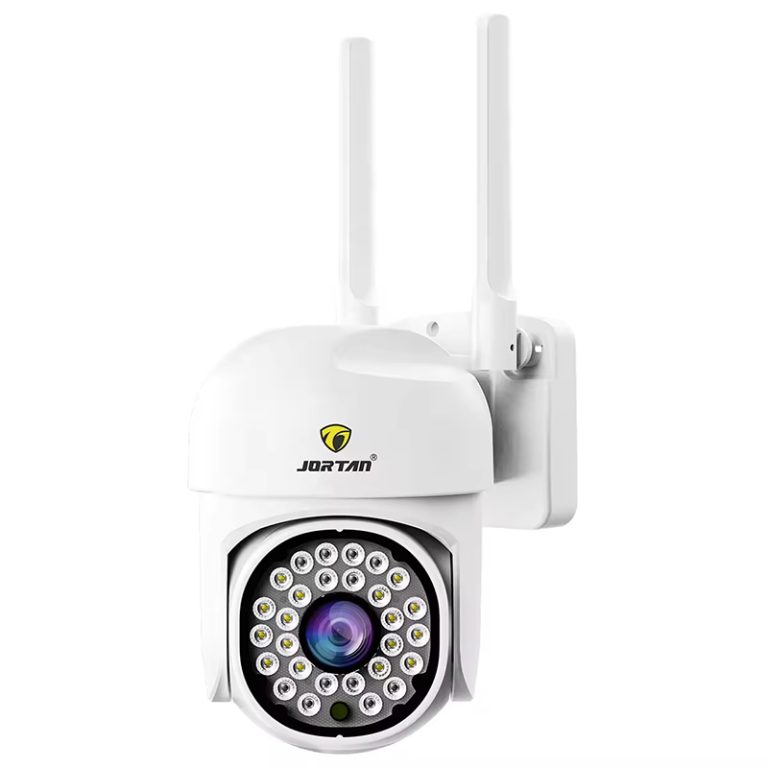
An AI security camera is not a basic camera with a sticker that says smart. It spends more in a few specific places. Those are the places the market is pushing up right now. The premium is real. It is not a marketing margin. It is the extra parts doing real work. The basic model does not do that work. Each of those parts is a line that can move.
People say AI cameras are more expensive. The useful part is why. The gap is processor. Memory. Storage. Firmware. Each is a real cost line. And each is under pressure in 2026. The gap can widen, not just exist. Two AI quotes taken a quarter apart can be different numbers. For the same model.
For a B2B buyer, the useful question is not only what a camera costs today. It is which part of the quote may move before approval, and whether the supplier can show the line behind the change. Jortan‘s camera range gives that conversation a concrete starting point.
Where AI Camera Costs Come From
● The extra cost is spread across a few places. Each one is a different market.
● Processor. Detection and analytics need on-board compute. A basic camera does not have it.
● Memory. The model keeps working buffers and data on-board.
● Storage. More processing means more data to keep.
● Firmware. The detection logic and the tuning behind it cost real engineering.
A basic bullet camera gets by with a simple sensor. A small buffer. Minimal processing. An AI camera carries all of that. Plus the compute that makes the detection happen. The cost gap is the sum of the extra parts. Not a number someone decided to add. Every one of those parts is on a moving market.
Why the Gap Can Widen
The parts an AI camera leans on are the same parts the wider market is pulling hard. AI and data-center build-out draw up the supply. That supply feeds consumer devices. So the memory, storage, and processing blocks are under more pressure. More than the simple sensor and buffer a basic camera uses. The AI camera buys from the same market that is causing the shortage. That is a bad position to be in. The price gap is not just a fixed premium. It is a gap that can widen when the market moves. The AI side has more volatile inputs to absorb. The basic camera has almost none. In a rising market, that is the whole story. The two drift apart. The AI line needs a different quote window than the commodity line.
How to Buy AI Cameras Without Overpaying
You still need the AI to do what you bought it for. You do not need to pay for more than the job requires.
Buy the Detection You Actually Need
Not every site needs the full feature set. You only need person detection. A model that bundles a wider analytics package is money spent on compute you will not use. Match the AI feature to the job. The BOM gets lighter where it matters. A person-detector and a full vehicle-and-attribute package are different costs. The cheaper one is the right one. The site only needs the first. The spec should follow the site. Not the brochure.
The quote becomes easier to defend when the buyer can point to a clear product family, a recorded sample, and a named validity period. For a model such as the JT-8698PRO model, those checks belong in the RFQ rather than in a last-minute email.

Buy the Detection the Site Actually Needs
Ask which sensor backs the detection you are buying. Which processing. How much storage. A model that pairs a higher-pixel sensor with the memory to support it is a different cost structure. One that forces a premium sensor everywhere is different. That lets you compare like for like. Not price for price. It stops you from paying a premium for a feature the sensor does not need.
What to Ask Before You Quote an AI Model
The questions are specific. And worth asking every time.
Which detection features are in the base model. Which are add-ons.
What processor and memory back the detection you are buying.
How much local storage the model uses for its own working data.
A supplier with its own production process can answer that request more directly. the JT-8695PRO model is useful here because it keeps the discussion close to the BOM, the sample, and the intended order.
Ask What Sits Behind the Feature
Four questions. They separate a quote you can defend from a premium you pay on faith. They are the same four you would ask about any volatile input. An AI camera is one.
There is one more trap worth naming. It quietly eats the margin. An AI model that is a great price today can be a bad price a quarter from now. If the chip and memory underneath it are the volatile lines. Two AI quotes for the same model, ninety days apart, can be different numbers. Not because the camera changed. Because the processor and memory moved. The buyers who get burned locked the model. But not the validity window. The price they approved is the price from a quarter ago. Not the price of the parts they are actually receiving.
The fix is the same one this article points to. Give the AI line its own quote window. Match it to how volatile the chip and memory are. A basic camera can ride a longer window. An AI camera with a moving SoC underneath deserves a shorter one. The contingency should sit on the chip and memory lines. Where the movement is. Not smeared across the whole price.
Conclusion
AI security cameras face more cost pressure than basic CCTV. They lean on processor. Memory. Storage. Firmware. All four are moving in the same market. The buyers who do well in 2026 match the detection to the real job. They read the BOM behind the feature before they pay for it. The premium buys exactly what the site needs. And nothing more.
The premium is real. So is the movement behind it. Match the detection to the job. Lock the chip and memory on their own short window. Jortan builds and tests in-house. The factory team can show you the BOM behind the feature. For a project-specific review, contact the sales team. The useful next step is a quote that names the moving parts, the approved product, and the date on which the commercial terms should be checked again.
FAQ
Q1: Why do AI cameras face more cost pressure than basic models?
A1: They add processing, memory, storage, and firmware work. Those extra lines can move independently from the sensor and housing.
Q2: Does a larger analytics package always create better value?
A2: No. The useful feature is the one tied to the site requirement. Paying for unused analytics adds cost without improving the buyer’s actual workflow.
Q3: What should a buyer ask before approving an AI model?
A3: Ask which detections are included, which processor supports them, how much local data is used, and which parts are fixed during the quote window.