Solar CCTV cameras are gaining popularity as homeowners seek security systems that are both smarter and simpler to handle. These devices blend wireless monitoring with clean energy, providing more freedom, less need for steady power supplies, and a better fit for today’s homes. To grasp why they attract so much interest, let’s examine the key elements behind their growth in home protection.
The Growing Popularity of Solar CCTV Cameras in Home Security
With energy saving as a worldwide focus, solar-powered home security cameras are quickly becoming a favored option for current homeowners. These setups mix clean power with clever surveillance tools to offer steady, green defense that avoids grid reliance.
The Shift Toward Energy-Efficient Surveillance Solutions
Increasing energy prices and green living aims are pushing homeowners to choose solar CCTV cameras. Now, you can protect your space while cutting power use and helping the environment. The main reason low-power solar cell surveillance cameras appeal so much is that they fix setup issues of old surveillance gear in far-off spots or places lacking basic setup, all while matching the push for saving energy, protecting nature, and using smart tech.
This change comes from progress in low-energy tech and smart power handling. By using very low power in idle mode and AI-triggered recording for events, it delivers round-the-clock watching, and the battery lasts much longer than old battery types (for example, it keeps going for 7-15 days during rainy weather). Such steps make solar CCTV systems more trustworthy and reachable, even in spots without grid access.
Market Trends Shaping Solar Home Camera Adoption
The market for solar home cameras is growing as smart home links become common. Solar cell surveillance cameras bring three key advances: self-powered energy, safe online links, and smart protection. Government perks for clean energy boost their use even more. Better battery holding and connections—like 4G/5G IoT parts—lift system work, letting you view feeds from afar without home internet.
How Do Solar CCTV Cameras Actually Work?
These setups run via a mix of solar energy creation, smart storage, and wireless link tech that keeps them running smoothly all day and night.
Core Components of a Solar-Powered Security System
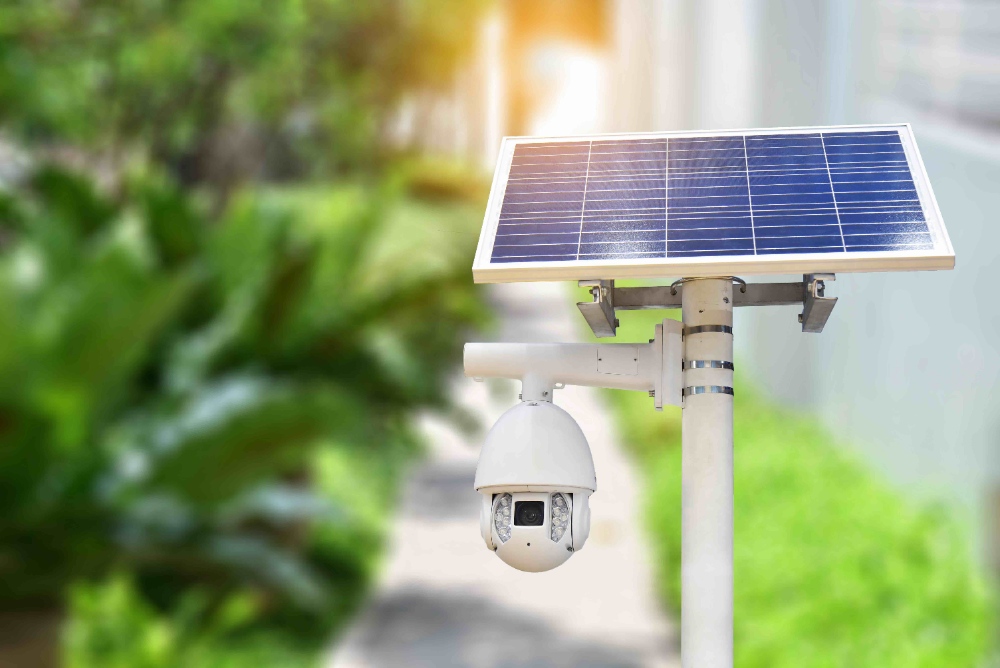
Every solar home camera has solar panels that turn sunlight into electric power to run the unit. Monocrystalline silicon solar panels charge fully in 5–6 hours, handle dim light charging, and keep working in tough settings. Inner lithium batteries hold extra power for night use or overcast days. Wireless parts let you check video from a distance using phone apps or cloud sites—perfect for places without strong internet.
Installation and Operational Considerations
Good setup matters for best results. Place panels where they get the most sun all day. The water-resistant and dust-proof rating needs to hit IP66 or IP67 to handle bad weather like heavy rain or sandstorms. Routine care involves wiping panels free of dirt and updating software via app screens to keep the system running well over time.
Are Solar CCTV Cameras More Reliable Than Traditional Systems?
Steadiness stands out as a big reason many homeowners switch from wired setups to solar-powered ones—particularly in areas hit by power cuts or with little basic access.
Power Efficiency and Reliability Factors
Solar cameras work on their own, away from main power, so they keep going during outages or urgent times. Solar power means no wires or plugs needed, and it fits well for farm yards, fruit groves, grazing lands, building sites, far hills, and other spots without steady power. Old wired systems depend fully on nonstop electricity, which cuts setup choices. Battery length stays key; types with quick-charge monocrystalline panels boost uptime steadiness a lot.
Cost Analysis: Upfront Investment vs. Long-Term Savings
Though starting costs look higher from panel parts and setup needs, savings over time soon cover them. Solar power cuts power bills and works great for plants and ranches with many units and long runtimes. Care costs drop too, since no big wire fixes or grid power use is required—and this makes the systems both money-smart and green choices for your home safety plan.
What Defines Modern Solar Home Cameras in 2026?
Tech advances keep changing how solar CCTV cameras fit into linked home setups by adding AI checks and fast networks into small builds.
Integration with Smart Home Ecosystems Enhances Usability Beyond Simple Monitoring Functions
Current solar home camera types link easily with voice helpers like Alexa or Google Home for hands-free control. AI-based motion spotting picks out human moves, right, while ignoring useless ones like animals or wind-swayed items. Cloud storage options give safe video access from anywhere, without needing local servers—a main plus for travelers or far-off owners wanting calm.
Advances in Camera Technology and Connectivity Deliver Clearer Images with Faster Response Times
New units now use super-clear lenses that reach 4K quality, paired with strong night vision tech for bright color views even in low light. Full-color night vision: infrared + warm light dual-mode fill light; Performance improvement: color reproduction within 10 meters at night > 90%. With inner 5G links allowing live video flow and quick warnings via phone apps, you can act fast when odd moves happen near your land edges.
What Are the Real Benefits of Solar CCTV Cameras for Homeowners?
Besides money savings, these tools bring clear green gains while boosting overall safety work in different home spots.
Sustainability and Environmental Impact Support Eco-Friendly Living Goals You Care About Most
Choosing a solar CCTV camera helps lower your carbon footprint by using clean sources over fuel-based power lines. Zero carbon emission reduction: A single device reduces carbon emissions by 1.2 tons per year, in line with the city’s carbon neutrality goals. Many types also use reusable parts in their cases—ensuring green handling from making to end-use.
Security Performance Across Various Environments Provides Consistent Protection Even Off-Grid
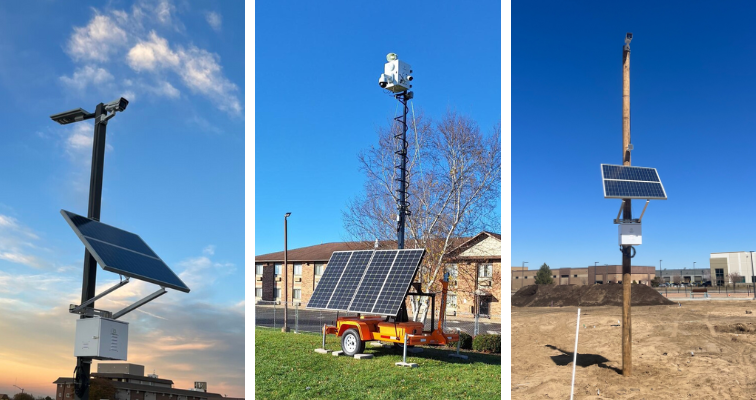
Be it on farmlands or city roofs, solar-powered cameras keep steady work no matter the outside setup, thanks to strong build rules like IP67 weatherproof ratings. Strong environmental adaptability: IP66/IP67 grade protection against heavy rain, dust, and high temperature (-30°C to 70°C), and the metal shell enhances heat dissipation and corrosion resistance. This toughness means nonstop watching even in storms or long cuts—great if you stay in areas with wild weather.
What Does The Future Hold For Solar-Powered Surveillance Beyond 2026?
The coming wave brings sharper AI checks mixed with purer energy use, forming tomorrow’s home safety scene.
Anticipated Shifts In Consumer Preferences And Industry Standards Reflect A Move Toward Modular Sustainable Design Principles
As buyers lean more to self-run tech, makers focus on swappable parts for simple updates without full swaps. Rules pushing clean-power setups in home areas will speed up wide use, making green living both doable and wanted everywhere.
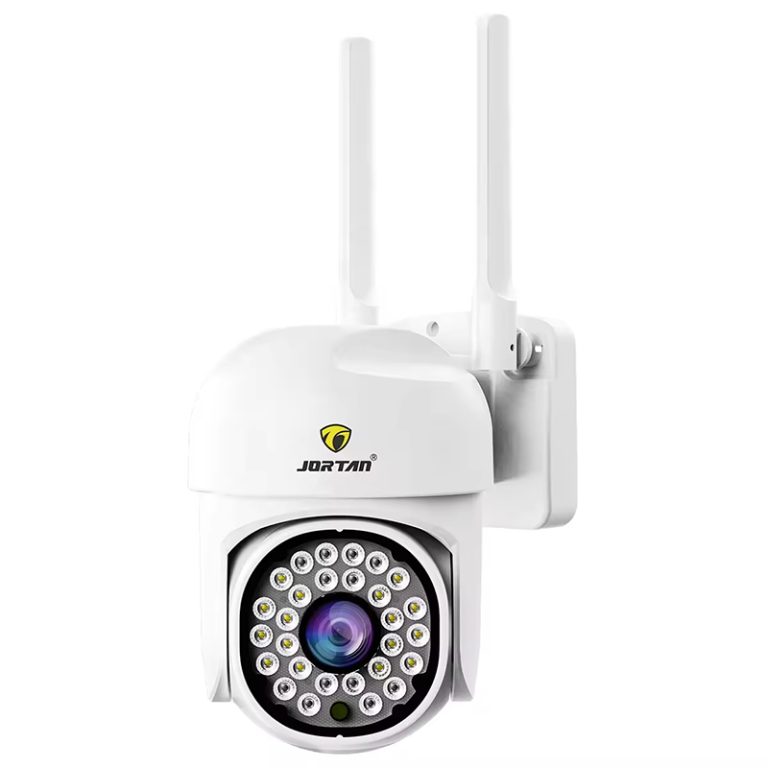
If you’re looking into solid off-grid watching choices built on green ideas, check out Jortan’s Solar Security Solutions. Jortan focuses on next-gen solar CCTV cameras made for toughness, good work, and smart handling, giving homeowners a simple path to safer, brighter living spaces run fully by pure clean energy.
FAQs
Q1: How long can a solar CCTV camera run without direct sunlight?
A1: Most good models can keep going for up to two weeks on saved battery power, thanks to effective monocrystalline panels that refill fast even in some light.
Q2: Can I integrate my solar home camera with existing smart devices?
A2: Yes—current systems link smoothly via Wi-Fi or cell networks, letting ties with voice helpers and cloud storage for better ease and reach anytime, anywhere.
Q3: Are these cameras suitable for harsh outdoor climates?
A3: Absolutely—they’re made with IP66/IP67-rated cases for full guard against rain, dust, and wild temps, ensuring steady all-year work in varied spots.