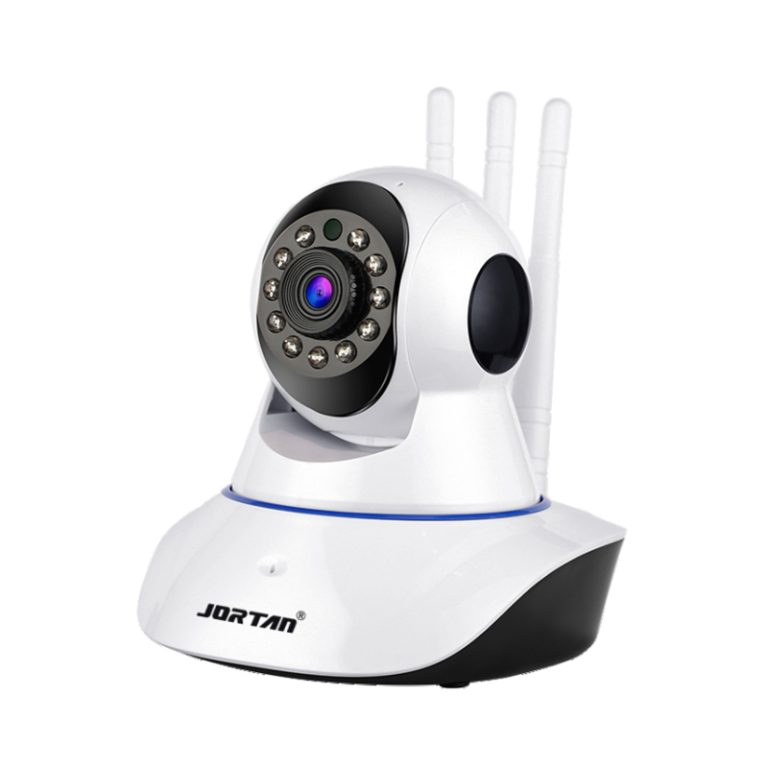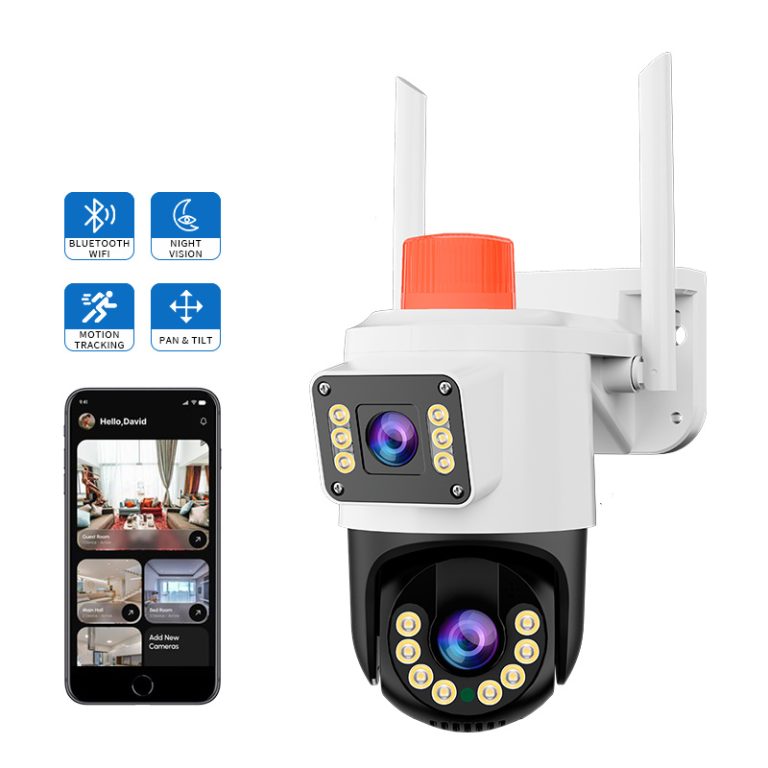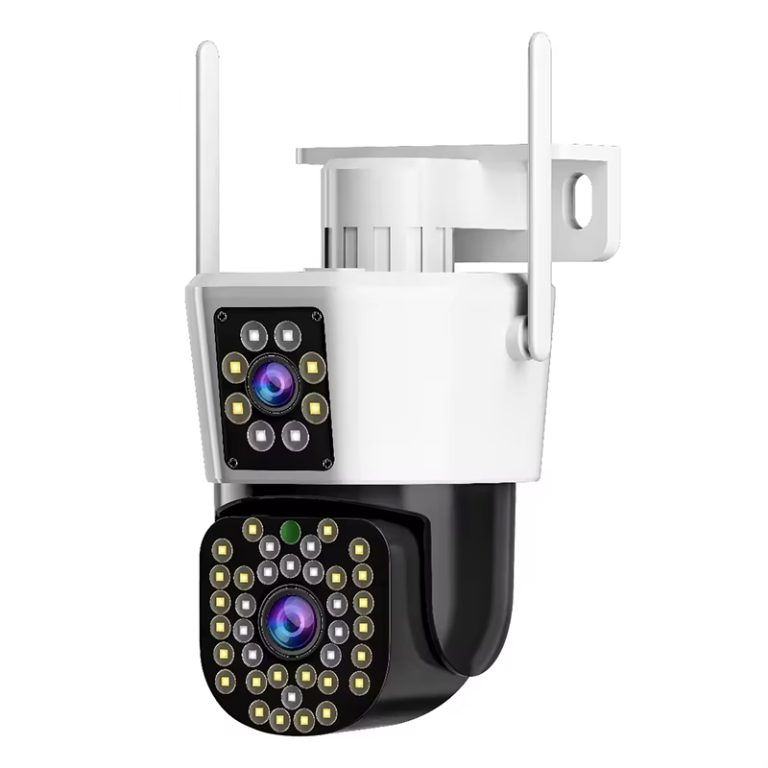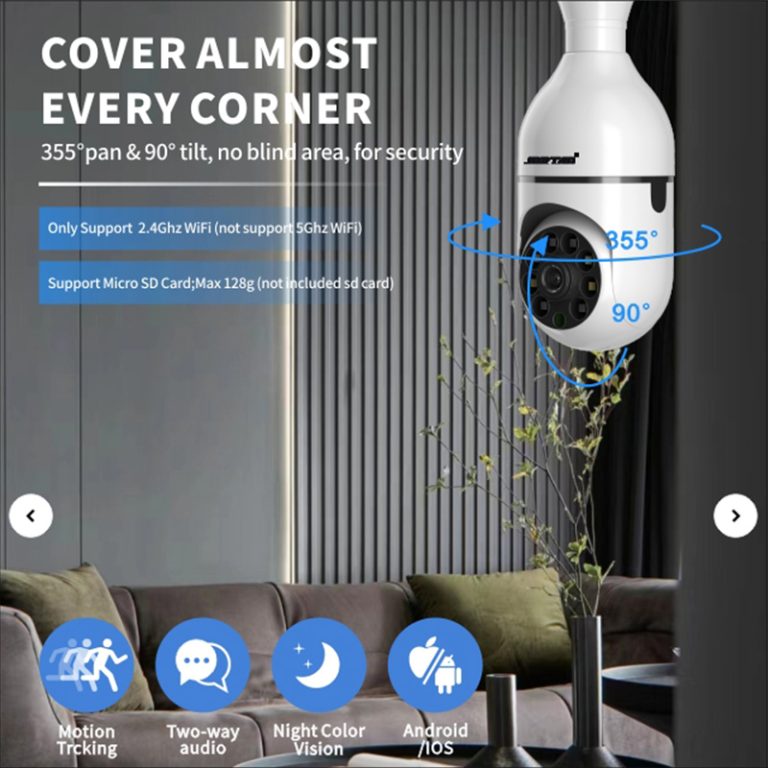
Home security cameras have advanced well past simple motion recording. Nowadays, experts seek clearer pictures, wiser detection, distant control, and stronger links to broader home protection setups.
The Evolution of Home Security Cameras
The Shift from Traditional CCTV to Smart Surveillance
Home monitoring has seen a big change. Old analog CCTV setups gave basic footage but missed out on distant viewing, automatic features, and smart review. As tech improved with digital tools, IP cameras took over as the main choice. They let owners link systems via Wi-Fi and watch live through phones.
The quick growth in the smart home field has made home cameras a key safety tool for lots of families. This change shows how tech has gone from just recording video to active safety handling. Web-connected cameras now deliver better sharpness, wider reach, and ties to other smart gadgets—benefits that old CCTV never provided.
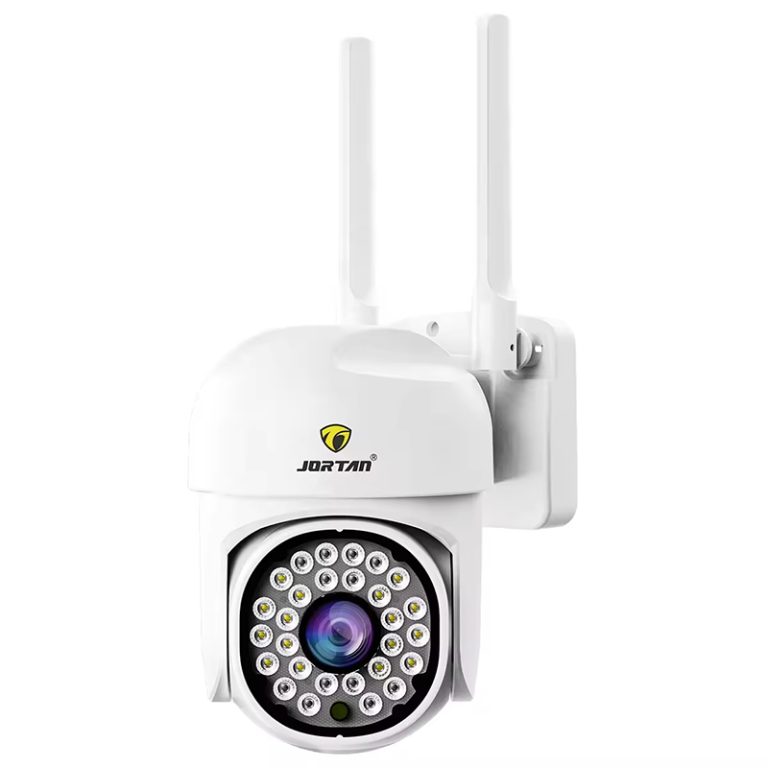
Current progress comes from firms like Jortan, which brings forward camera tech that mixes AI-based review with safe cloud saving. Its options aim to keep working even if networks fail, offering calm no matter where you go. Jortan’s smart picture systems not only spot movement but also check action habits, giving useful details instead of just clips. By stressing easy-to-use style and pro-level work, Jortan connects everyday ease with business-grade trust.
Why Do Modern Homes Require Advanced Surveillance Systems?
The need for brighter home watching keeps rising as families want more say over their spaces. Distant checking and quick warnings have turned into must-have parts in today’s homes. By getting the app, people can check their work spots and houses from afar, any time and any place. This lets you remain linked whether you’re at the office or away on a trip.
Ties to smart home networks boost this further by letting smooth matching with lights, door watchers, and alerts. With fast advances in things like the Internet of Things and artificial intelligence, the smart home area is growing fast. Jortan’s AI-based product range tackles issues like wrong alerts and poor data handling by blending smart spotting with forward-looking review—helping you react quicker to true dangers while cutting out pointless motion.
Key Features Professionals Recommend in Home Security Cameras
Why Are High-Resolution Imaging and Night Vision Capabilities Crucial?
Sharp pictures form the base for spotting details like faces or car plates. Experts suggest at least 2K sharpness for home use, and 4K gives top-notch clearness for close checks. High-definition camera picture quality matters a lot. In dim light, infrared or starlight tools keep sights clear when regular lenses don’t work.
Night vision decides if pictures stay sharp after dark. Full-color night vision tech lets cameras grab bright images even in almost no light—vital for round-the-clock watching. Jortan adds strong picture sensors that change light levels on their own for the best clearness in all light setups.
How Does AI-Powered Motion Detection Improve Accuracy?
Artificial intelligence has changed motion spotting by telling apart people, animals, cars, and weather shifts like leaves in the wind. As AI tech grows quickly, more watching cameras come with tools such as person following, face spotting, motion following, baby cry/sound spotting, animal spotting, and sound and sight warnings. You can set alert areas to target certain spots—like doorways or paths—which cuts down on extra notices.
Jortan’s AI methods handle video right on the device with built-in chips for instant accuracy, and they keep privacy safe through locked data use. Its phone links give fast warnings, so you can respond right away if odd actions happen.
How Should Data Storage and Privacy Be Handled Securely?
Saving choices differ: local SD cards give freedom from web links, NVRs gather feeds from many cameras, and cloud saving adds backup against harm or stealing. Surveillance camera saving choices mainly cover cloud saving, local SD card saving, and NVR saving. Pros often pick mixed plans that join local and cloud copies for top dependability. Locking data while sending it is just as key to stop unwanted entry. Jortan’s mixed setup has device-based locking plus safe cloud entry rules—making sure your clips stay private but ready when you need them.
What Role Does IoT Connectivity Play in Automation?
IoT links turn simple watching into active guard by joining cameras with other smart tools like locks or light systems. For example, if motion shows up near your front at night, linked lights can light up the spot while recording starts at once. Some smart cameras can connect with door and window watchers to check for strange openings.
Jortan’s IoT link base lets smooth action among different tools in your setup—making sure matched replies that boost safety without hand work.
Professional Installation vs. DIY Setup
Which Installation Option Best Fits Different Property Types?
Picking between pro setup and do-it-yourself relies on home size, web structure, and your own tech skills. Big houses might gain from expert placing to get the best view angles and steady ties; small flats could like easy-connect kits that give bends at a lower price. An indoor PTZ camera is a usual pick, while outside you’ll want a water-resistant and dust-proof dome camera.
Jortan gives bendy answers made for both pros wanting growable places and tech-smart users who like self-setup packs.
What Maintenance Practices Ensure Long-Term Performance?
Updating software keeps the system steady against web safety risks while boosting work over time. Checking placement often stops blind areas from changes like new items or plant growth. Pros advise skipping extra overlaps among cameras but making sure there is full edge coverage where you can.
Jortan helps users with far-off check tools that spot work problems early—letting quick fixes without needing in-person help calls.
Selecting the Right CCTV System for Your Home Security Needs
How Can You Match Camera Specifications to Environmental Factors?
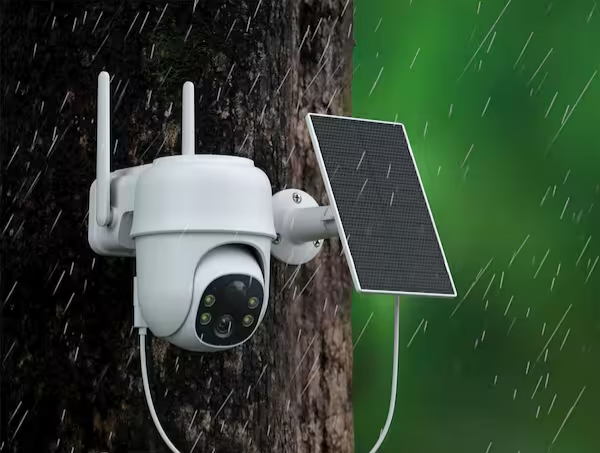
Various settings call for special builds: inside units stress looks and bend; outside types need weather-safe shells against rain or dust. Different spots require various watching cameras; outside, you’ll need a waterproof and dustproof dome camera. Picking between fixed-lens units or PTZ types depends on if you want broad-angle cover or close-up exact views of set areas.
Pros often suggest teaming several types in smart ways—for instance, mixing wide-sight dome cameras at doors with high-sharpness PTZ units over paths—to get layered guards that cut weak points.
How Do You Balance Cost with Performance Over Time?
When checking the full cost of owning home security cameras, think not only of buy price but also of upkeep fees, pay plans for cloud saving, and likely updates as your setup grows. Growability makes sure of future fit when adding new tools without swapping old ones fully. Through build-that-can-change ideas, Jortan lets owners grow well—giving cheap add-on ways that keep work steady across all linked units.
FAQ
Q1: What resolution should I choose for optimal home surveillance clarity?
A1: Experts recommend at least 2K (4 megapixels) resolution; however, 4K offers superior detail, especially useful when identifying faces or license plates under variable lighting conditions.
Q2: Are wireless CCTV systems reliable compared to wired ones?
A2: Modern wireless systems use encrypted Wi-Fi protocols, ensuring stability comparable to wired setups while offering easier installation flexibility across different property types.
Q3: How can I ensure my stored footage remains private?
A3: Use hybrid storage combining local SD cards with encrypted cloud backups; this dual approach protects against both physical theft and online breaches while maintaining accessibility anytime you need it.