A security camera order used to be quoted almost like a stable hardware item: pick the resolution, confirm the app, check the packaging, and compare the unit price. That habit is getting harder to defend. Tech inflation has moved from boardrooms into small details on the buying sheet: image sensors, SoC chips, housings, cables, batteries, freight, and the time needed to keep a model available.
For distributors, installers, property managers, and brands building business security systems, the risk is not just that a camera costs more this quarter. The bigger risk is buying the wrong mix, then paying again through returns, site rework, storage demand, or a model change that interrupts repeat orders. Smart security procurement now has to look past the shelf price and ask where the cost really sits.
Component Inflation Is No Longer Only A Finance Problem
Component inflation affects security equipment costs in a quiet way. It rarely appears as one dramatic line on a quote. It shows up as a sensor upgrade, a different WiFi module, a housing material change, a battery specification, or a shorter validity period on component pricing.
A network camera is not just a shell with a lens. The mainstream IPC structure is a CCD or CMOS sensor for image acquisition, paired with a supporting SoC chip for image processing and encoding. That matters because the sensor, processor, compression method, power design, and enclosure all carry cost pressure.
Components That Move The Budget
The most visible camera manufacturing costs are usually resolution, lens, night vision, and housing. The less visible ones matter too. H.265 compression can reduce storage pressure compared with older compression choices, which affects NVR capacity and long retention periods.
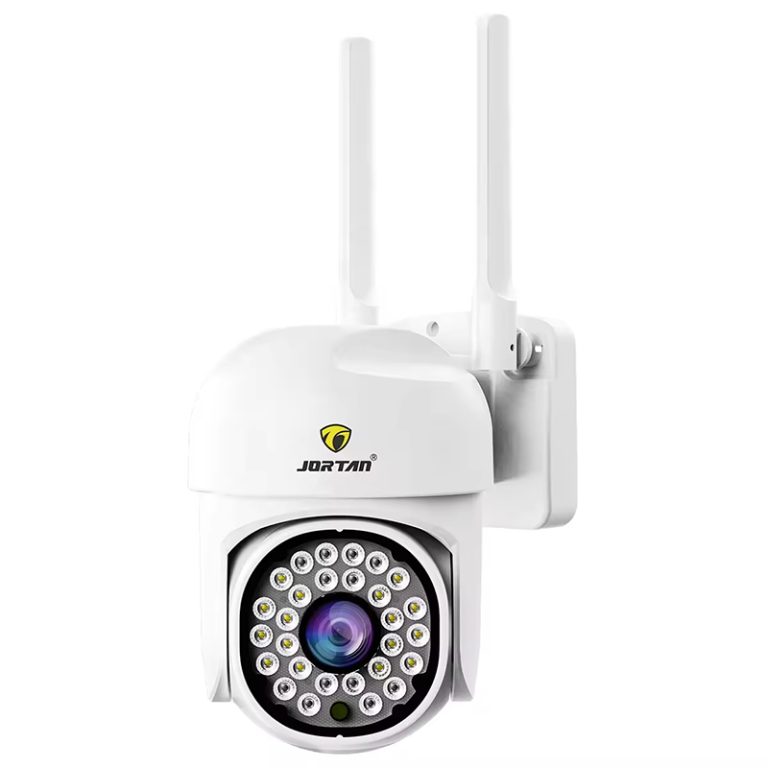
Transmission also changes the budget. Security cameras may use coaxial cable, twisted pair, power line transmission, optical fiber, WiFi, or 4G. PoE can reduce separate power cabling when the NVR supports it, while wireless models reduce installation labor in small shops or temporary sites. For outdoor devices, IP66 or IP67 protection, tail-cable design, infrared or white light fill, and pan/tilt mechanics add real material cost.
That is why a JT-8276-8PXM can make sense for offices, warehouses, or retail chains that prefer wired stability and centralized recording. The model details include CMOS sensing, ONVIF networking, two-way audio, 8-channel NVR support, IP66 waterproof cameras, and storage support up to a 4TB 2.5-inch HDD. Those details shape total project cost more directly than a headline discount.
Start Camera Procurement With The Site Reality
Good camera procurement starts with the site, not the catalog. A small retail store, a warehouse loading dock, a school gate, a parking lot, and a remote utility point should not be forced into the same camera mix. Open areas may need PTZ or zoom; parking lots and underground garages often need full-color night visibility; cash registers and front desks may need audio evidence.
The right choice can hold the security budget planning line even when components rise, because fewer devices are misused, fewer cables are rerun, and fewer cameras are replaced after the first rainy season or night test.
Match Cameras To The Risk Area
A public entrance needs identification, not just motion. A warehouse aisle needs coverage and playback clarity. A perimeter needs weather resistance and night performance. A temporary store may value quick installation over a full wired system. Buyers should ask for sample video, app behavior, alert logic, night footage, storage options, and installation drawings before bulk approval.
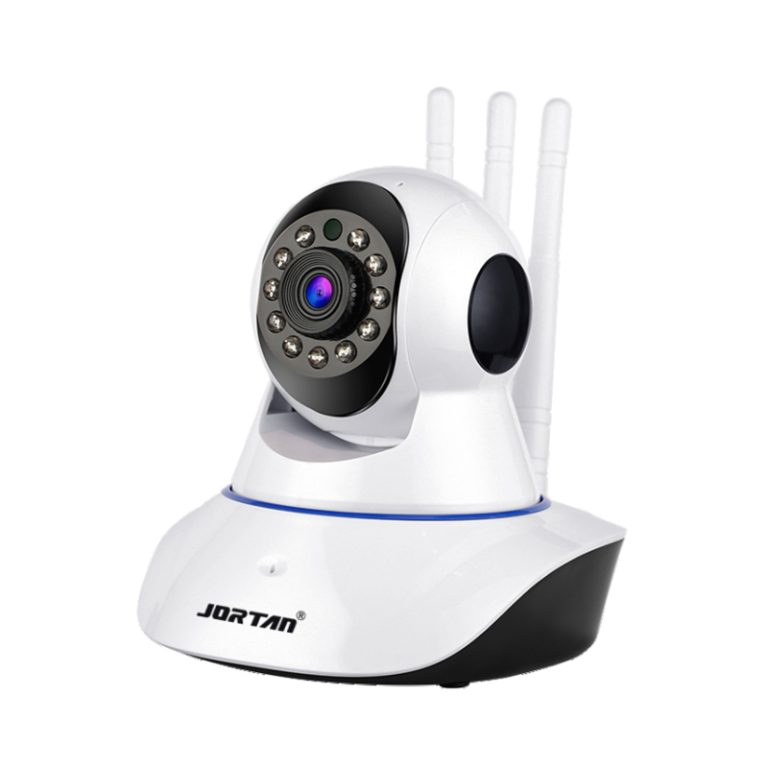
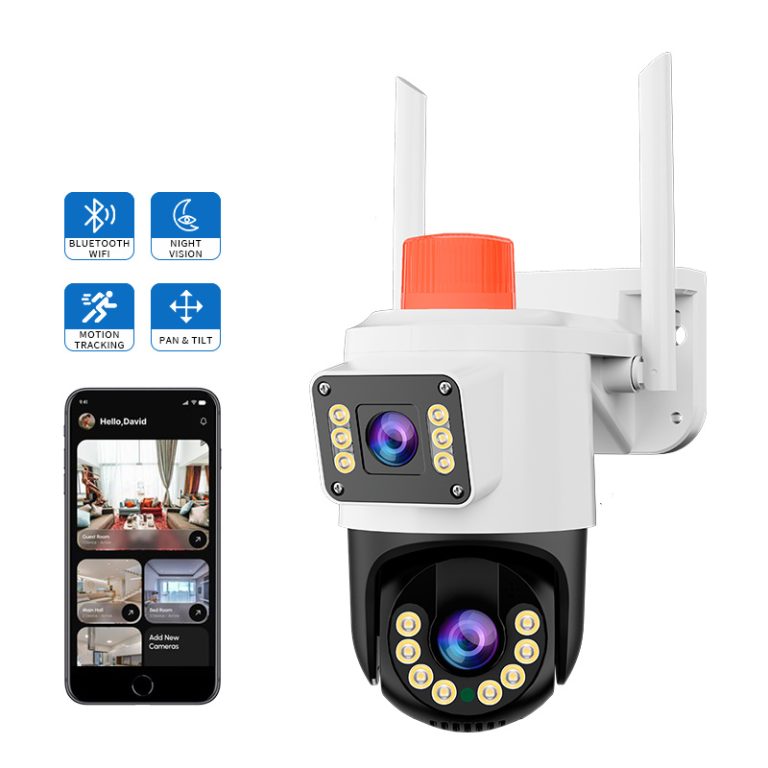
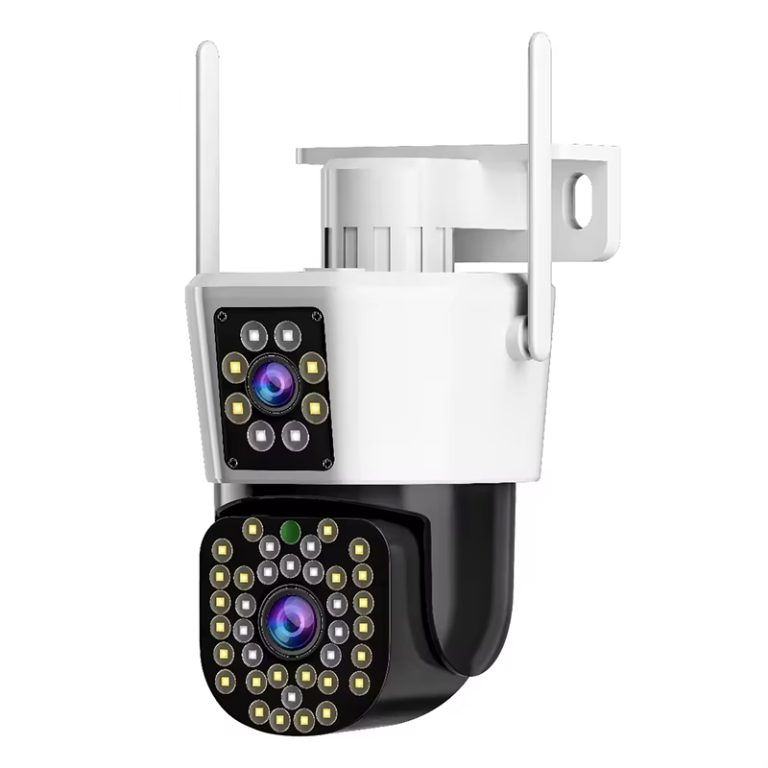
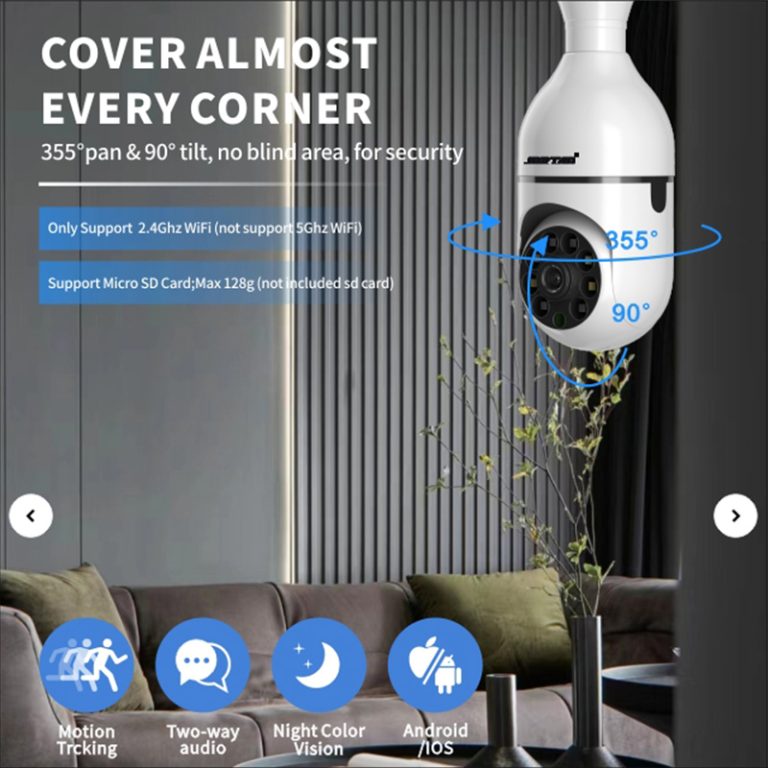
For broad product matching, the wireless IP camera range gives buyers a way to compare indoor models, PTZ WiFi cameras, dual-lens outdoor models, and IP camera options without treating every site as identical.
Remote or hard-to-wire locations need a different view of cost. A battery or solar-assisted product may carry a higher unit price, yet save trenching, cabling, and electrician time. The JT-8258T is relevant here because its specifications include H.265 video compression, a 2MP 1080P image, 2.4G WiFi, human contour detection, PIR wake-up, local or cloud storage, IP66 protection, and low-power battery operation.
Build A Security Budget Planning Method That Survives Changes
Budget planning should separate three numbers: the camera unit price, the installed system cost, and the cost of staying with the same model family over time. A buyer may negotiate a low opening price, then lose the saving through unstable supply, a forced housing change, weak after-sales support, or an app experience that increases customer complaints.
For business security systems, the better RFQ asks for a stable configuration window. It should list resolution, sensor, lens, IR or white light distance, compression, app, storage, power supply, waterproof rating, mounting method, accessories, packaging, certification needs, and warranty terms. Loose language is one of the easiest ways for cost to drift.
Separate Unit Price From System Cost
A lower-cost camera may still be the right choice if the site is simple and the supplier can keep quality steady. It becomes a bad choice when the buyer later adds NVR storage, extra cable, power adapters, brackets, app support, or repeated service calls. IP cameras transmit encoded and compressed video and audio through networks, connect to NVRs, and support functions such as motion detection, remote upgrade, PTZ control, and cached recording.
The same logic applies to distribution. A shop bundle can use a 4-channel or 8-channel kit. A commercial outdoor project may need PTZ viewing angles, IP-rated housings, and longer night vision. A no-power site may need 4G or solar/battery planning. The point is paying for features that remove real project risk.
For buyers comparing suppliers, Jortan can support this planning when the product line is broad enough to cover IP cameras, monitoring packages, and solar camera options. Jortan also works around security camera research, production, quality control, customization, remote debugging, and technical support.
Supplier Control Matters When Prices Keep Moving
Raw material pressure is difficult to avoid, but supplier control can reduce surprises. A trading-only source may quote quickly yet struggle when a customer asks for a changed housing, private label packaging, an app-related request, or steady repeat production.
Jortan works in consumer security products and supports both household and commercial engineering needs, but the stronger point for B2B buyers is factory control. Its OEM/ODM service covers logo customization, packaging box design, appearance customization, mold opening, and app customization. The production chain includes injection molding, chip processing, camera assembly, packaging, and transportation.
That is the kind of structure buyers should look for when camera manufacturing costs become unstable. Own molds, mold-opening ability, and injection molding support do not make every order cheaper overnight. They do make product changes more discussable and reduce delay when a private-label buyer needs a housing or color change.
The OEM/ODM camera production also describes raw material testing, semi-finished product sampling, and finished product inspection. For a distributor or brand owner, those checks help protect margins through fewer defective returns, more consistent packaging, and clearer repeat orders.
A practical buying process can be simple: divide the project by site type, confirm which specifications affect total cost, ask how long the quoted configuration can stay stable, request samples for night view and app behavior, and then keep a backup model inside the same product family.
Conclusion
Tech inflation will keep changing security equipment costs, but it does not have to wreck a project budget. Buyers who treat procurement as a full system decision can control more than the unit price: cabling, storage, installation, after-sales work, packaging, and repeat supply all become clearer. For camera procurement, match the site first, confirm the real cost drivers, and work with a supplier that can discuss production details honestly. For model selection, OEM/ODM questions, or security budget planning for business security systems, contact kingjin@safejortan.com.cn.