On many security projects, the camera is no longer the expensive part that surprises buyers. The painful line is the wiring: electricians, cable trays, trenching, conduit, lifts, wall repairs, return visits, and a site manager trying to keep normal business moving while installers pull cable through awkward corners. That is why solar security cameras are getting a more serious look from distributors, installers, property teams, and brands that sell into light commercial sites.
The argument is not that every wired camera should disappear. Wired systems still have a place. The real question is simpler: when does security camera wiring cost more than the risk it solves? For yards, farms, parking edges, temporary entrances, construction sites, and remote utility points, solar camera installation can cut the work that drains a budget before the first video clip is even recorded. Used in the right places, wireless security cameras turn labor cost savings into a buying strategy, not just a convenience feature.
Wiring Is Often The Labor Line Buyers Underestimate
Camera installation costs usually look manageable on a spreadsheet until the site walk begins. A wall is thicker than expected. The nearest power point is on the wrong side of the building. A pole has no mains supply. A tenant does not want visible cable. A parking lot needs coverage at the far edge, not near the office where power is easy.
Traditional security camera wiring can also trigger secondary costs. Pulling cable may require drilling, waterproofing, conduit, extra brackets, power adapters, PoE switches, NVR changes, or civil work. In outdoor projects, the camera itself may need IP66 or IP67 protection, a protected rear cable path, and stable mounting. When labor is billed by time, every surprise becomes part of the invoice.
Cable Work Eats The Budget First
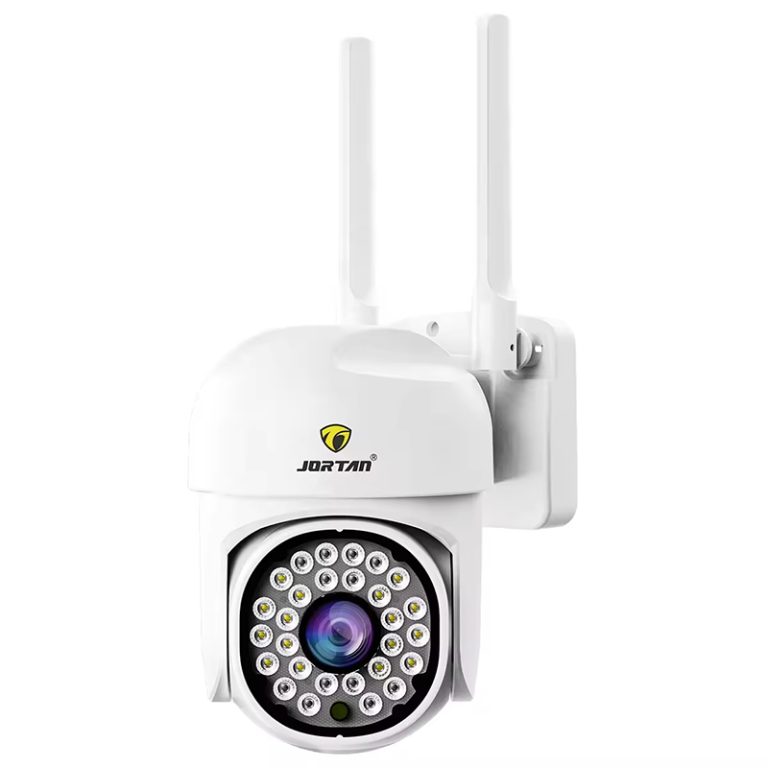
Jortan treats transmission and power as separate design choices, which is exactly how buyers should view cost. Cameras may transmit through coaxial cable, twisted pair, power line, optical fiber, WiFi, or 4G. Power can come from AC24, DC12, DC5V, batteries, 18650 cells, or solar energy. Each route creates a different installation burden.
PoE can reduce separate power cabling when the recorder side supports it, so it remains useful for offices, shops, and warehouses where cable routes already exist. But once a site has no easy power or network, the labor story changes. A higher unit price can be cheaper than a day of drilling, trenching, and call-backs.
Solar Security Cameras Change The Installation Math
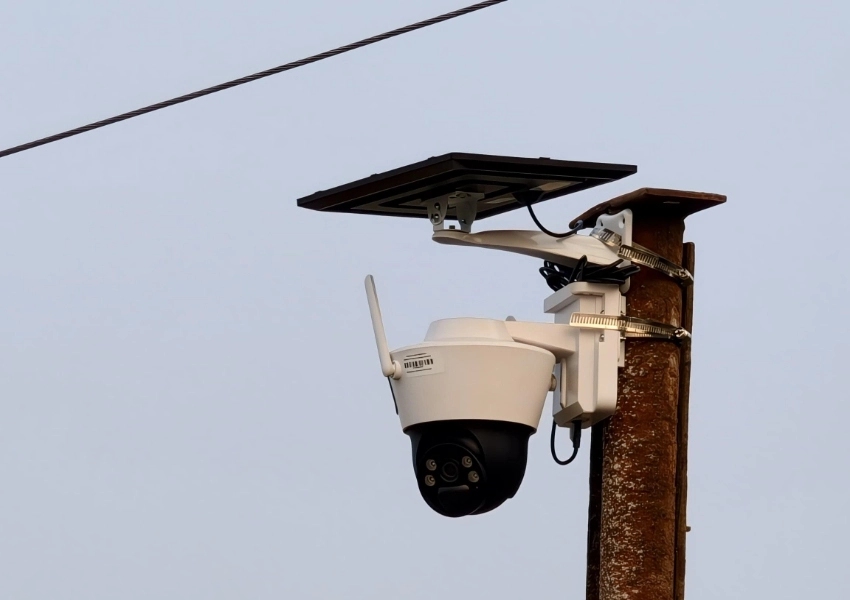
Solar models change the budget because they remove two common installation dependencies: nearby power and long cable routes. A buyer still has to check sun exposure, mounting height, signal strength, battery reserve, and recording behavior, but the physical work is lighter. That matters in real projects, especially where the site owner cannot close an area for wiring work.
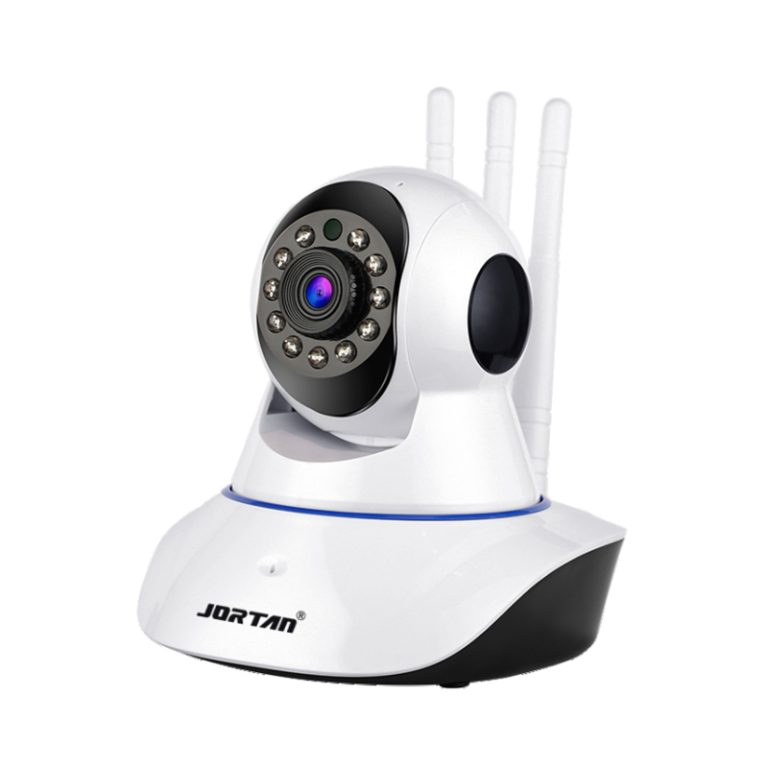
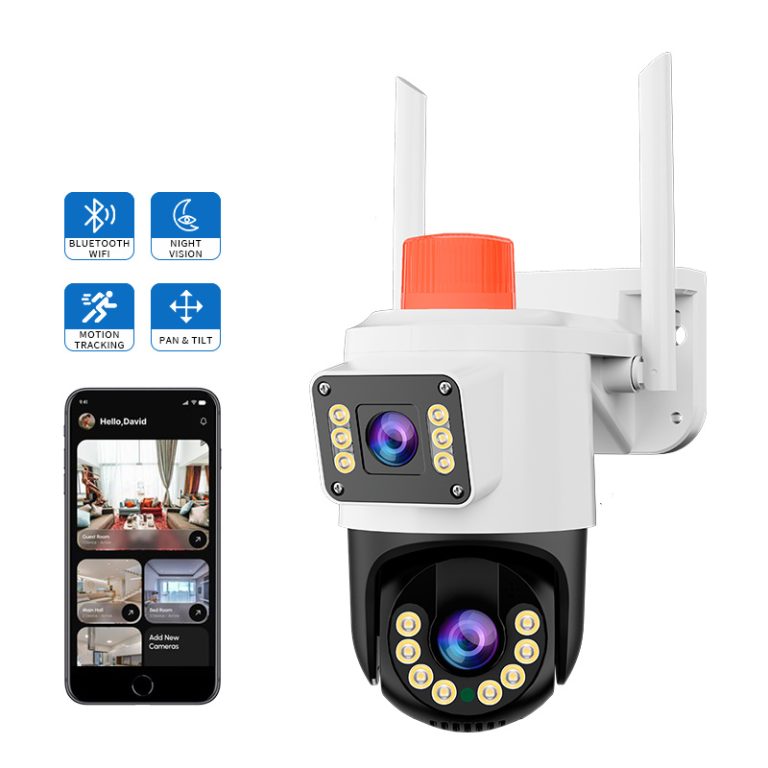
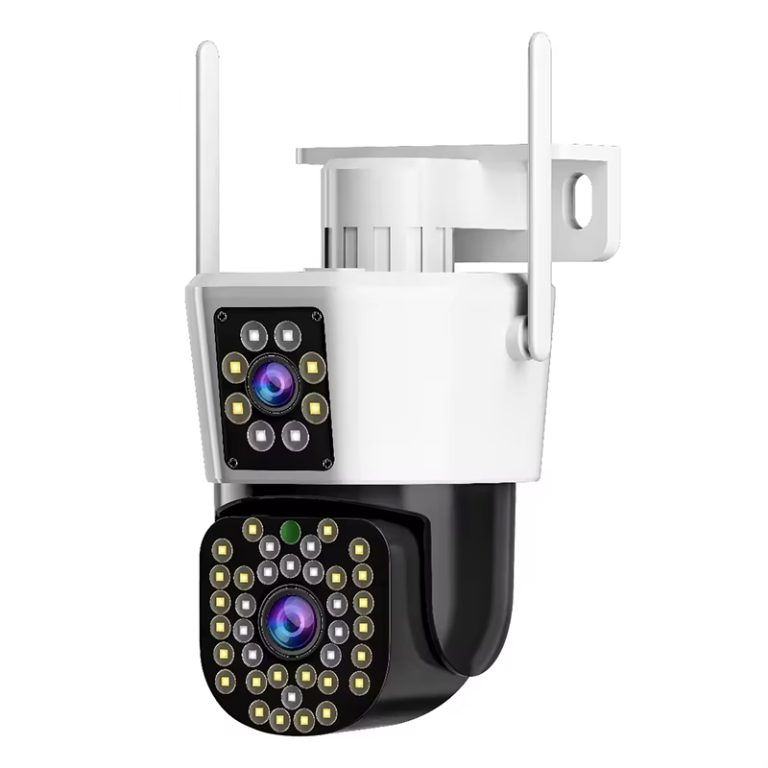
Jortan’s solar security camera is relevant to this kind of buying discussion because the category is built around outdoor monitoring where wiring is inconvenient. It also has low-power solar 4G camera kits for locations without networks and electricity, using solar panels and ultra-low power design to provide stable power in no-man’s-land.
Power And Signal Planning
Good solar camera installation still needs planning. For WiFi sites, the camera has to stay within a stable wireless area. For remote locations, 4G can make more sense because the camera can be viewed from a phone or computer without a local network. That is why the same product family may serve a farm gate, a temporary material yard, a river project, or a small parking lot in different ways.
A model such as the JT-8258T solar camera fits the discussion because it has H.265 video compression, 1080P resolution, 2.4G WiFi, PIR wake-up, human contour detection, local Micro SD or cloud storage, two-way voice, IP66 dust and water protection, and a low-power battery design. Those are not decorative features. They affect how often a buyer pays for power work, storage, service visits, or nuisance alarms.
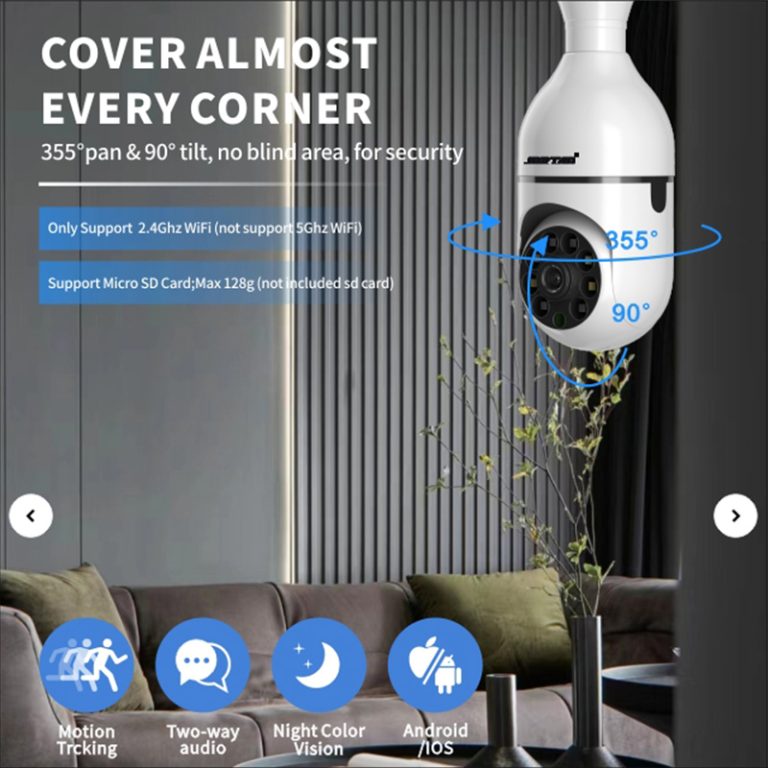
For buyers who need a compact wireless option rather than a full solar kit, the 8185XM wireless camera has another advantage: 1080P imaging, H.265 compression, 2.4G WiFi, two-way voice intercom, PIR wake-up, Micro SD support up to 128GB, screw-hole mounting, ABS and PC materials, and listed certifications such as CE, FCC, RoHS, WEEE, MSDS, and UN38. That makes comparison more useful than a simple price race.
The Best Payback Comes From Sites That Punish Cables
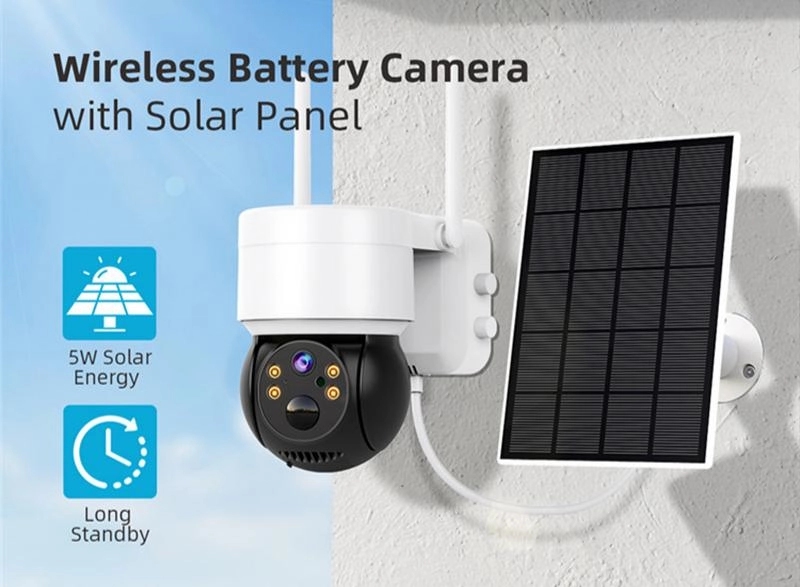
Solar security cameras do not win every job. They win where security camera wiring would be slow, ugly, disruptive, or expensive. In a neat office ceiling, wired IP cameras may still be the cleanest choice. On a remote fence line, a far parking corner, a warehouse overflow yard, or a temporary gate, the calculation can flip quickly.
The clearest labor cost savings come from places where cable is a project in itself. Think about a construction entrance that moves after three months, a storage yard with no nearby mains power, a farm road, a small marina, a remote pump house, or a retail overflow lot rented only for a season. Paying for permanent cable there can feel absurd.
Remote Sites With Real Payback
The remote areas, transportation, energy industry sites, and water conservancy projects serve as natural scenes for low-power solar 4G monitoring. That fits the way many B2B buyers now plan security: they need enough visibility to reduce risk, but they do not always need a full wired infrastructure build.
A practical buyer can sort sites into three groups. First, keep wired cameras where continuous recording, existing cable routes, and central NVR storage are already part of the building. Second, use wireless IP camera options for shops, front desks, small warehouses, and indoor areas where WiFi is stable. Third, use solar or battery-led models where power access is the problem and the camera’s low-power behavior is worth more than a lower unit price.
This is also where camera installation costs should be compared over the full job, not the product line alone. A solar model may need a better bracket, sun-facing placement, SIM planning, or occasional battery checks. Those tasks still exist. They are usually easier to price than trenching cable across a yard or sending a crew back because a landlord rejected the wiring path.
Supplier Control Keeps Savings From Turning Into Rework
A solar project can fail if the supplier only talks about wireless convenience and never discusses housing, battery behavior, app support, packaging, or model stability. B2B buyers need a cleaner question: can the supplier keep the same product family steady while supporting the custom details that sales channels actually need?
This is where Jortan’s later-stage value becomes useful. The company works in consumer security products and has the scale of a factory-backed supplier rather than a pure trading source. Its OEM/ODM camera production support covers logo customization, packaging box design, appearance customization, mold opening, and app customization. The production chain includes injection molding, chip processing, camera assembly, packaging, and transportation, with raw material testing, semi-finished product sampling, and finished product inspection built into the process.
Own molds, mold-opening ability, and injection molding matter more than they sound. A distributor may need a color change, a bracket adjustment, a private-label shell, or packaging that fits a retail channel. An installer may need fewer fragile parts and clearer accessories. A brand owner may need a stable wireless security camera line for repeat orders, not a one-time bargain model that disappears after a promotion.
For mixed projects, Jortan can also connect solar models with IP cameras and monitoring packages, rather than forcing every site into the same answer. That helps buyers keep labor cost savings honest: the solar choice is used where it cuts wiring work, while wired or WiFi models stay where they still make sense.
The better procurement habit is simple. Ask for sample units. Test day and night footage. Check app alerts, PIR wake-up, storage, battery expectations, mounting parts, waterproof details, and after-sales response. Then compare the installed cost. If the quote only compares unit prices, it misses the reason solar cameras were considered in the first place.
Conclusion
Solar security cameras are not a shortcut for every project. They are a cost-control tool for sites where power and cable work turn into the real expense. Used with the right signal plan, mounting checks, and supplier support, solar camera installation can reduce service disruption, cut rework, and make security budgets easier to defend. For model selection, OEM/ODM details, or a project discussion around labor cost savings, contact kingjin@safejortan.com.cn.