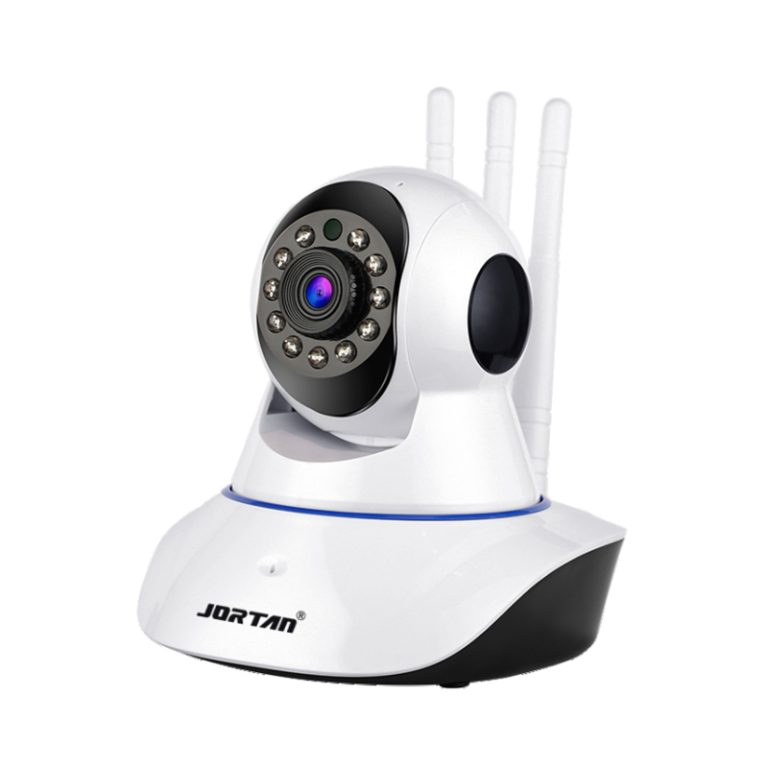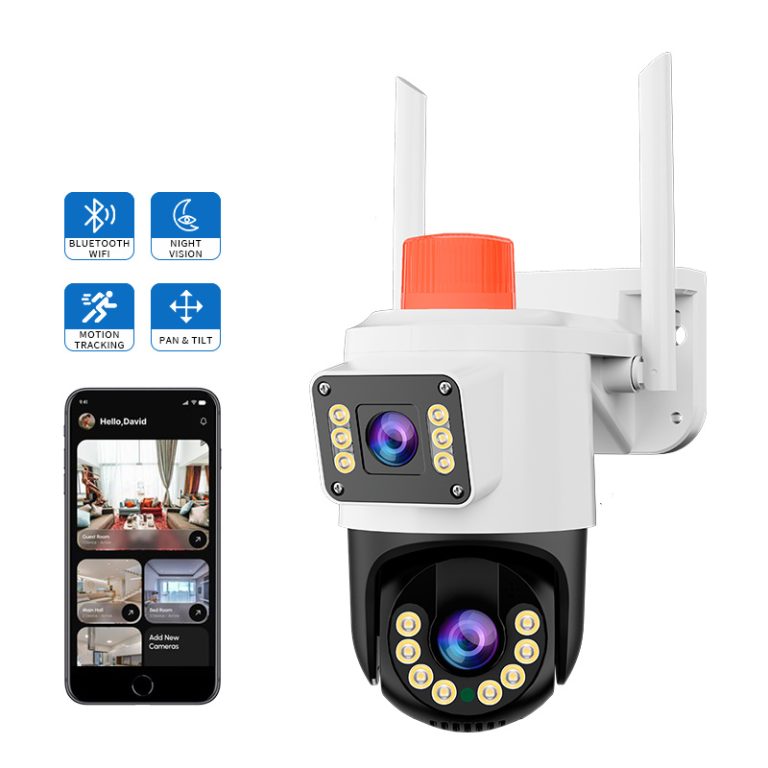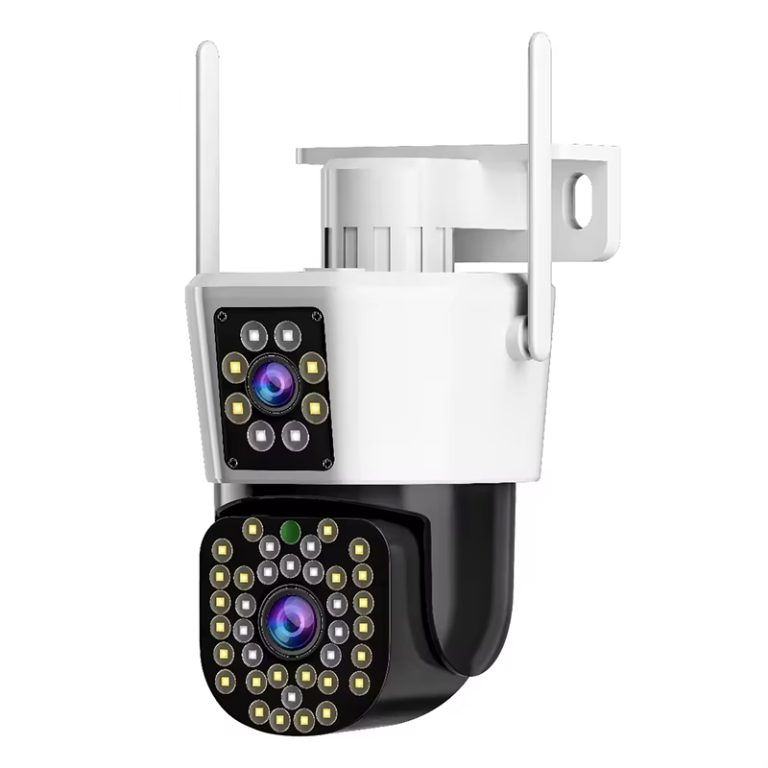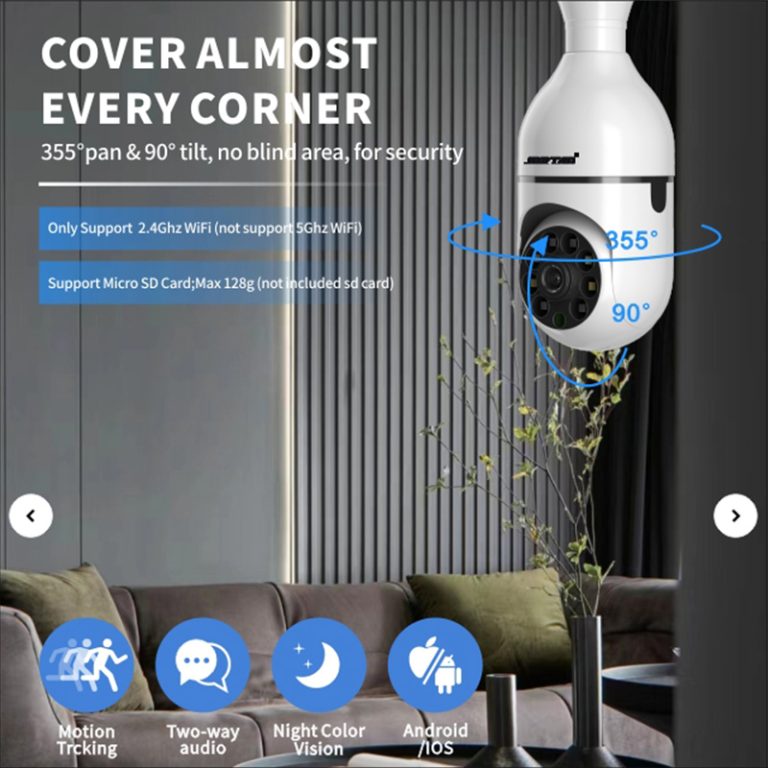
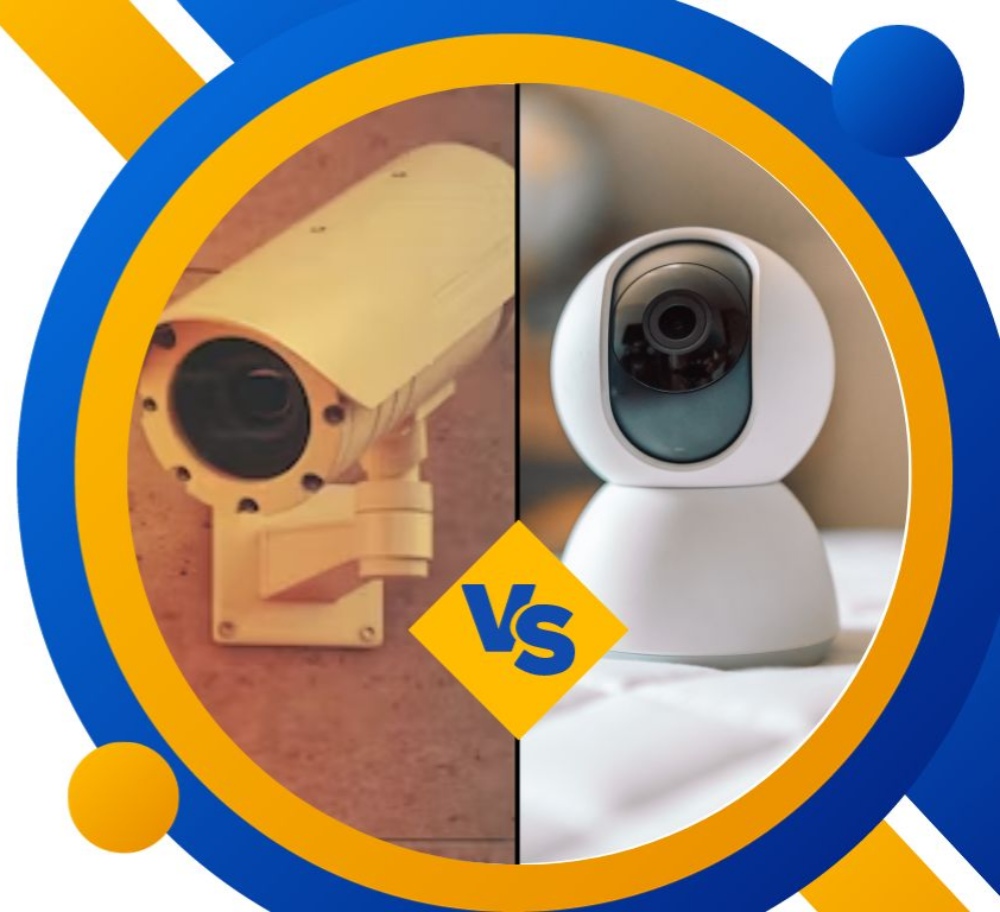
Security camera technology has grown far past simple wired watching. Since solar-powered types attract notice for easy placement and reduced power needs, matching them against standard systems aids home owners and companies in seeing which pick suits their protection wants, site setup, and ongoing expenses more closely.
Overview of Security Camera Technologies
The security sector has faced a large shift over the last few decades, fueled by fresh developments in connections, power saving, and clever controls.
Evolution of Home Security Systems
Initial home security arrangements mostly relied on wires, demanding steady power and direct oversight. Such designs provided dependability yet missed adaptability. With tech advancing, wireless and intelligent options turned common, which enabled property owners to oversee their sites from a distance using phone programs and online services. Because of gains in chip, software, and connection tools, security cameras steadily transition from expert roles to everyday users as more home WiFi cameras join living spaces. This change signaled the start of the smart home camera period.
The following stage of fresh ideas brought in solar-powered arrangements—eco-friendly picks that blended clean power with current watching skills. As ongoing fresh ideas in the watching sector continue, people value and apply surveillance more often. Practicality has improved from wired to Wi-Fi to 4G. Solar-powered plans now permit placement in remote spots lacking power or web entry.
Understanding the Core Differences Between Solar and Traditional Systems
The main split between solar and standard security arrangements rests in their energy origin. Solar devices produce power from sun rays using built-in panels, whereas regular types lean on central power. Placement difficulty changes too—solar cameras call for little wiring, opposite to wired types that require expert installation. Care methods vary likewise: solar tools need regular panel wipes, while wired types could demand wire reviews in time. Every arrangement meets distinct demands based on site factors and wanted steadiness degrees.
Technical Foundations of Wireless Solar Security Cameras
Solar-powered watching tech shows a blend of clean energy design and strong connection qualities.
How Solar-Powered Cameras Operate
Solar security cameras capture sun rays via photovoltaic panels that change solar power into an electric supply for running them. This power is saved in refillable batteries to support work amid nights or overcast times. Solar cell-watching cameras provide three key fresh approaches: power independence, connection safety, and smart protection. Connection choices cover Wi-Fi for typical home running or cell parts for far placement lacking a wide web.
Key Components in Solar Security Cameras
Solar Panel Efficiency and Placement Considerations
Panel direction holds an important part in boosting sun intake over the full day. Shade from trees or buildings might cut production a great deal; thus, prime positioning guarantees even work no matter weather changes.
Battery Storage and Power Management Systems
Lithium-ion batteries gain favor owing to their extended life and good refill rounds. Smart power-handling rules control refill designs to stop excess in drawn-out overcast spells—securing nonstop recording power.
Wireless Communication Modules
Current solar devices combine various network connection parts backing Wi-Fi 6 or 4G LTE links. Global networking capabilities help improve signal coverage in many remote outdoor scenarios. Such a setup permits smooth oversight in cut-off settings like country fruit groves or built areas.
Technical Foundations of Traditional Wired Security Systems
Standard wired arrangements keep their appeal thanks to firm running and steady power delivery skills. These answers fit steady placements needing always-on service.
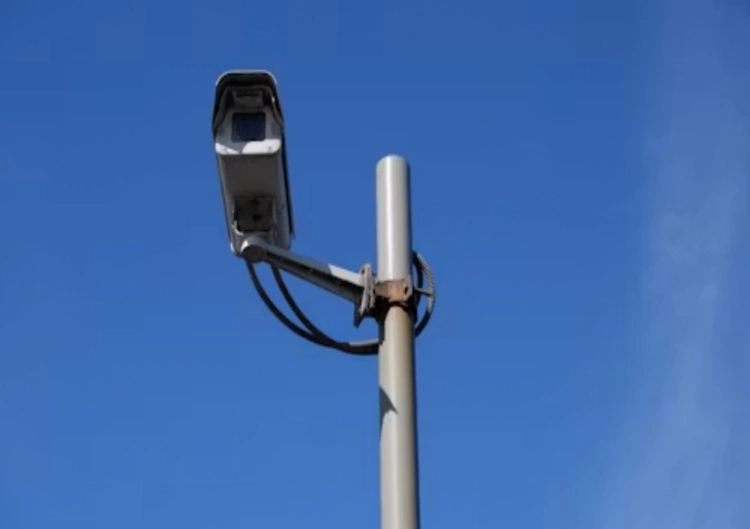
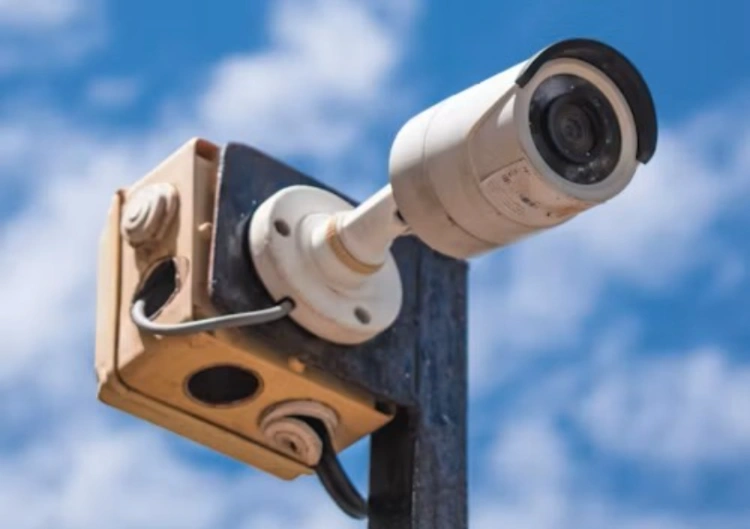
Wired cameras depend on straight electric links that promise reliable running free from weather ties. Data flow generally passes via coaxial or Ethernet wires, supplying steady capacity for sharp video streams. Main parts feature focused power supply devices with reserve batteries or UPS setups that block brief cuts from halting recording duties. Storage often occurs on-site through DVRs or NVRs for safe video holding inside the area.
Comparative Analysis: Performance, Reliability, and Maintenance
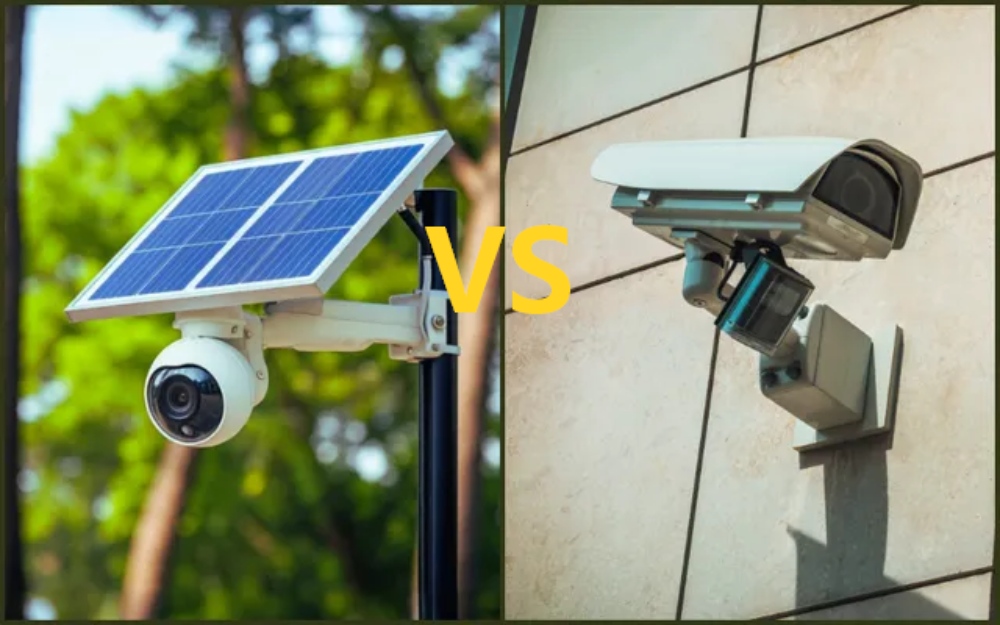
As we match wireless solar security cameras to standard wired arrangements, various running elements come forward as key points.
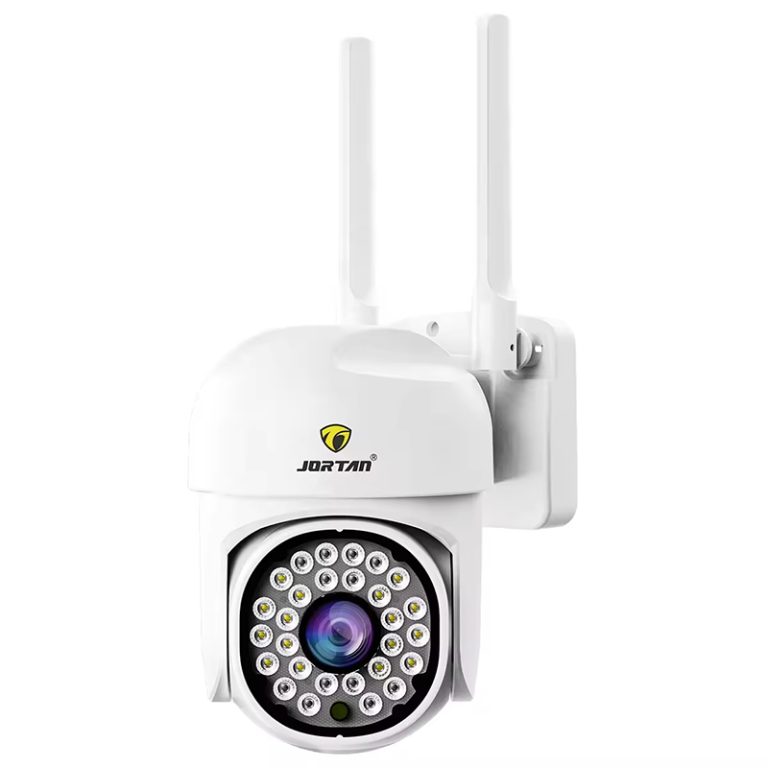
Solar-powered designs like Jortan’s products stand out in eco-friendliness by lessening dependence on central power, all while upholding work via clean supplies. Still, standard types offer foreseeable inside running untouched by site shifts like shade or showers.
Placement difficulty splits clearly—solar wireless devices and cameras enable fast rollout free of wire-bound constraints, rendering them apt for brief designs or outdoor zones. By comparison, wired systems need organized wiring yet yield unbeatable firmness after setup.
Care routines likewise branch: solar types profit from basic care beyond routine panel wipes; wired setups require now-and-then wire looks but mostly sustain long-run dependability in managed settings.
Integration with Smart Home Ecosystems
Smart blending shapes current home protection plans by linking watching with autobases.
Solar wireless cameras frequently pair smoothly with digital assistants such as Alexa or Google Home for voice-handling roles. Moreover, they tie in through custom phone apps that allow live oversight and prompt notices on movement spots. Home cameras primarily support WiFi networking, TF card or cloud storage, simple AI features (such as human detection and voice alarms), and mobile app management.
Standard wired arrangements blend via main centers in larger smart bases—permitting single oversight with lights or alert parts for full site safety.
Cost Analysis: Short-Term Investment vs. Long-Term Value
Opening buy amounts differ across the two techs. Solar-powered arrangements usually bring higher starting prices from added light-electric panels and battery units; yet, they remove lasting power fees in the long run. Wired options may look less costly at the outset but gather running fees via constant energy draw. Viewing from a future angle, wireless solar security cameras deliver money perks through cut power bills and reduced care rates—particularly useful for distant placements where laying wires would prove expensive.
Environmental Impact and Sustainability Considerations
Eco-friendliness marks a strong point of solar-powered cameras and answers. They are the ultimate solution for areas without electricity or internet access, making them particularly suitable for remote rural areas, field operations, ecological protection areas, and other special scenarios. Through drawing on clean energy supplies rather than central power, these gadgets add straight to lowering carbon traces in step with worldwide green structure drives.
On the flip side, typical wired arrangements draw steady electric power from non-clean supplies—leading to larger future side effects from production goods and ongoing supply use over running years.
Choosing the Right System for Specific Applications
Deciding among solar-powered devices and standard designs hinges on site exposure factors, present structures, money focuses, and care outlooks.
For outside areas rich in sun rays—such as farms or edge regions—solar placements bring peerless self-rule and flexibility. In places with solid web ties indoors or beneath shaded spots, wired designs are better selections for reliable on-time delivery. People stressing eco-friendliness could favor solar even with steeper opening prices; those valuing break-free running may choose standard power systems in its place.
FAQ
Q1: What are the main benefits of using wireless solar security cameras?
A1: They operate independently from grid electricity using renewable energy sources while providing real-time remote access via Wi-Fi or cellular networks—ideal for off-grid locations needing sustainable monitoring solutions.
Q2: How do traditional wired systems compare in terms of reliability?
A2: Wired setups ensure stable video transmission through physical cabling with minimal interference risks; they remain reliable choices where constant power availability is guaranteed.
Q3: Are hybrid configurations combining both technologies feasible?
A3: Yes. Many modern smart home camera ecosystems allow integration of both solar-powered outdoor units and indoor wired models under unified management interfaces for comprehensive coverage across diverse environments.