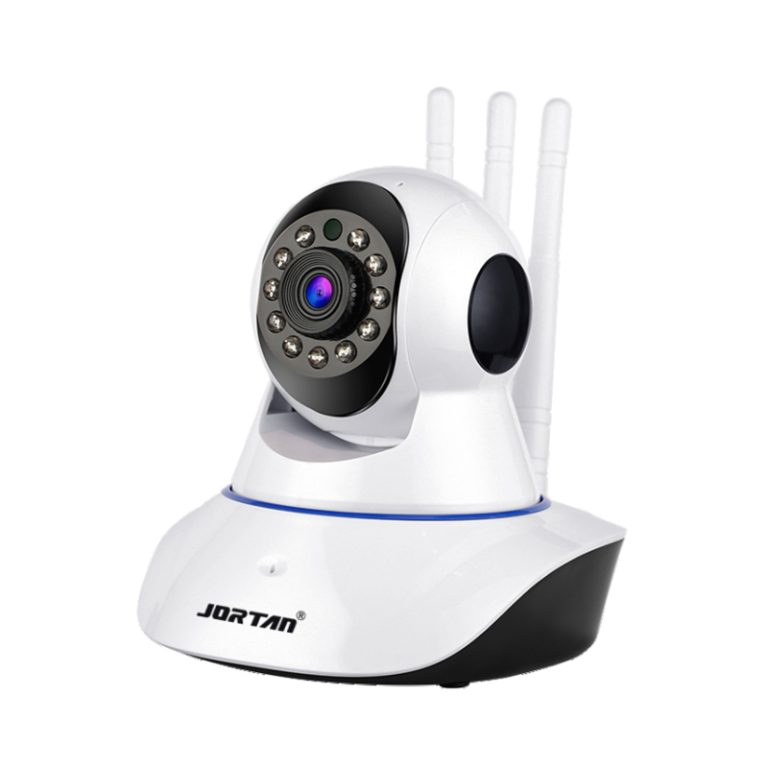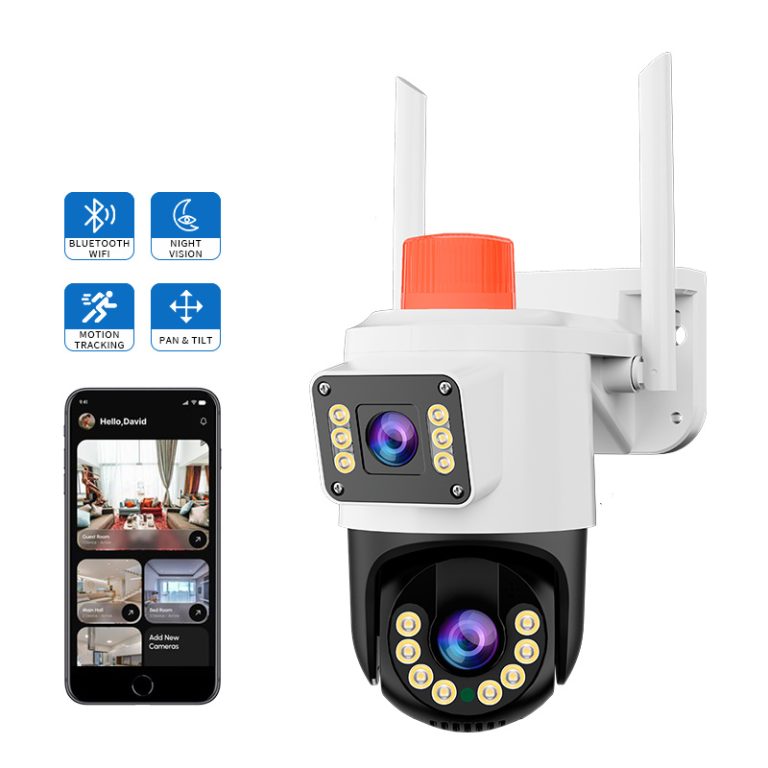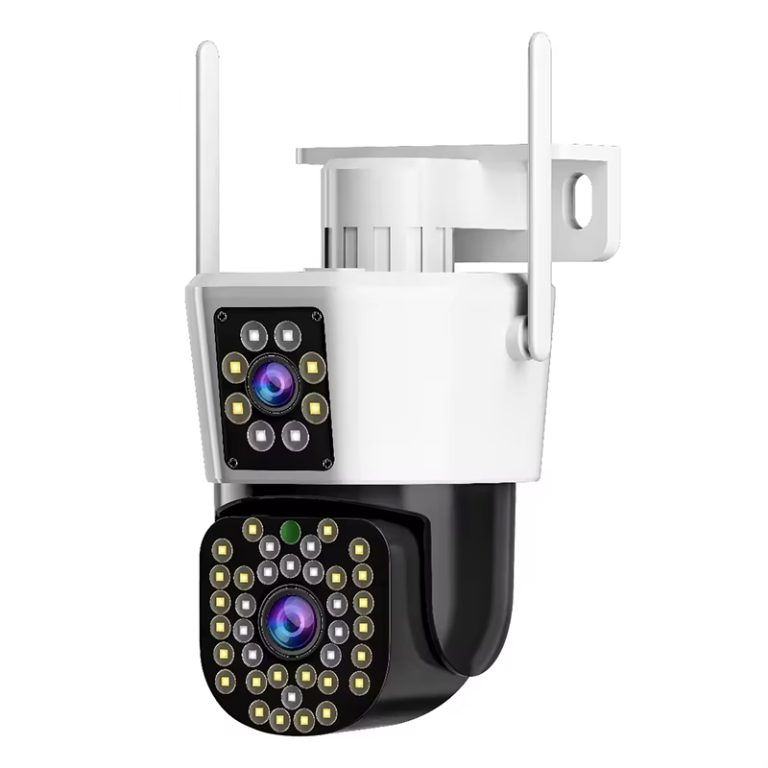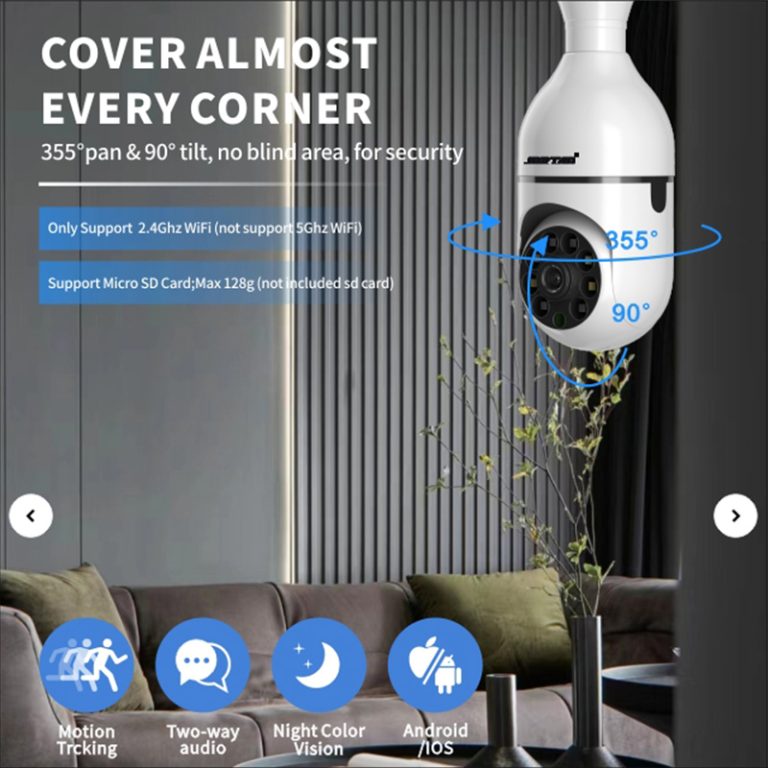
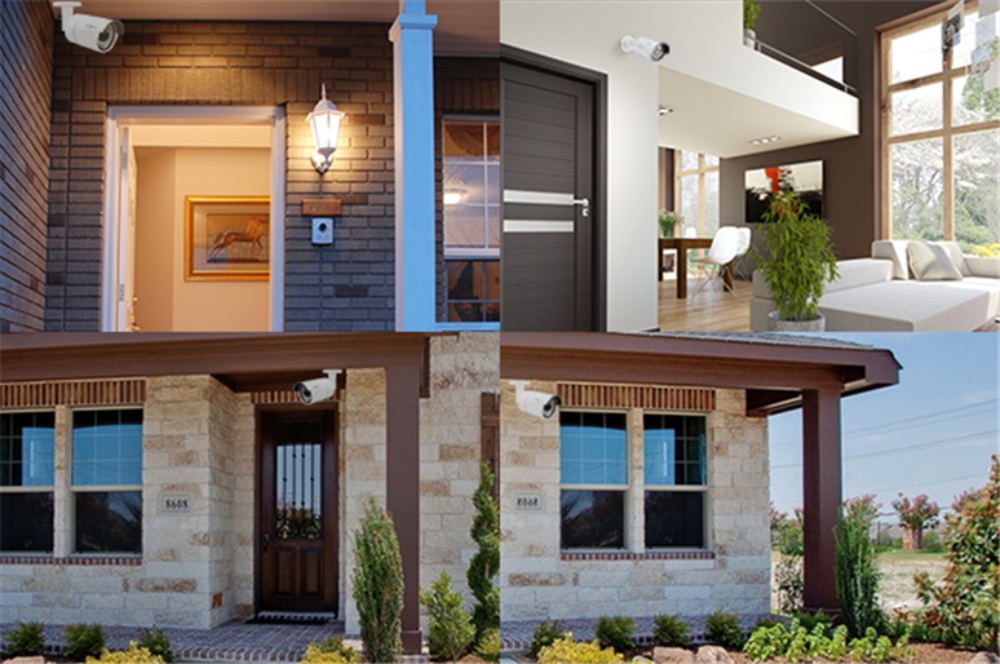
Smart home camera placement counts just as much as camera quality for true home protection. In 2026, good coverage relies on picking the best spots to stop intruders, cut down blind spots, and build a more dependable security system. Knowing these key areas helps make smart cameras a solid first defense.
Understanding the Strategic Placement of Smart Home Cameras
In the changing world of smart home security, smart placement of cameras decides how well a system guards your property. Firms like Jortan stress the value of clever tech and careful setup to get full coverage.
The Importance of Camera Positioning in Home Security
Good camera positioning makes sure every weak spot gets watched without extra overlap. It boosts clear views, shrinks blind areas, and strengthens deterrence. A smartly placed smart home camera does more than record proof; it also scares off possible intruders before they try anything. Plus, it impacts picture sharpness, motion detection precision, and following privacy rules.
Buy several cameras if required to watch the whole area. This idea shows that one device alone cannot protect a full property. Instead, a group of well-placed units forms a strong defense network.
Balancing Coverage, Privacy, and Aesthetics
Smart home cameras need to mix usefulness with subtlety. They ought to watch doors and open spaces without entering private rooms like bedrooms or bathrooms. Hidden setup keeps the home’s look nice while providing strong safety. Also, honoring neighbors’ privacy fits local laws and moral guidelines.
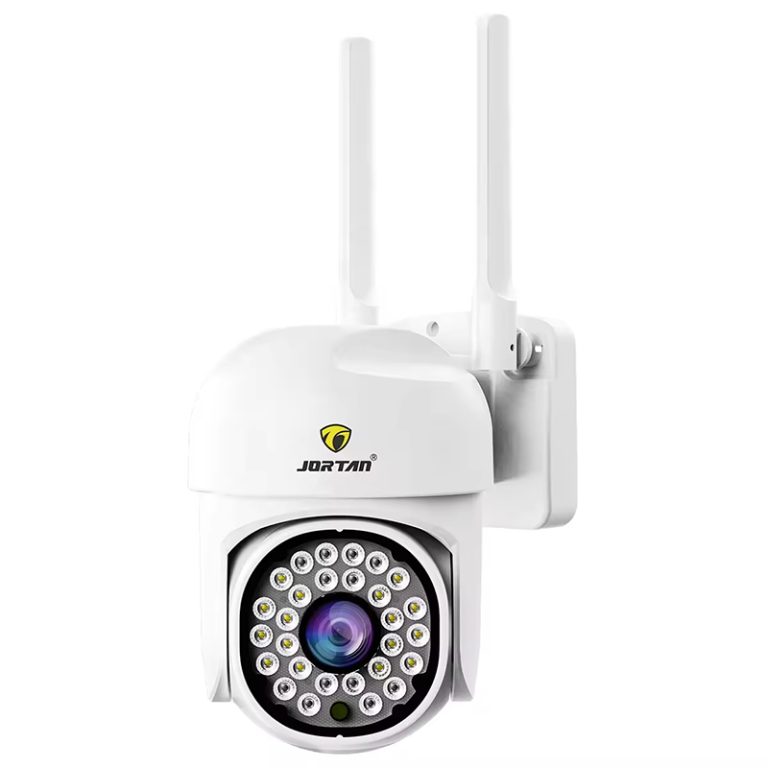
Home cameras mainly use WiFi links, TF card or cloud storage, basic AI tools (like human spotting and voice warnings), and mobile app control. This ease lets owners blend devices into their homes smoothly without hurting style or privacy.
Entry Points: The Foundation of Home Surveillance
Entry points serve as the usual paths for guests and burglars alike. Putting security cameras at these spots builds the base of any solid watch plan.
Front Door Monitoring for Visitor Verification
The front door stays in the top spot for home security cameras since it acts as the key way in for family, visitors, and package handlers—and sadly, for burglars too. A camera set at eye height grabs sharp face images vital for spotting people. Linking with smart doorbells adds live talk via two-way audio and quick notices on phones.
By getting the app, people can check their work spots and homes from afar, any time and place. This far-off access means owners can confirm guests or packages even when not at home.
Back Door and Side Entry Coverage
Other doors often draw illegal entry tries because they feel more hidden. Broad-view lenses can watch several doors at once, and motion-activated lights boost sight in dark hours. For instance, teaming a backdoor camera with bright lights offers both sight coverage and a mental scare-off.
Perimeter Protection: Enhancing Outdoor Awareness
Outside watching stretches knowledge past doors to cover driveways, garages, yards, and fences—places where spotting trouble early stops it from growing.
Driveway and Garage Surveillance
Watching driveways lets people follow cars coming or going from their land. Cameras with plate reading tools raise spotting accuracy for odd actions. Rain-proof types keep steady work even in wet or dusty weather.
Thanks to progress in chips, software, and network tools, security cameras shift slowly from expert uses to everyday buyers. This change has brought outdoor Wi-Fi cameras closer to home users.
Yard and Fence Line Observation
Setting cameras by fences or yard edges gives early warnings of break-ins before outsiders hit doors or windows. Night-vision or dim-light types keep clear sight after sunset by recording high-res videos in low light. When paired with motion detectors or alerts, these setups make active safety layers that react fast to spotted motion.
Interior Placement for Comprehensive Security Coverage
After securing outside areas, inside spots ensure steady watching over shared rooms where valuables often sit.
Living Room or Common Area Monitoring
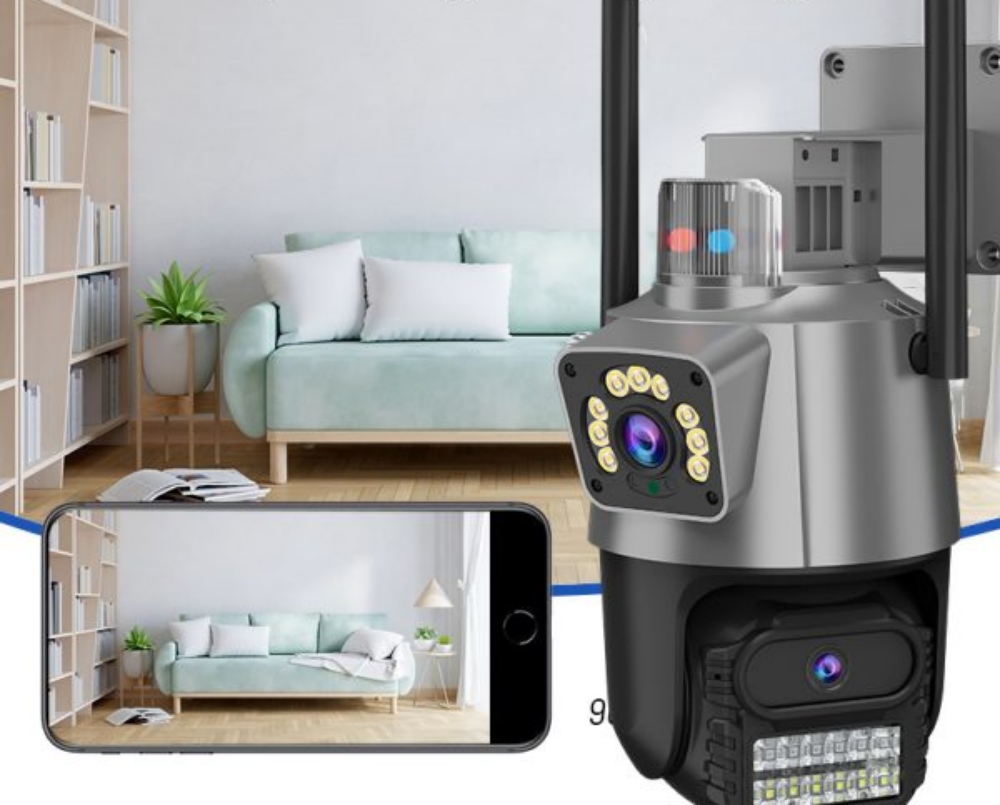
Main living spaces hold gadgets and items that need guarding. Cameras with wide light ranges adjust on their own to different brightness from windows or lights to keep video clear all day. Sound-enabled units pick up nearby noises—handy for checking events like thefts or mishaps indoors.
In today’s family routines, as safety needs grow, home-watch cameras become essential for many homes. Their role goes beyond stopping theft to everyday checks on kids or older family members.
Hallways and Stairways as Transitional Zones
Hallways link main rooms; watching them aids in tracking paths inside the home. Small inside units can mount quietly over door tops to dodge blocks while keeping the range of view. AI-based checks raise precision by telling family from strangers—cutting wrong alerts from pets or dark shapes.
Advanced Locations for Smart Integration in 2026 Homes
As smart setups move to 2026 levels, linking devices turns key for one control over joined homes.
Smart Hub Integration Points for Unified Control
Placing cameras close to routers or smart centers boosts link steadiness and quick replies in live feeds or event recordings. One platform allows auto tasks—for example, turning on lights at motion—to build alert spaces that stop dangers on their own. Central handling also toughens safety measures via coded data sent between units.
Emerging Areas: Garages, Basements, and Smart Outbuildings
Separate buildings like garages or storage sheds often keep pricey items but get missed in setups. Wireless smart home cameras ease placing in these far spots where wires prove hard. Cloud storage keeps videos safe even if devices get messed with in trouble. Keep videos and pictures in the cloud to skip local damage.
Optimizing Camera Performance Through Technology and Maintenance
Tech improvements keep lasting trust in any watch system, and upkeep holds sharpness and quickness over years.
Leveraging AI, Cloud Storage, and Connectivity Features
AI-based checks sharpen danger spotting by weeding out useless triggers like animals in watched areas. AI tools scan and watch videos live; when spotting odd breaks, they send fast warnings to user phone apps. Paired with safe cloud saves and steady Wi-Fi links, this way promises non-stop work without storage limits. One more strong item to think about is the JT-9687PRO, which blends full-color night vision with AI spotting for edge safety.
Regular Calibration, Testing, and Firmware Updates
Normal checks make sure the best camera views stay set after changes like breezes or shakes. Inspect and care for your camera often to confirm it runs well. Firmware updates fix weak software spots while adding work boosts from makers. Wiping lenses now and then clears dust that might blur images—easy care that greatly lifts video clearness.
FAQ
Q1: Why is front door placement considered essential?
A1: Because it captures clear facial details of anyone entering your property while enabling two-way communication through integrated smart doorbells.
Q2: How do AI features improve modern home security cameras?
A2: AI analytics reduce false alarms by recognizing familiar faces or routine movements while alerting users only during genuine threats detected through behavioral analysis.
Q3: What maintenance steps keep security cameras performing optimally?
A3: Regular testing of viewing angles, cleaning lenses of debris buildup, and updating firmware promptly when released by manufacturers all help maintain efficient operation over time.