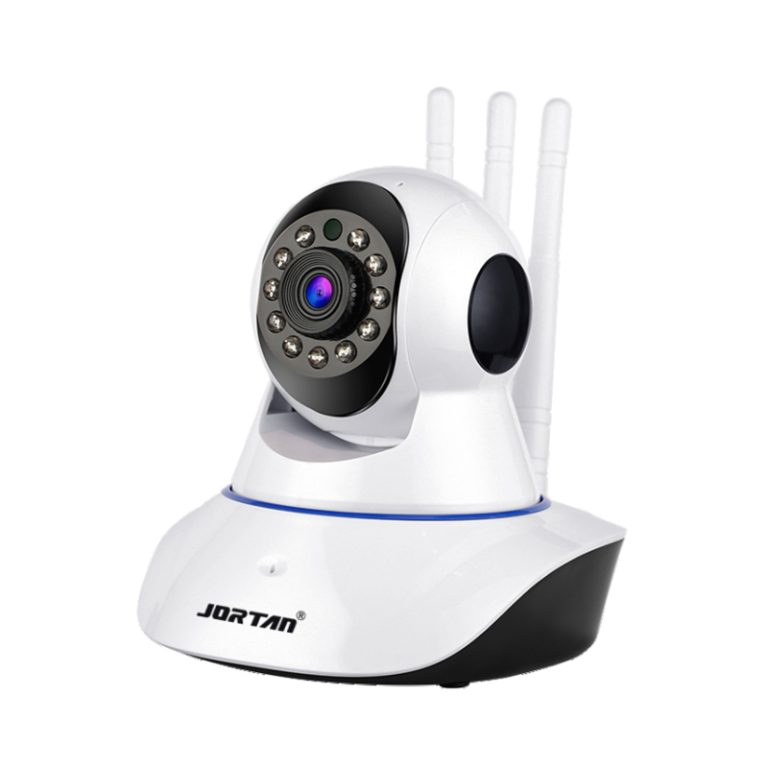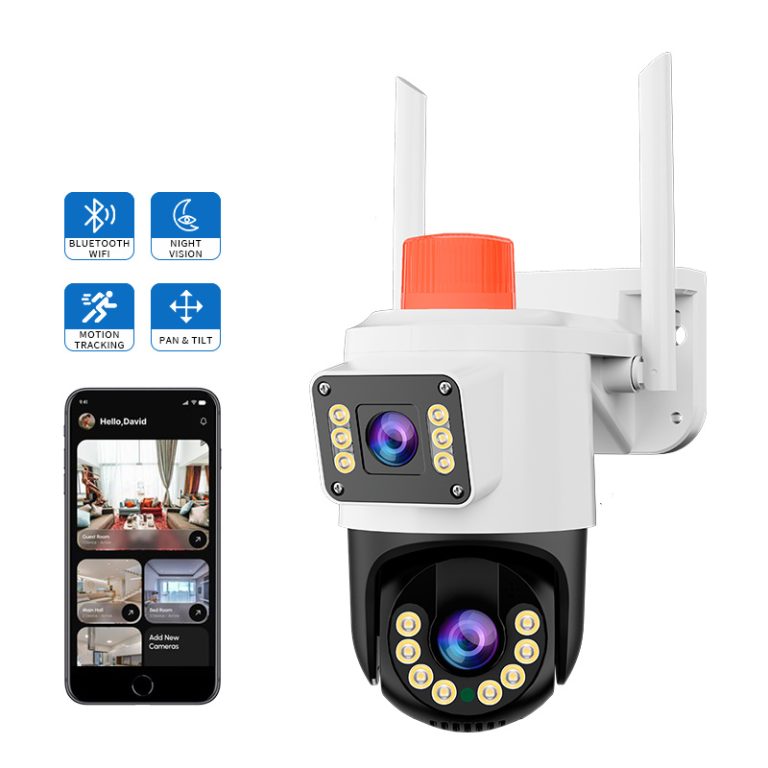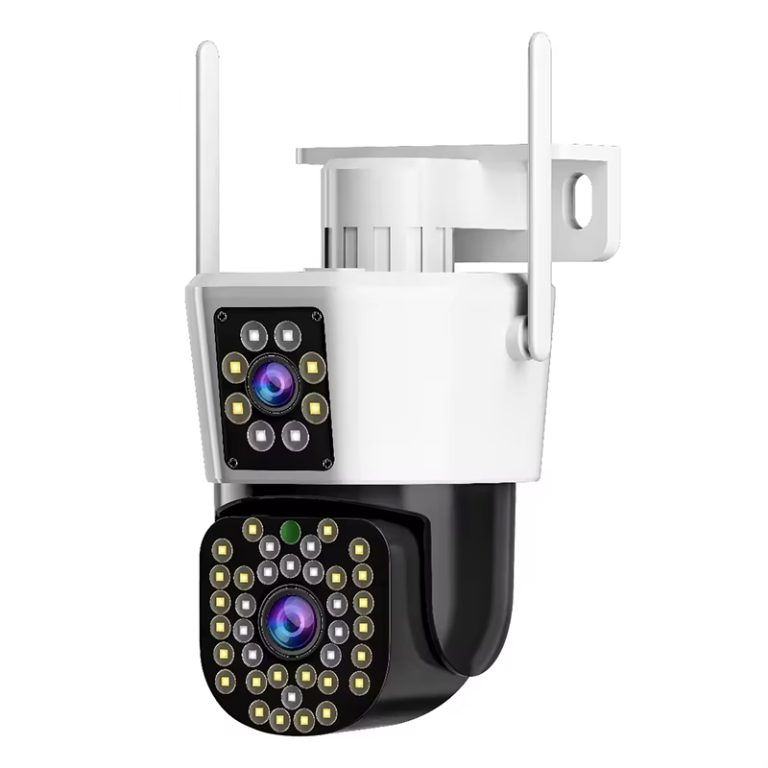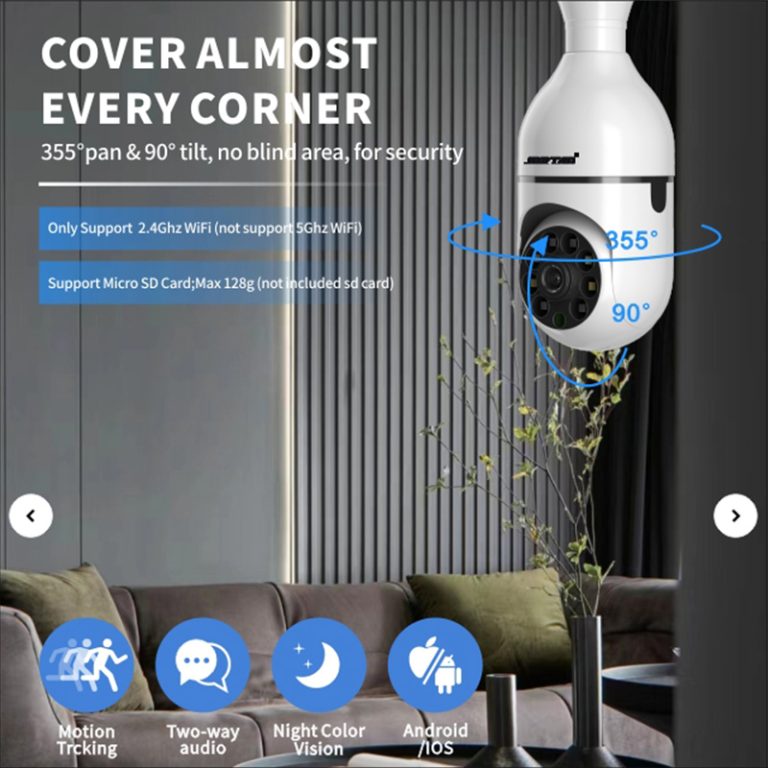
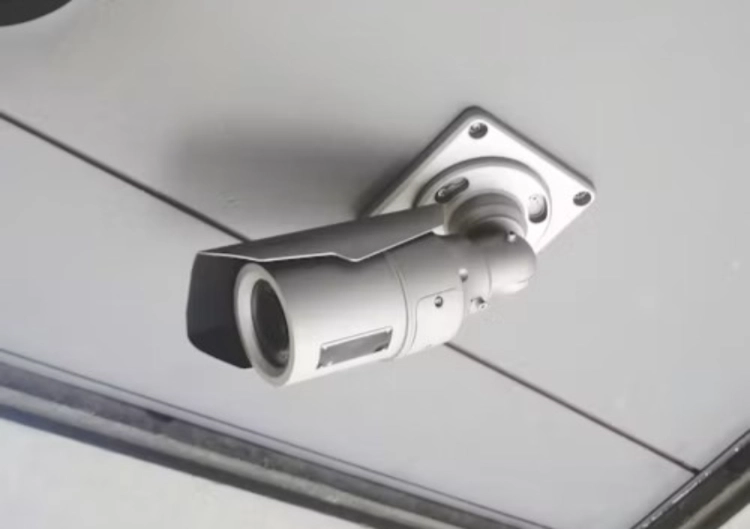
A private label camera can look successful at launch and still become expensive within a few months. The first complaints may be small: a customer cannot pair the app, a bracket does not fit the installer’s mount, an outdoor cable entry admits water, or the night picture is too soft for the promised scene. None of these failures is dramatic on a product sheet. Together, they create returns, replacement shipments, technician visits and a dealer who is less willing to reorder.
For a brand owner, the useful question is not which security camera has the longest feature list. It is which features create the largest gap between the approved sample and the product that reaches the end customer. A camera manufacturer should help close that gap before packaging, production and after-sales work are committed.
The Highest Return Risk Starts With A Misread Brief
Many return problems begin before the electronics are selected. A distributor describes a camera as suitable for a shop entrance, farm gate or warehouse aisle without stating the distance, light level, mounting height, network path, recording method or user workflow. The supplier then chooses a lens, sensor, light board and app configuration that may be reasonable in the abstract but wrong for the actual job.
The camera is part of a wider chain: image capture, compression, transmission, storage, power, software and physical protection all affect the result. An OEM camera brief should therefore name the evidence task, not only the resolution. A wide view for context is different from a close view intended to show a face, label or handoff.
Lens and Night Image Problems Are Hard To Explain Away
Lens choice, distance, angle, movement and illumination decide whether a recorded image is useful. A daylight sample beside a window can hide weak low-light performance, reflected infrared, headlight glare or motion blur. When the same camera is installed above a dark doorway, the buyer may describe the result as a quality failure even though the original brief never defined the night scene.
A private label camera needs a repeatable image test. Use the final mounting height, the intended field of view and the real light sources. Check a person approaching and crossing the scene, reflective surfaces, rain or mist where relevant, and the exported clip rather than only the live preview. These checks reduce returns caused by a specification that was technically correct but commercially unclear.
Software and Storage Create Quiet After-Sales Work
The app is part of the product. Pairing, account sharing, password reset, live view, playback, notification timing and clip export all affect whether a customer considers the camera usable. A changed app version or firmware build can also alter menus and feature availability after the sample has passed. For a private label program, record the approved firmware, app flow, language, default settings and reset method alongside the hardware.
Storage creates another common mismatch. Local SD/TF storage, NVR storage, NAS, cloud storage and combined cloud-edge paths are different choices. A camera may save a clip locally while a selected NVR cannot replay it in the expected way. A cloud plan may support remote access but add retention, account and recurring-fee questions. These are not post-sale details; they belong in sample approval.
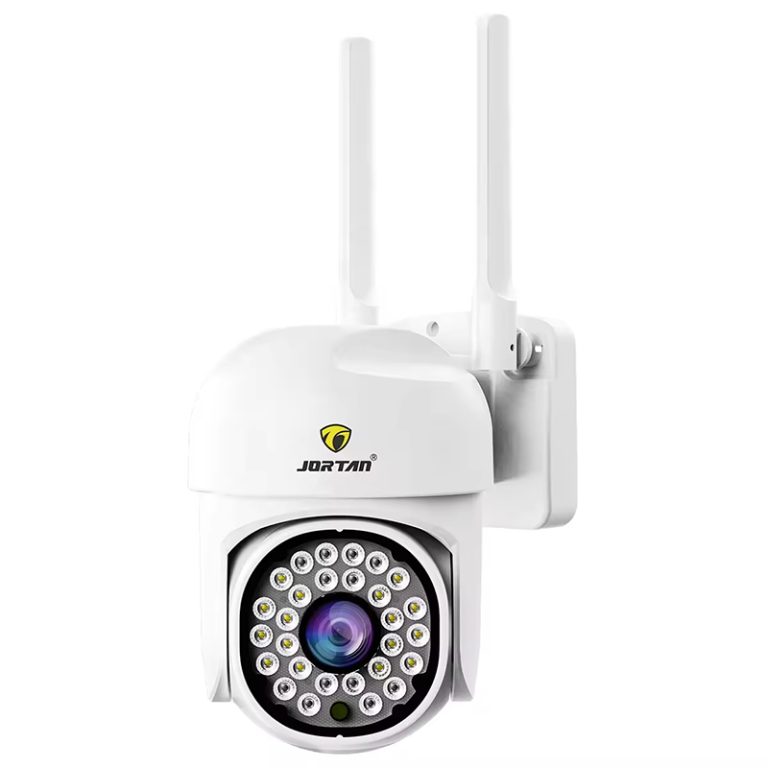
The JT-8293QJ solar camera gives a brand a concrete camera platform to examine when the brief includes a solar-oriented device, automatic tracking and remote use. Its exact storage, app, power and delivered configuration still need confirmation. A product page is useful for narrowing the discussion, while a complete test record protects the private label program from assumptions.
Power and Network Mismatches Become Returns
A wireless product can be returned because the customer expected it to work without a network, while the actual design only removes the network cable. A battery or solar camera can be returned because the site has too little sunlight, too much activity or no practical service access. WiFi, 4G, cable, DC, battery and solar are different paths with different installation limits.
The order should state the power source, standby behaviour, charging route, signal condition, storage mode and recovery behaviour after a network interruption. For outdoor lines, include the housing rating, cable exit, waterproof accessories, antenna position and mounting method. This makes the after-sales conversation specific instead of leaving the dealer to diagnose an unstated site assumption.
Outdoor Housing and Accessories Can Break A Good Camera
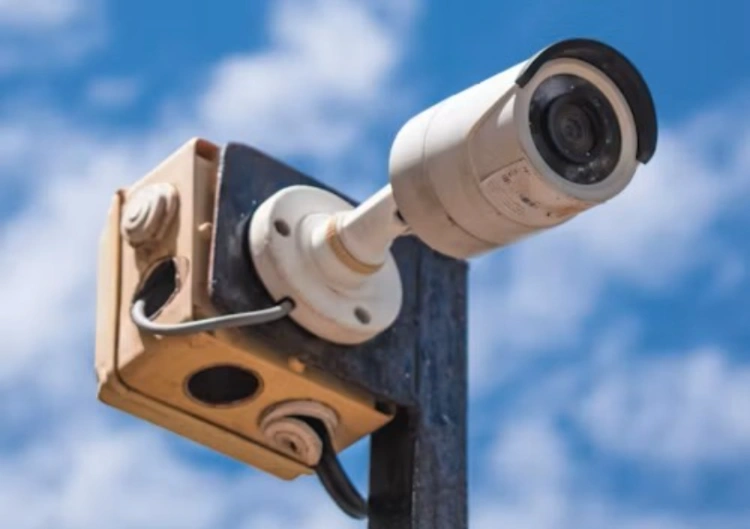
A shell that looks suitable in a catalogue may create a field complaint when the bracket, seal, cable or light opening does not match the installation. It has outdoor barrel cameras with IP66 or IP67 protection, while also stressing that the rating does not replace a sealed cable connection and correct mounting. That distinction matters for private label buyers whose name is printed on the carton.
Accessories deserve the same approval discipline as the camera body. Missing screws, a different power adapter, a weak bracket, the wrong waterproof joint or an incomplete manual can stop an installation. A dealer may classify the whole batch as problematic even when the image module is working. Photograph the approved contents and check the first production cartons against that record.
The JT-8698PRO outdoor camera can support a discussion around an outdoor camera format, but the buyer should confirm the delivered lens, lighting, storage, network, bracket and housing details against the approved sample. The product name alone is not a substitute for a signed configuration record.
Choose A Camera Manufacturer By the Support Chain
A reliable camera manufacturer is judged after the catalogue comparison. Can the supplier preserve the same lens, board, app, firmware and accessories in the next batch? Can the factory identify a production revision? Can the support team explain a pairing or playback issue without asking the installer to replace working hardware? These questions reveal whether the program is built for repeat orders.
Jortan’s factory-based model, in-house mold work, injection molding and OEM/ODM capability are relevant when a distributor needs the exterior, electronics, packaging and service plan to stay aligned. Jortan can be reviewed alongside the private-label brief. Private mold development does not automatically improve image quality; it creates value when design review, trial molding, complete-camera testing, production approval and later support are connected.
A brand can discuss a private-label program with its target market, forecast volume, housing changes, lens role, storage path, APP requirements, packaging language and expected after-sales process. The more precise the brief, the easier it is to separate a genuine product issue from a site or specification mismatch.
Conclusion
The features that cause the most private label camera returns are rarely isolated headline specifications. Lens and night performance, app behaviour, storage compatibility, power, network access, weather sealing and missing accessories all create trouble when the approved sample is not defined in enough detail. Freeze the complete configuration, test it in a realistic scene, check the first production units and keep a clear support record. That is how a private label line becomes easier to sell and easier to support.
FAQ
Q1: Which private label camera features should be tested first?
A1: Start with the lens view, night image, app pairing, recording, playback, storage, power, network recovery, mounting parts and outdoor sealing. Test the complete camera, not loose components.
Q2: Why do private label security cameras generate returns after a successful sample?
A2: The production unit may differ in lens, firmware, accessories, packaging or storage behaviour. Site conditions can also expose an assumption that was never written into the original brief.
Q3: What should a camera manufacturer provide for after-sales support?
A3: Agree on firmware records, reset steps, app guidance, spare parts, defect handling, warranty terms, batch identification and a clear escalation route before the bulk order.