In 2026, the global security camera market continues to change fast with the integration of AI, IoT, and edge computing. For importers, distributors, project contractors, and private label brands, choosing between an ODM or OEM production model should not depend only on price or launch speed. Buyers must evaluate their decision based on budget, technical specifications, customization depth, MOQ (minimum order quantity), lead time, firmware control, software support, certification needs, and long-term brand strategy.
What Are ODM Security Cameras and OEM Security Cameras?
What Is ODM Security Camera?
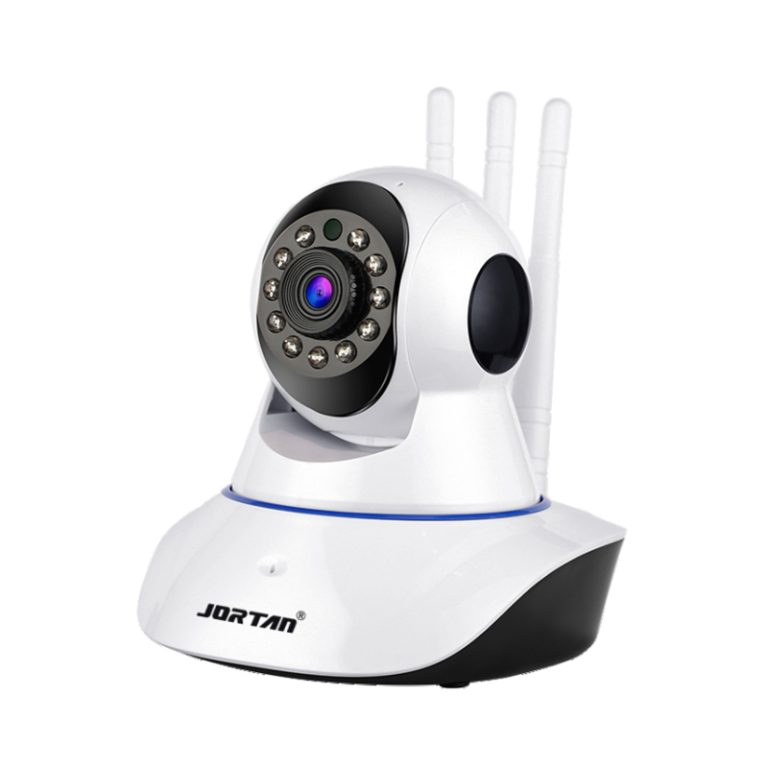
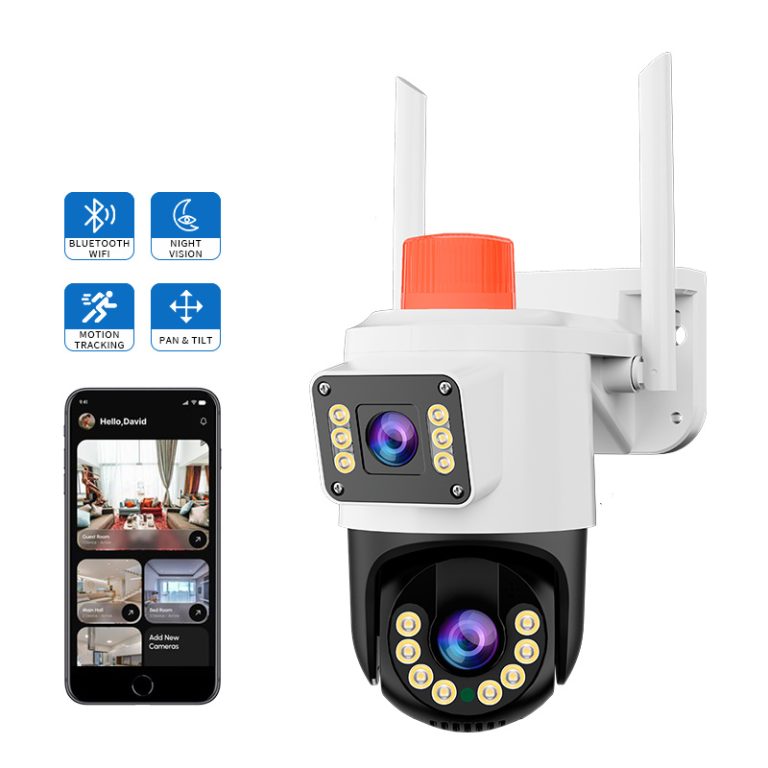
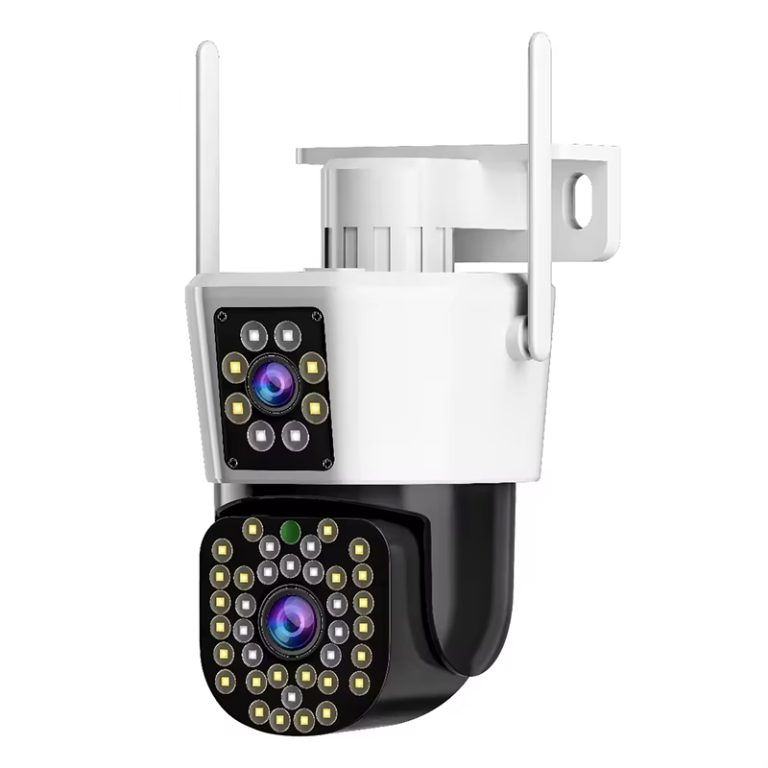
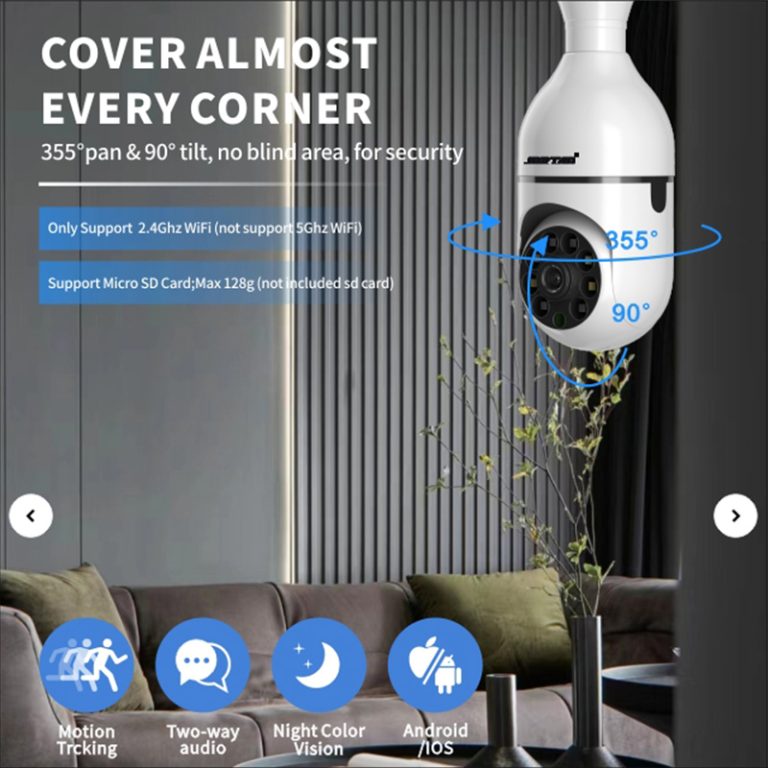
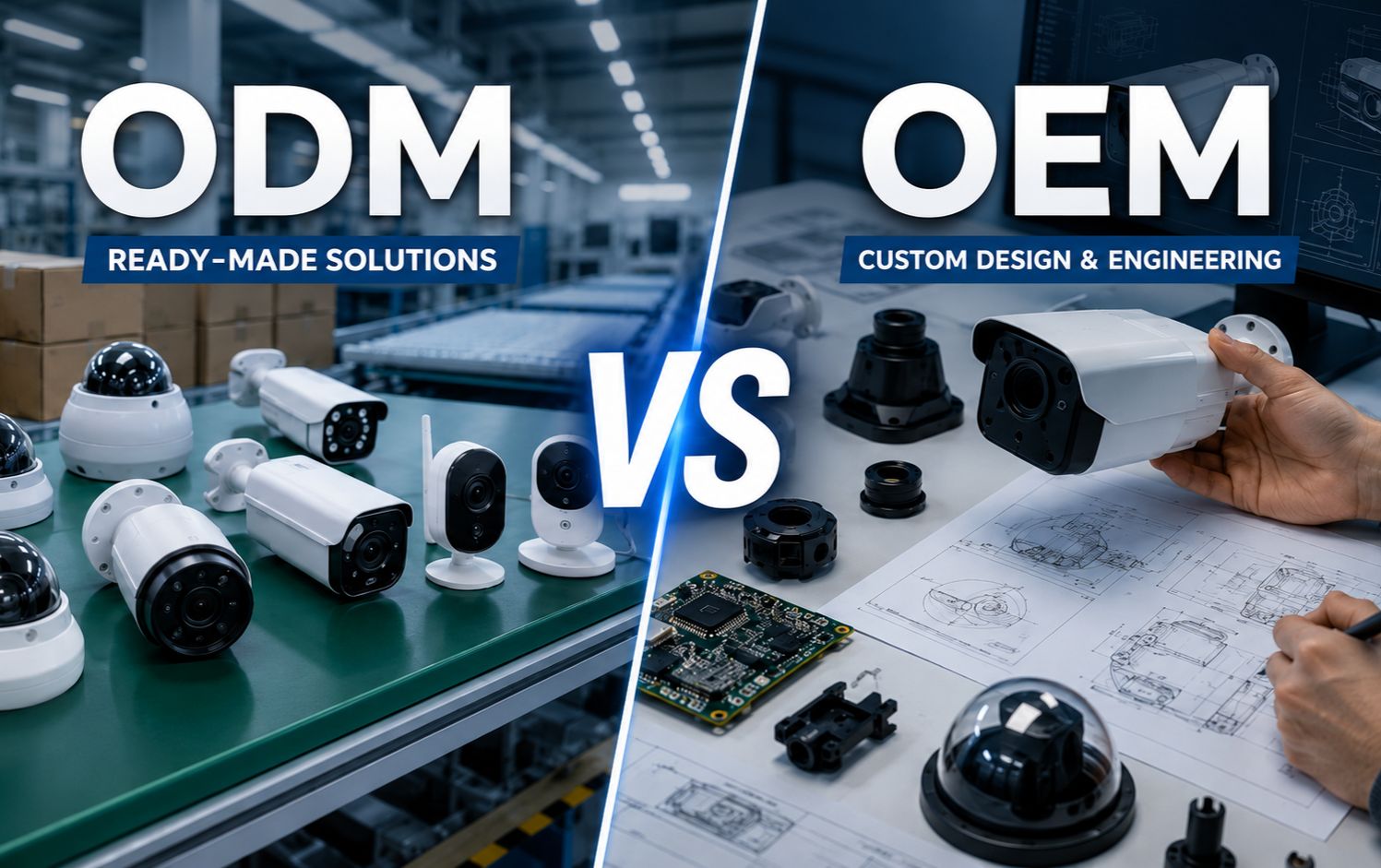
The security cameras produced through ODM (original design manufacturer) have been manufactured using pre-existing or mature designs formulated by the manufacturing firms. The devices use pre-designed circuit board layouts, housing, lenses, firmware software, mobile application, packaging designs, and pre-installed accessories. The buyers are normally allowed to customize some aspects of their products such as logos, colors of packaging, labels, or manuals.
What Is OEM Security Camera?
The OEM (Original Equipment Manufacturer) security camera is totally developed per the requirements set by the buyer, which include the hardware, the imaging sensor, the chipset, the enclosure design, the functionality of the firmware, the software interface, the package components, and the certifications needed. The manufacturer works together with the buyer from the design validation process that involves sampling, testing, piloting, and mass-manufacturing phases.
It is very good for businesses who need to go beyond customizing their product and make special camera series that feature sophisticated technologies like motion tracking and solar cells. For instance, typically, surveillance cameras include an image sensor, video encoder, network server, and alarm control interface. All these parts can be customized in OEM mode according to customer needs.
Key Differences Between ODM Security Cameras and OEM Security Cameras
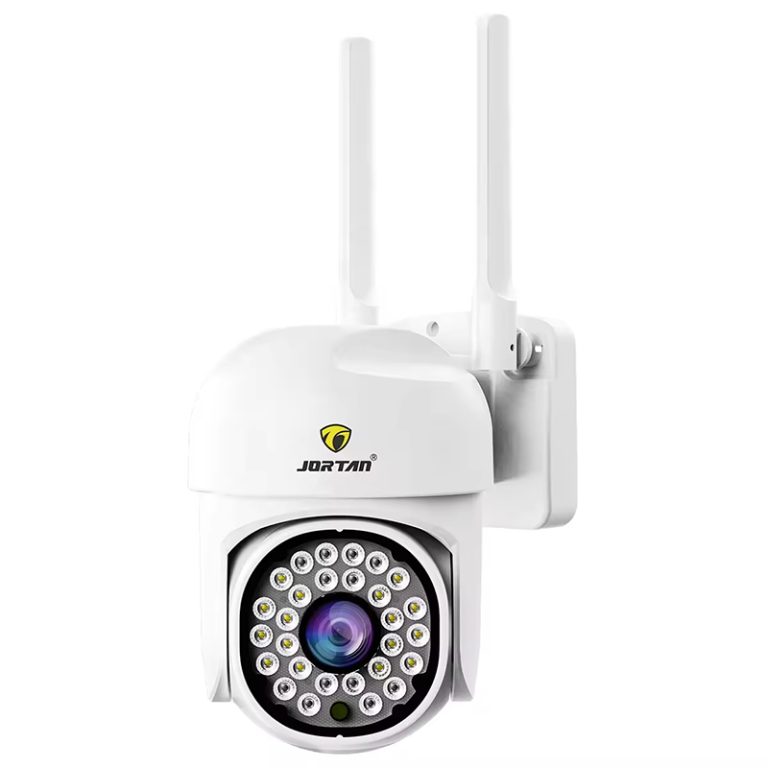
ODM emphasizes speed and cost efficiency using existing platforms; OEM emphasizes uniqueness through full customization. ODM offers limited firmware control but faster delivery; OEM provides total specification control but requires higher investment and longer development cycles. ODM has lower MOQs suitable for testing markets; OEM often demands higher order volumes due to tooling and R&D costs. If you have any confusion regarding this aspect, Jortan offers consulting services. Please don’t hesitate to contact them.
Which Buyers Are Better Suited for ODM Security Cameras?
ODM security cameras fit buyers who prioritize quick launches over deep technical differentiation. New entrants benefit from reduced risk while distributors gain immediate portfolio expansion opportunities.
New Brands Testing the Market Quickly
Startups can use ODM cameras to verify consumer response before committing to proprietary hardware investment. This approach allows them to assess price elasticity and feature preferences efficiently.
Distributors Needing Ready-to-Sell Camera Lines
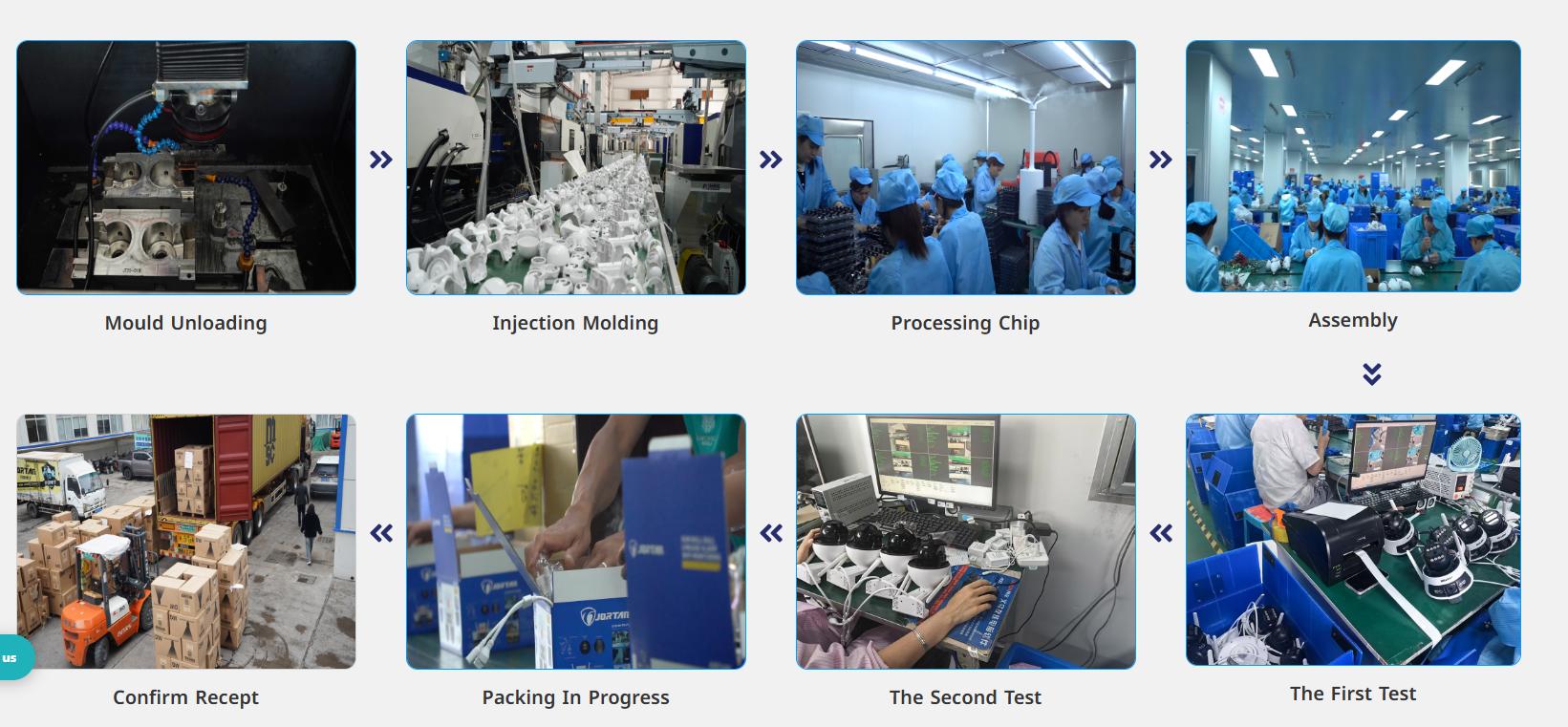
ODM lines help distributors instantly expand SKUs across retail shelves or e-commerce listings while maintaining consistent product quality standards verified by manufacturers’ internal tests, such as a 7 * 24 hour, 65°C high-temperature test that is stable and reliable (including whole machine testing).
Buyers with Limited R&D Budget or Short Launch Timelines
ODM eliminates expenses linked to PCB layout creation or firmware debugging since these processes are pre-engineered by suppliers. It also minimizes sample revision rounds before bulk production.
Project and Promotional Buyers Looking for Faster Supply
For CCTV tenders or seasonal promotions requiring rapid supply turnaround—such as smart home bundles—ODM ensures timely delivery while meeting essential compliance standards like ONVIF protocol support.
Which Buyers Are Better Suited for OEM Security Cameras?
OEM solutions target established brands aiming for technological leadership or exclusive identity in competitive markets.
Brands Seeking Exclusive Hardware and Stronger Identity
OEM enables differentiation through custom-designed housings or AI-driven analytics modules that enhance recognition accuracy in complex environments such as factories or parking lots described in urban main and secondary road communities, factories, and tourist attraction applications.
Private Label Buyers Requiring Deeper Customization
Private label programs under OEM can specify lens parameters (e.g., 2MP–8MP), night vision illumination types (IR/dual-light), storage methods (TF/cloud/NVR), connectivity modes (WiFi/4G/PoE), UI design language for apps like ICSEE or Tuya Smart integration—all aligning with brand identity.
Premium Security Projects with Clear Market Positioning
High-end commercial projects demand exclusive hardware reliability validated by comprehensive lightning protection that complies with national and international standards. OEM ensures such compliance while maintaining consistent component sourcing across batches.
Buyers Needing More Control Over Hardware, Firmware, and Packaging
OEM gives full authority over firmware algorithms (e.g., motion detection sensitivity), chipset selection (HiSilicon/Ambarella), sensor calibration accuracy levels, packaging texture choices (matte/glossy), and certification paths (CE/FCC/RoHS), ensuring brand integrity during reorders.
How to Choose the Right Model for Your Brand
Selecting between ODM vs. OEM depends on strategic priorities—budget allocation versus innovation ownership.
Buyers with smaller budgets or urgent timelines should begin with ODM production lines; those pursuing distinctive branding through advanced imaging performance should invest in OEM partnerships that allow complete hardware-software synergy planning.
If rapid SKU expansion is critical for market entry speed—choose ODM. If long-term differentiation defines success, select OEM manufacturing backed by engineering collaboration agreements ensuring IP rights retention. Always verify firmware source code ownership clauses before confirming bulk orders to avoid dependency issues later.
When Combining ODM and OEM Security Cameras Makes More Sense
Combining both models provides flexibility across different product tiers within one portfolio strategy.
Starting with ODM helps gather user feedback regarding resolution expectations (1080p vs 4K), housing shape preferences (bullet/dome/PTZ), and connectivity type popularity (WiFi/4G/Ethernet). Once clear demand patterns emerge—transition selected models into OEM development for exclusive branding advantages.
For instance, entry-level SKUs may rely on Solar Powered Low-Power Camera under an ODM framework offering PIR human sensing plus cloud storage; flagship series could evolve into a proprietary OEM version integrating AI analytics modules optimized per region-specific lighting conditions.
Such hybrid roadmaps reduce early-stage risks while preserving scalability toward differentiated premium segments over time.
Procurement and Supplier Cooperation Tips
Always clarify MOQ thresholds per model variant alongside lead times covering prototype iterations through mass shipment readiness phases.
Confirm sample revision policies upfront—especially regarding enclosure redesigns or firmware tuning costs—to avoid hidden expenses post-contract signing.
Evaluate quality consistency through pre-shipment inspections focusing on optical clarity metrics under IR illumination tests, ensuring identical output across batches.
Maintain approved samples securely stored for comparison during future reorder verifications involving housing finish color tone accuracy or printed logo alignment precision levels required by retail packaging standards.
For buyers who want more than a standard camera model, Jortan can be considered in the supplier review stage. According to its OEM/ODM service, Jortan supports logo customization, packaging box design and customization, product appearance customization with mold opening, and APP customization.
FAQ
Q1: Is an ODM security camera better for new camera brands?
A1: Yes. For emerging brands needing quick entry without heavy R&D spending, ODM provides ready-made designs offering reliable performance verified under manufacturer stress tests like 7×24-hour operation at elevated temperatures, ensuring durability across diverse installation sites.
Q2: When should buyers choose an OEM security camera?
A2: Choose an OEM camera when requiring exclusive housings or advanced software functions tailored around your private label strategy, including chipset optimization plus dedicated app UI adjustments, delivering unique user experiences unavailable through generic models.
Q3: Can a brand use both ODM and OEM security camera models?
A3: Absolutely. Many professional importers begin using affordable ODM units from Jortan’s partner factory before transitioning top-selling variants into customized OEM developments once target specifications stabilize—achieving balanced cost efficiency alongside strong brand recognition advantages over time.