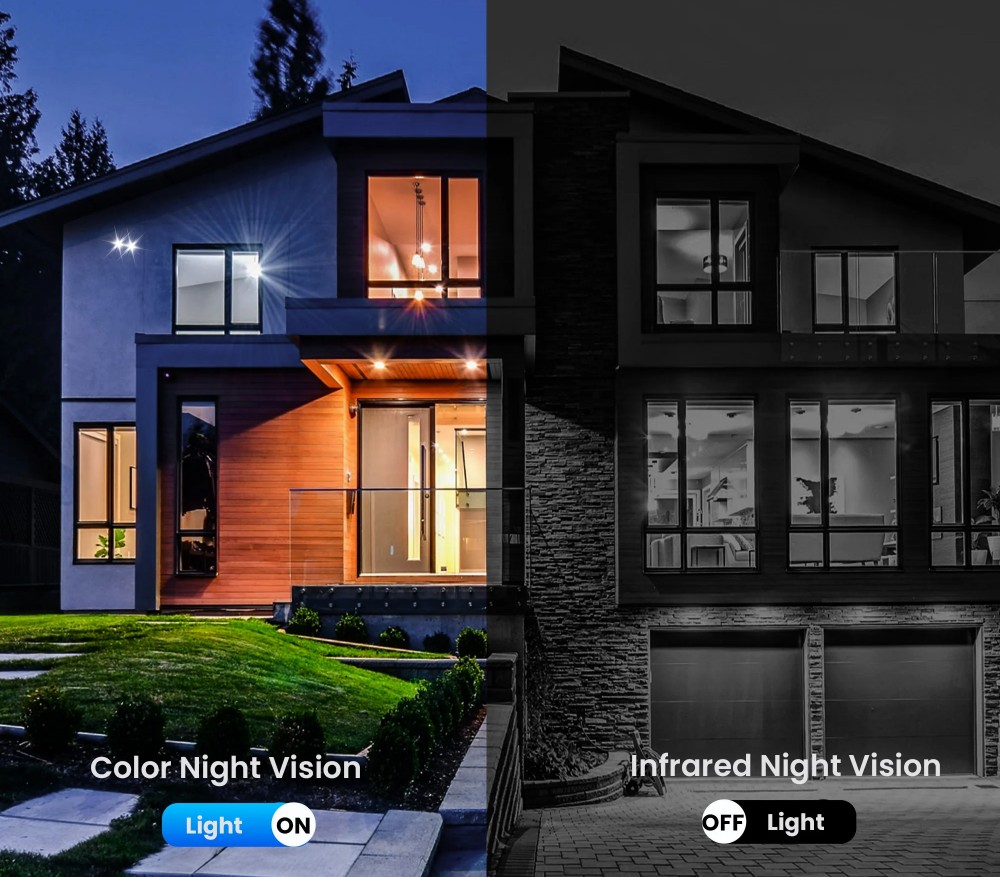
Security buyers in 2026 focus more on cameras that perform well at night. They also want options that cut down on wiring and power needs. Solar-powered cameras are growing popular in homes, farms, warehouses, and far-off spots. Night vision quality now plays a big role in picking the best setup.
The Growing Popularity of Solar-Powered Cameras in Modern Security Systems
The world of security changes quickly. Solar-powered cameras stand out as a main part of green surveillance.
The Shift Toward Sustainable Surveillance Solutions
Higher energy prices and worries about the environment speed up the use of renewable tech in home security. The surveillance field keeps innovating. People recognize and use it more. Systems move from wired to WiFi to 4G. This boosts ease of use. To fix setup issues in places without power or internet, we offer a low-power solar 4G camera kit. It handles surveillance in such spots and opens up new uses. This change shows a larger move to energy freedom and nature-friendly designs.
Some governments offer perks for green setups. These push owners and companies to choose solar-powered security cameras. Such systems run on their own with solar panels. They cut ties to main power grids. At the same time, they keep steady work in many settings.
How Solar Power Enhances Security Camera Performance
Solar panels keep cameras running without stops, even in blackouts or remote areas. Solar cell surveillance cameras bring three key improvements: self-powered energy, safe networks, and smart protection. They serve as the top fix for spots lacking power or web access. This fits well for outlying farms, fieldwork, nature reserves, and other unique places. Farms, building sites, or distant checks benefit a lot from this.
Batteries store power to support work at night or on overcast days. The best pick pairs monocrystalline silicon solar panels with big lithium batteries. On clear days, they charge fully in 5–6 hours. In rainy spells, they last over 10 days. Setups like these let today’s solar-powered cameras record non-stop with little upkeep.
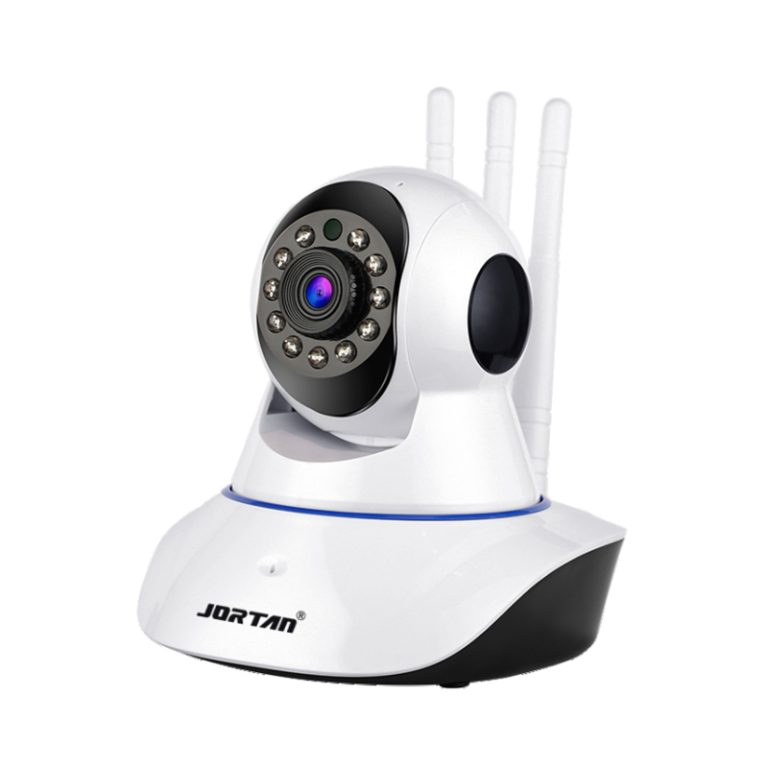
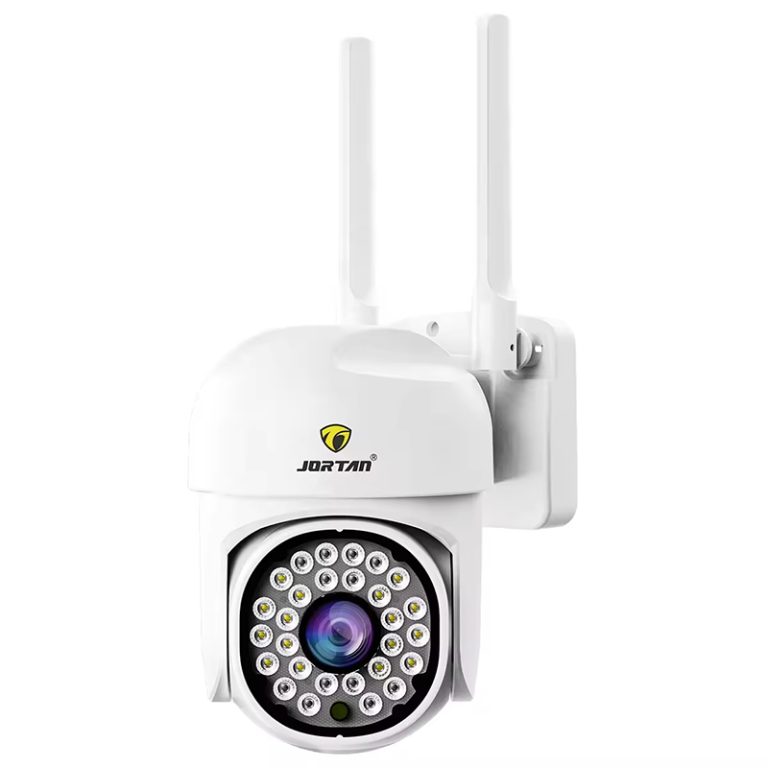
Easy setup counts as another plus. Wireless designs skip tricky wires. This suits systems like Jortan’s solar wireless cameras for projects where old wiring proves tough.
Evaluating Night Vision Capabilities in 2026 Security Cameras
Tech advances reshape night vision for today’s CCTV setups. Mixing infrared (IR), starlight sensors, and thermal imaging keeps cameras useful in any light.
Technological Advancements in Night Vision Imaging
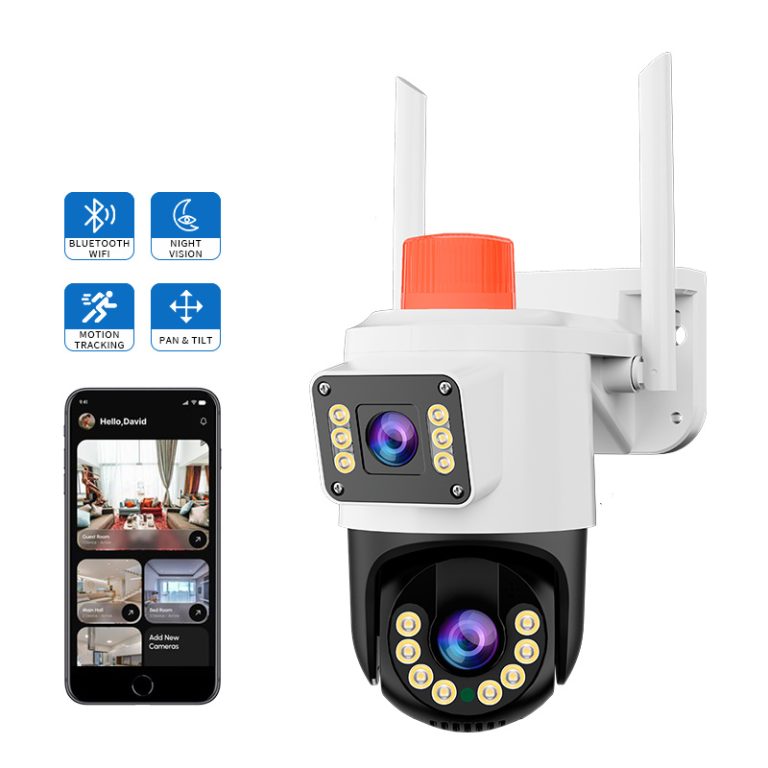
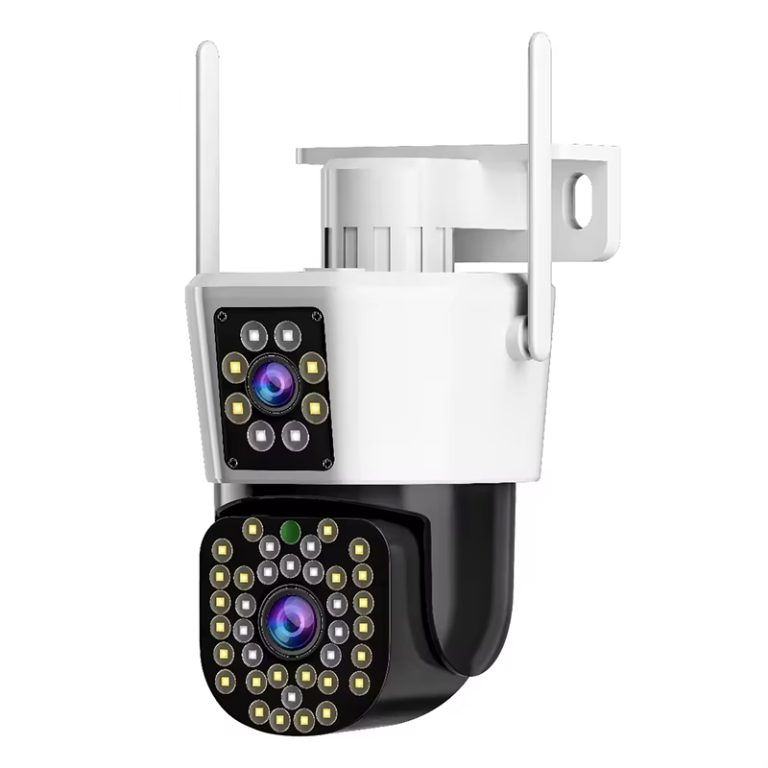
Infrared lights give clear views in full dark by sending out unseen rays that sensors pick up. Dual-light surveillance cameras bring clear benefits to watching. They have both infrared and visible light parts. This gives steady, sharp pictures in different lights. Low-light sensors now handle high-detail images with less power use. This matters for battery-run gear.
Smart AI boosts how well it spots objects. It tells apart people, cars, or animals in changing lights. These AI systems raise awareness of situations. They also cut down on wrong alerts.
Comparing Infrared, Starlight, and Thermal Imaging Technologies
Each type brings unique gains based on its reach.
| How It Works | Main Advantages | Best Use Scenarios | |
| Dual-Light Night Vision | Uses white light and infrared support to improve visibility in low-light environments. | Provides clearer images at night and can support full-color viewing when white light is active. It also maintains stable image quality during daytime use. | Homes, yards, entrances, warehouses, parking areas, and outdoor security scenes that need clearer night images. |
| Infrared Night Vision | Uses infrared LEDs to capture images in darkness, usually in black and white. | Works well in dark areas and supports reliable close-range monitoring without relying on visible light. | Close-range security checks, entrances, corridors, storage areas, and general nighttime surveillance. |
| Starlight Night Vision | Uses sensitive low-light sensors to collect more available light from the environment. | Can produce color video when there is a small amount of natural or ambient light. | Streets, gardens, farms, courtyards, and outdoor areas with weak background light. |
| Thermal Imaging | Detects heat signatures instead of relying on visible light. | Can identify people, animals, or objects based on heat, even in darkness, fog, or visually blocked areas. | Perimeter protection, wildlife monitoring, farm security, forest areas, and high-risk outdoor zones. |
Integration of Wireless Technology with Solar-Powered Cameras
Today’s CCTV networks depend a lot on wireless links. They add ease and growth to setups.Wireless ties also lower stoppages from damaged lines or power cuts. This proves key for outside uses like farms or factory areas.
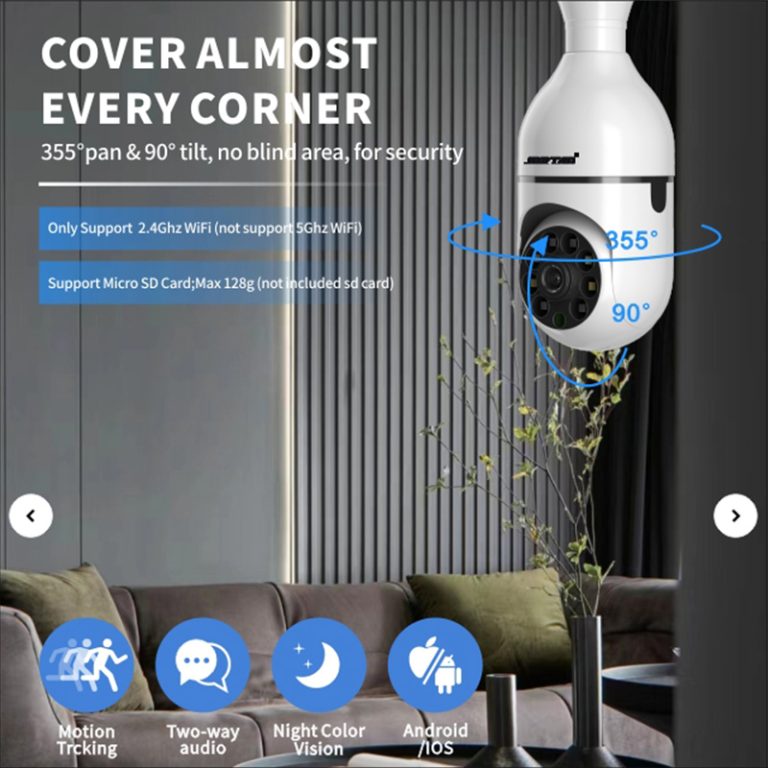
Wi-Fi and cell links allow far-off access without fixed networks. Unlike old wired cameras, battery-powered ones skip extra wires or ties to screens for viewing. You can check footage from afar live on your phone. Cloud storage makes smooth, real-time watching possible anywhere via apps.
Keeping power use in check with data sent remains vital for top runtime. Smart software controls power during sends. It adjusts based on motion to record wisely by activity. Mixed plans with local SD cards and cloud saves offer trust and choice.
Key Features Defining the Best Wireless CCTV Camera with Night Vision in 2026
Choosing the top wireless CCTV camera with night vision means checking key tech details. These affect how it works in various places.
Essential Technical Specifications to Consider
Clear, high-detail pictures are the standard in top models. Aim for resolution at least 3K (like 8 million pixels). It should pack full-color night vision and infrared night vision. Night-view distance needs to be over 10 meters. A broad view cuts blind areas. Better lenses keep sharpness far away.
AI motion spotting cuts false alerts. It spots real moves, like people, over noise from animals or wind. Live notifications on phone apps let you reply quickly. Two-way talk features fit into most smart home setups.
Durability and Environmental Resistance Factors
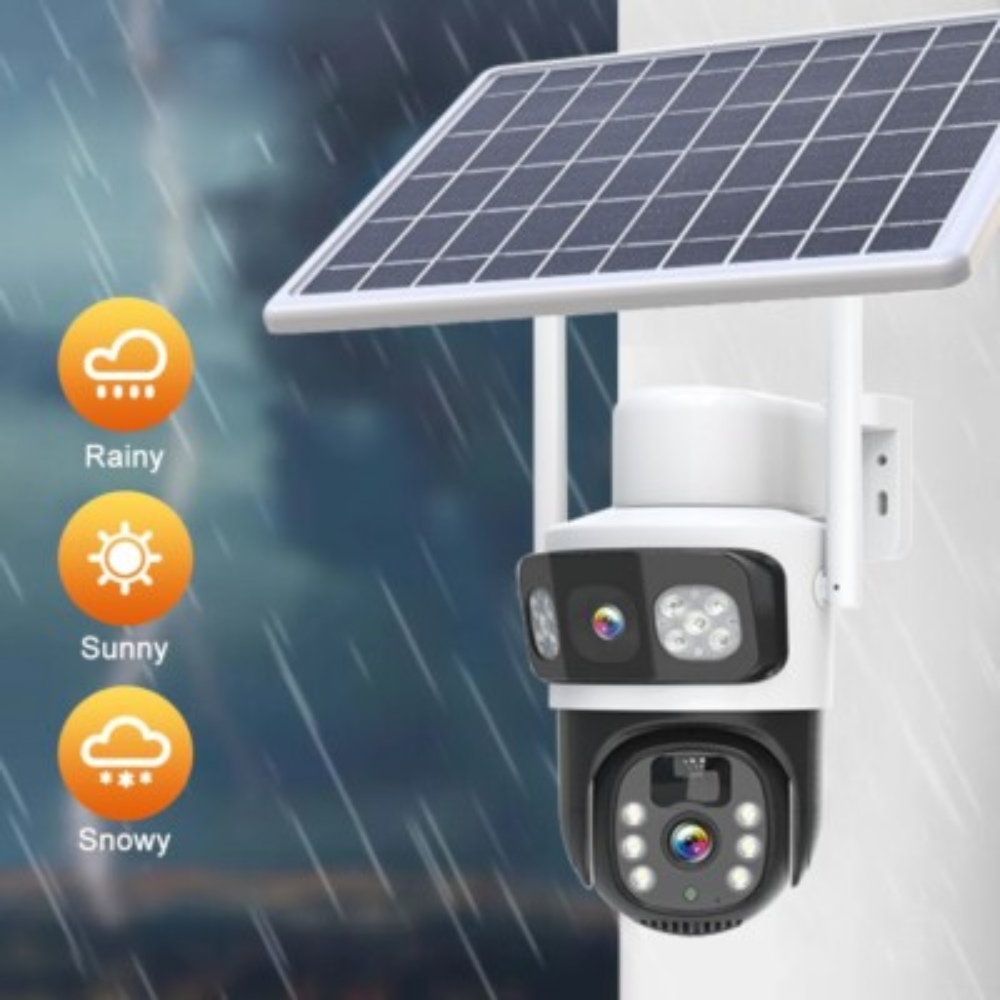
Outside cameras face tough weather all year. Waterproof and dustproof ratings must hit IP66 or IP67 so that they can handle hard rain, dust storms, and more. Rust-proof materials lengthen life. They ensure steady work from –20°C to 60°C. This fits areas with big temperature changes.
Assessing Whether Solar-Powered Cameras Are the Leading Choice for 2026 Night Vision Security
Solar-powered cameras are becoming a strong option for 2026 night vision security because they lower long-term power costs and make outdoor installation easier. They are especially useful for farms, large properties, parking areas, construction sites, and remote locations where wiring is difficult.
New patterns point to ongoing changes. AI analytics will spot threats ahead. Better solar materials raise charge rates in dim light. Edge computing speeds up picture handling right in the device, skipping outside servers.
As solar charging, AI detection, and edge computing improve, solar-powered night vision cameras are likely to become more practical for outdoor and off-grid security in 2026.
FAQ
Q1: What makes solar-powered cameras more efficient than traditional wired systems?
A1: Solar-powered cameras run free from grid power. They use solar panels with lithium batteries that hold energy for night. Their wireless build skips hard wiring. It gives steady work even in outages.
Q2: How do modern wireless CCTV systems maintain strong connectivity?
A2: They use Wi-Fi or cell nets like 4G/5G for easy placement. They back cloud storage for live far-off access through phone apps.
Q3: Which brand offers reliable solar-powered night vision solutions?
A3: Jortan offers solar camera options such as the JT-9687PRO, which supports 4MP resolution, color night vision, IR night vision up to 30–50 meters, motion detection, human tracking, H.265 compression, and IP66 weatherproof protection. It is suitable for outdoor night monitoring in homes, yards, and entrances.