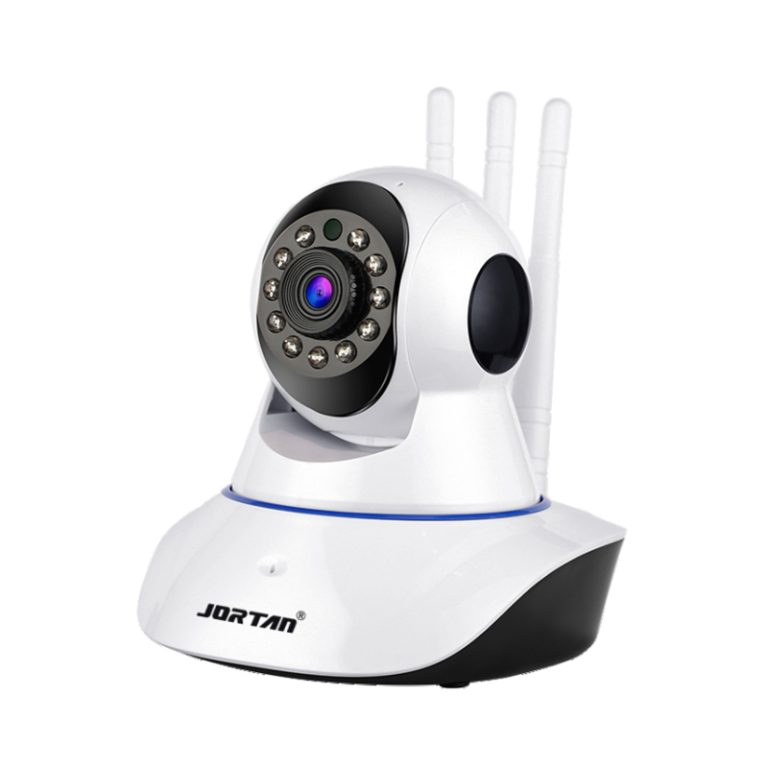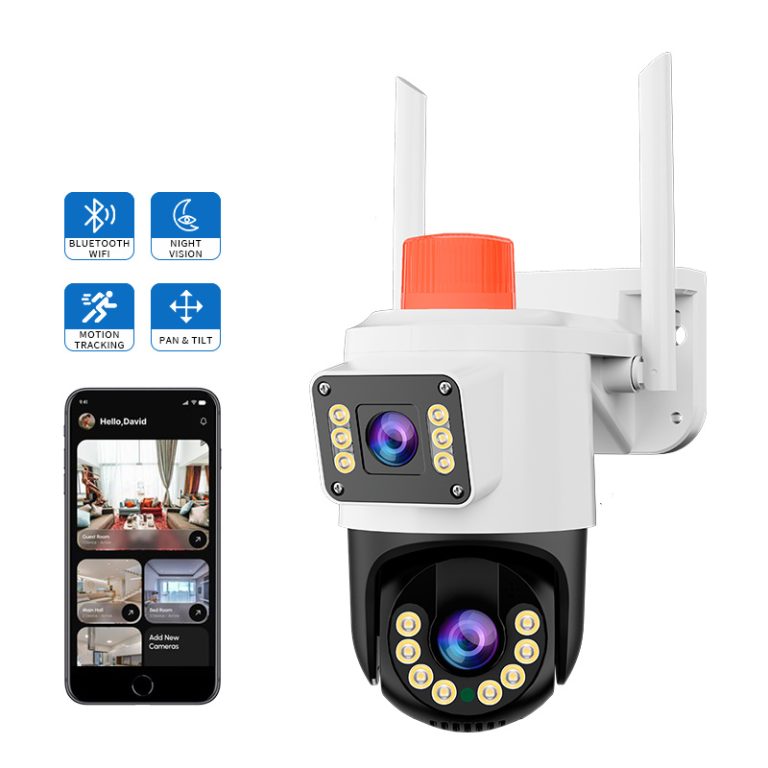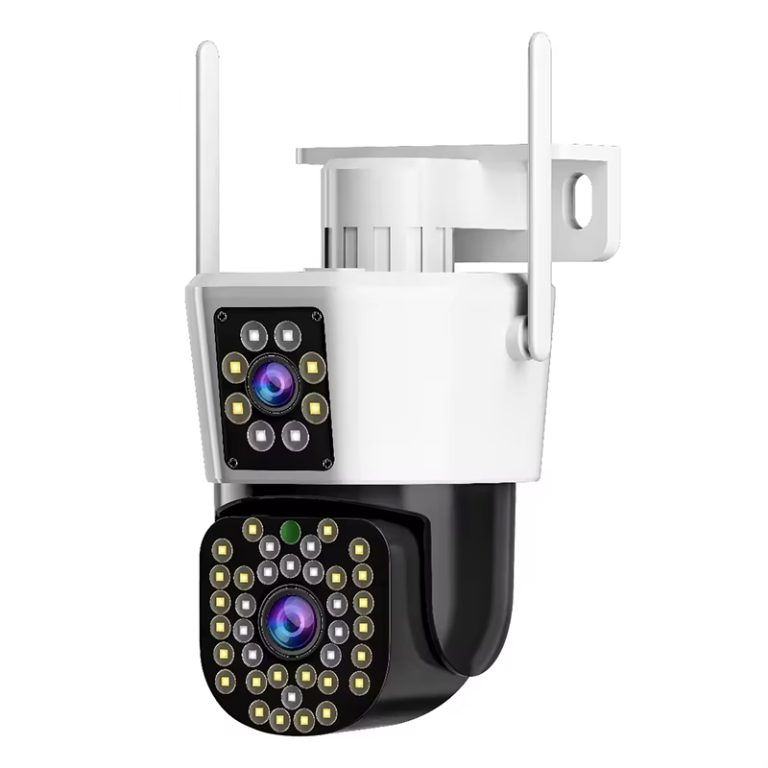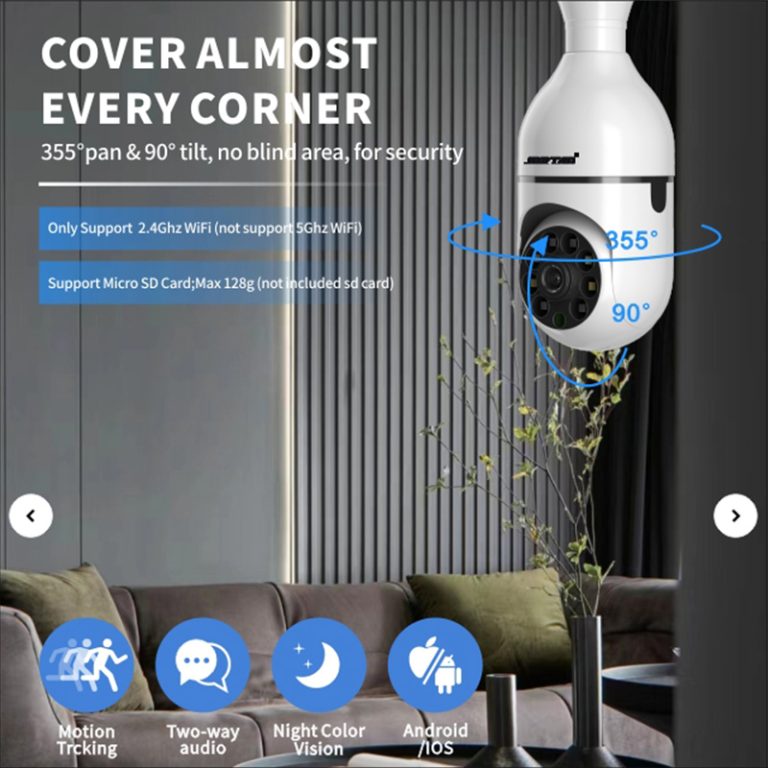
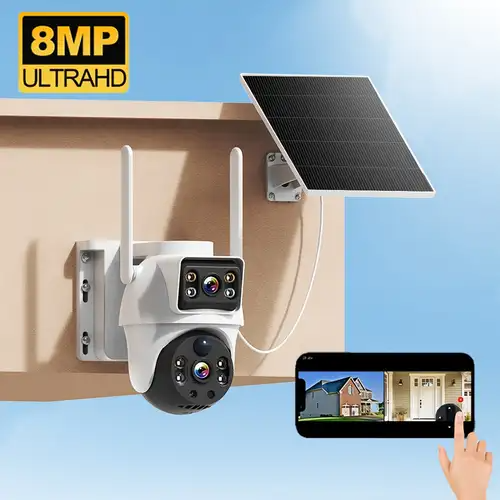
Solar WiFi security cameras are emerging as a solid pick for 2026 home safety. They blend easy wireless setup, solar-powered function, distant viewing, and adaptable outdoor spots. Homeowners seeking steady watch without tricky wiring or regular battery top-ups find this camera type provides a handy mix of ease and protection.
Understanding Solar WiFi Security Cameras
Solar WiFi security cameras mark a fresh phase in self-reliant surveillance technology. They merge green energy creation with cordless links to offer dependable and earth-friendly watch options.
The Concept Behind Solar-Powered Surveillance
Solar WiFi security cameras capture sunlight to run their tasks via built-in solar panels. These panels turn sun energy into power, which fills up inner batteries for steady work even without sun. As the watch field keeps improving, people value and apply surveillance more and more. It has shifted from wired to Wi-Fi to 4G, boosting real-world use. To tackle setup issues in spots lacking network and power, we introduced a low-power solar 4G camera kit. This fixes watch problems in areas without networks and electricity. It also broadens varied use cases. Such freedom from usual wiring cuts, setup hassle, and permits for setup in far-off or no-grid zones.
Key Components of a Solar WiFi Security Camera System
A common solar-powered camera setup has three main parts. First, a solar panel unit grabs sunlight. Next, rechargeable batteries hold energy for dim or night times. Finally, wireless parts link to phone apps or cloud services for live viewing. The main draw of low-power solar cell watch cameras lies in how they handle the setup challenges of old watch gear in far areas or spots without basics. At the same time, they fit the push for saving energy, guarding the planet, and smart tech. These parts together form a self-running system that works all day and night with little human help.
The Technological Advancements Driving Solar Camera Adoption
Quick uptake of solar-powered cameras comes from big steps in advances in AI detection, links, and battery strength. These changes make current setups smarter and tougher than before.
Integration of Smart Features in Modern Security Cameras
AI-based movement spotting lets clever watch cameras distinguish between people, cars, and pets. This cuts wrong alerts and boosts reply precision. AI’s sharp spotting improves scene grasp via smart notices and auto-record starts. Cloud storage with safe coding also guards key video from unallowed entry. Thus, it ensures both handiness and private space for folks.
Connectivity and Performance Enhancements in 2026 Models
Upcoming models should have better WiFi parts that keep firm links even in outlying spots. Improved battery output will support longer runs in dim light, and a fit with smart home setups will ease blending with other items like lights or alert systems. Solar fast charging: Monocrystalline silicon solar panels can be fully charged in 5-6 hours, support low-light charging, and can still maintain operation in extreme environments. Such tech growth guarantees steady work amid various weather hurdles.
Benefits of Choosing Solar-Powered Cameras for Home Safety
More homeowners lean toward solar-powered watch fixes for their green perks and simple handling. These setups give both natural gains and useful work.
Energy Efficiency and Sustainability Advantages
By using fresh energy sources, solar WiFi security cameras greatly lower power use and carbon output. Zero carbon emission reduction: A single device reduces carbon emissions by 1.2 tons per year, in line with the city’s carbon neutrality goals. Their self-keeping bill skips ongoing power fees. Meanwhile, it backs worldwide drives for green power shifts.
Installation Flexibility and Maintenance Simplicity
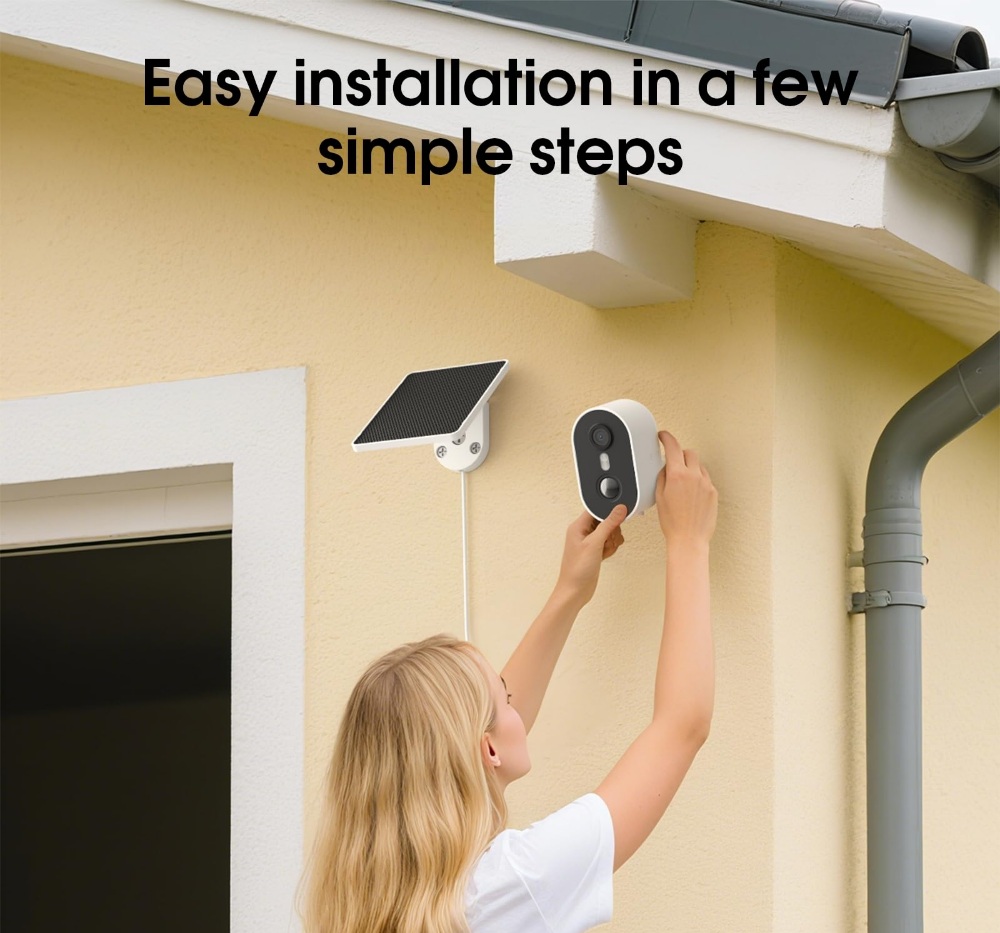
The cordless design makes outdoor setup much easier because it removes the need for fixed power outlets, network cables, or complex wiring work. For homes with stable WiFi coverage, a solar WiFi security camera can reduce wiring work while still supporting app-based monitoring. For remote sites without home internet, buyers may need to consider a solar 4G camera instead. In suitable installation conditions, setup can be completed in about 10 minutes. Weather-resistant materials assures lasting strength in rough outdoor settings. Plus, autofill features cut upkeep needs as time goes on.
Comparing Solar WiFi Security Cameras to Traditional Systems
Looking at solar-powered and standard wired setups shows sharp differences in freedom, steadiness, and cost savings.
Power Reliability and Operational Independence
Unlike usual setups tied to main power, solar-powered cameras keep running amid blackouts or base breakdowns due to their inner energy reserves. An average of 4 hours of daily sunshine can support 15 days of rainy and cloudy operation. This self-rule assures nonstop guard no matter the weather.
Cost Considerations Over Time
Though starting prices might seem steeper from gear costs, lasting savings build fast via no power bills and fewer upkeep tasks. Maintenance cost: No line maintenance is required, and subsequent costs are reduced by 70%. Also, piece-by-piece growth lets users widen reach bit by bit without big recabling outlays.
Factors to Evaluate Before Investing in a Solar WiFi Security Camera System
Picking the best solar camera arrangement calls for checking weather exposure alongside tech details fit for today’s needs.
Assessing Location and Sunlight Exposure
Straight sun is key for good charge rounds. So, spots should boost sun reach all day long. Shady or half-covered places might need extra charge aids or movable panel tilts to best output across season shifts.
Technical Specifications to Prioritize in 2026 Models
High-detail pictures, best at 2K or 4K, sharpen item spotting needed for the right ID in events. The resolution is recommended to be no less than 3K (such as 8 million pixels) and support full-color night vision or infrared night vision.
Battery size right away sways run length in cloudy times. Monocrystalline silicon panels with big lithium batteries stay top picks for their quick refill speeds in five to six hours on clear days.
Dual-band WiFi backing assures firm links amid changing signal power. Coded send rules guard kept video from likely breaks, a vital point for keeping user faith.
The Future Outlook for Smart Solar Surveillance Technology Beyond 2026
As smart home networks grow more, device blending will turn smooth. This allows one control over many platforms via simple screens.
Integration with Broader Smart Home Ecosystems
Voice helpers will link more with light switches, alerts, and door fasteners through main apps that ease handling steps for all tied devices in home spaces.
Innovations Shaping the Next Generation of Solar Cameras
The coming steps will stress guesswork tools via AI methods that spot risks before they happen. Work on small, strong sun cells will raise trust in mixed weather. Edge computing ties will also allow instant local handling on each unit. As a result, this cuts delay and boosts quick replies in key moments.
FAQ
Q1: What makes a solar WiFi security camera different from traditional wired models?
A1: A solar WiFi security camera runs on its own with sunlight rather than main power. It has inner batteries that save energy for night use. At the same time, it keeps cordless links for far-off reach, giving toughness where power lacks.
Q2: Are these systems suitable for regions with frequent cloudy weather?
A2: Yes. Many models use monocrystalline silicon panels able to charge in dim light. Paired with big lithium batteries, they keep running during long low-sunlight periods as described by solar fast charging. Monocrystalline silicon solar panels can be fully charged in 5-6 hours.
Q3: Where can I purchase reliable smart security camera equipment?
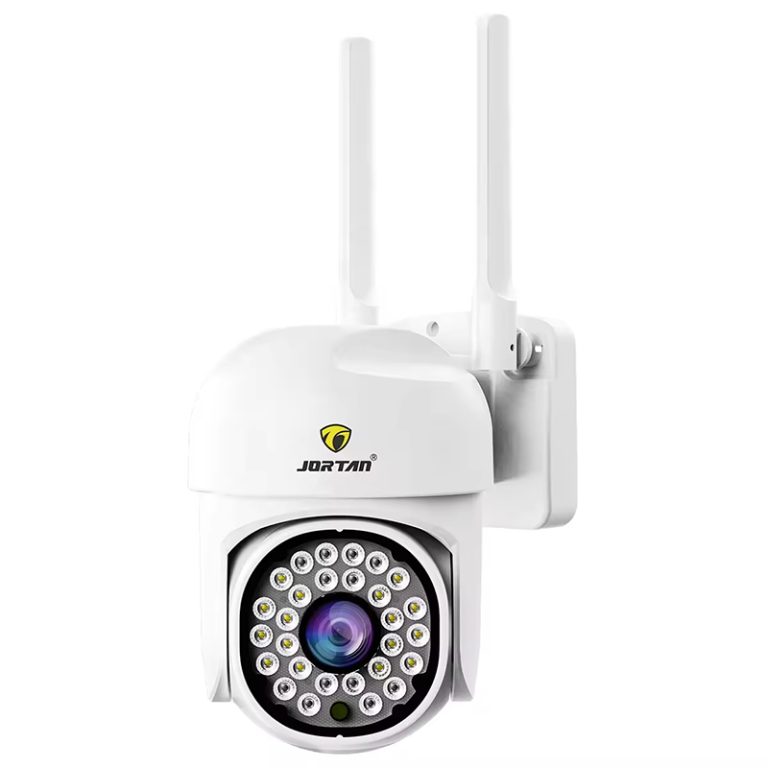
A3: In order to combine AI technology with the latest solar power technology, think about checking Jortan’s smart solar cameras. These setups blend top movement spotting with a sturdy build perfect for home sites and far setups.