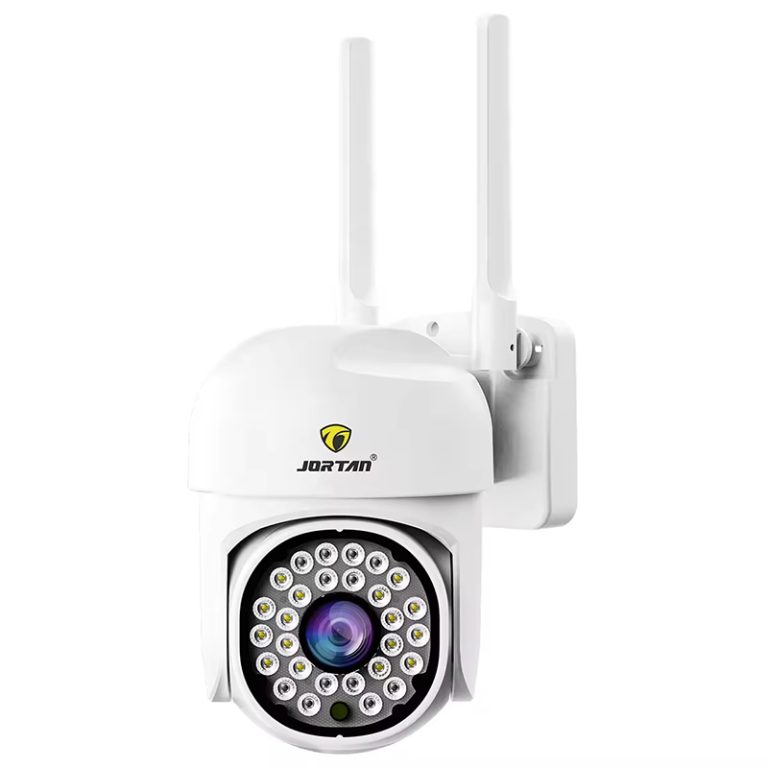

A card slot turns a camera into its own recorder, and on continuous-monitoring products the card is the evidence path that survives when the network does not. Card storage is also the single most failure-prone part of the system, because the memory card is a consumable asked to do server-grade work around the clock. The pattern that makes this unforgivable: a card fails quietly in week two, records nothing for eleven days, and the discovery happens when someone finally asks for footage. What follows is why the duty cycle is so hard, what a real test looks like, and what a purchaser can specify so the failure class stays small.
Why Continuous Recording Kills Ordinary Cards
NAND flash tolerates a finite number of write cycles, and 24/7 loop recording spends them nonstop. The camera writes rotating segments, deletes the oldest, writes the newest, and the card’s entire endurance burns at a steady rate. A consumer card warranted for weekend photography carries no claim against that duty at all, and inventory built around a ‘supports up to 128 GB’ marketing line is where field failures routinely begin. Sustained write speed belongs to the same class. A card whose real write rate falls under the stream rate at the shipped resolution drops frames or breaks segments, and the shortfall shows only when the scene is busy with motion and detail. That is the footage somebody eventually needs.
Power interrupts are the second killer. Cards corrupt exactly when a write gets cut short, and camera estates lose power more often than any meeting admits. PoE reboots, storm outages, firmware windows, watchdog restarts. A corrupted card then fails the recording loop in silence while the camera’s interface keeps looking normal to whoever checks it. This is one reason serious deployments avoid card-only designs entirely. A product pairing local card storage with a second path, cloud recording beside the card, or an NVR with the card holding an edge cache that backfills after a network failure, converts a silent data loss into a degraded but complete record.
A Test that Means Something at Inspection
A spot check proves almost nothing, because card failures are endurance and timing failures, and both need time to surface. A meaningful batch test runs the real duty cycle rather than a lab approximation. Target card stock goes into sample units, the highest shipping resolution and frame-rate profile gets set, and continuous loop recording runs for days, not hours, with read-back checks at intervals for segment integrity and gap-free coverage. Then the abuse cases. Pull power mid-segment repeatedly and confirm the card re-mounts and the loop resumes every time. Let the loop overwrite a full card through several cycles to exercise the delete-and-rewrite path. Read the card back on a PC and open files across the overwrite boundaries, where segment-joining bugs live. The pass criteria sit in the inspection record: zero unopenable segments, clean re-mount after every cut, no creeping error counters.
One item gets skipped constantly, and it is the one that bites. Test with the card stock actually in the shipment, not a retail sample of the same label. Card sourcing switches quietly with component prices, and a batch can carry different NAND under an unchanged sticker. Don’t hesitate to contact Jortan.
Specifying the Reliability You Actually Want
The commercial controls are concrete. Specify high-endurance cards built for surveillance duty. Name the brand and model on the quotation, because ‘SD card included’ is an invitation. Hold capacity inside the camera’s stated ceiling rather than maximizing it. Then ask the product questions that expose engineering depth. What does the camera do when the card is absent, full, slow, or corrupt? A product designed for this duty reports each state to the client software instead of failing quietly. Does an edge-cache mechanism write to the card during network failure and backfill afterward, and does the platform show whether edge recording is genuinely running right now?
Finally put wear into the operating plan. Items in a persistent loop are consumables, and a well-documented replacement cadence (or health monitoring report that checks card state throughout the estate) costs fractions of an expensive recovery attempt. Flash recovery post corruption is a fallacy; it never comes consistently and costs money every time. For the project piece, this handover pack also carries a card register: slot-serial-capacity install date-batch. The service schedule treats card verification the way it treats a clock-sync check, which is periodically, in writing, with evidence attached.
Conclusion
MicroSD reliability under continuous recording is three problems running on the cheapest item in the bill of materials. An endurance problem, since loop recording consumes finite write cycles daily. A speed problem, since sustained write rate has to clear the stream under a busy scene. A power problem, since interrupted writes corrupt cards that then fail in silence. All three are testable, and the test is a real-duty soak on shipped card stock with power-cut recovery cycles and read-back verification, with the pass criteria written down. All three are also specifiable: named endurance cards, fault reporting for absent and corrupt states, an edge-cache dual path, and a replacement interval on the service schedule. A camera whose card story stops at supports 128 GB is a product that has not decided who eats the data loss, and the answer will arrive as a claim. Should you have any questions, please contact us.
FAQ
Q1: Are ordinary microSD cards acceptable for continuous recording?
A1: They are not. Consumer cards carry no endurance warranty against continuous loop writing and wear out unpredictably. Specify high-endurance cards rated for surveillance duty and put the exact model on the purchase order.
Q2: How would anyone know a card failed silently in the field?
A2: Usually they do not, until playback gets requested. That is why a properly engineered product reports absent, full, slow, and corrupt card states to the client or platform, and why card-health checks belong on the periodic service schedule.
Q3: How often should camera cards be replaced in continuous service?
A3: As wear items, on a documented interval driven by the card’s endurance rating against actual recording load, commonly months to a couple of years. Track install dates in the card register rather than waiting for failure reports to find the pattern.