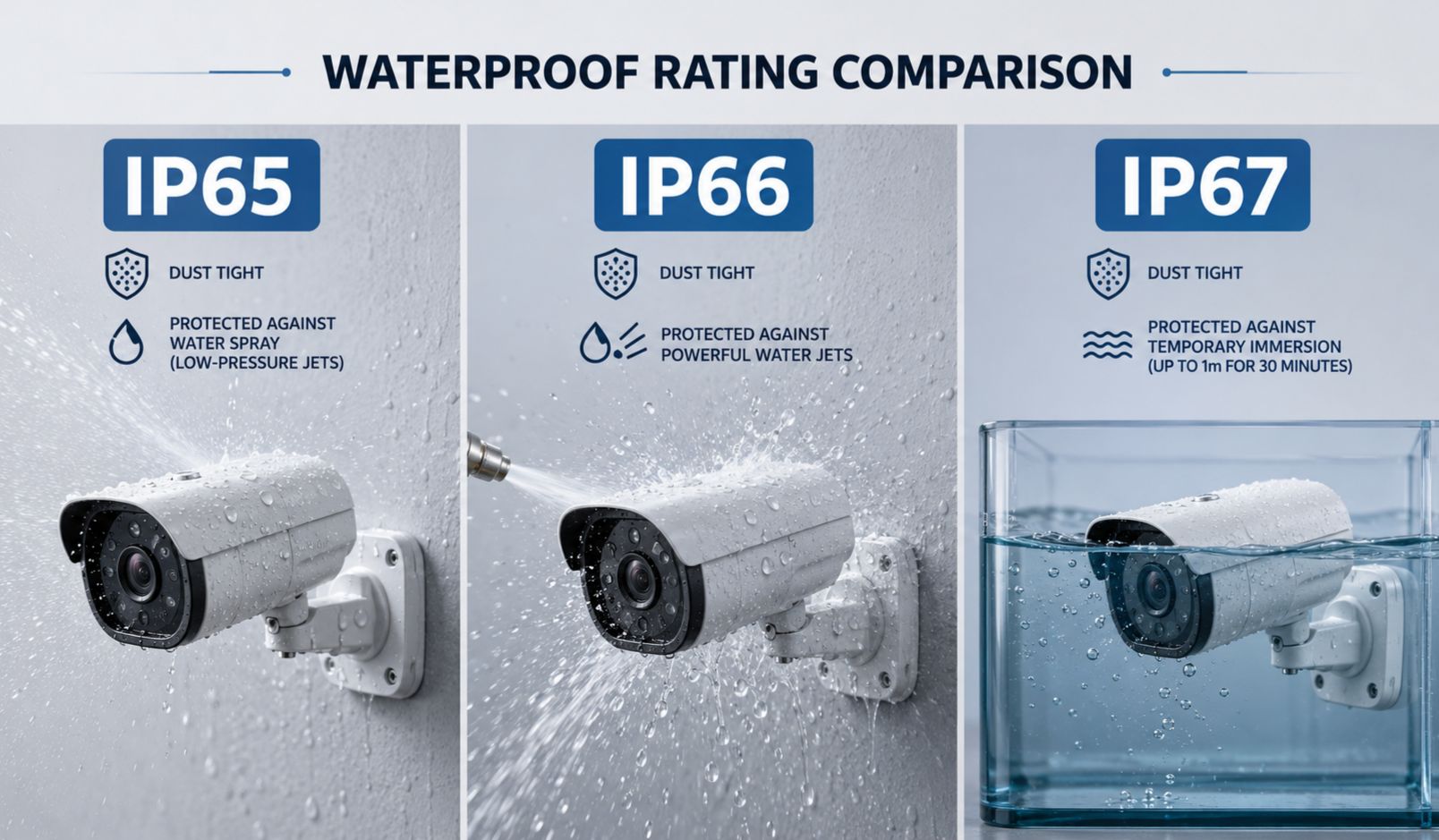
2026 is seeing an increase in diversity among outdoor camera systems. A warehouse gate, a coastal road, a farm entrance, and even a city parking lot might each require a weatherproof camera rated IP66; however, these devices do not experience the same conditions of rain, dust, humidity, and mounting danger. This is precisely why IP rating remains a primary criterion prior to other considerations.
Why Weatherproof Ratings Matter in B2B Camera Procurement
IP ratings tend to be overlooked by teams comparing resolution, night-vision capabilities, application capabilities, or price. When dealing with outdoor security system installation, though, IP ratings determine how many complaints will follow after installation. A good camera in a display hall might not perform well under heavy rains, dusty road, marine climate, or poor cable sealing.
It means that it is an important issue for distributors, importers, installers, and contractors of security projects. One defective lot of cameras will increase warranty claims costs, delay project acceptance, and affect repeat business. The IP66 rating is usually the one to pay particular attention to in most outdoor camera purchases as it covers more practical situations than IP65 while avoiding unnecessary IP67 for cases without immersion threat.
What IP65, IP66, and IP67 Mean in Real Projects
The IP rating has two numbers. The first number shows dust protection. The second number shows water protection. In IP65, IP66, and IP67, the first number is 6, which means the housing is dust-tight. The real difference is the second number.
What Does IP65 Mean?
IP65-rated cameras withstand dust and sprays of low-pressure water. In many cases, this can suffice for regular outdoor installations, provided the camera is positioned below the roof, in a corridor, at the shop entrance, or on a partially protected wall.
In budget-constrained environments, IP65-rated equipment also finds its niche. It assists suppliers in designing basic outdoor camera lines without driving costs up.
What Does IP66 Mean?
IP66 offers stronger water protection than IP65. It is designed to resist powerful water jets, so it is usually better for open outdoor sites. For factories, parking lots, logistics parks, schools, warehouses, and commercial perimeters, IP66 is often the practical main choice.
Many B2B buyers prefer IP66 because it gives stronger protection without adding unnecessary cost to every project. If a distributor wants one main outdoor model for regular project supply, IP66 is usually easier to position than IP65.
What Does IP67 Mean?
IP67 indicates that the camera is capable of withstanding temporary immersion as per certain test procedures. The misconception is that the camera is designed for continuous submersion in water. This is a misconception that continues to persist in procurement discussions, particularly when the customers request the maximum possible waterproof rating.
IP67 is applicable where there is temporary flooding, a humid environment, poor drainage, a seaside location, or risk of water collection around the camera housing. IP67 is also useful for applications in farms, ports, tunnels, roadside construction, and tough industrial locations.
IP65 vs. IP66 vs. IP67: Key Differences for Project Teams
The basic difference is water resistance level, but procurement decisions should go further than that. A well-built IP66 camera can be more reliable than a poorly assembled IP67 camera. The rating is important, but it is not the whole story.
Buyers should compare housing material, gasket design, cable outlet sealing, screw positions, bracket structure, lens cover fit, operating temperature, and quality control before shipment. For bulk orders, repeat production stability is especially important. A sample can look fine, while the second or third batch may show looser assembly if the supplier lacks process control.
For projects exposed to normal rain, IP65 can work if the installation is protected. For open outdoor use, IP66 should be the safer default and the first level to quote. For flood-risk or harsh wet environments, IP67 deserves attention, but many B2B projects never reach that level of water exposure.
Matching Weatherproof Cameras to Real Applications
Different projects need different protection levels. A camera installed at a shopping mall entrance does not face the same risk as one mounted beside a coastal road. A warehouse wall is different from a farm gate. A solar camera on a remote pole also has different service conditions from a wired camera under a building canopy.
For normal commercial buildings, retail entrances, residential community gates, and covered loading areas, IP65 may be acceptable if the mounting position is not heavily exposed. The buyer should still check the cable junction and adapter protection.
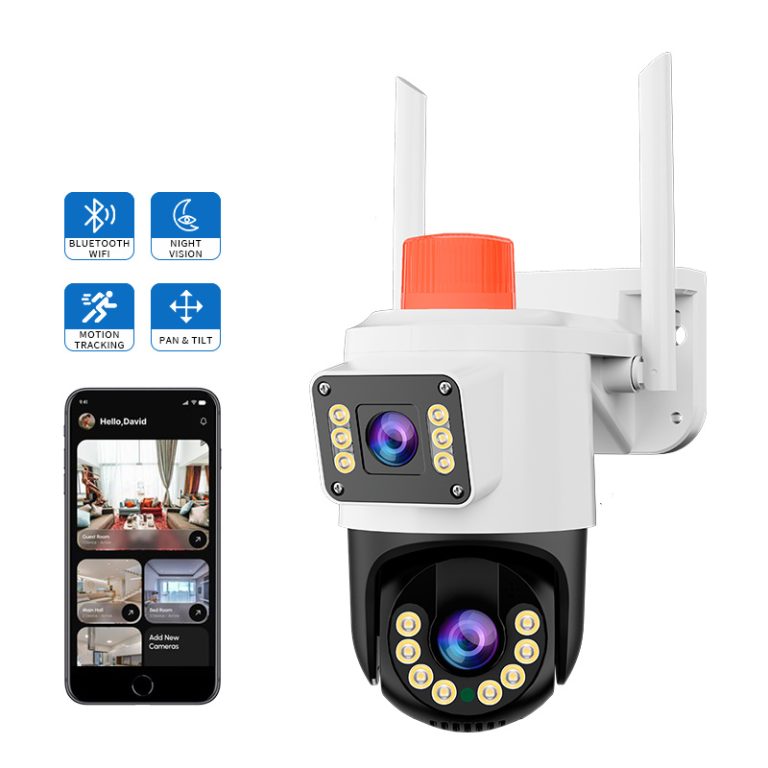
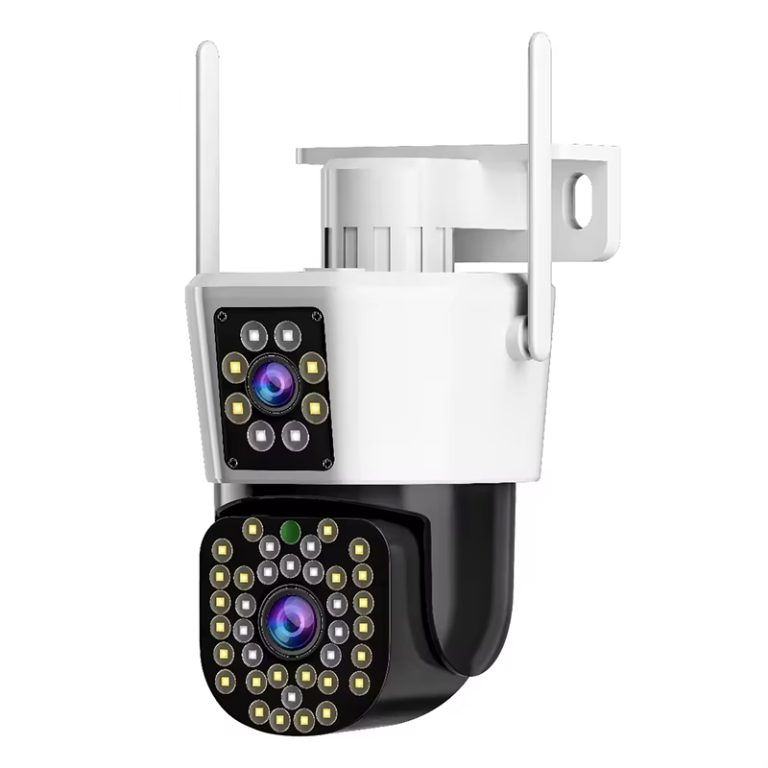
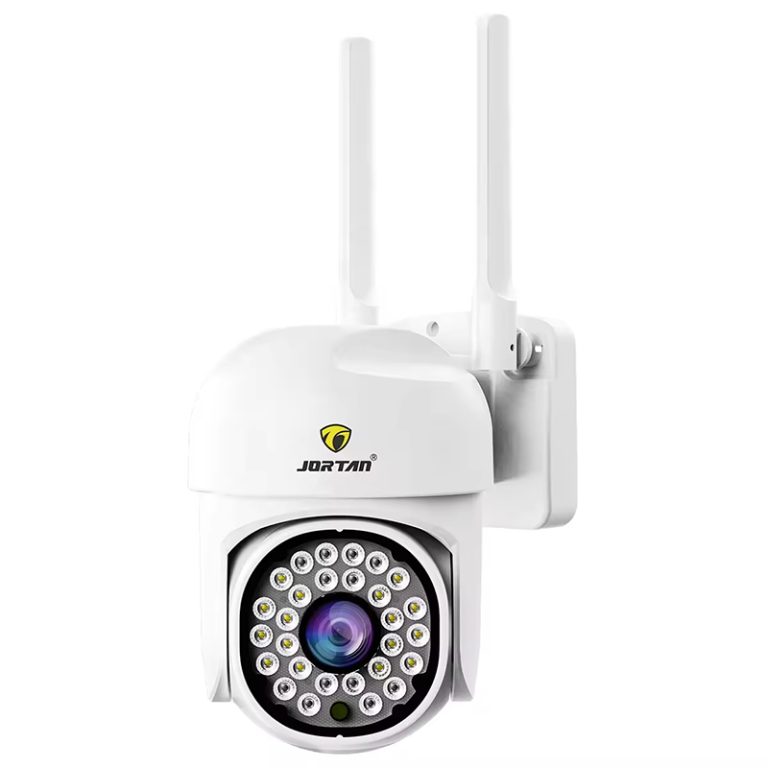
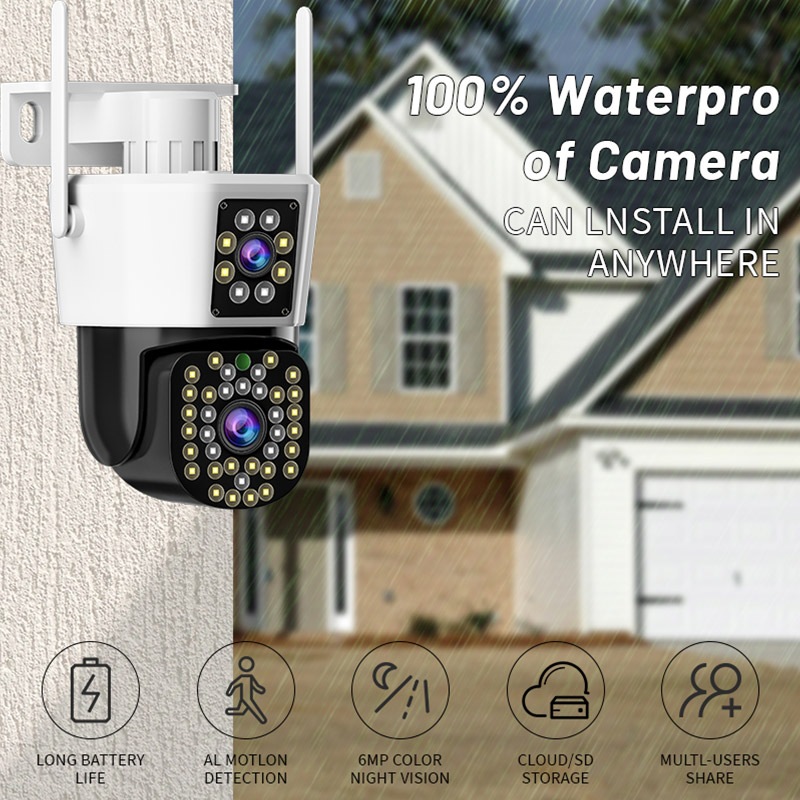
For factories, parking areas, logistics centers, schools, offices, and most open-air installations, IP66 is usually the better choice. It gives installers more margin when weather conditions change or when customers cannot guarantee ideal mounting conditions. In this type of project, an IP66 PTZ model such as JT-9697QJ can fit gates, parking areas, and commercial entrances where dual-lens coverage, two-way audio, night vision, and motion tracking are useful.
For projects that need clearer night monitoring, color night vision and IR distance may matter as much as the waterproof rating. JT-9687PRO is a relevant example for installer-led outdoor work because it combines 4MP resolution, human motion tracking, two-way audio, and 30-50m IR night vision with an IP66 weatherproof design.
For ports, farms, coastal regions, temporary flood areas, and remote outdoor sites, IP67 can be discussed as an extra requirement. In ordinary exposed outdoor projects, IP66 remains the more realistic purchasing level.
Supplier Checks Before Bulk Orders
After the application level is clear, supplier evaluation becomes more practical. Do not judge the offer only by the IP rating written in the catalog. Ask how the camera housing is designed, how the waterproof structure is tested, and how the factory controls mass production. For distributors and brand owners, these questions are more useful than a low sample price.
A supplier with IP cameras solar cameras, monitoring packages, and OEM/ODM options can be easier to work with when one project contains several installation types. Jortan supports outdoor security camera supply, customization, and after-sales communication for buyers who need both standard models and market-specific adjustments.
For private label work, confirm logo position, packaging, housing color, app settings, language materials, and market-specific requirements before the sample stage. These details affect lead time, MOQ, and repeat order stability.
Selection Guide for 2026 Outdoor Camera Orders
For protected outdoor areas, choose IP65 when cost control is important and the installation environment is mild. It fits entry-level outdoor demand, but the buyer should not oversell it for harsh sites.
For most open outdoor projects, choose IP66. It is the most balanced choice for distributors, installers, and project contractors who need reliable weatherproof cameras for regular commercial and industrial use.
For wet, coastal, remote, or flood-risk sites, IP67 can be considered only when the project has clear temporary immersion or drainage risk. Otherwise, IP66 is usually easier to source, easier to price, and more aligned with regular outdoor security camera demand.
When the order involves several camera types, keep the model list simple. Standard outdoor models, solar-powered units, and customized versions should be discussed by installation environment instead of catalog position. If you need more information about ODM, samples, or customized packaging solutions, please feel free to contact Jortan.
FAQ
Q1: Which IP rating is best for outdoor security camera bulk orders?
A1: IP66 is usually the most practical choice for general outdoor projects. IP65 can work for protected areas, while IP67 is better only when the site has wet, coastal, or flood-risk conditions.
Q2: What parameters should buyers check besides IP rating?
A2: Buyers should check resolution, lens angle, night vision distance, housing material, operating temperature, cable sealing, storage method, power supply, app compatibility, and warranty terms.
Q3: Can weatherproof cameras be customized for private label orders?
A3: Yes. Buyers should confirm logo position, packaging design, housing color, software settings, language requirements, lead time, MOQ, and sample cost before production.