False alerts are still one of the quiet costs in security camera projects. A warehouse gate, a shop entrance, a parking lot, and a farm road may all need smarter detection, but the site conditions are rarely clean. For B2B buyers in 2026, the real question is not whether AI sounds advanced. The question is whether AI tracking security cameras can reduce daily noise, service calls, and customer complaints after installation.
Why False Alerts Still Matter for B2B Camera Buyers
False alerts look small when buyers only read a product sheet. In a real channel, they become a support problem. The end user receives too many phone notifications. The installer is asked to adjust the angle again. The distributor has to explain why the camera reacts to rain, tree shadows, insects, headlights, or a moving curtain near the window.
For project buyers, too many alerts also weaken trust. A warehouse manager may stop checking notifications after a week. A shop owner may turn off push alerts completely. Once that happens, even a camera with good image quality loses part of its value. This is why false alert control has become a buying point, not just a software feature.
What AI Tracking Security Cameras Actually Do
Human Detection Is Not the Same as Basic Motion Detection
Basic motion detection reacts when the image changes. That can be useful for simple monitoring, but it is also why many low-cost cameras send alerts too often. A branch moves. A light switches on. A small animal crosses the frame. The camera sees change, then pushes an alert.
AI human detection tries to filter the event by shape or target type. Instead of reacting to every movement, the device focuses more on people or human-like targets. In channels where customers complain about too many alerts, that difference matters.
Tracking Helps Follow the Target
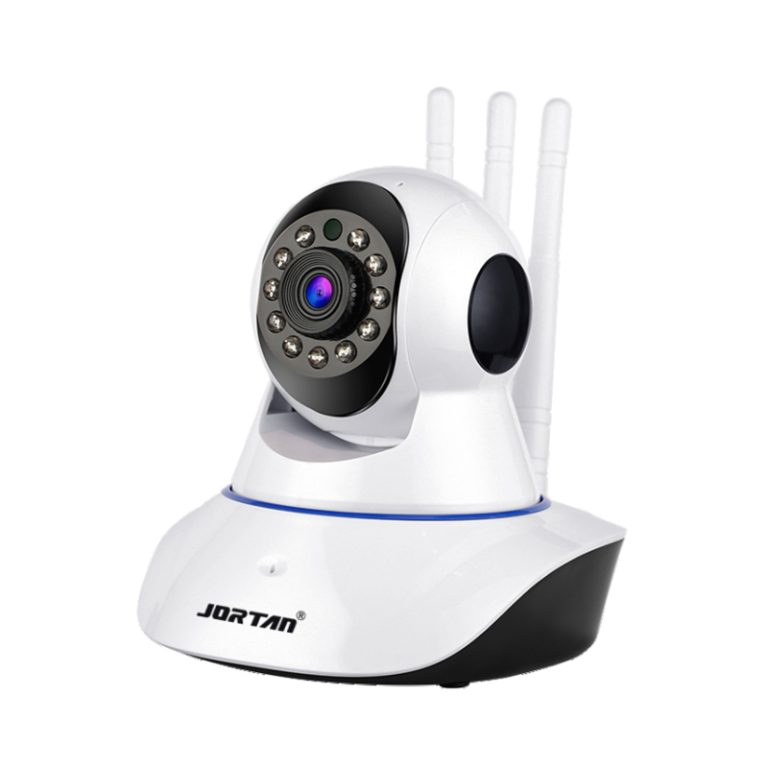
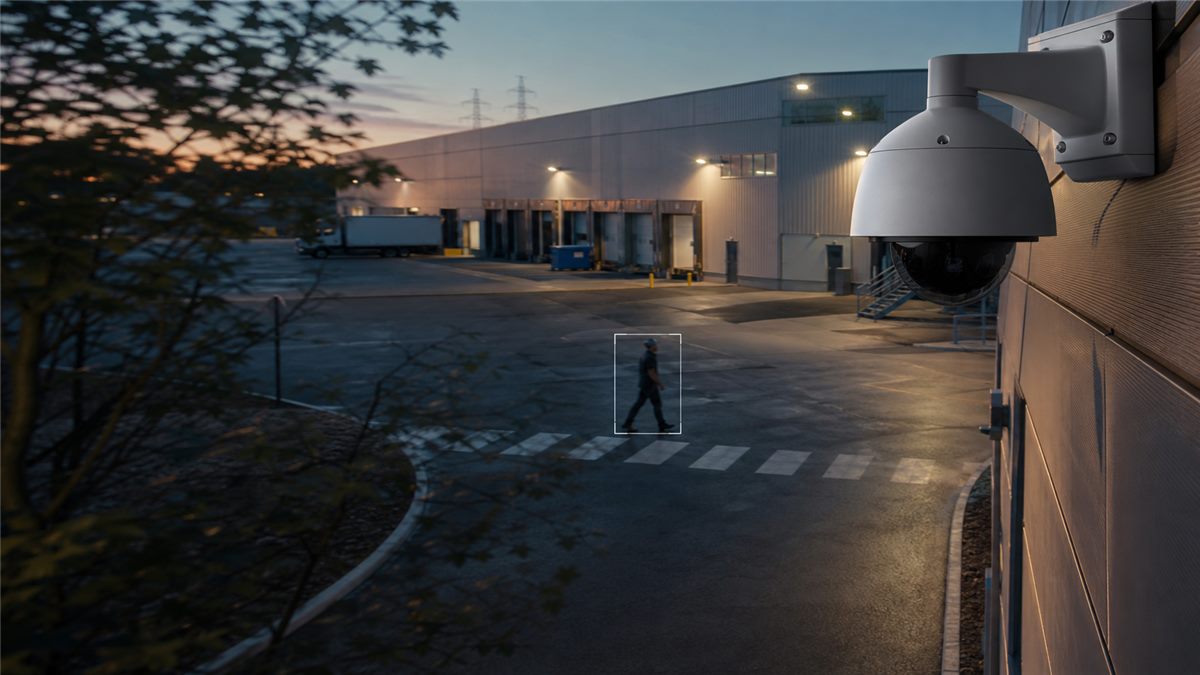
Tracking adds another layer. Once the camera identifies a moving person, PTZ movement can follow the target across part of the scene. This helps at gates, loading areas, side doors, and parking spaces where a fixed view may lose the person too quickly.
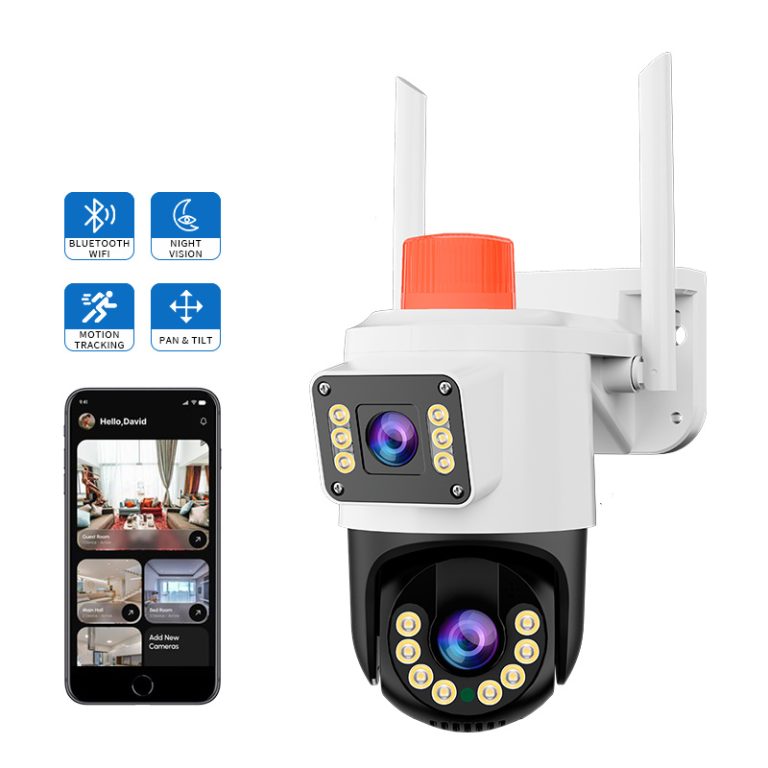
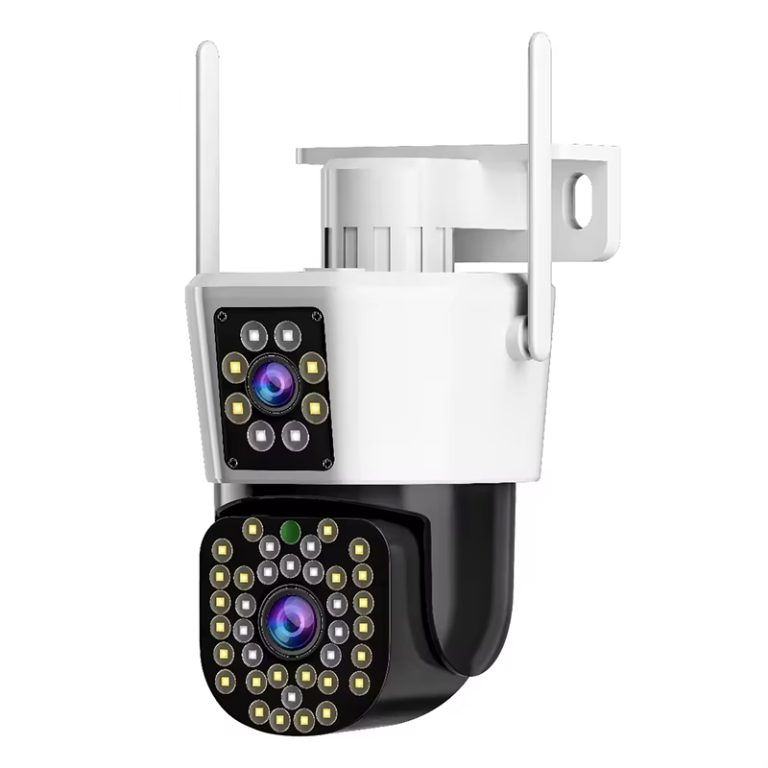
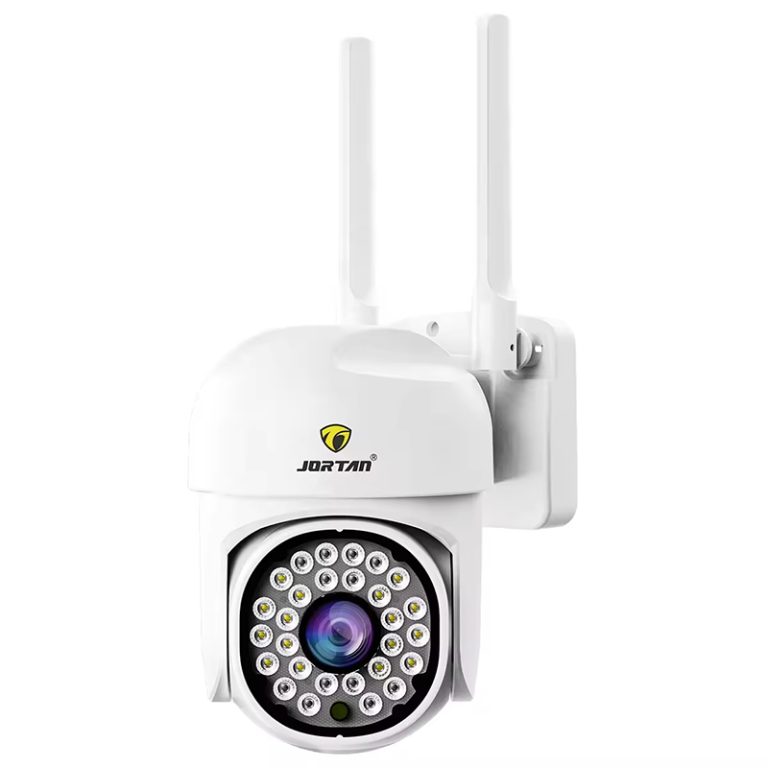
A model such as Jortan’s JT-9697QJ is a useful example for this type of discussion. It fits outdoor PTZ demand with dual-lens viewing, human motion tracking, IP66 weatherproofing, Yoosee app use, two-way audio, pan-tilt movement, and night vision. For distributors, the point is not only the feature list. It is how those features behave together at an actual installation position.
Can AI Tracking Truly Reduce False Alerts?
AI tracking can reduce many alerts caused by ordinary image movement, especially when the camera is set to focus on human activity. It can make a shop entrance, warehouse aisle, or outdoor gate easier to monitor because the system is less likely to treat every small movement as a serious event.
Still, no serious buyer should treat AI tracking as a zero-false-alert guarantee. Bad installation angles, weak night images, strong backlight, rain on the lens, unstable WiFi, and poor sensitivity settings can still create problems. Insects’ near-infrared LEDs can also cause strange alerts at night. AI helps, but site work still matters.
The result depends on several parts working together: sensor quality, lens view, night vision, algorithm behavior, PTZ speed, app notification settings, and the way installers define detection areas.
Where AI Tracking Works Best in Real Projects
Warehouses and Loading Areas
Warehouses often have mixed movement. Trucks arrive, workers cross the yard, forklifts pass near doors, and lights change during the night. AI tracking is useful when the buyer needs to focus on people entering a restricted area instead of every shadow across the ground.
Shops, Small Factories, and Parking Areas
Small commercial sites often want practical features in one unit: human detection, tracking, two-way audio, alarm light, local storage, and app viewing. JT-8698PRO fits this side of the market. For a distributor, this type of model is easier to sell when the target customer can see the difference in a short demo. A person enters the scene, the camera follows, the alarm light reacts, and the app receives a cleaner event.
Farms, Yards, and Outdoor Entrances
Outdoor entrances are harder. Dust, rain, insects, uneven lighting, and long distances all affect detection. AI tracking still helps, but it should be paired with a weatherproof body, useful night vision, a stable bracket, and a clear power plan. A poor mounting point can make a good camera look bad.
What Buyers Should Test Before Bulk Orders

Sample testing should be done in the kind of place where the camera will actually sell. A desk test is not enough. Buyers should check human detection in daylight, low light, backlight, and night vision modes. They should also walk through the scene at different speeds and see whether the camera follows naturally or keeps jumping.
The app matters as much as the camera body. Check the push alert frequency, event record, detection area setting, reset process, storage options, and how easy the end user can turn features on or off.
For bulk orders, compare the approved sample with mass-production details. Lens, app version, adapter, memory card support, packaging, manual language, and accessory kit should stay consistent. A small change can create a large support issue when hundreds or thousands of units enter the channel.
How to Choose a Supplier for AI Tracking Camera Orders
A supplier should be able to talk about more than AI words. Buyers need clear answers on sample availability, MOQ, lead time, app support, packaging, warranty handling, spare accessories, and whether the same configuration can be kept for repeat orders. The best product for a distributor is not always the one with the longest feature list. It is the one that can be sold, installed, explained, and reordered with fewer surprises.
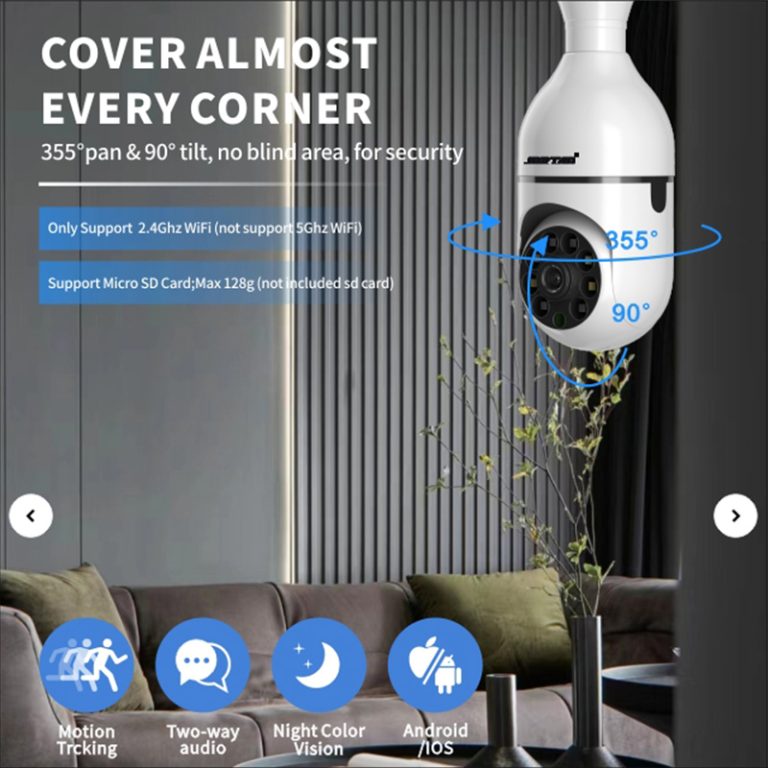
Jortan can be considered when buyers need AI tracking models, outdoor WiFi cameras, dual-lens designs, and private-label planning in one product line. The company works across IP camera, solar camera, monitoring package, and related security camera supply, which gives distributors room to build different SKUs for retail, installer, and project channels.
For brand buyers, OEM/ODM camera customization should be discussed before the first bulk order, not after problems appear. Logo, retail box, appearance, app-related requirements, manuals, plug options, and model combinations all affect channel sales. If the package does not explain AI tracking clearly, dealers may oversell the function and create avoidable complaints.
If a buyer needs samples, ODM planning, packaging details, or a project-specific AI tracking camera mix, it is better to contact Jortan with the target market, app preference, installation scene, and expected order size already listed. That gives the supplier something concrete to match instead of sending a random model list.
FAQ
Q1: Can AI tracking security cameras completely stop false alerts?
A1: No. They can reduce many false alerts caused by basic image movement, but rain, insects, poor angle, weak night vision, and wrong sensitivity settings can still cause problems.
Q2: What should buyers test before ordering AI tracking cameras in bulk?
A2: Buyers should test human detection, PTZ tracking, night vision, app push alerts, storage, WiFi stability, mounting angle, and whether the mass-production version matches the approved sample.
Q3: Are AI tracking cameras better for indoor or outdoor projects?
A3: They often show more value outdoors, at warehouses, parking areas, gates, and commercial entrances. Indoor retail and small shop use can also work when the buyer needs cleaner event alerts.
Q4: Can Jortan support AI tracking camera customization for distributors?
A4: Yes. Jortan can support AI tracking camera orders with model selection, logo work, packaging, app-related options, sample discussion, production, and after-sales communication for distributors and brand buyers.