
CCTV projects are carrying heavier video than before. Higher resolution, longer recording days, mobile playback, and cloud backup all push storage harder. A camera may look affordable at the quotation stage, but the real cost appears later when TF cards overwrite too soon, HDD space runs short, or remote playback becomes slow. H.265 compression is one of the main ways CCTV systems control that pressure. It does not remove the need for storage planning, but it can make high-resolution video easier to transmit, record, and review when the rest of the system is compatible.
Why CCTV Storage Pressure Keeps Growing in 2026
More buyers now ask for 4MP, 6MP, dual-lens, PTZ, full-color night vision, AI detection, and longer playback periods. Each upgrade adds value, but it also adds data. A warehouse system with several cameras can fill storage much faster than a small shop camera recording only motion clips.
The pressure is not only local. Remote viewing also has to move video through the network. Cloud storage needs upload bandwidth. NVR playback needs stable decoding. APP playback has to load clips without making the user wait. If compression is weak, every part of the system feels heavier.
This is why camera storage planning now starts earlier in many B2B projects. Buyers are not only asking how clear the image is. They also need to know how much recording time the same image will consume.
What H.265 Compression Actually Does
How H.265 reduces video file size
H.265 is a video compression standard used to reduce the amount of data needed for CCTV footage. In simple terms, it is better at describing repeated or unchanged parts of the image. Compared with older coding methods, H.265 can keep usable image quality while lowering bitrate. That lower bitrate usually means less bandwidth during transmission and less storage used over time. For cameras running day and night, the difference can be important.
Why compression affects bitrate, bandwidth, and playback
Bitrate is the amount of video data produced each second. A high bitrate can preserve more detail, but it also uses more bandwidth and storage. A lower bitrate reduces pressure, but if it is pushed too far, the picture may show blocks, smearing, or weak detail during movement.
Good compression is a balance. Buyers should not only ask whether the camera supports H.265. They should ask how the camera looks under the resolution, frame rate, night mode, and scene movement expected in the real project.
How H.265 Helps High-Resolution CCTV Projects
Lower bandwidth for remote viewing and multi-camera systems
In multi-camera systems, bandwidth becomes a daily issue. Several high-resolution cameras sending live video at the same time can overload weak networks. H.265 helps reduce that load, so remote viewing, APP access, and NVR playback feel more stable.
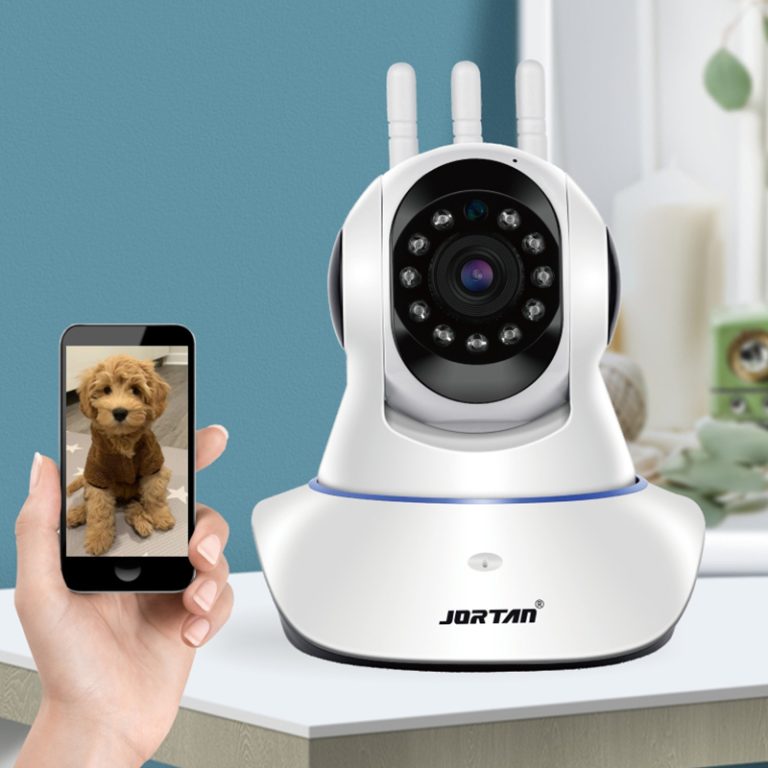
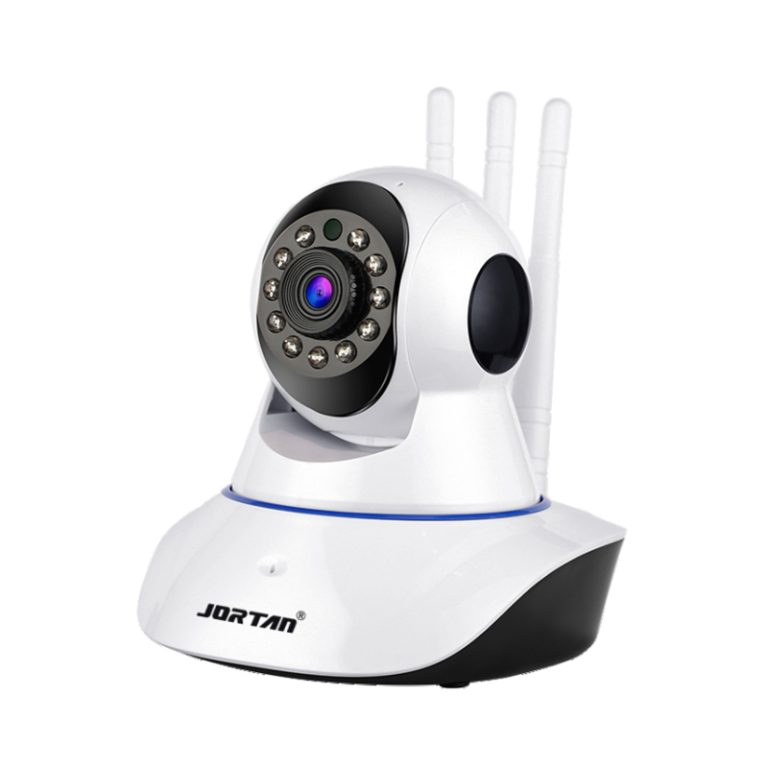
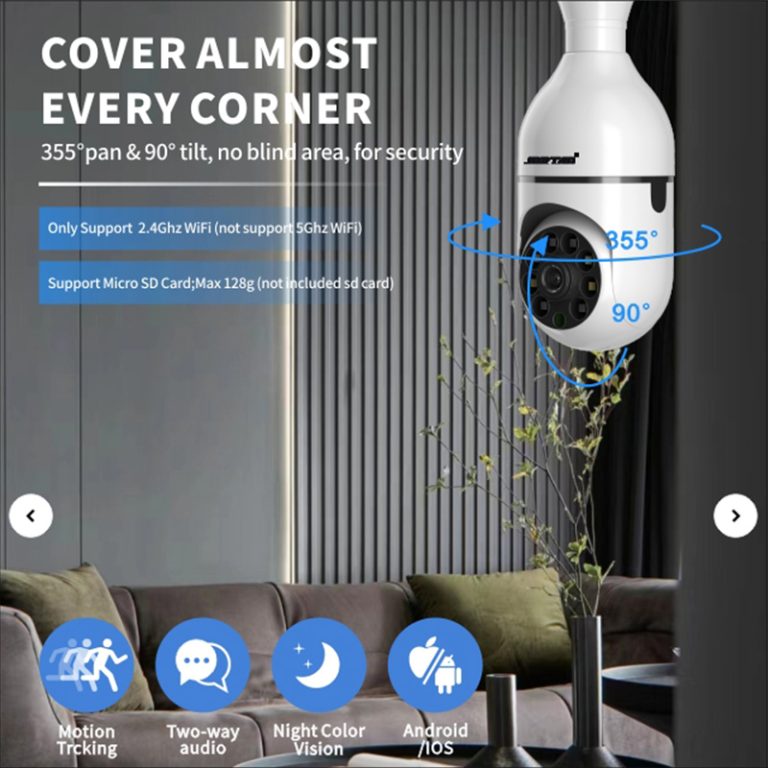
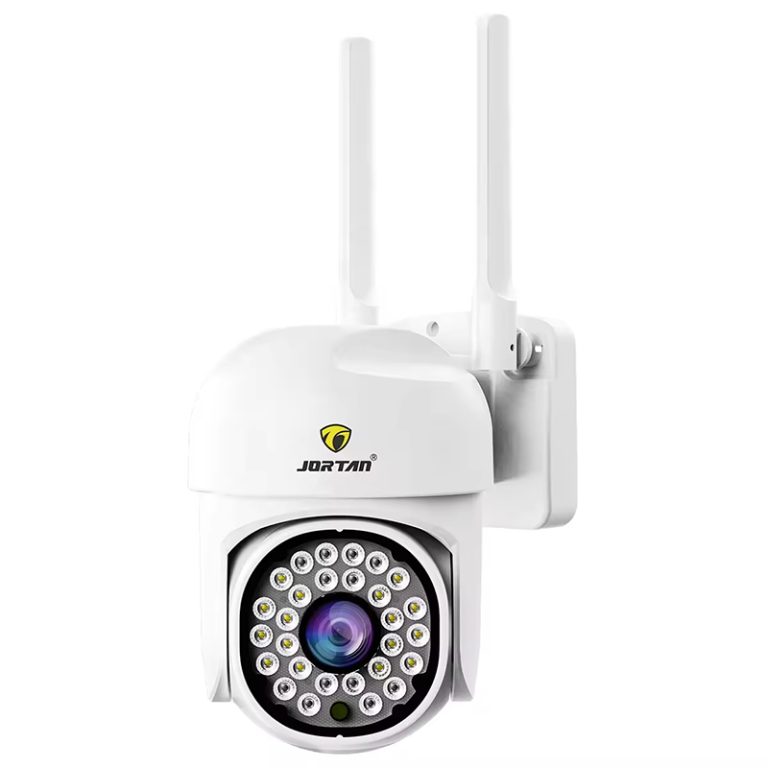
For indoor WiFi and small business channels, Jortan’s JTZ-160B is a simple example. It supports H.265, cloud storage, local memory card storage up to 128GB, Yoosee APP remote viewing and playback, night vision, and two-way audio. In small rooms, counters, and light monitoring projects, efficient compression helps keep the user experience practical.
Longer recording time on TF card, HDD, NVR, and cloud
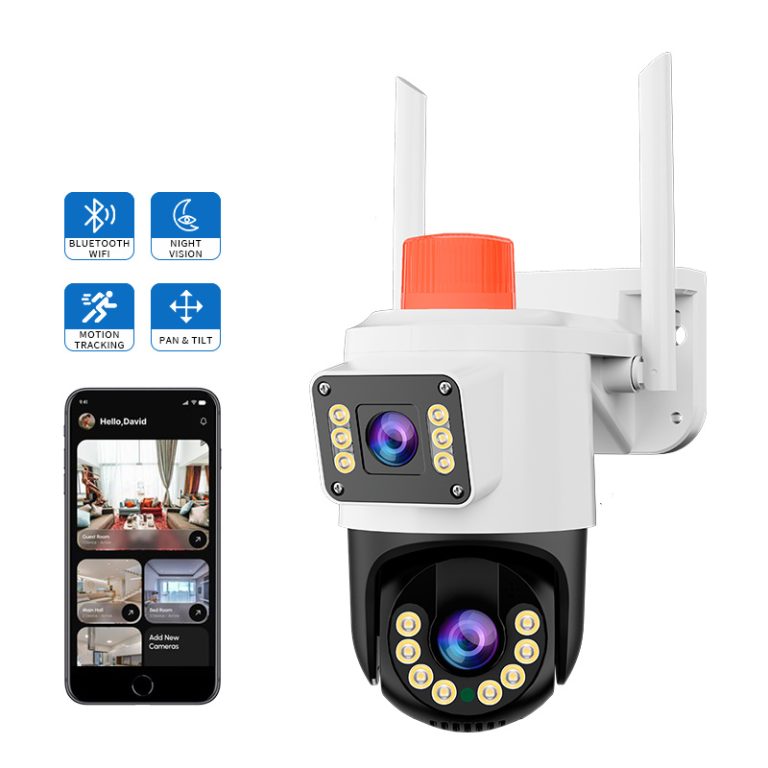
Storage savings are easier to feel when cameras record for many hours every day. A TF card lasts longer before overwriting. An HDD in an NVR can keep more days of footage. Cloud plans can carry event clips with less upload pressure. This does not mean storage becomes unlimited. It means the same storage can work harder. A project model such as JT-8293QJ shows why this matters. It supports H.265, H.265AI, Cloud, NVR, and Micro SD card storage, with 2.4G WiFi plus RJ45, ONVIF support, and local TF card storage up to 256GB. That gives buyers more flexibility when one channel needs local recording while another needs platform access or cloud backup.
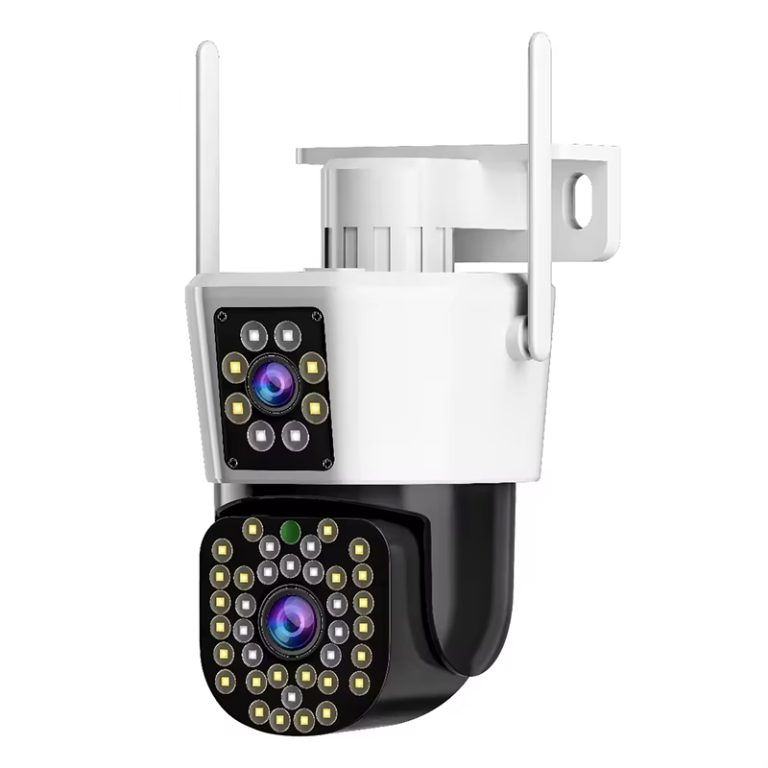
Outdoor and high-resolution projects benefit even more when compression is planned properly. For parking areas, farm gates, yards, and warehouse perimeters, compression helps control the storage cost that comes with wider coverage.
Why Buyers Should Not Only Check the H.265 Label
The H.265 label is only the starting point. The camera and NVR or DVR should both support H.265. If the camera records in H.265 but the recorder, APP, or third-party platform cannot decode it smoothly, the project still creates support problems.
APP playback also needs checking. Some users only view clips on mobile phones. If H.265 playback is slow, incompatible, or difficult to export, the end user may blame the camera rather than the playback path. Buyers should test live view, recorded playback, clip download, and sharing before confirming the model.
Image quality should be reviewed under real conditions. Heavy compression can hurt moving objects, night footage, faces, license plates, and warehouse activity. A sample should be tested at the same resolution, frame rate, bitrate, and lighting planned for the project.
Variations such as H.265AI and Smart H.264 also need clear handling. They may improve efficiency or fit certain chip platforms, but buyers should confirm what the NVR, cloud storage, local storage, and older devices can actually play. Old systems and third-party platforms are where compatibility issues often appear.
What to Test Before Bulk CCTV Orders
Sample recording under real resolution and bitrate
Sample testing should copy the final installation as closely as possible. Test daytime, weak light, night mode, motion, busy scenes, and quiet scenes. Check whether the video remains clear after compression, not only during live view but also during recorded playback.
Playback on APP, NVR, cloud, and third-party platforms
Buyers should open the same footage on the APP, NVR, cloud platform, and any third-party system required by the project. If one part cannot play the file properly, that problem will return after bulk shipment. ONVIF or platform support should be verified with real devices, not assumed from a line on the catalog.
Storage estimate for different markets and project types
A distributor selling to mixed markets needs more than one storage estimate. Indoor WiFi cameras, warehouse NVR kits, outdoor PTZ units, and cloud storage camera packages do not carry the same recording load. Packaging and manuals should explain recording mode, storage capacity, overwrite behavior, and APP playback clearly.
For private label or channel orders, Jortan OEM/ODM camera customization can support logos, packaging, product appearance, APP-related requests, assembly, and inspection. This is useful when H.265 settings, storage wording, and sample configuration need to stay consistent from trial order to mass production.
FAQ
Q1: Does H.265 always reduce CCTV storage by half?
A1: No. Storage reduction depends on resolution, bitrate, frame rate, scene movement, night mode, and recording settings. H.265 can reduce pressure, but buyers still need real sample testing before estimating recording days.
Q2: Can old NVR or DVR systems play H.265 camera footage?
A2: Not always. The recorder, APP, cloud platform, and third-party software must support the same encoding. If the old system only handles H.264, H.265 footage may fail to play or need setting changes.
Q3: Can Jortan support H.265 or H.265AI camera orders for OEM or ODM projects?
A3: Yes. For H.265 or H.265AI camera orders, contact Jortan to confirm camera model, recorder compatibility, APP playback, storage settings, packaging wording, and sample configuration before bulk production.