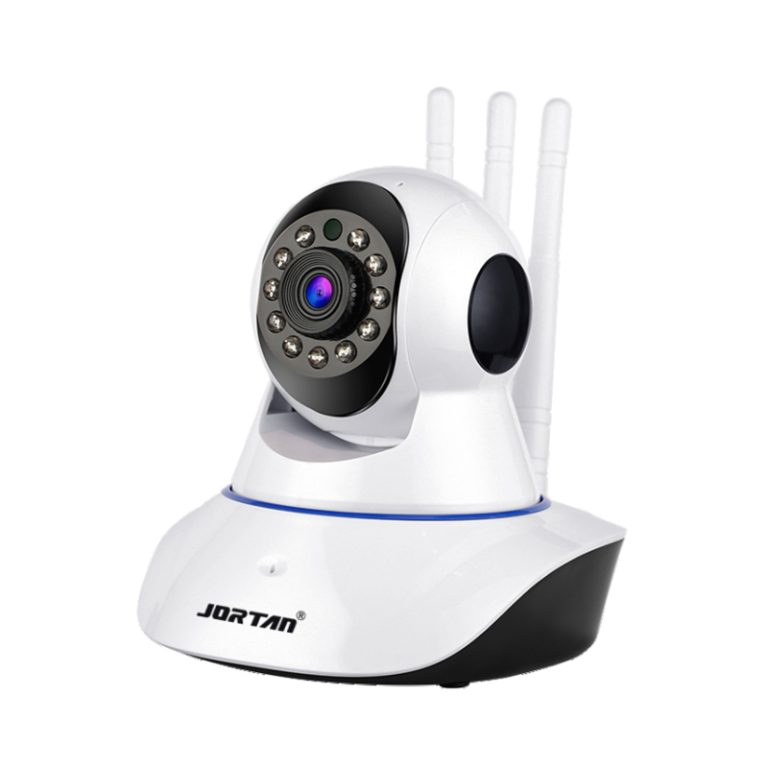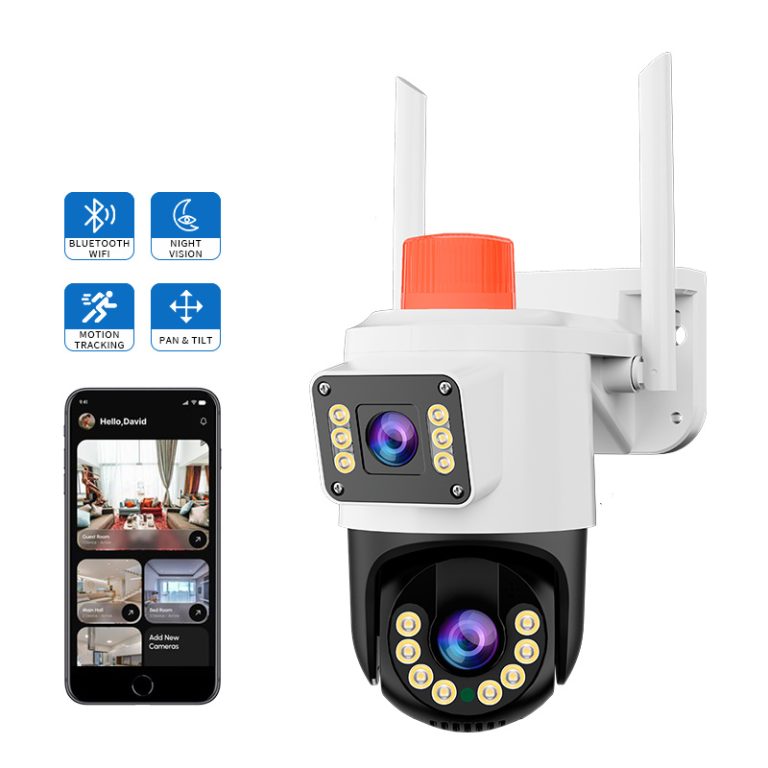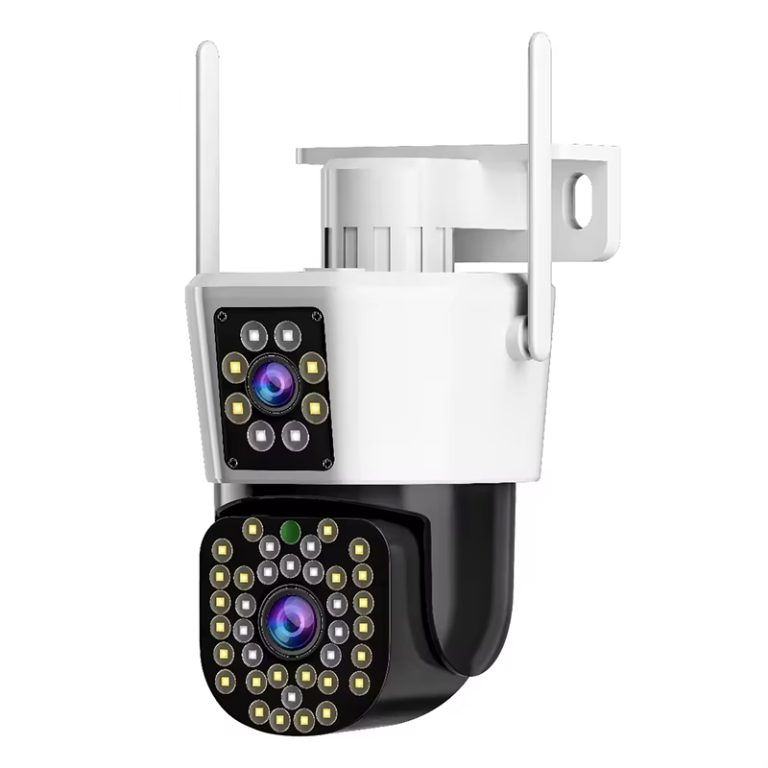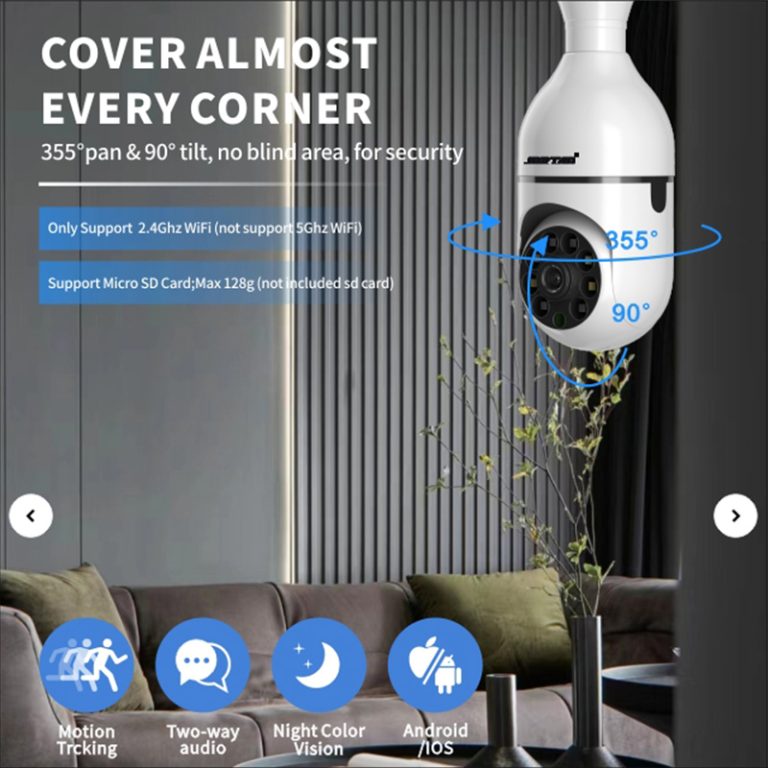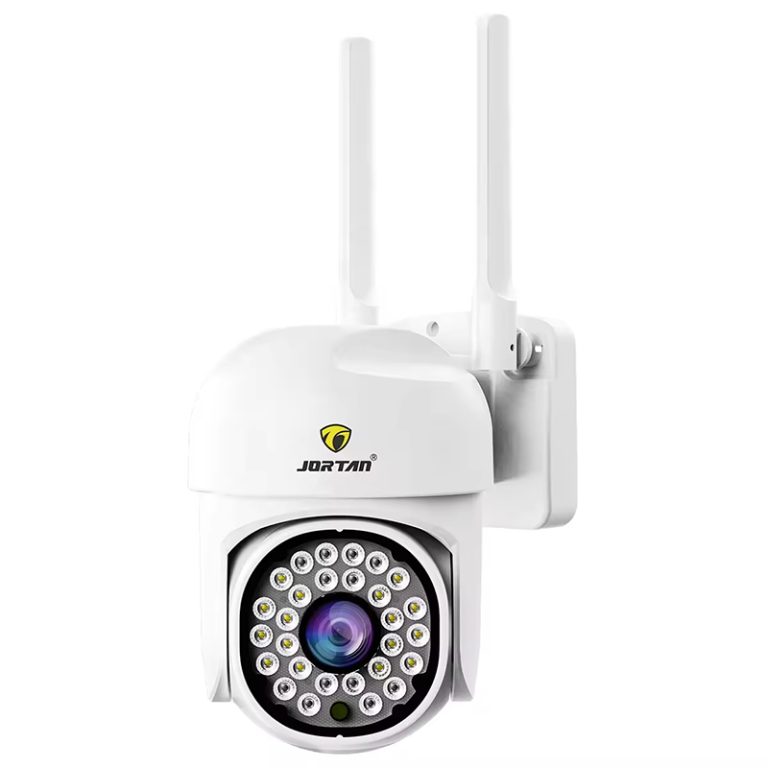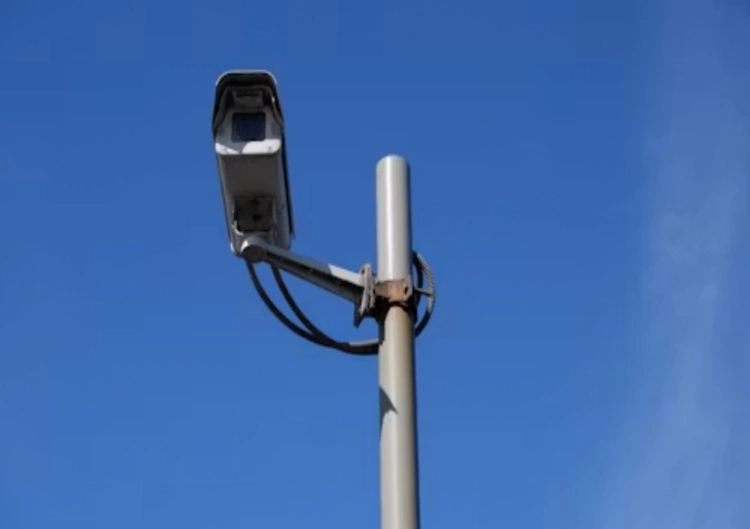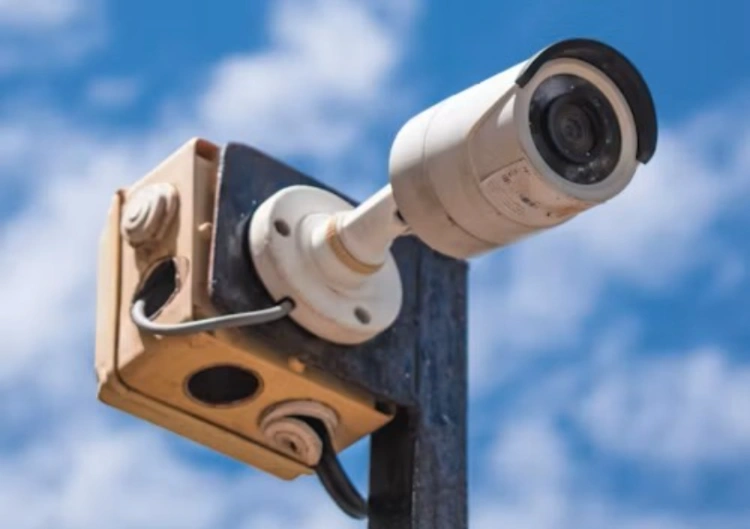
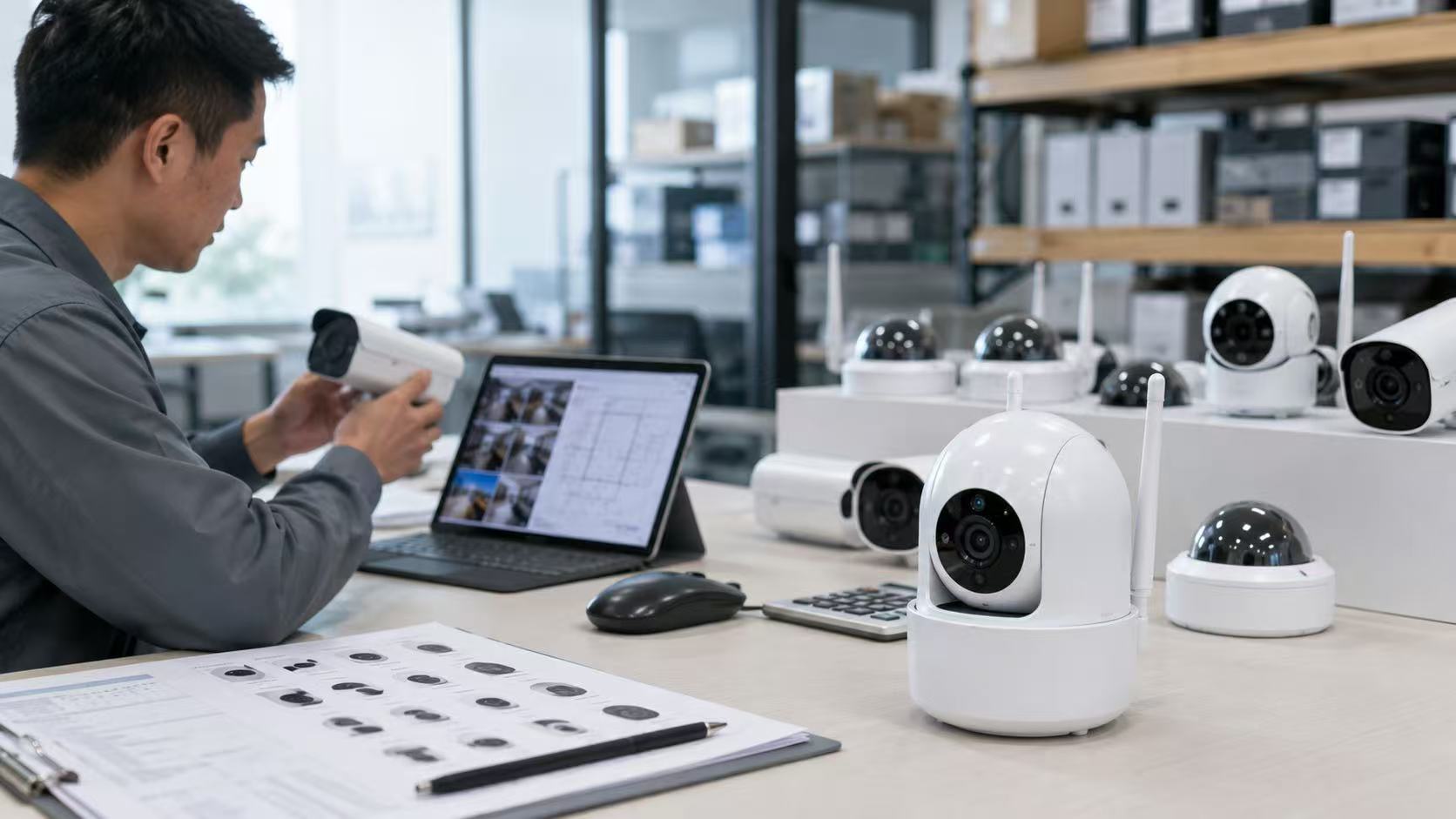
While the specifications of a WiFi IP camera may be easy to identify on a quotation sheet, putting the device to work at the site will reveal how different the two are. Image quality, connectivity, storage, app set-up, night vision, and installation considerations will determine how well the device functions post-delivery. The main challenge for consumers shopping for Jortan’s IP camera and the app camera lies in matching specifications with the site and channel.
Core WiFi IP Camera Specs That Shape Procurement Decisions
Resolution and image sensor performance
Resolution is usually the first spec people ask about. 2MP, 4MP, 5MP, or higher-definition options all have their place. A small indoor area may not need the same resolution as a loading entrance or outdoor gate.
Still, resolution alone does not decide image quality. Sensor size, low-light sensitivity, pixel structure, lens quality, frame rate, and compression all affect the final picture. A 4MP camera with a weak sensor may not look better than a lower-resolution model in poor lighting.
Lens options and field of view planning
The lens decides what the camera actually sees. A fixed lens is simple and suitable for standard indoor or small commercial use. A varifocal lens gives more room for adjustment. Motorized zoom or PTZ-style viewing is useful when the site needs flexible viewing angles.
Focal length matters. A wider lens covers more area but may lose detail at distance. A narrower lens gives better detail on a smaller zone. For example, an entrance may need clearer identification. A warehouse corner may need wider coverage. One lens cannot solve every scene.
Compression standards and bandwidth efficiency
Video compression affects both storage and network pressure. H.264 is still common. H.265 usually helps reduce bandwidth and storage load under similar image quality. For multi-camera projects, that difference matters.
Frame rate, bitrate, scene movement, and night image noise also change the actual data load. A busy store entrance or outdoor yard creates more video information than a quiet office corridor. If the buyer only checks resolution and ignores compression, storage and remote viewing problems may show up later.
Network and Wireless Performance in Real Project Environments
WiFi standards and signal stability
WiFi cameras are attractive because they reduce wiring work. But wireless performance depends on the site. Distance, walls, metal racks, routers, interference, and the number of connected devices all affect stability.
2.4GHz usually reaches farther and passes through walls better, while 5GHz may offer faster transmission at shorter range. The choice depends on the environment. A small shop and a warehouse with metal shelves should not be judged the same way.
Latency and video transmission consistency
Wireless instability does not always mean the camera goes offline. Sometimes live view becomes slow. Sometimes recording has gaps. Sometimes alerts arrive late. These small issues are enough to create complaints.
Before bulk ordering, samples should be tested in a similar signal environment. Test live view, recording, playback, app alerts, and reconnection after power or network interruption. A sample tested beside the router does not represent a real project.
Network security and remote access
WiFi IP cameras are connected devices, so access settings matter. Buyers should check password setup, user permissions, app sharing, encrypted access, and remote viewing behavior.
For enterprise, retail, and multi-site use, remote access should be practical but not careless. A weak setup process may create after-sales questions, especially when end users need several phones or team members to share access.
Storage, Recording, and System Integration Requirements
Edge storage and recording redundancy
Storage is not just a TF card slot. Buyers should confirm microSD support, recording mode, overwrite behavior, cloud options, and what happens when the network is interrupted.
Edge storage can be useful when WiFi is unstable. The camera keeps local footage even if remote viewing has a problem. For small shops or offices, this may be enough. For larger sites, local storage may need to work with NVR or cloud backup.
NVR, VMS, and platform compatibility
Some projects need more than app viewing. NVR compatibility, ONVIF support, and platform integration may matter for installers and system integrators. Mixed-brand environments are common, especially in upgrade projects.
A camera that works only in one closed app may be fine for home use, but less suitable for project buyers. For multi-camera deployment, compatibility reduces setup friction.
Cloud, remote access, and management
Cloud storage and remote management help distributed projects. A chain store buyer may need remote checking across several branches. A distributor may need easier troubleshooting. Remote firmware updates and app guidance can reduce service workload.
Hardware Durability and Installation Considerations
IP rating and environmental endurance
A WiFi IP Camera used indoors does not need the same housing as an outdoor model. For semi-exposed or outdoor areas, IP rating, heat resistance, cable sealing, bracket strength, and long-term stability become more important.
Parking areas, lobbies, warehouses, and outdoor access points all put different pressure on the camera. A buyer should not approve an outdoor camera only from the front photo.
Power options and installation flexibility
Power planning changes the real project cost. DC power is common for many WiFi models. Some hybrid projects may compare WiFi cameras with PoE or NVR kit options. Power cable length, adapter quality, installation height, and nearby socket location all affect the final setup.
If the project site has weak power access, buyers should discuss the installation route before confirming the model.
Mounting design and form factor selection
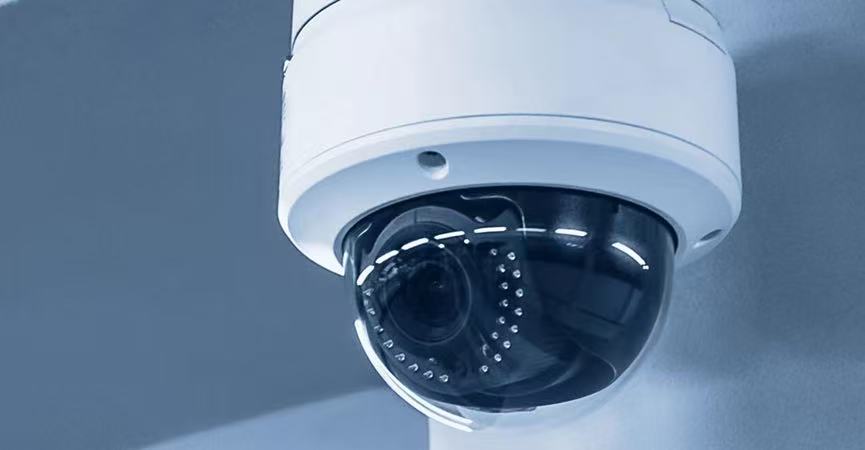
Bullet, dome, turret, PTZ, and compact body styles all work differently. Dome cameras look cleaner indoors. Bullet cameras are more visible outdoors. PTZ models support wider viewing flexibility but need stronger bracket planning.
Form factor is not only about appearance. It affects viewing angle, maintenance, tamper resistance, and how easily installers can adjust the camera after mounting.
Smart Functions That Influence Project Value
Motion, human, and vehicle detection
Basic motion alerts may trigger too often in real sites. Human detection or vehicle detection can help reduce unnecessary alerts, especially in outdoor areas with trees, rain, insects, or passing shadows.
For B2B procurement, broad AI wording is not enough. Buyers should test what the function actually detects, how fast alerts arrive, and whether the feature stays stable at night.
Audio, alarm, and two-way communication
Built-in microphone, speaker, siren, two-way audio, and alarm functions add value in shops, gates, storage rooms, and small commercial sites. They are useful when users need to speak through the camera or react quickly.
Still, audio quality must be tested. Weak speakers, delayed app response, or unclear sound may turn into after-sales issues.
AI features and edge processing
Edge AI can help filter events before sending alerts or video data. This is useful when bandwidth is limited or when many cameras are installed. But buyers should not rely only on the AI label. Confirm whether the camera supports human detection, vehicle detection, tracking, or only basic motion alerts.
Jortan’s OEM/ODM service supports logo, packaging, product appearance, mold opening, and APP customization, which can help private-label buyers shape WiFi IP Camera Specs around market requirements rather than only standard stock models.
How Distributors and Project Buyers Can Evaluate a Camera Supplier
Product line consistency and specification transparency
A good supplier should offer clear model segmentation, stable datasheets, consistent firmware naming, and repeat-order configuration. If the same SKU changes sensor, lens, app behavior, or packaging without notice, channel buyers take the complaint.
This is one reason unit price alone is risky. Lower price is not helpful if the supplier cannot keep specs stable across batches.
Quality assurance and service support
Buyers should ask about sample testing, production inspection, app testing, night image checks, packaging review, and defect handling. For larger orders, supplier response after shipment matters just as much as pre-sales speed.
For WiFi IP Camera projects, after-sales usually relates to pairing, playback, storage, reset steps, firmware, power adapters, and accessories. These should be discussed before production, not after complaints arrive.
FAQ
Q1: What WiFi IP Camera Specs should buyers confirm before procurement?
A1: Buyers should confirm resolution, sensor, lens, field of view, WiFi band, night vision, WDR, compression, storage, app support, power supply, mounting method, IP rating, MOQ, packaging, lead time, and warranty. Samples should be tested in a real-like site before bulk orders.
Q2: Can WiFi IP cameras support OEM or private label customization?
A2: Yes. Buyers can usually request logo, color box, manual language, carton labels, model grouping, app-related requirements, and sometimes deeper appearance or feature customization. MOQ, sample time, packaging design, and repeat-order configuration should be confirmed early.
Q3: How should installation, maintenance, and after-sales be planned?
A3: Buyers should prepare setup guides, app instructions, reset steps, spare adapters, mounting accessories, firmware support, and defect replacement rules. During sample testing, check WiFi pairing, live view, night image, storage playback, alert response, and reconnection after power or network interruption.