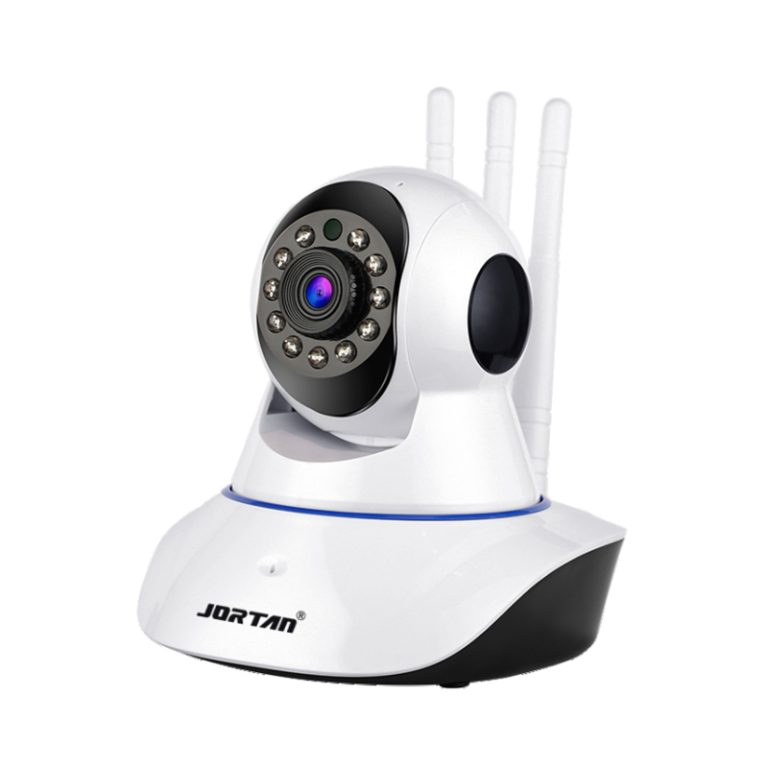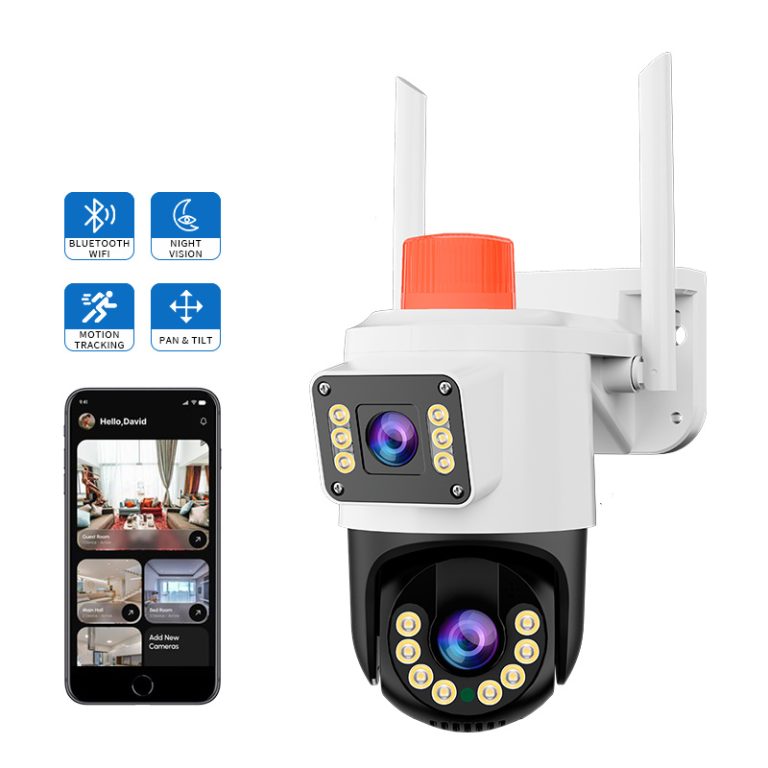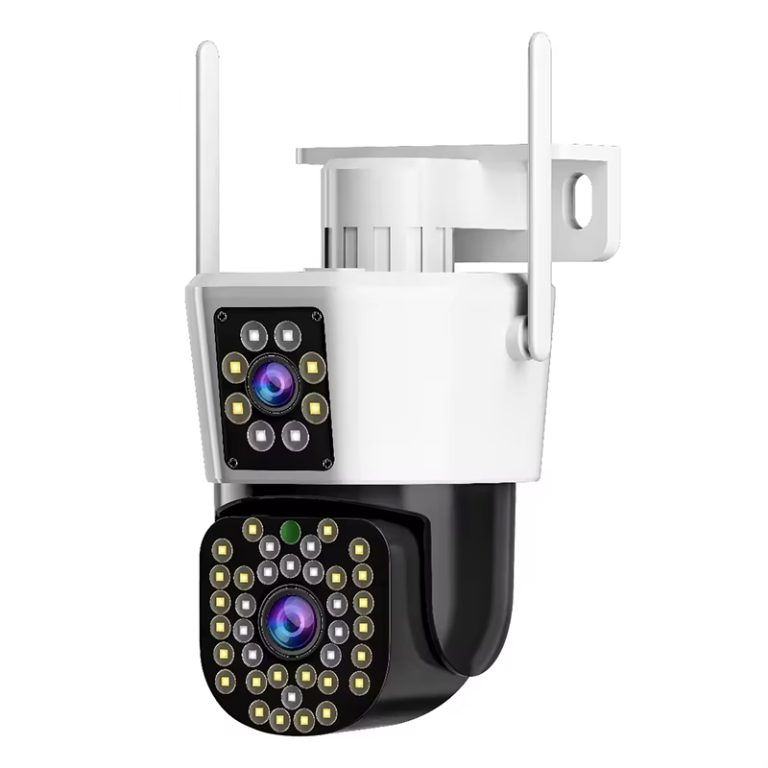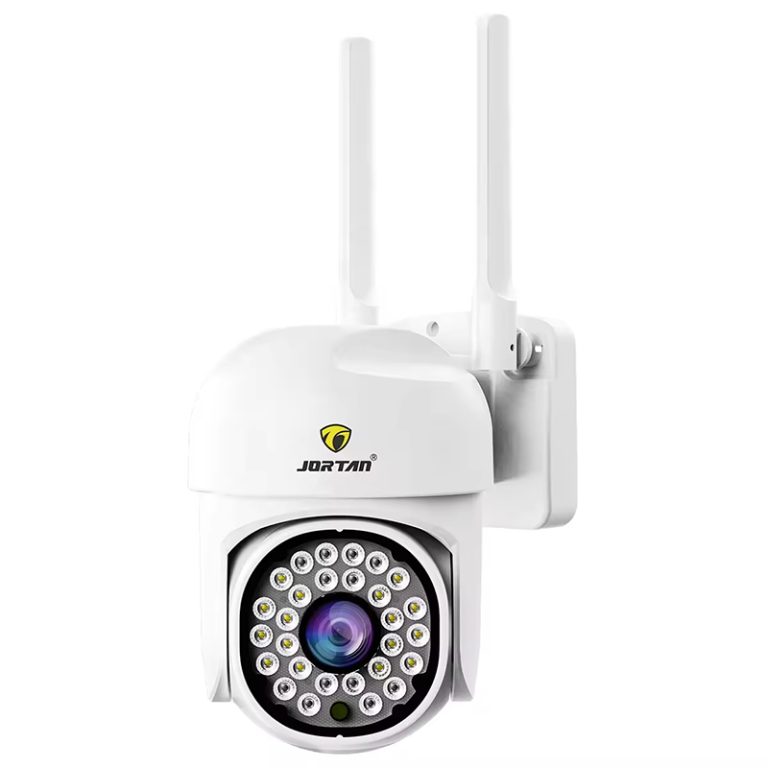
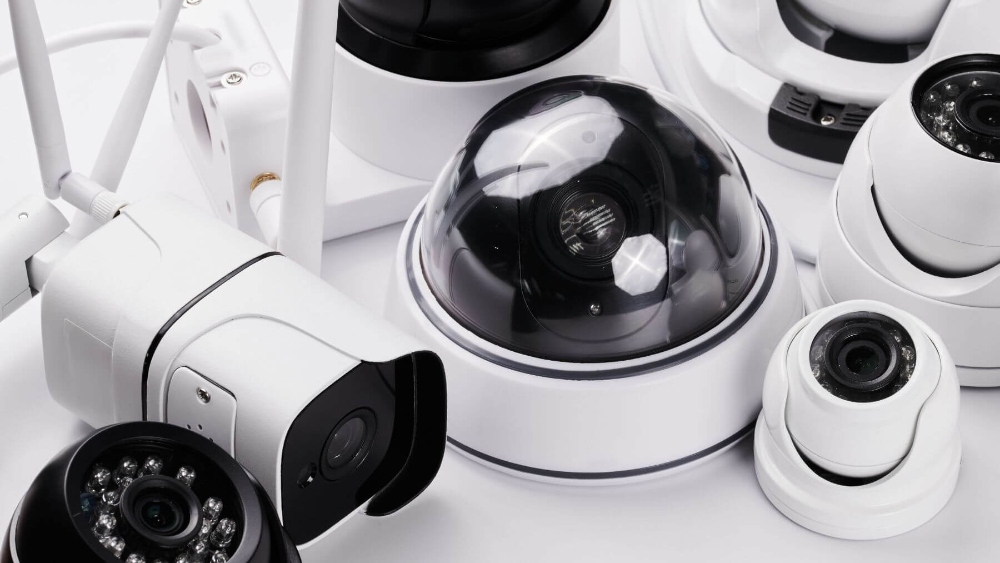
caméra de sécurité Les options ne fonctionnent pas toutes de la même manière. Un kit de surveillance désigne généralement un système de surveillance complet, tandis qu'une caméra solaire privilégie l'alimentation hors réseau et qu'une caméra IP met l'accent sur la transmission vidéo via le réseau. Comprendre ces différences aide les propriétaires à choisir une configuration adaptée à leurs sources d'alimentation, à leurs besoins de couverture et à l'emplacement souhaité.
Comprendre les différents types de systèmes de caméras de sécurité
Le secteur de la vidéosurveillance a connu une évolution rapide, offrant des solutions variées adaptées à différents contextes et besoins pratiques. Des systèmes de surveillance intégrés aux caméras solaires autonomes en passant par les configurations sophistiquées de caméras IP, chaque catégorie présente des avantages spécifiques pour des usages particuliers.
Aperçu des solutions de surveillance modernes
Les outils de sécurité actuels incluent des systèmes hybrides qui combinent matériel, logiciel et connexion au cloud. Les solutions de surveillance offrent des configurations complètes et une gestion unifiée, tandis que les caméras solaires garantissent une autonomie énergétique idéale pour les sites isolés. À l'inverse, les caméras IP utilisent une connexion réseau pour fournir des images nettes et une analyse poussée.
Facteurs clés dans le choix d'un système de caméras de sécurité
Au moment de choisir entre un système de surveillance, une caméra solaire ou une caméra IP, il est important d'évaluer la disponibilité de l'alimentation électrique, le mode de connexion, la capacité de stockage et les possibilités d'extension. La localisation (ville ou agglomération) est également un facteur déterminant. Trouver le bon équilibre entre prix et performance garantit une fiabilité durable sans compromettre la couverture ni les normes de qualité.
Pack de surveillance : Solutions de surveillance intégrées
Complet paquets de surveillance Elle demeure une option privilégiée pour les groupes ayant besoin d'une supervision unifiée et d'une fiabilité de niveau expert.
Contenu d'un forfait de surveillance
Un système de surveillance standard regroupe plusieurs caméras, des enregistreurs vidéo (NVR ou DVR) et permet généralement l'accès à des services de supervision via des sites sécurisés. Ces systèmes peuvent également inclure une installation réalisée par des techniciens qualifiés et une assistance technique continue pour garantir leur bon fonctionnement.
Avantages de l'utilisation d'un logiciel de surveillance
Les systèmes de surveillance simplifiés fournissent des composants prêts à l'emploi, conçus pour fonctionner de manière optimale. Ils offrent une couverture de surveillance fiable, assurée par des équipes de service dédiées ; la solution idéale pour les grands sites tels que les entrepôts ou les établissements scolaires nécessitant une surveillance continue.
Limitations à prendre en compte dans les packages de surveillance
Cependant, ces solutions peuvent engendrer des frais d'abonnement plus élevés pour les services de supervision spécialisés. Elles peuvent également restreindre les possibilités de modification lors de l'ajout de dispositifs ou de logiciels externes. De plus, leur dépendance à l'égard des infrastructures de réseau fixes peut les rendre moins adaptées aux zones dépourvues de réseau électrique.
Caméras solaires : une technologie de surveillance durable
Les caméras de sécurité alimentées à l'énergie solaire ont transformé les pratiques de surveillance à distance en alliant méthodes écologiques et affranchissement des installations conventionnelles.
Comment fonctionnent les caméras solaires
Les caméras solaires utilisent des panneaux solaires pour produire de l'énergie et la stocker dans des batteries internes, assurant ainsi un fonctionnement continu la nuit ou par temps couvert. De nombreux modèles sont sans fil et permettent un accès à distance via des applications mobiles ou des portails cloud.
La popularité des caméras de surveillance à cellules solaires basse consommation s'explique principalement par leur capacité à résoudre les problèmes d'installation des outils de surveillance conventionnels dans les régions reculées ou les zones dépourvues d'infrastructures, tout en s'inscrivant dans une démarche d'économie d'énergie, de respect de l'environnement et d'intelligence technologique.
Avantages des caméras de sécurité à énergie solaire
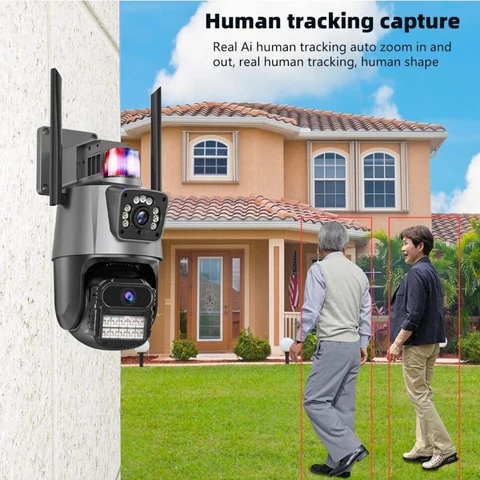
Ces solutions s'avèrent particulièrement adaptées aux lieux dépourvus d'électricité, comme les ranchs ou les chantiers de construction, où le câblage est impossible. L'énergie solaire permet d'éviter les câblages et convient parfaitement aux cours de campagne, aux bosquets, aux prairies, aux zones de construction, aux collines isolées et autres sites dépourvus d'un accès fiable à l'électricité.
Leur conception respectueuse de l'environnement permet de réduire progressivement les coûts d'exploitation tout en contribuant à la neutralité carbone. Une seule unité réduit les émissions de carbone de 1,2 tonne par an, ce qui correspond aux objectifs de neutralité carbone de la ville.
Inconvénients potentiels des caméras solaires
Bien qu'elles présentent des avantages indéniables, les caméras solaires dépendent fortement de l'ensoleillement. Leur rendement peut diminuer lors de périodes nuageuses prolongées. L'usure de la batterie au fil des ans peut affecter la stabilité et limiter les options d'enregistrement haute définition lorsque l'énergie vient à manquer.
Caméras IP : systèmes de surveillance en réseau
caméra IP Ces solutions constituent le choix le plus adaptable en matière de solutions de sécurité actuelles grâce à leur utilisation de réseaux numériques plutôt que de systèmes câblés obsolètes.
Caractéristiques principales des caméras IP
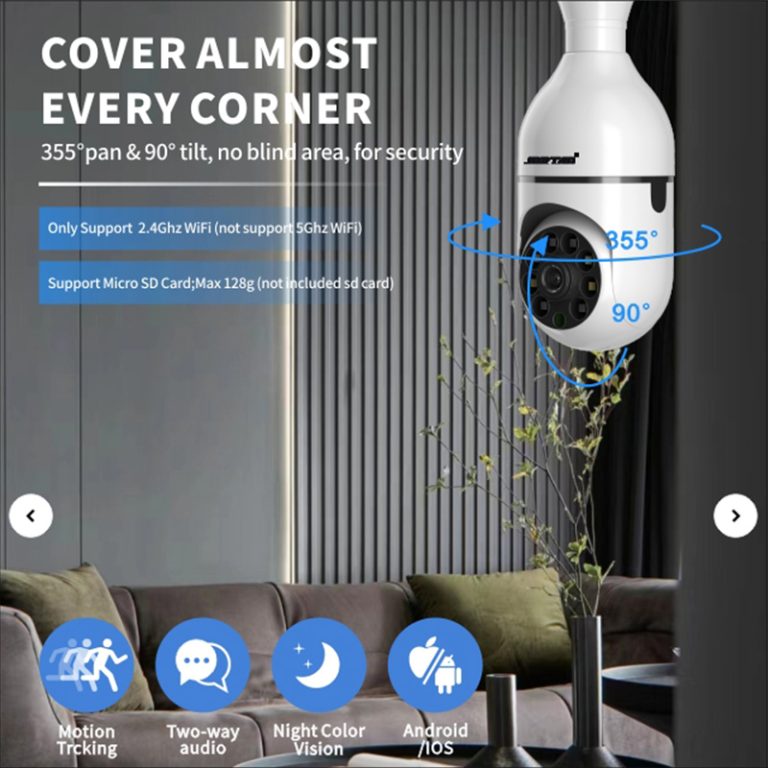
Ces appareils transmettent des informations vidéo sur les réseaux IP via Ethernet câblé ou liaison sans fil. Ils prennent généralement en charge les flux vidéo HD ou 4K ainsi que des fonctionnalités telles que la détection de mouvement et la communication bidirectionnelle via des interfaces téléphoniques.
Avantages de la mise en œuvre de systèmes de caméras IP
Les caméras IP offrent une netteté d'image exceptionnelle grâce à des techniques de traitement numérique permettant un agrandissement sans perte de détails. Leur architecture évolutive facilite leur déploiement sur de nombreux sites tout en assurant une supervision unifiée. Des normes de codage sophistiquées renforcent la protection des données grâce à des processus de vérification multicouches.
Défis liés aux caméras IP
Ces configurations nécessitent une connexion internet stable pour un fonctionnement optimal. Les interruptions de connexion peuvent impacter les flux en direct ou les performances du cloud. De plus, le stockage de grandes quantités d'enregistrements haute définition peut augmenter la consommation de bande passante et les coûts de stockage si elles ne sont pas correctement ajustées.
Analyse comparative : Kit de surveillance vs. Caméra solaire vs. Caméra IP
Le choix entre ces trois types repose principalement sur des facteurs liés au site et des objectifs pratiques, plutôt que sur une simple préférence technologique.
| Point de comparaison | Pack de surveillance |
Caméra solaire |
caméra IP |
| Principal axe de décision | Idéal lorsque la gestion centralisée et le contrôle stable de plusieurs caméras sont primordiaux. | Idéal lorsque l'alimentation électrique est limitée ou que le câblage est difficile. | Idéal lorsque la flexibilité du réseau, l'accès à distance et l'intégration intelligente sont des priorités. |
| Logique de connexion | Cela dépend généralement de liaisons système fixes ou de plateformes de surveillance dédiées. | Utilise souvent les réseaux mobiles tels que la 4G/5G pour l'accès à distance dans les zones non couvertes par le réseau. | Utilise les protocoles réseau via Ethernet, Wi-Fi, PoE ou d'autres connexions Internet. |
| Flexibilité de l'installation | Moins flexible car les caméras, les enregistreurs et les systèmes de contrôle sont généralement planifiés ensemble. | Très flexible dans les espaces extérieurs ouverts, notamment là où les câbles électriques sont indisponibles. | Adapté à une utilisation intérieure et extérieure, mais ses performances dépendent de la qualité du réseau. |
| Modèle de coûts | Peut impliquer des coûts d'installation plus élevés et d'éventuels frais de service ou de surveillance. | Il présente généralement un coût initial de matériel plus élevé, mais une moindre dépendance à l'égard du réseau électrique. | Il se situe souvent dans la moyenne, les coûts étant liés à la qualité de l'appareil, à la configuration du réseau et aux besoins de stockage. |
| Gestion à long terme | Plus simple pour les utilisateurs qui souhaitent un système unifié avec un support professionnel. | Nécessite une attention particulière à l'exposition au soleil, à l'état de la batterie et à la puissance du signal mobile. | Nécessite une connexion internet stable, un espace de stockage adéquat et des mises à jour régulières de la sécurité logicielle. |
Tendances futures de la technologie des caméras de sécurité
Les tendances ascendantes révèlent un mélange ferme entre IA, Le traitement dans le cloud et les applications d'énergie verte sont désormais disponibles pour tous types de caméras. L'analyse pilotée par l'IA améliore la précision de la détection de mouvement et de la reconnaissance faciale tout en réduisant les fausses alertes — un point crucial pour les fabricants du monde entier, qui visent un taux de faux positifs inférieur à 1 % dans les prochaines versions. La mise à jour technologique de 2026 se concentrera sur des avancées majeures en matière d'autonomie de la batterie par temps de pluie et sur la réduction des taux de fausses alarmes de l'IA.
Parallèlement, les économies d'énergie jouent un rôle essentiel, les plans mixtes associant l'énergie solaire à des outils de réseau intelligents pour garantir un fonctionnement continu même dans des conditions de site difficiles.
FAQ
Q1 : Qu'est-ce qui rend les caméras solaires plus durables que les modèles filaires traditionnels ?
A1 : Les caméras solaires fonctionnent de manière autonome grâce à l’énergie renouvelable produite par des panneaux photovoltaïques. En moyenne, 4 heures d’ensoleillement par jour suffisent pour 15 jours de fonctionnement par temps pluvieux ou nuageux. Cela permet de réduire les coûts d’électricité tout en contribuant à des initiatives écologiques telles que la réduction des émissions de carbone.
Q2 : Les kits de surveillance sont-ils adaptés à une utilisation résidentielle à petite échelle ?
A2 : Bien que principalement conçues pour des applications commerciales nécessitant une supervision constante, des versions réduites peuvent servir les utilisateurs résidentiels qui préfèrent des solutions clés en main avec une installation professionnelle et des fonctionnalités de gestion centralisée.
Q3 : Quel système offre le meilleur équilibre entre flexibilité et performance ?
A3 : Pour la plupart des utilisateurs modernes recherchant une solution évolutive intégrant l’intelligence numérique, un système de caméras IP tel que Jordanie’s Les caméras intelligentes offrent une combinaison optimale d'imagerie haute définition, d'accessibilité à distance et de compatibilité avec les écosystèmes domotiques.