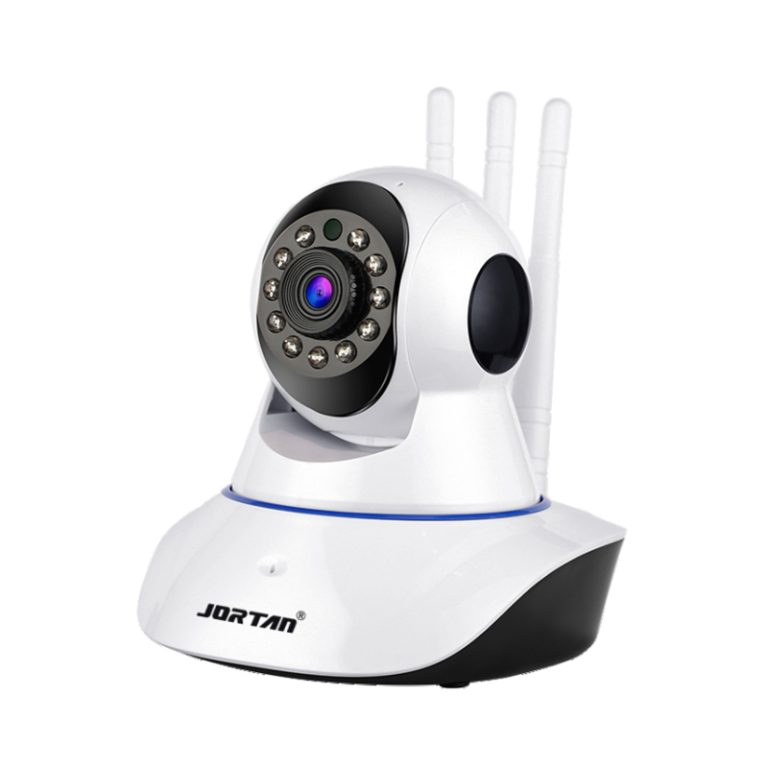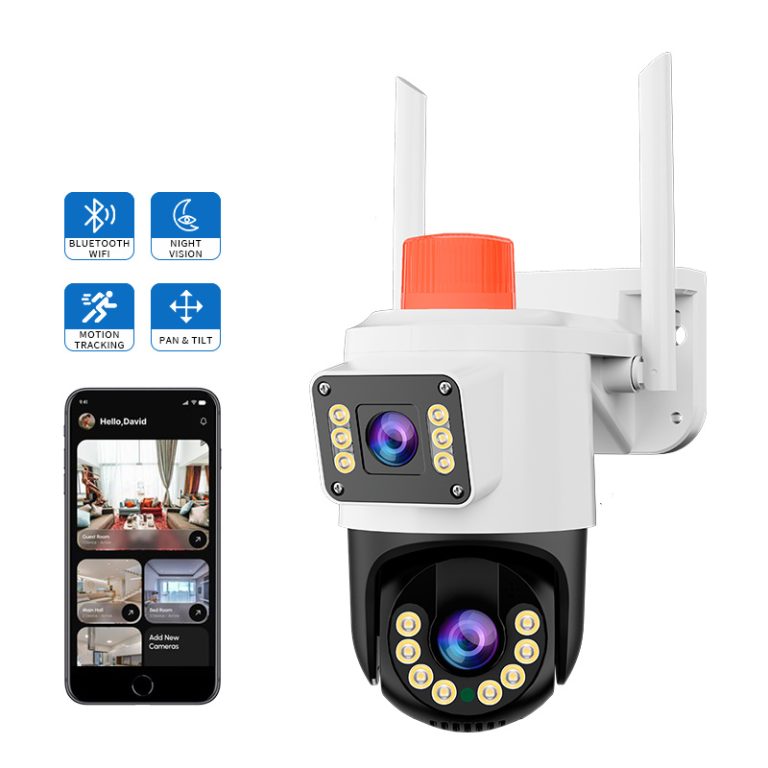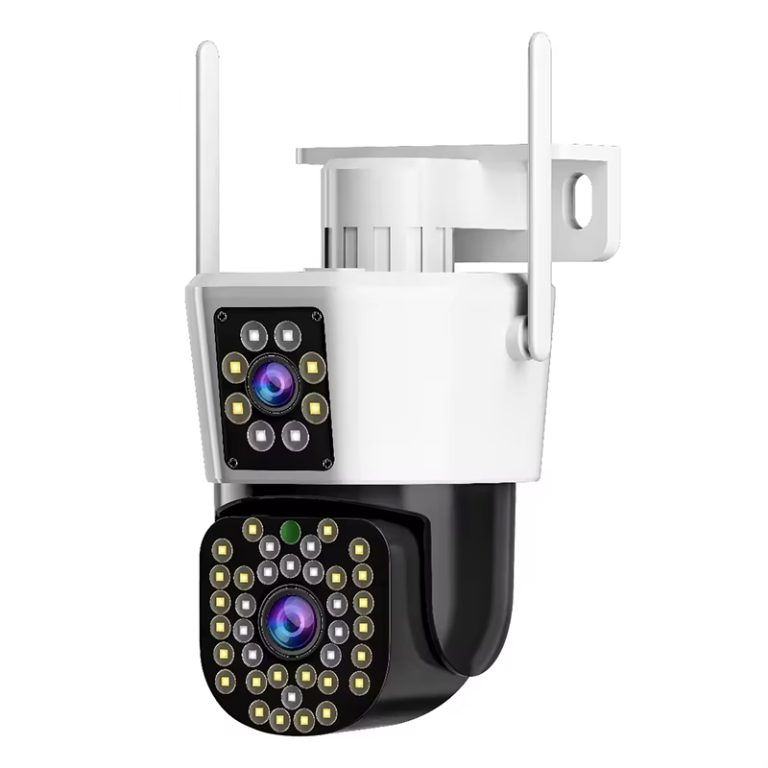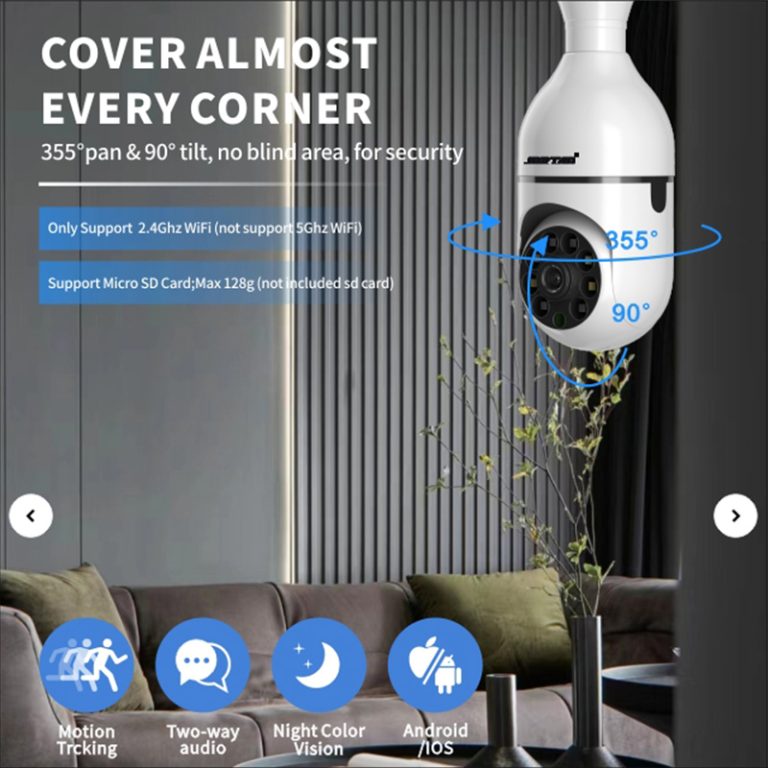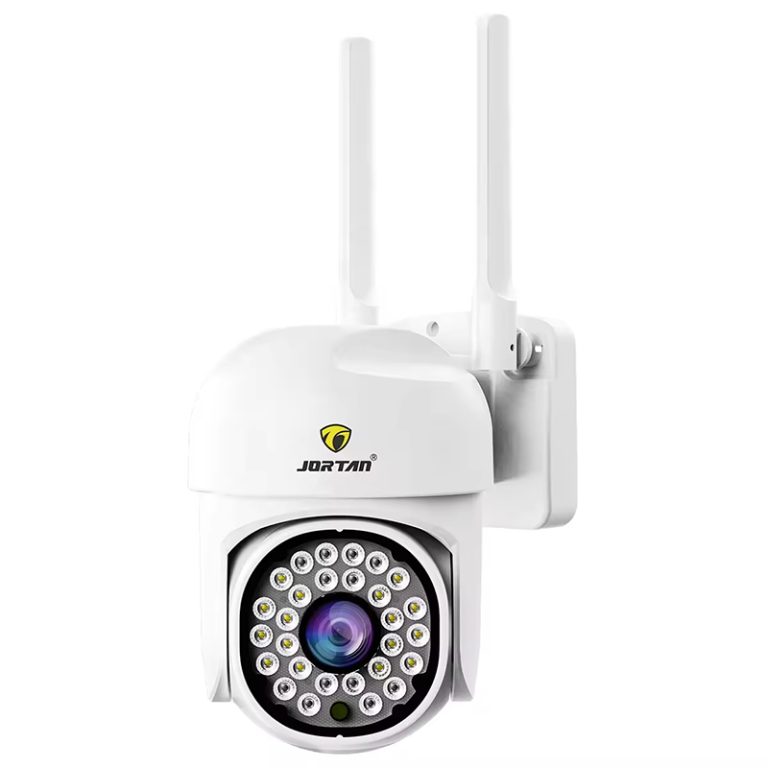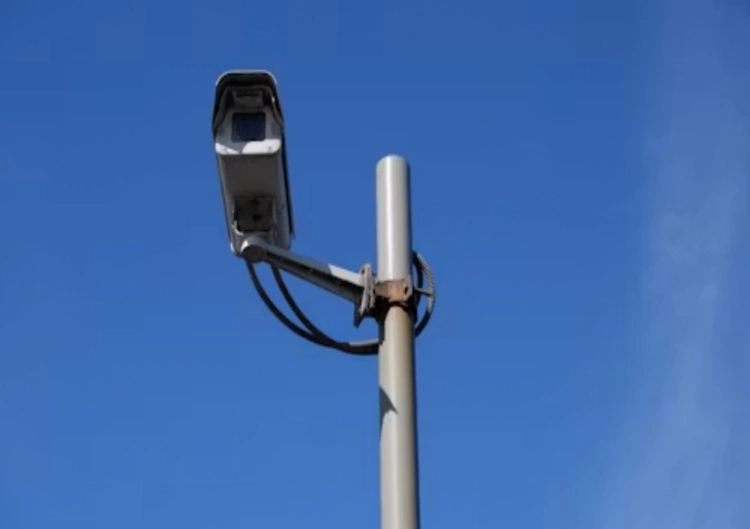
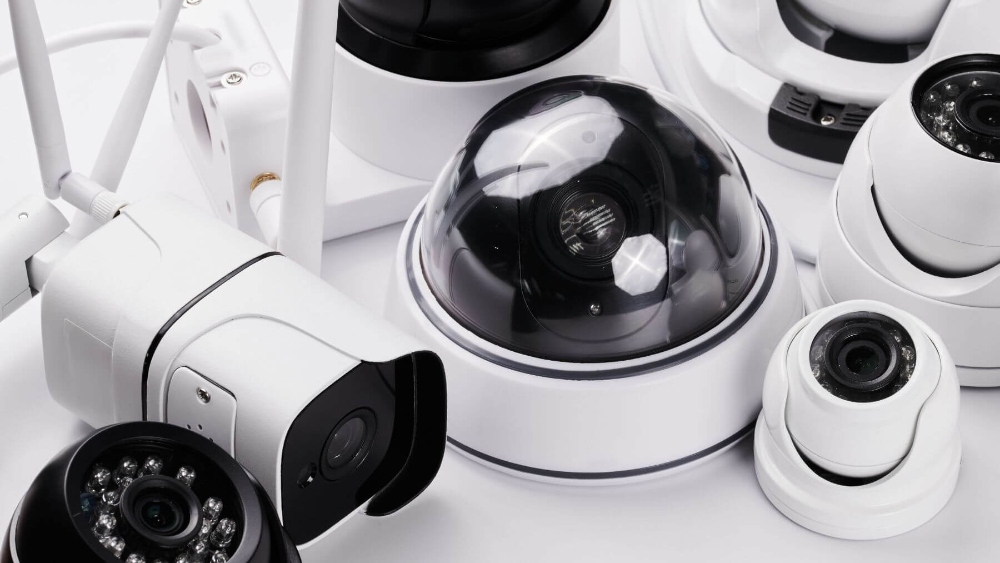
Cámara de seguridad No todas las opciones funcionan igual. Un paquete de monitoreo generalmente se refiere a un sistema de vigilancia completo, mientras que una cámara solar destaca la energía fuera de la red eléctrica y una cámara IP enfatiza la transmisión de video en red. Comprender estas diferencias ayuda a los propietarios a seleccionar una configuración que se ajuste a sus fuentes de energía, requisitos de cobertura y ubicación.
Comprender los diferentes tipos de sistemas de cámaras de seguridad
El sector de la videovigilancia ha experimentado un rápido avance, ofreciendo diversas opciones para distintos entornos y necesidades prácticas. Desde paquetes de monitorización integrados hasta cámaras solares autónomas y sofisticados sistemas de cámaras IP, cada categoría ofrece ventajas específicas para usos concretos.
Descripción general de las soluciones de vigilancia modernas
Las herramientas de seguridad actuales incluyen sistemas híbridos que combinan hardware, software y conexiones en la nube. Los paquetes de monitoreo ofrecen configuraciones completas con gestión unificada, mientras que las cámaras solares brindan autosuficiencia energética, ideal para ubicaciones remotas. Por el contrario, las cámaras IP utilizan enlaces de red para proporcionar imágenes nítidas y análisis inteligentes.
Factores clave para elegir un sistema de cámaras de seguridad
Al elegir entre un sistema de monitoreo, una cámara solar o una cámara IP, es importante evaluar la disponibilidad de energía, el método de conexión, la capacidad de almacenamiento y el potencial de expansión. La ubicación (pueblo o ciudad) también influye en la elección ideal. Equilibrar la asequibilidad con la eficacia garantiza una estabilidad duradera sin sacrificar la cobertura ni la calidad.
Paquete de monitorización: Soluciones de vigilancia integradas
Exhaustivo paquetes de monitoreo Seguir siendo una opción preferida para grupos que necesitan supervisión unificada y fiabilidad a nivel experto.
Qué incluye un paquete de monitoreo
Un paquete de monitoreo estándar integra varias cámaras, unidades de grabación como NVR o DVR, y suele otorgar acceso a los servicios de supervisión a través de sitios protegidos. Estos sistemas también pueden incluir instalación profesional y asistencia técnica continua para garantizar su correcto funcionamiento.
Ventajas de utilizar un paquete de monitorización
Los paquetes de monitoreo facilitan la instalación al proporcionar componentes listos para usar, diseñados para funcionar sin problemas como una unidad. Ofrecen un sistema de vigilancia confiable supervisado por equipos de servicio especializados, ideal para espacios amplios como almacenes o recintos escolares que requieren atención constante.
Limitaciones a considerar en los paquetes de monitorización
Sin embargo, estos sistemas podrían implicar tarifas de suscripción más elevadas para los servicios de supervisión especializada. Además, podrían restringir aún más las opciones de modificación al añadir dispositivos o programas externos. Por otra parte, la dependencia de infraestructuras de red sólidas puede hacerlos menos adecuados para zonas sin acceso a la red eléctrica.
Cámaras solares: tecnología de vigilancia sostenible
Las cámaras de seguridad alimentadas por energía solar han transformado las prácticas de supervisión remota al combinar métodos ecológicos con la libertad de no depender de las configuraciones convencionales.
Cómo funcionan las cámaras solares
Las cámaras solares utilizan paneles solares para generar energía y almacenarla en baterías internas, lo que les permite funcionar de forma continua durante la noche o en días nublados. Existen numerosos modelos inalámbricos que permiten el acceso remoto mediante aplicaciones móviles o portales en la nube.
La principal razón por la que las cámaras de vigilancia con células solares de bajo consumo gozan de tanta popularidad radica en que resuelven los problemas de instalación de las herramientas de vigilancia convencionales en regiones remotas o zonas sin infraestructura, al tiempo que se ajustan a las tendencias de ahorro energético, cuidado del medio ambiente e innovación tecnológica.
Ventajas de las cámaras de seguridad con energía solar
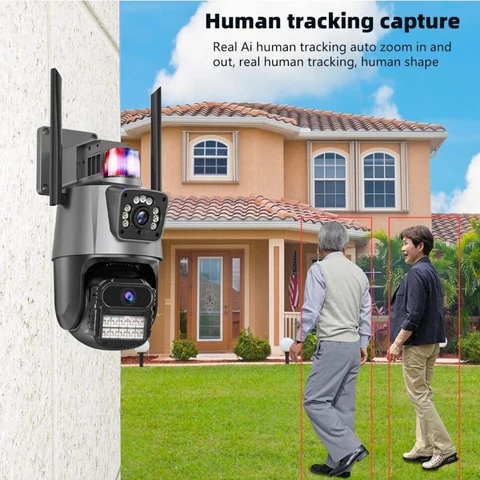
Estas soluciones resultan especialmente adecuadas para lugares sin suministro eléctrico, como ranchos o zonas de construcción, donde la instalación de cableado es inviable. La energía solar evita el cableado y las conexiones eléctricas, y es ideal para patios rurales, arboledas, prados, zonas de construcción, colinas aisladas y otros entornos sin acceso a energía eléctrica fiable.
Su estructura respetuosa con el medio ambiente reduce gradualmente los gastos operativos a la vez que contribuye a alcanzar los objetivos de neutralidad de carbono. Una sola unidad reduce las emisiones de carbono en 1,2 toneladas anuales, lo que coincide con los objetivos de neutralidad de carbono de la ciudad.
Posibles inconvenientes de las cámaras solares
Si bien las cámaras solares tienen ventajas importantes, dependen en gran medida de la exposición al sol. Su rendimiento puede disminuir durante períodos prolongados de nubosidad. El desgaste de la batería con el paso de los años puede afectar la estabilidad y limitar las opciones de grabación de alta resolución cuando la energía escasea.
Cámaras IP: Sistemas de vigilancia basados en red
cámara IP Estos sistemas representan la opción más adaptable en soluciones de seguridad actuales debido a que utilizan redes digitales en lugar de sistemas de cable obsoletos.
Características principales de las cámaras IP
Estas unidades transmiten información de vídeo a través de redes de protocolo de Internet mediante conexiones Ethernet cableadas o inalámbricas. Suelen admitir flujos de vídeo HD o 4K, además de funciones como detección de movimiento y comunicación bidireccional a través de interfaces telefónicas.
Ventajas de implementar sistemas de cámaras IP
Las cámaras IP ofrecen una nitidez de imagen excepcional gracias a su procesamiento digital, que permite ampliar la imagen sin pérdida de detalle. Su estructura escalable facilita la expansión a múltiples ubicaciones, manteniendo una gestión unificada. Los avanzados estándares de codificación refuerzan la protección de datos mediante procesos de verificación por capas.
Desafíos asociados con las cámaras IP
Estos sistemas requieren conexiones a internet estables para un funcionamiento continuo. Las interrupciones en la conexión pueden afectar las transmisiones en directo o el almacenamiento en la nube. Además, almacenar grandes cantidades de grabaciones de alta resolución puede aumentar el consumo de ancho de banda y los costes de almacenamiento si no se gestiona adecuadamente.
Análisis comparativo: Paquete de monitoreo vs. Cámara solar vs. Cámara IP
La elección entre estos tres tipos depende principalmente de factores relacionados con el emplazamiento y objetivos prácticos, más que de una mera preferencia tecnológica.
| Punto de comparación | Paquete de monitoreo |
Cámara solar |
cámara IP |
| Enfoque principal de la decisión | Resulta óptimo cuando la gestión centralizada y el control estable de múltiples cámaras son primordiales. | Resulta más adecuado cuando el suministro eléctrico es limitado o el cableado es complicado. | Resulta óptimo cuando la flexibilidad de la red, el acceso remoto y la integración inteligente son prioridades. |
| Lógica de conexión | Por lo general, depende de enlaces de sistema fijos o plataformas de monitorización dedicadas. | Con frecuencia utiliza redes móviles como 4G/5G para el acceso remoto en zonas sin acceso a la red eléctrica. | Utiliza protocolos de red a través de Ethernet, Wi-Fi, PoE u otras conexiones basadas en internet. |
| Flexibilidad de instalación | Es menos flexible porque las cámaras, las grabadoras y los sistemas de control suelen planificarse conjuntamente. | Muy flexible en espacios exteriores abiertos, especialmente donde no hay cables eléctricos disponibles. | Es flexible y apto tanto para uso en interiores como en exteriores, pero su rendimiento depende de la calidad de la red. |
| Patrón de costos | Puede implicar mayores costos de instalación y posibles tarifas de servicio o monitoreo. | Por lo general, tiene un costo inicial de hardware más elevado, pero una menor dependencia de la red eléctrica. | Suele situarse en un punto intermedio, con costes ligados a la calidad del dispositivo, la configuración de la red y las necesidades de almacenamiento. |
| Gestión a largo plazo | Más sencillo para los usuarios que desean un sistema unificado con soporte profesional. | Requiere prestar atención a la exposición a la luz solar, el estado de la batería y la intensidad de la señal móvil. | Requiere conexión a internet estable, planificación del almacenamiento y actualizaciones periódicas de seguridad del software. |
Tendencias futuras en la tecnología de cámaras de seguridad
Los patrones ascendentes revelan una sólida fusión entre AI, Procesamiento en la nube y aplicaciones de energía verde para todo tipo de cámaras. El análisis basado en IA mejora la precisión en la detección de movimiento y la identificación facial, al tiempo que reduce las falsas alarmas, un aspecto clave para los fabricantes a nivel mundial, que buscan alcanzar niveles de falsos positivos inferiores al 1 % en las próximas versiones. La actualización tecnológica de 2026 se centrará en mejoras en la duración de la batería en condiciones de lluvia y en el control de las tasas de falsas alarmas de la IA.
Mientras tanto, el ahorro energético desempeña un papel fundamental, ya que los planes combinados unen la energía solar con herramientas de red inteligentes para garantizar un funcionamiento ininterrumpido incluso en condiciones difíciles.
Preguntas frecuentes
P1: ¿Qué hace que las cámaras solares sean más sostenibles en comparación con los modelos tradicionales con cable?
A1: Las cámaras solares funcionan de forma independiente utilizando energía renovable generada por paneles fotovoltaicos. Un promedio de 4 horas de sol al día permiten su funcionamiento durante 15 días, incluso en días lluviosos o nublados. Esto elimina los costos de electricidad y, al mismo tiempo, apoya iniciativas ecológicas como la reducción de las emisiones de carbono.
P2: ¿Son los paquetes de monitoreo adecuados para uso residencial a pequeña escala?
A2: Si bien están diseñadas principalmente para aplicaciones comerciales que requieren supervisión constante, las versiones reducidas pueden servir a usuarios residenciales que prefieren soluciones llave en mano con configuración profesional y funciones de administración centralizada.
P3: ¿Qué sistema ofrece el mejor equilibrio entre flexibilidad y rendimiento?
A3: Para la mayoría de los usuarios modernos que buscan escalabilidad con integración de inteligencia digital, un sistema de cámara IP como Jordán's Las cámaras inteligentes ofrecen una combinación óptima de imágenes de alta definición, acceso remoto y compatibilidad con los ecosistemas del hogar inteligente.