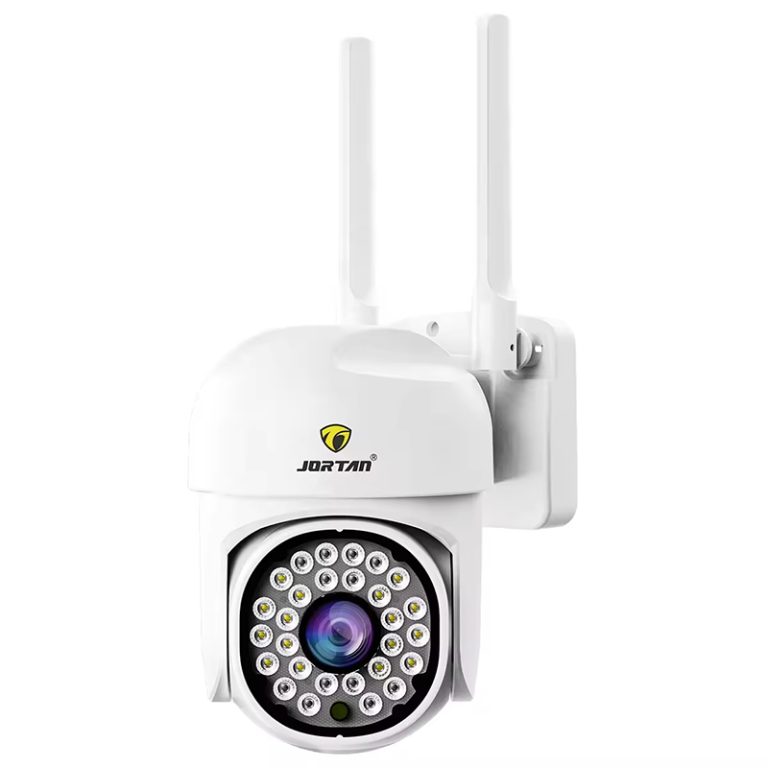
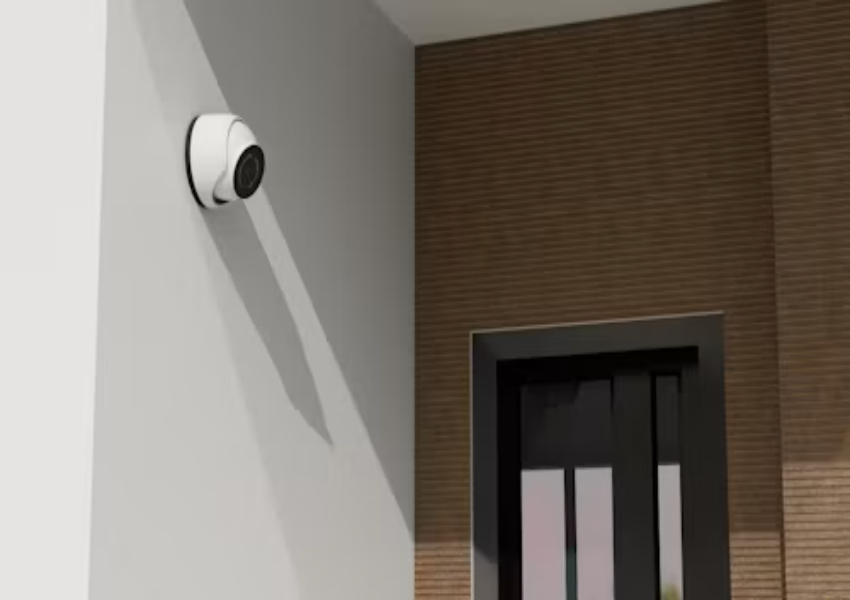
One noisy loading bay can generate a surprising amount of waste. Rain hits a lens, headlights sweep across a wall, a delivery van arrives before sunrise, and the operations phone begins to vibrate. Each alert takes someone away from a real task. After enough false calls, staff become slower to react, monitoring teams spend their shift sorting clips, and a genuine incident can arrive in the middle of alert fatigue. That is why false alarm reduction belongs in the security budget, not only in the camera specification. An AI tracking camera can help hold a relevant subject in view and make a busy scene easier to review, but it is not a promise that every alert will be right. For B2B buyers, the useful work starts with the source of nuisance alerts, the evidence needed after an event, and the limits of the selected model, app, network, and review process.
Price The Cost Of A False Alert Before Selecting A Camera
A business security camera is often compared by resolution, night image, and unit price. Those checks still matter. Yet a system that sends too many weak alerts also has an operating cost: staff attention, remote-response time, unnecessary site checks, storage use, and the gradual habit of ignoring the next notification. Start with the incident path, then decide what the camera must distinguish and who reviews it.
Separate Motion From A Useful Event
Ordinary motion does not automatically deserve a response. Moving foliage, reflections, insects close to a light, bad weather, changing shadows, and passing traffic can all create activity around a camera. A useful brief identifies the area that matters, the likely target, the hours of concern, and the minimum clip that lets a reviewer decide what happened. This avoids treating every pixel change as a security event. Jortan places smart cameras in a wider stack of AI detection, network connection, and edge-computing functions; in a real project, those functions still need scene-specific settings and a clear human review path.
Turn Alerts Into A Business Response
Alert design should follow the action it triggers. A low-priority notice may only create an event clip for later review. A higher-priority notice might reach the site manager, while a verified threat follows the customer’s own response procedure. Ask whether zones, schedules, target categories, clip length, and notification recipients can be set separately. Smart video analytics is most useful when it reduces the number of clips people open, rather than when it floods a mobile app with labels nobody has time to check.
Match AI Tracking To The Coverage Job
Tracking adds context when a person or vehicle moves through a wide scene. It can keep a target in view longer than a fixed angle alone. The trade-off is equally important: a moving lens may leave the broader scene, crowded activity can complicate the result, and a target may disappear behind a vehicle, shelf, or fence. The right question is not whether tracking sounds advanced. It is whether the site needs a stable overview, a close follow view, or both.
Keep A Wide View When Detail Matters
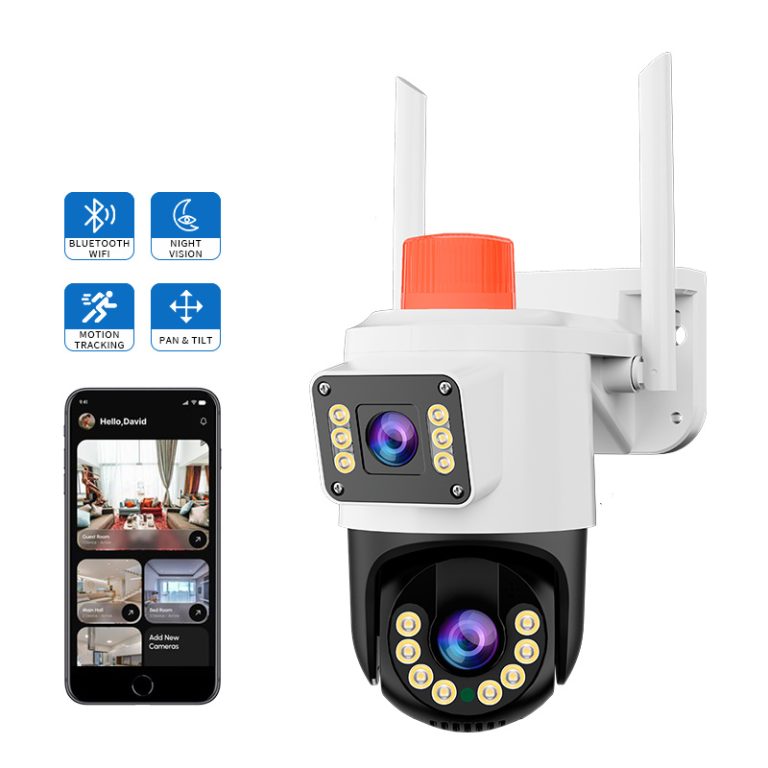
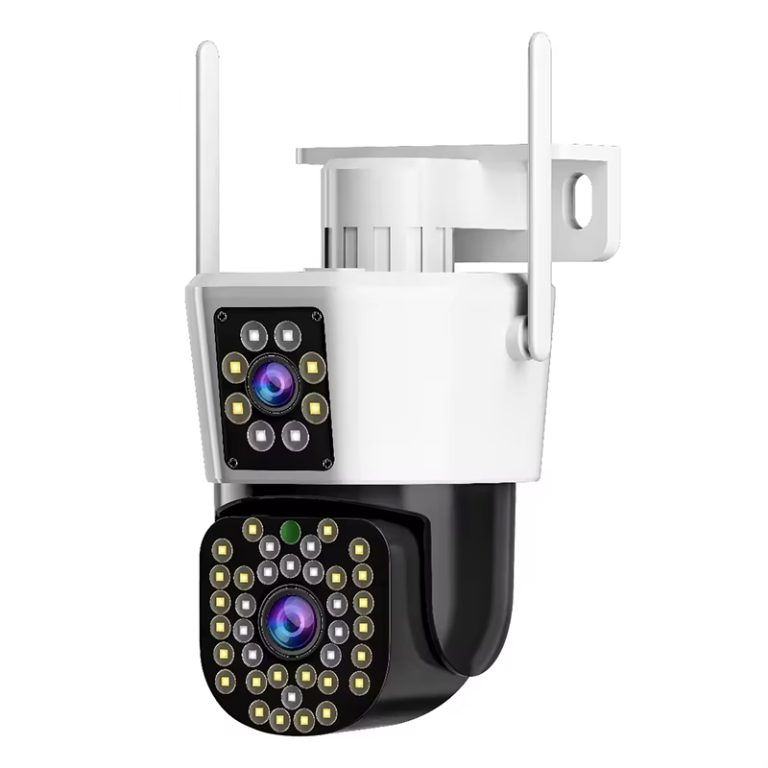
A loading entrance, forecourt, or warehouse approach may need broad evidence and a closer view of movement. A dual-lens product can be worth sampling where two separate devices would otherwise be quoted. The JT-8293QJ dual-lens tracking camera is presented for outdoor use with 4MP imaging, a CMOS sensor, H.265, pan-and-tilt movement, two-way audio, night viewing, human-motion tracking, and weather protection. Those specifications make it a relevant reference for a two-view procurement test, not proof that tracking will read every scene perfectly. Use the sample to check how the fixed and moving views behave when the subject enters from different directions.
Confirm What The Model Can Classify
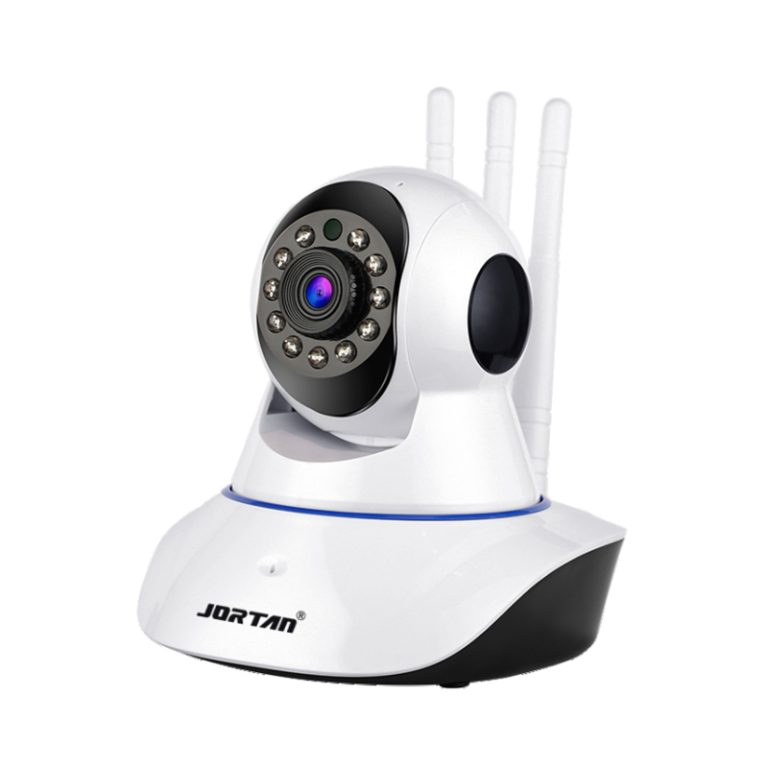
Target classification varies by camera, firmware, app, lighting, and account option. An AI security camera should be quoted with the exact labels available in the selected configuration, how those labels appear in playback, and whether they apply to live alerts, recorded search, or both. For indoor entrances or small commercial rooms, the JTZ-160B indoor PTZ camera provides a concrete reference point: 2.4G wireless transmission, pan-and-tilt movement, human-motion tracking, abnormal-sound and motion detection, two-way audio, H.265, cloud storage, and TF-card support up to 128GB. It should still be tested with the proposed app version and the customer’s own lighting before any classification claim reaches a quotation.
Put Processing, Storage, And Review In The Same Design
An alert only helps when the event can be found and checked quickly. That depends on where video is processed, what footage is retained, how much bandwidth is available, and whether local recording continues when an upstream link fails. Procurement teams often price these elements separately. The operator who has to reconstruct an event experiences them as one system.
Define The Edge And Cloud Roles
Network cameras convert image data into compressed video before transmission, and the knowledge base identifies H.264, H.265, and H.266 as common encoding standards. It also recognizes cloud, local SD or TF card, NVR, NAS, edge, and PC-based recording routes. Edge or local storage can keep a record available during a network or remote-server interruption, while a central platform can make remote review easier. Neither choice is a universal answer. The design should state retention days, overwrite behavior, remote-viewing needs, and which clips staff must retrieve after an alert.
Use Alert Tiers To Protect Reviewer Time
Security camera alerts should carry enough context to support a quick judgment: camera name, zone, time, event label, and a short clip or thumbnail when the selected platform supports it. A practical tier can keep ordinary activity in a review queue, send higher-risk activity to named responders, and reserve escalation for a verified event. Check whether the chosen recorder or app can search by event, retain both the main stream and a lower-bandwidth sub-stream, and export the clip without a lengthy manual hunt. Well-structured security camera alerts make false alarm reduction a measurable workflow rather than a feature claim.
Buy AI Capability That Can Be Proven During Sampling
The safest purchasing language is specific but qualified. Do not buy a promise of perfect detection. Buy a sample plan that recreates the site’s real conditions: day and night movement, rain or reflected light where relevant, people approaching from different routes, parked vehicles, busy periods, weak network moments, and manual clip retrieval. The results should guide the final rule set, camera position, and support expectations.
Test The Conditions That Create Nuisance Alerts
A sample review should record what was detected, what was ignored, how quickly the event became visible, and when a person had to decide the result. The JT-8698PRO dual-lens camera is another source-backed option for this exercise, listing 4MP dual lenses, H.265, human-shape tracking, two-way audio, TF storage up to 256GB, Ethernet, and 2.4G WiFi. Those are useful starting points for a test matrix. They do not replace checking the camera’s placement, app behavior, notification timing, and footage retention on the customer’s own network.
Keep The Product Brief Stable After Approval
For distributors and private-label buyers, repeatability matters after the first pilot. Jortan supports consumer security products with logo, packaging, color, appearance, mold opening, and app customization, backed by mold work, chip processing, injection molding, assembly, sampling, and finished-product inspection. That factory depth can help when a channel needs a stable housing, accessory set, or packaged feature statement. In that setting, smart video analytics needs the same model-specific discipline as any other product claim. Jortan and its OEM/ODM camera development page are useful starting points for discussing samples and private-label requirements. Final product claims should stay tied to the approved model, tested app version, and agreed support scope.
Conclusion
False alarms drain time long before they become a line on an invoice. A well-specified AI tracking camera can reduce that pressure when it is matched to the scene, backed by sensible alert tiers, and checked against real storage and review needs. Samples should prove the workflow, not just the picture. For a business security camera purchase, product details, sample discussions, or private-label planning, contact kingjin@safejortan.com.cn.