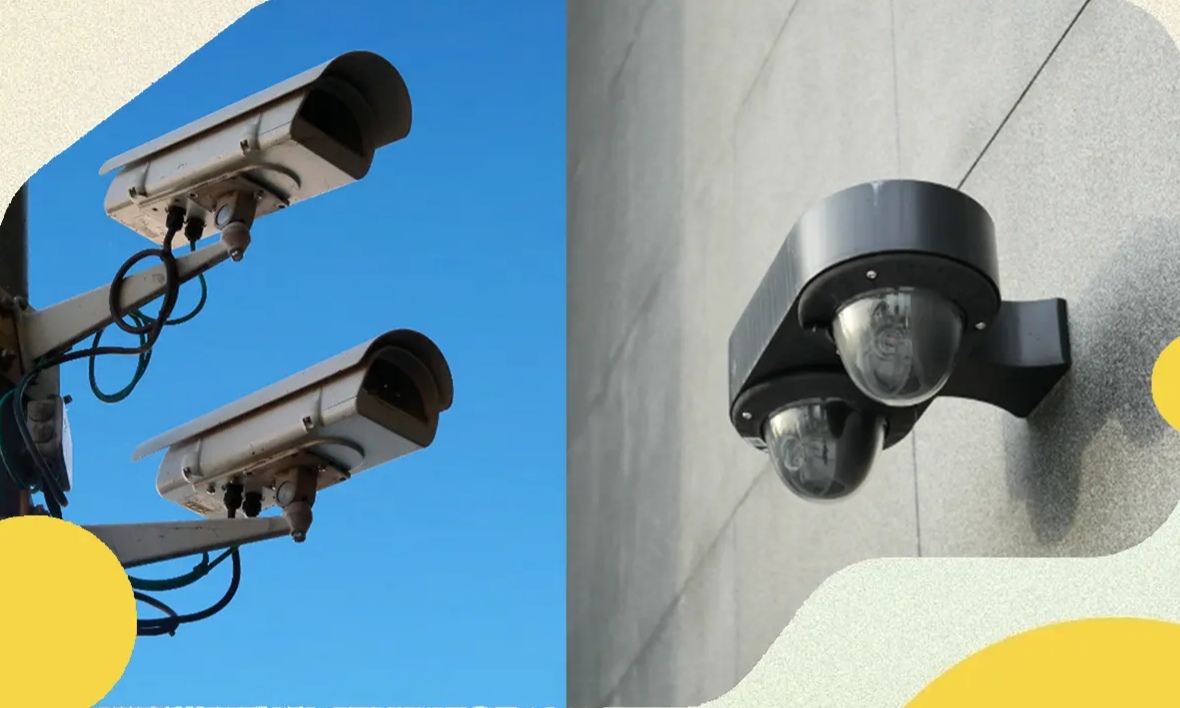
Para el suministro de cámaras de 2026, cámaras cableadas y cámaras inalámbricas No se debe juzgar a una cámara únicamente por su apariencia más nueva o su facilidad de venta. Ambas tienen su utilidad. La verdadera cuestión es dónde se utilizará la cámara, quién la instalará, qué tan estable debe ser la red y cuánto servicio posventa está dispuesto a aceptar el comprador.
Por qué el tipo de cámara es importante para la planificación de la oferta en 2026
Cada proyecto requiere una configuración de cámara diferente.
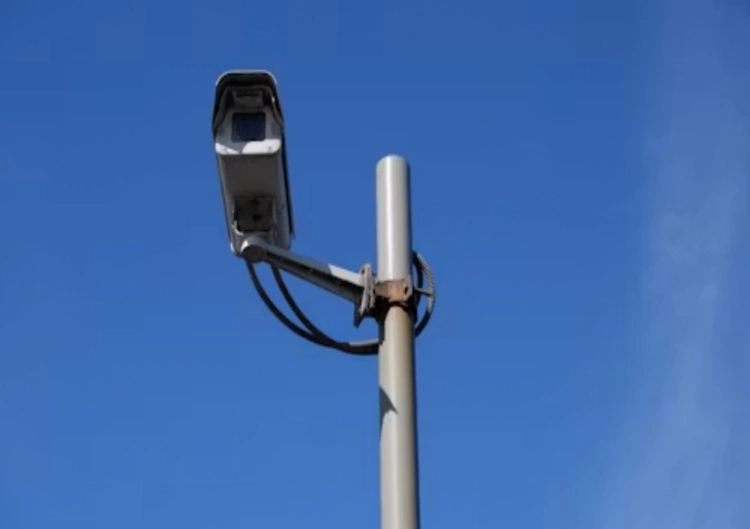
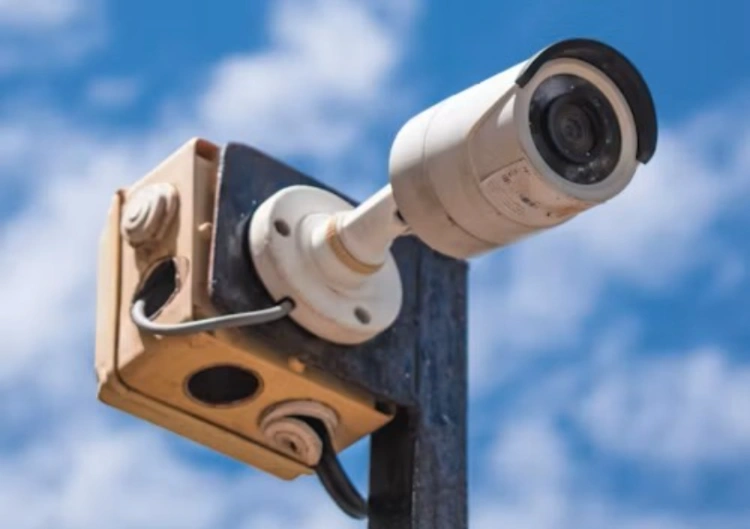
Una cámara con cable suele ser mejor para proyectos fijos donde la cámara permanecerá en una misma posición durante mucho tiempo. Piense en fábricas, almacenes, escuelas, edificios de oficinas, zonas comerciales y aparcamientos. Estos lugares suelen requerir vídeo estable, alimentación eléctrica constante y menos problemas de conexión.
Una cámara inalámbrica se adapta a diferentes usos. Es ideal para pequeños comercios, viviendas de alquiler, apartamentos, espacios temporales, edificios antiguos y lugares donde el cableado es complicado. Para estos casos, la instalación rápida y la flexibilidad de ubicación pueden ser más importantes que un sistema pesado.
Las decisiones de suministro afectan los costos y el trabajo posventa.
El precio de la cámara es solo una parte del costo total. Una cámara con cable puede requerir más trabajo de instalación, cables, soportes, configuración del NVR y técnicos capacitados. Una cámara inalámbrica puede ahorrar tiempo de instalación, pero puede plantear otras cuestiones: señal Wi-Fi, emparejamiento con la aplicación, duración de la batería, almacenamiento en la nube y soporte al usuario.
Los compradores necesitan una gama de productos clara.
Un comprador práctico no debería basar su plan de suministro en un solo tipo de cámara. Una mejor combinación podría incluir cámaras con cable, inalámbricas, WiFi, PoE, solares y PTZ.
Aquí también es donde Jordán Puede utilizarse como referencia de proveedores. Sus categorías de productos incluyen cámaras IP, paquetes de monitoreo y cámaras solares, lo que permite a los compradores comparar varios tipos de una misma línea de productos. Para un distribuidor, esto facilita la creación de una gama de productos que se ajuste a diferentes presupuestos y necesidades de cada proyecto.
Cámaras con cable: ¿Cuándo son adecuadas para proyectos B2B?
Mejor para instalaciones estables a largo plazo.
Las cámaras cableadas son útiles cuando el proyecto requiere largas jornadas de trabajo y una transmisión de vídeo estable. Grandes almacenes, escuelas, edificios de oficinas, fábricas y locales comerciales suelen preferir los sistemas cableados porque el propietario del lugar no quiere problemas de señal a diario.
En estos proyectos, el rendimiento de la cámara debe ser constante. El comprador podría necesitar grabación continua, almacenamiento centralizado y varias cámaras funcionando simultáneamente. Una configuración por cable facilita la gestión de estas funciones.
Adecuado para sistemas basados en PoE y NVR.
Los sistemas de cámaras PoE son comunes en proyectos B2B porque un solo cable de red puede transmitir datos y energía. Esto reduce la necesidad de adaptadores de corriente independientes cerca de cada cámara. Para los equipos de proyecto, esto puede simplificar la instalación.
Los sistemas basados en NVR también son útiles cuando los compradores necesitan grabación multicámara, almacenamiento local y una gestión más sencilla en un solo lugar. Para proyectos a largo plazo, esta configuración sigue siendo práctica.
Cámara inalámbrica: ¿Cuándo se adapta a los proyectos B2B?
Más sencillo para proyectos ligeros y emplazamientos flexibles.
Las cámaras inalámbricas son útiles cuando el comprador busca una instalación más rápida y menos cableado. Este tipo de producto suele ser necesario en pequeños comercios, apartamentos, viviendas de alquiler, oficinas temporales, edificios antiguos y pequeños almacenes.
Una cámara inalámbrica también puede ayudar a los contratistas a terminar trabajos pequeños más rápido. Si en la obra no se permite mucha perforación ni tendido de cables, los modelos inalámbricos pueden ser más fáciles de aceptar.
Útil para canales de venta minorista y comercio electrónico.
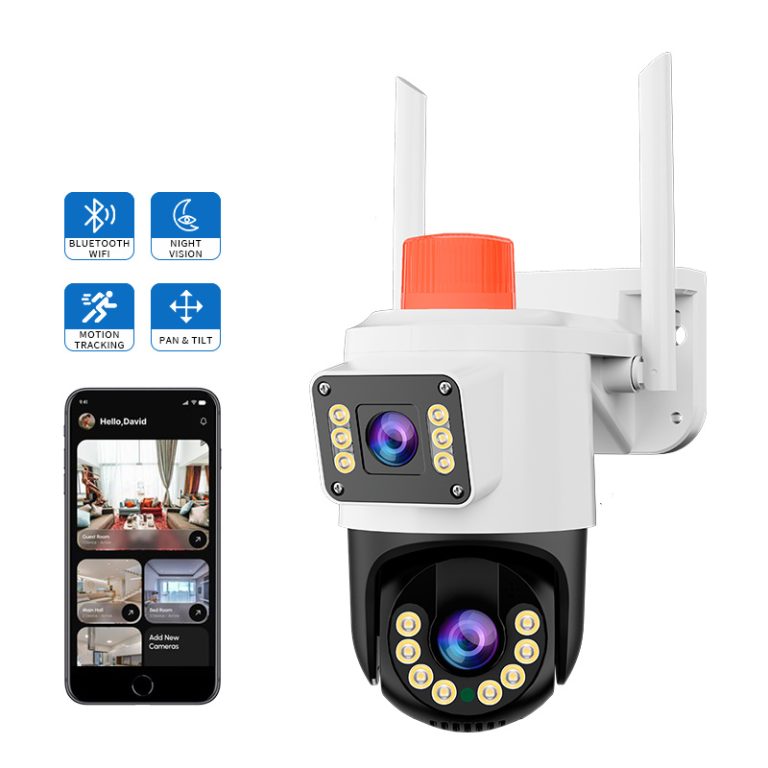
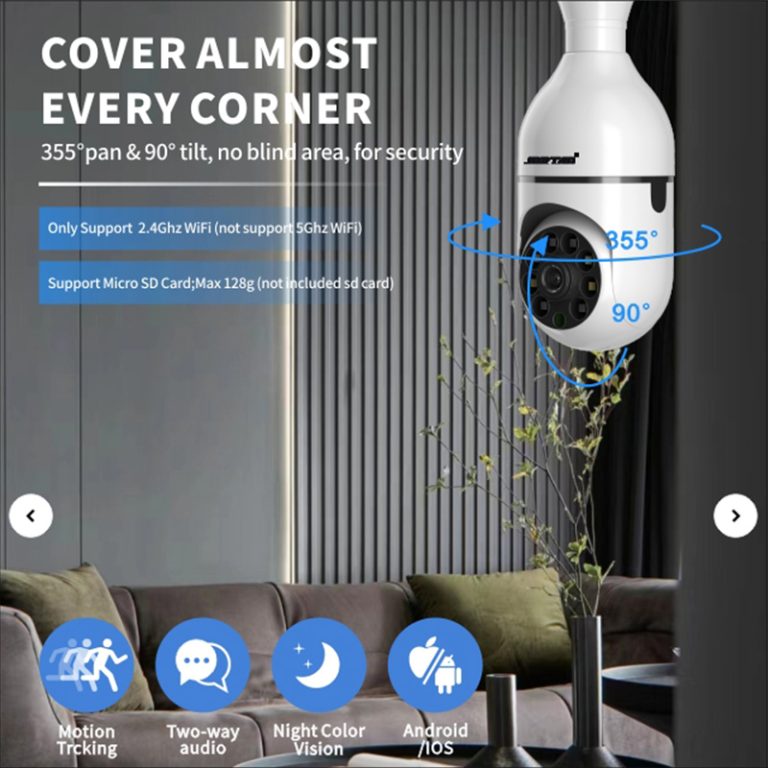
Las cámaras inalámbricas son más fáciles de explicar en tiendas físicas y canales online. Los clientes pueden entender cómo funcionan: visualización a través de la aplicación, alertas de movimiento, audio bidireccional, almacenamiento en tarjeta TF, almacenamiento en la nube e instalación sencilla.
Esto hace que las cámaras inalámbricas sean útiles para distribuidores, vendedores en línea, tiendas de hogar inteligente y marcas regionales. Se pueden vender como productos estándar o como parte de una línea básica de productos de seguridad.
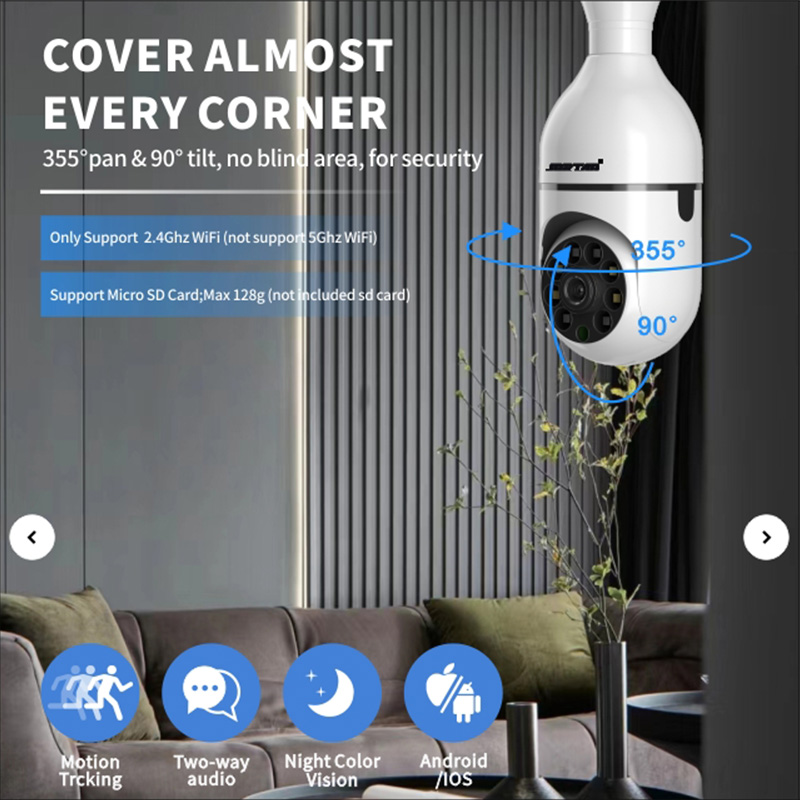
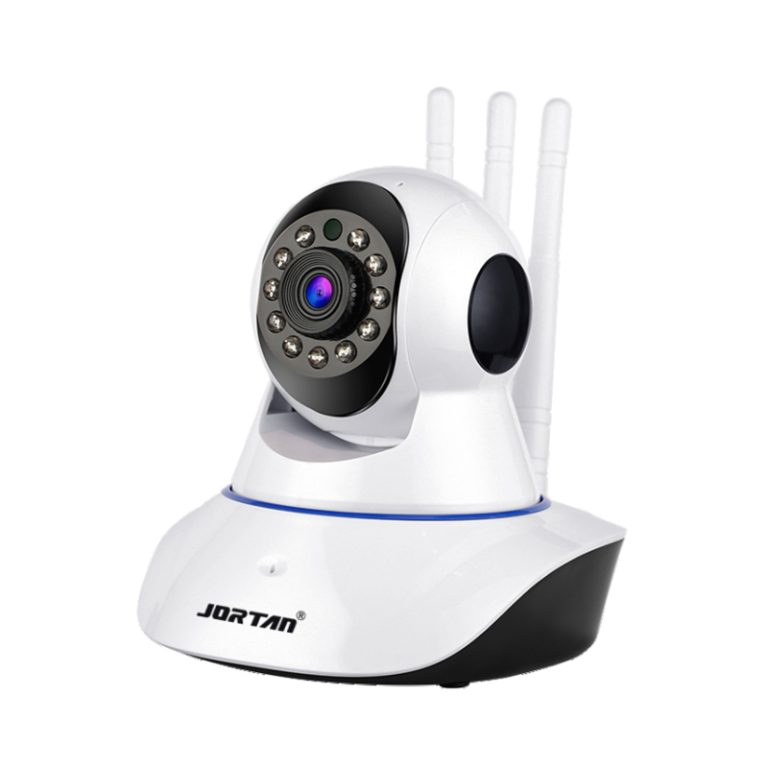
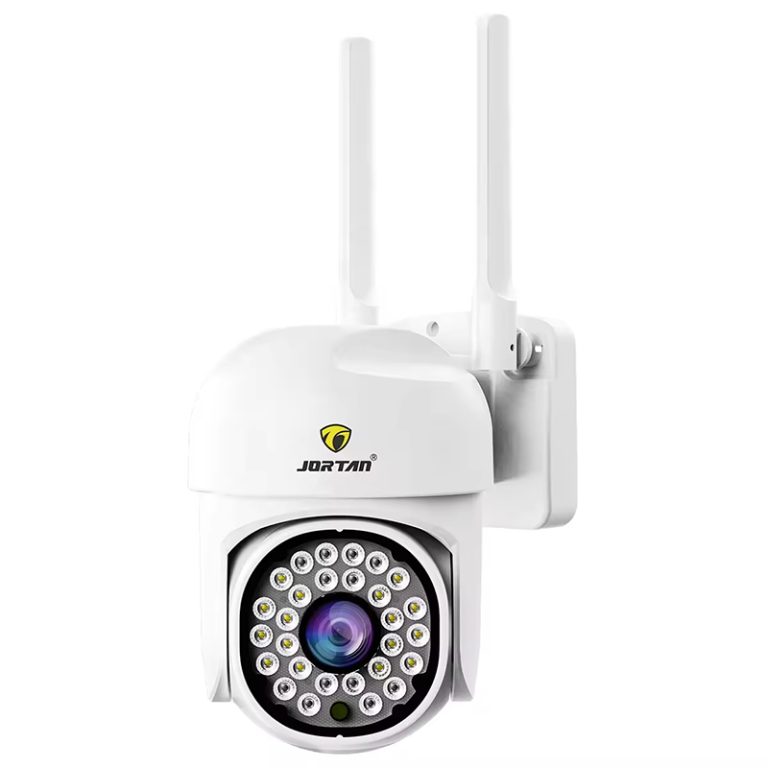
La página de productos de Jortan incluye opciones de cámaras IP con WiFi y de estilo inalámbrico, tales como: JT-8177Este sistema de videovigilancia IP inalámbrica 1080p cuenta con comunicación bidireccional, detección de movimiento, función PTZ, Wi-Fi y cobertura de 360 grados. Para comercios minoristas o seguridad básica en interiores, este tipo de producto es más fácil de instalar que un sistema de gran tamaño.
Cámara con cable vs. cámara inalámbrica: la principal comparación para los compradores
Coste de instalación y condiciones del emplazamiento
Las cámaras cableadas suelen requerir una mayor planificación antes de su instalación. Es posible que se necesiten rutas de cableado, puertos de red, espacio para el NVR y la intervención de un técnico. En proyectos a largo plazo, esto es normal.
Las cámaras inalámbricas se instalan más rápido, pero dependen en gran medida de la red y el suministro eléctrico del lugar. Si la señal Wi-Fi es débil, la experiencia del usuario se verá afectada. Si la cámara funciona con batería, conviene tener en cuenta el mantenimiento antes de comprarla.
Estabilidad de la red y transmisión de vídeo
Las cámaras con cable suelen ser mejores cuando la estabilidad de la transmisión de vídeo es primordial. Por eso se utilizan con frecuencia en proyectos comerciales e industriales. Las cámaras inalámbricas dependen del alcance de la red Wi-Fi, las paredes, la calidad del router y las interferencias cercanas.
Para uso PTZ o en exteriores, esto cobra mayor importancia. Una cámara PTZ inalámbrica necesita movimientos fluidos y una respuesta estable de la aplicación. Si la red es débil, la cámara puede funcionar con lentitud.
Suministro y mantenimiento de energía
Las cámaras con cable suelen tener una fuente de alimentación más estable. Los sistemas de cámaras PoE son útiles porque el mismo cable puede transmitir alimentación y datos. Las cámaras inalámbricas pueden usar alimentación de CC, baterías, carga solar o sistemas de alimentación mixtos.
De Jordania categoría de cámaras solares Se pueden considerar para instalaciones exteriores donde el cableado es complicado. Para quienes gestionan portones remotos, patios, granjas, estacionamientos o instalaciones exteriores temporales, los modelos solares pueden ayudar a reducir el trabajo de instalación.
Escenarios de aplicación para diferentes tipos de compradores
Importadores y distribuidores mayoristas
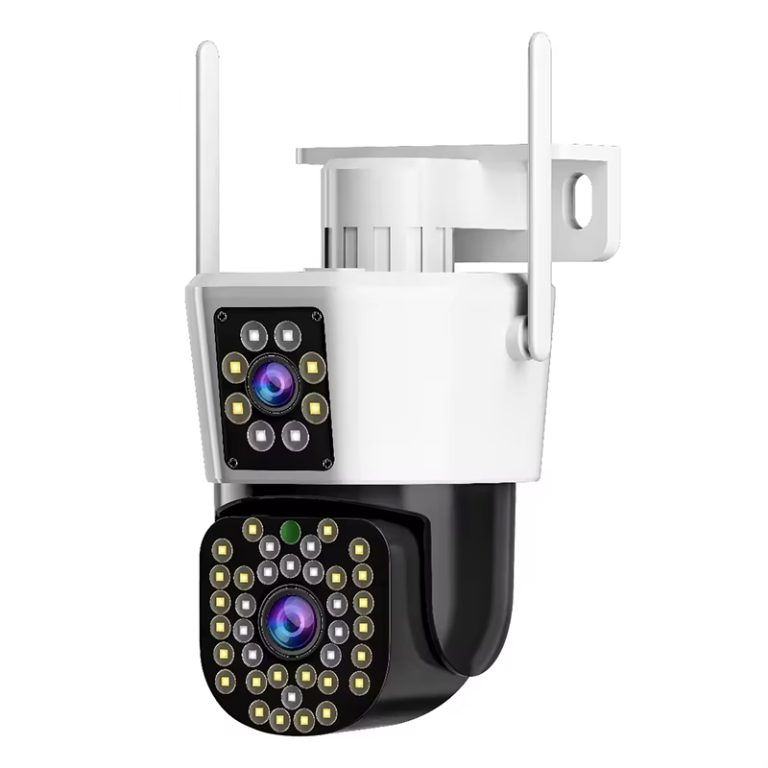
Los importadores y distribuidores deberían considerar una línea de productos mixta. Una cámara WiFi básica puede cubrir las necesidades del mercado minorista. Una cámara con cable o PoE puede ser útil para compradores de proyectos. Una cámara solar puede satisfacer la demanda de instalaciones exteriores difíciles de cablear. Una cámara PTZ puede abarcar áreas de visión más amplias.
Propietarios de marcas y compradores de marcas blancas
Los propietarios de marcas deben verificar el soporte OEM/ODM, el empaque, los manuales de usuario, la experiencia de la aplicación, los accesorios, la apariencia del producto y la capacidad de suministro recurrente. Un producto que parezca aceptable en la etapa de muestra aún puede presentar problemas si el empaque es deficiente o el servicio posventa no es claro.
Vendedores minoristas y en línea
Para el comercio minorista y electrónico, los modelos de cámaras inalámbricas suelen ser más fáciles de vender. Las páginas de producto pueden mostrar el uso de la aplicación, los pasos de instalación, la visión nocturna, el audio bidireccional, las alertas de movimiento y las opciones de almacenamiento.
Aun así, el vendedor debe preparar contenido para preguntas frecuentes, instrucciones para la configuración de la aplicación, imágenes del empaque y respuestas a problemas técnicos antes del lanzamiento. Estos pequeños detalles reducen la presión en el servicio posventa.
Lista de verificación para la selección de proveedores de cámaras para 2026
Gama de productos y capacidad de coincidencia
Un proveedor debe ser capaz de satisfacer las necesidades de diferentes proyectos. Los compradores pueden verificar si el proveedor ofrece cámaras con cable, inalámbricas, WiFi, PoE, solares, PTZ y diferentes opciones de paquetes.
Jortan es una opción que vale la pena considerar para los compradores que desean varios tipos de cámaras de seguridad de un solo proveedor. Su página de productos incluye: Cámara IPLas categorías de Paquete de Monitoreo y Cámara Solar brindan a los compradores más margen para elaborar un plan de suministro.
Pruebas de muestras antes de realizar pedidos al por mayor
Las pruebas de muestra deben incluir la calidad de la imagen, la visión nocturna, la conexión con la aplicación, el alcance del WiFi, la compatibilidad con el NVR, la estructura impermeable, la resistencia del soporte, el embalaje y el almacenamiento.
Certificación y documentos de exportación
Los compradores deben solicitar la documentación correspondiente al mercado objetivo. Esta puede incluir certificaciones como CE, FCC, RoHS, UKCA, WEEE, MSDS, UN38.3 u otros documentos necesarios. Para productos con baterías o carga solar, se recomienda revisar la documentación relacionada con las baterías con antelación. Esperar hasta el momento del envío puede retrasar el pedido.
Soporte OEM/ODM y de embalaje
Los compradores de marcas blancas deben preguntar sobre la impresión del logotipo, el diseño de la caja de venta al por menor, el manual de usuario, las opciones de la aplicación, los accesorios, las opciones de color o apariencia, la cantidad mínima de pedido (MOQ) y el plazo de entrega.
Proceso de garantía y posventa
Antes de realizar pedidos al por mayor, conviene confirmar el período de garantía, las piezas de repuesto, las normas de sustitución, la compatibilidad con el firmware, los archivos técnicos y la velocidad de respuesta. Soporte postventa Esto forma parte del costo real. Un proveedor que responde con claridad puede ahorrar tiempo a distribuidores, contratistas y propietarios de marcas.
Preguntas frecuentes
P1: ¿Deberían los distribuidores elegir primero las cámaras con cable o las inalámbricas?
A1: Las cámaras inalámbricas son ideales para comercios minoristas, pequeñas tiendas, empresas de alquiler e instalaciones flexibles. Las cámaras con cable son adecuadas para proyectos con demanda estable, grabación a largo plazo y sistemas multicámara.
P2: ¿Qué parámetros deben confirmar los compradores antes de realizar un pedido de productos fotográficos al por mayor?
A2: Los compradores deben confirmar la resolución, el ángulo de la lente, la visión nocturna, la resistencia al agua, la frecuencia Wi-Fi, la alimentación PoE o CC, la capacidad de la batería para los modelos inalámbricos, el método de almacenamiento, la compatibilidad con NVR, la compatibilidad con aplicaciones, las certificaciones, los accesorios y los términos de la garantía. También deben verificarse la cantidad mínima de pedido (MOQ), el embalaje, las opciones de logotipo, el tiempo de entrega de las muestras y el plazo de entrega antes de confirmar el pedido.
P3: ¿Los proveedores de cámaras ofrecen soporte para la personalización, la guía de instalación, el mantenimiento y el servicio posventa?
A3: Jortan puede admitir cierto nivel de personalización, y los compradores deben confirmar los detalles con anticipación. Pregunte sobre OEM/ODM, logotipo, caja de venta al por menor, manual de usuario, opciones de la aplicación, soporte de firmware, piezas de repuesto, documentos de instalación, reglas de reemplazo y proceso de garantía.