Para las compras de 2026, las cámaras inalámbricas no se eligen únicamente por su fácil instalación. Los compradores también deben considerar el tamaño del proyecto, la estabilidad de la red, la fuente de alimentación, la compatibilidad con aplicaciones, las necesidades de almacenamiento y el riesgo posventa antes de decidir si un modelo es adecuado para pedidos al por mayor.
Por qué las cámaras inalámbricas siguen siendo importantes para las adquisiciones de 2026
Las cámaras inalámbricas son más fáciles de vender cuando el usuario final no desea realizar una instalación complicada. Tiendas pequeñas, casas, apartamentos, viviendas de alquiler, trasteros y oficinas pequeñas suelen necesitar simplemente una cámara que se pueda instalar sin demasiadas complicaciones.
Creciente demanda de proyectos de seguridad flexibles
Las cámaras inalámbricas se adaptan bastante bien a esta zona intermedia. Edificios antiguos, pequeños almacenes, oficinas temporales, tiendas efímeras, propiedades de alquiler, pequeños talleres y espacios exteriores sin fácil acceso al cableado son algunos ejemplos de posibles aplicaciones.
Para los contratistas, las cámaras inalámbricas pueden ser de gran ayuda cuando el proyecto requiere rapidez o cuando el cliente no desea que se realicen muchas perforaciones o trabajos de cableado.
Mejor combinación de productos para distribuidores y propietarios de marcas.
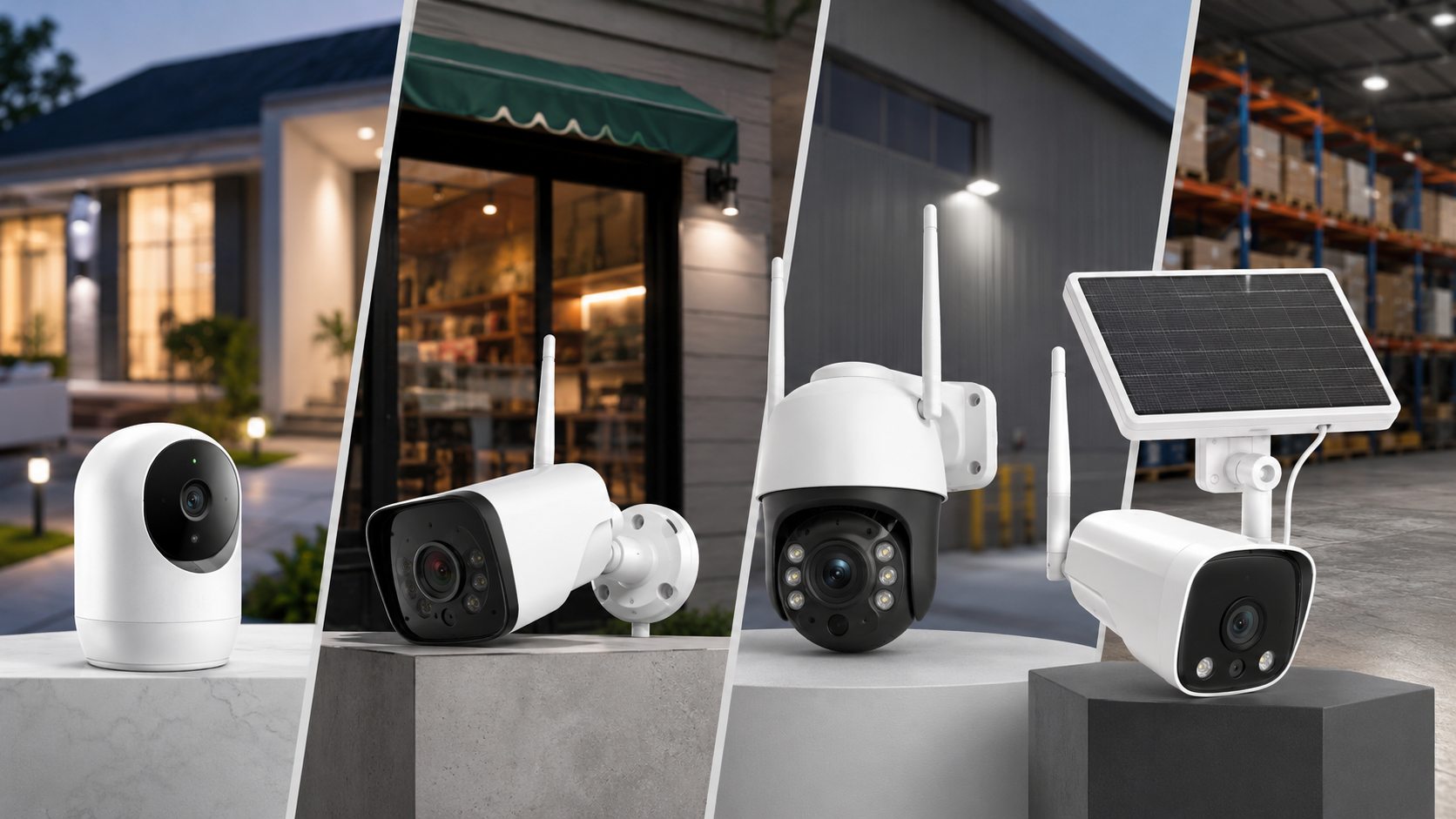
Un distribuidor no debería limitarse a un solo tipo de cámara. Una línea de productos más práctica suele incluir cámaras WiFi para interiores, cámaras inalámbricas para exteriores, cámaras PTZ inalámbricas, cámaras solares inalámbricas y algunos modelos con cable o PoE para proyectos más estables. Esta combinación ofrece al equipo de ventas más opciones. Aquí es donde resulta útil contar con un proveedor con múltiples categorías de cámaras. Jordán Ofrece opciones de cámaras IP, paquetes de monitoreo y cámaras solares, lo que brinda a los compradores más margen para adaptar la selección de productos a los diferentes tamaños de proyectos, condiciones de instalación y necesidades del mercado.
Tipos clave de cámaras inalámbricas que los compradores deberían comparar
Cámaras WiFi para interiores destinadas a comercios minoristas de gama básica
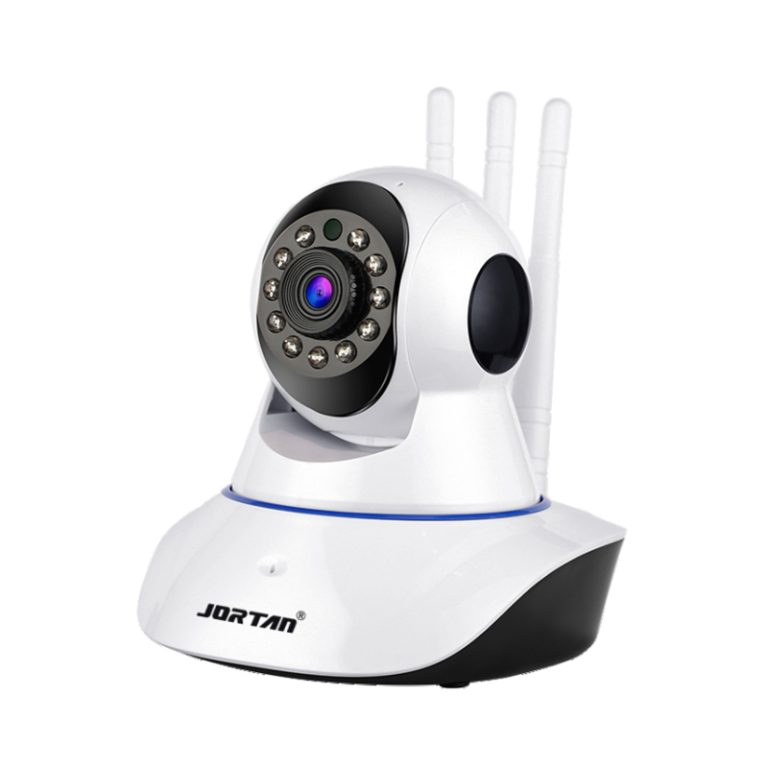
Las cámaras WiFi para interiores suelen ser el punto de partida más sencillo para quienes compran por primera vez. Son ideales para tiendas online, sistemas de domótica, pequeñas oficinas y sistemas básicos de seguridad doméstica.
El comprador debe centrarse en algunos puntos sencillos: conexión estable de la aplicación, imagen clara, usable audio bidireccional, Un empaque limpio e instrucciones de uso sencillas. No siempre se necesita una larga lista de funciones. Si el emparejamiento con la aplicación es complicado, el producto seguirá generando quejas aunque el precio parezca atractivo.
Cámaras inalámbricas para exteriores, ideales para entradas y proyectos pequeños.
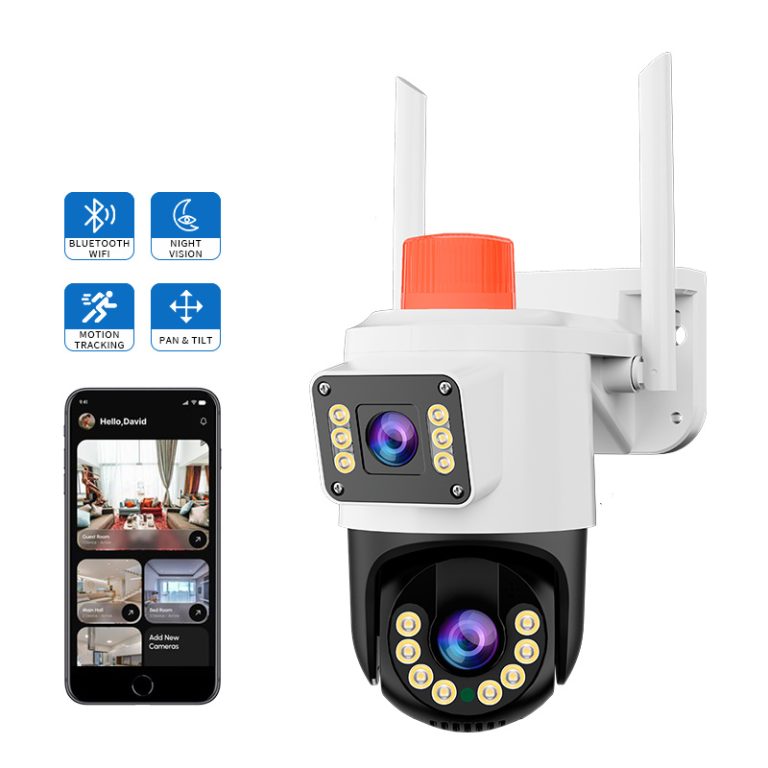
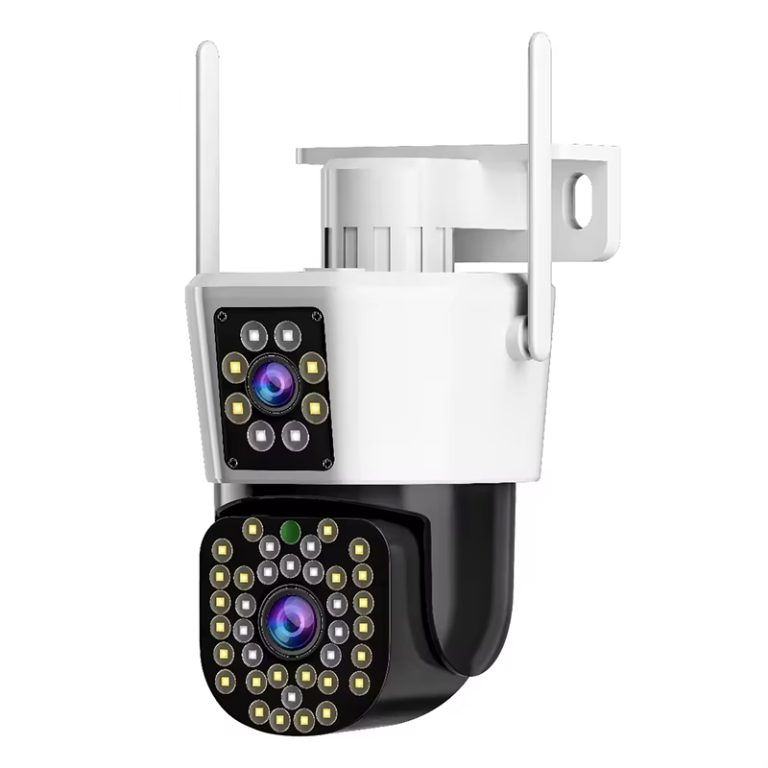
Las cámaras inalámbricas para exteriores requieren una revisión más minuciosa. Estas cámaras pueden instalarse cerca de puertas, patios, escaparates, pequeños almacenes, aparcamientos o entradas laterales. Las condiciones exteriores son diferentes a las de un entorno de prueba interior limpio.
Los compradores deben verificar la resistencia al agua, la visión nocturna, la solidez del soporte, el material de la carcasa, el método de alimentación y la estabilidad de funcionamiento real. El soporte no debe ser endeble. La carcasa no debe parecer demasiado ligera para su uso en exteriores. La cámara debe seguir funcionando correctamente después de lluvia, polvo, luz solar y largas jornadas de uso.
Cámaras PTZ inalámbricas para áreas de visión más amplias
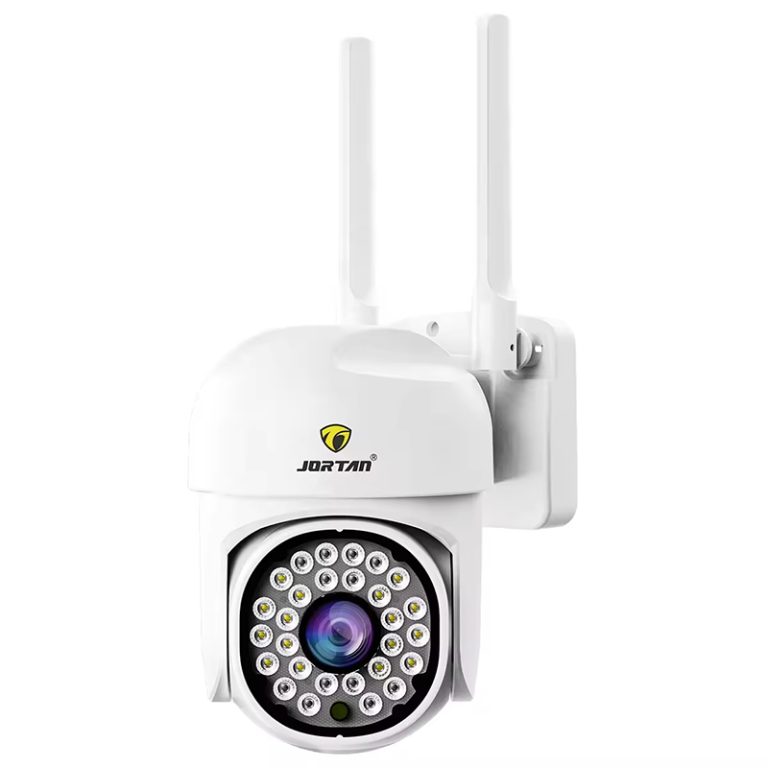
Inalámbrico Cámaras PTZ Son útiles cuando el comprador necesita una mayor cobertura visual. El movimiento de paneo e inclinación permite al usuario comprobar diferentes direcciones. El zoom ayuda cuando el usuario desea ver con más detalle.
Estas cámaras son ideales para patios, escaparates, pequeñas puertas de almacenes, entradas de villas, aparcamientos y espacios similares. Además, son más fáciles de explicar para los distribuidores, ya que el movimiento es visible y sencillo de demostrar.
Cámaras solares inalámbricas para zonas de difícil acceso.ENSitios de ire
Cámaras solares inalámbricas Son útiles en exteriores donde el acceso a la electricidad es complicado. Pueden emplearse en granjas, puertas remotas, aparcamientos, emplazamientos temporales, zonas de construcción y entradas independientes.
Para este tipo de dispositivo, la batería y el panel solar son tan importantes como la cámara. Los compradores deben verificar la capacidad de la batería, la velocidad de carga, el tiempo de funcionamiento, el tiempo en espera, la resistencia al agua y si el producto es apto para las condiciones climáticas del mercado objetivo.
Parámetros clave que debe verificar antes de realizar pedidos al por mayor.
Calidad de imagen y configuración de la lente
La resolución 1080p puede ser suficiente para uso básico en interiores. Para entradas exteriores o espacios más amplios, los modelos de 3 MP, 4 MP, 5 MP o superiores podrían ser mejores. El comprador también debe considerar el ángulo de la lente, la calidad del sensor, la compresión de imagen, la visión nocturna y la distancia de visualización real. Una cámara con una alta resolución anunciada puede ofrecer resultados deficientes si la lente y el procesamiento de imagen son de mala calidad.
Estabilidad de la red y compatibilidad de las aplicaciones
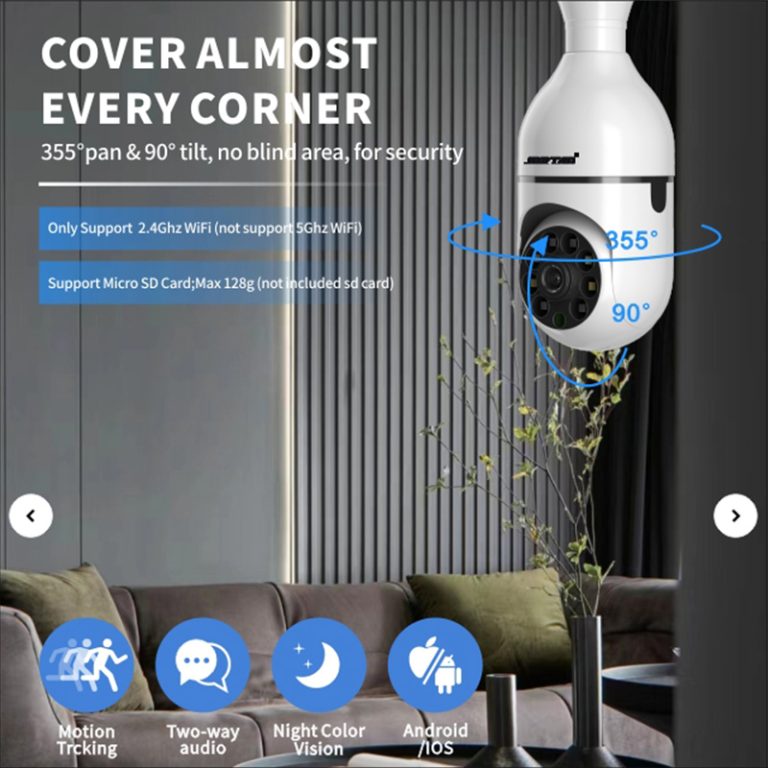
La estabilidad de la red es uno de los problemas más comunes en la venta de cámaras inalámbricas. Los compradores deben verificar la frecuencia Wi-Fi, el alcance de la señal, el proceso de conexión, el emparejamiento con la aplicación, la velocidad de visualización en directo, la reproducción y el tiempo de espera para las notificaciones.
La aplicación también debe adaptarse al mercado objetivo. Algunos mercados ya están familiarizados con ciertas aplicaciones de cámara. Algunos compradores pueden preferir una interfaz más acorde con la marca. Para los propietarios de marcas, la presentación de la aplicación y la experiencia del usuario pueden influir en las ventas recurrentes y las reseñas.
Rendimiento de la fuente de alimentación y de la batería
Inalámbrico no siempre significa alimentado por batería. Algunas cámaras inalámbricas todavía usan alimentación de CC, pero se conectan mediante Wi-Fi. Otras usan baterías recargables, carga solar o un diseño de alimentación mixta.
En el caso de los modelos con batería, los compradores deben preguntar sobre el tiempo de funcionamiento real, el tiempo de carga, la capacidad de la batería, el rendimiento en modo de espera y cómo afecta la grabación de movimiento al consumo de energía. En el caso de los modelos solares, los compradores deben comprobar si el panel puede soportar un uso normal en el mercado objetivo.
Método de almacenamiento y acceso a los datos
El almacenamiento afecta tanto a la experiencia del usuario como al coste a largo plazo. Algunas cámaras admiten almacenamiento en tarjeta TF. Otras utilizan almacenamiento en la nube. Algunas admiten ambos.
Los compradores deben verificar la capacidad máxima de la tarjeta, el modo de grabación, el método de reproducción, las condiciones de la suscripción a la nube y si los clientes del mercado objetivo están dispuestos a pagar por los servicios en la nube. Esto es especialmente importante para los canales de comercio electrónico y minoristas. Si el proceso de almacenamiento es confuso, los clientes podrían contactar al vendedor repetidamente después de la compra. Esto genera trabajo adicional para los distribuidores y las tiendas en línea.
Clasificación de impermeabilidad, material y durabilidad
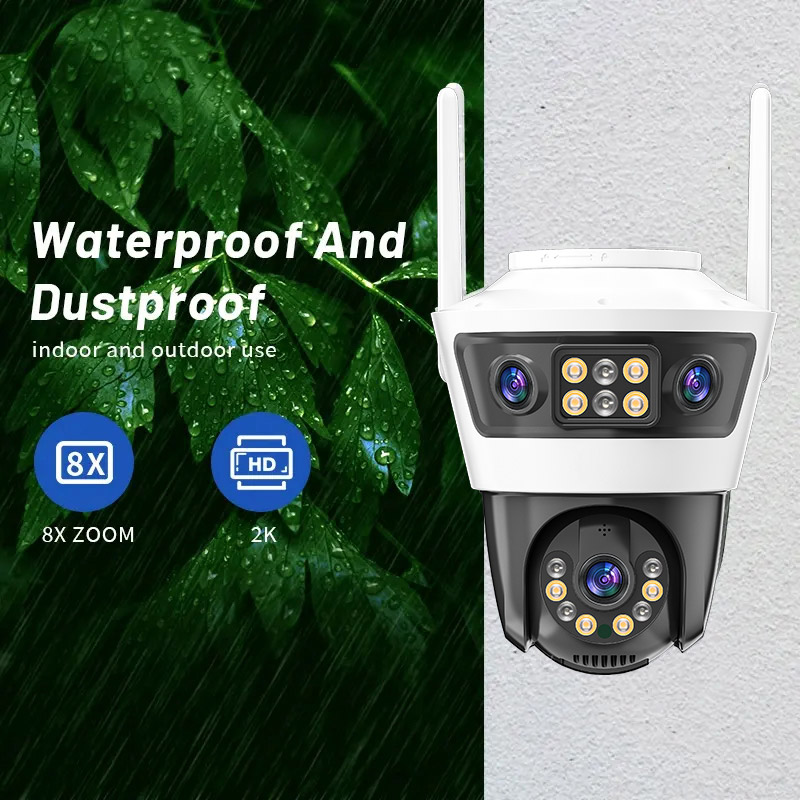
Las cámaras inalámbricas para exteriores deben tener una adecuada diseño impermeableuna carcasa lo suficientemente resistente, un soporte estable y un rango de temperatura de funcionamiento adecuado. Es necesario comprobar la clasificación IP, el sellado, la posición de la antena, los tornillos y la resistencia del soporte.
Una estructura exterior débil puede no fallar el primer día. Puede ceder tras semanas de lluvia, polvo, calor, frío o exposición al sol. Los compradores deben considerar la durabilidad como parte fundamental de la compra, no como algo a tener en cuenta después de recibir quejas. Si busca un producto de este tipo, le recomendamos echar un vistazo a Jortan 6.
Cómo evaluar a los proveedores de cámaras inalámbricas
Solicita muestras antes de realizar pedidos grandes.
Las pruebas de muestra deben incluir calidad de imagen, visión nocturna, conexión con la aplicación, alertas de movimiento, almacenamiento, consumo de energía, diseño impermeable, embalaje y accesorios de instalación. No juzgue el producto solo por fotos o videos cortos. Probarlo en una o dos situaciones de uso real puede revelar muchos problemas a tiempo.
Revisión del soporte OEM/ODM y de embalaje
Para los compradores de marcas blancas, la personalización es fundamental. Deben preguntar sobre el logotipo, la caja, el manual de instrucciones, las opciones de color, los accesorios, la personalización de la aplicación y los requisitos de pedido mínimo. Un buen embalaje no solo mejora la apariencia, sino que también protege el producto durante el envío y facilita su venta en tiendas físicas o en línea.
Confirmar la garantía y el proceso de posventa.
Antes de realizar pedidos al por mayor, conviene revisar los términos de la garantía, las normas de reemplazo, las piezas de repuesto, el soporte de firmware, la documentación técnica y la velocidad de respuesta. El servicio posventa forma parte del costo real del producto. Un proveedor con una comunicación clara puede ahorrar mucho tiempo a distribuidores, contratistas y propietarios de marcas.
Preguntas frecuentes
P1: ¿Qué tipo de cámara inalámbrica es adecuada para compradores mayoristas que realizan su primera compra?
A1: Los compradores primerizos pueden comenzar con cámaras WiFi para interiores y exteriores. cámaras inalámbricas, y un modelo PTZ solar o inalámbrico. Esto proporciona a la línea de productos la cobertura suficiente para el sector minorista, proyectos pequeños y demandas de mayor valor. Si tiene alguna pregunta durante su primera compra, póngase en contacto con Jortan.
P2: ¿Qué deberían probar los compradores antes de pedir cámaras inalámbricas al por mayor?
A2: Los compradores deben probar la calidad de la imagen, la visión nocturna, la conexión con la aplicación, la velocidad de las notificaciones, el almacenamiento, la duración de la batería, la estructura impermeable, el embalaje y los accesorios de instalación antes de realizar un pedido grande.
P3: ¿Son las cámaras inalámbricas adecuadas para proyectos de ingeniería?
A3: Las cámaras inalámbricas son adecuadas para proyectos de ingeniería ligera, pequeños espacios comerciales, propiedades de alquiler y áreas donde el cableado es complicado. Para sistemas más grandes o de larga duración, los compradores quizás deban compararlas con las opciones de cámaras cableadas o PoE.