AQL sampling and 100% inspection are often treated as competing choices. In a CCTV order, they serve different purposes. Sampling helps a buyer judge whether a batch is likely to meet an agreed quality level. Full inspection gives visibility into every unit for selected characteristics. Neither method can replace the other when a failure would stop installation or create a safety, compliance, or recall problem.
A CCTV quality inspection plan, or camera quality control file, should first separate defects by consequence. A missing accessory, carton mark, cosmetic scratch, wrong label, no image, failed storage, damaged housing, or inconsistent firmware does not carry the same business risk. The acceptance level, sample size, and inspection method should follow that risk rather than be copied from another product category.
An AQL inspection samples units from the shipment using a written plan. The plan needs a lot definition, sampling level, defect classification, acceptance and rejection numbers, and a treatment for critical defects. The buyer and supplier should agree on the standard and the inspection point before production. A report that only says passed AQL is incomplete without those details.
Reserve 100% Checks for High-Impact Items
Full inspection makes sense when a defect is easy to detect and expensive to miss. Model, label, quantity, power adapter, key accessory, visible damage, and carton identity may be suitable for a complete count or check. A buyer may also choose 100% power-on or image checks for a high-risk launch, a new supplier, a new firmware release, or a product with a costly installation failure.
Not every function needs a long burn-in on every unit. A full check can become slow, inconsistent, and expensive if the test method is not repeatable. Define what the operator can verify reliably: boot, image, basic network, audio, card recognition, pan-tilt movement, or night switching. Leave performance questions that need a defined test environment to a documented sample or engineering test.
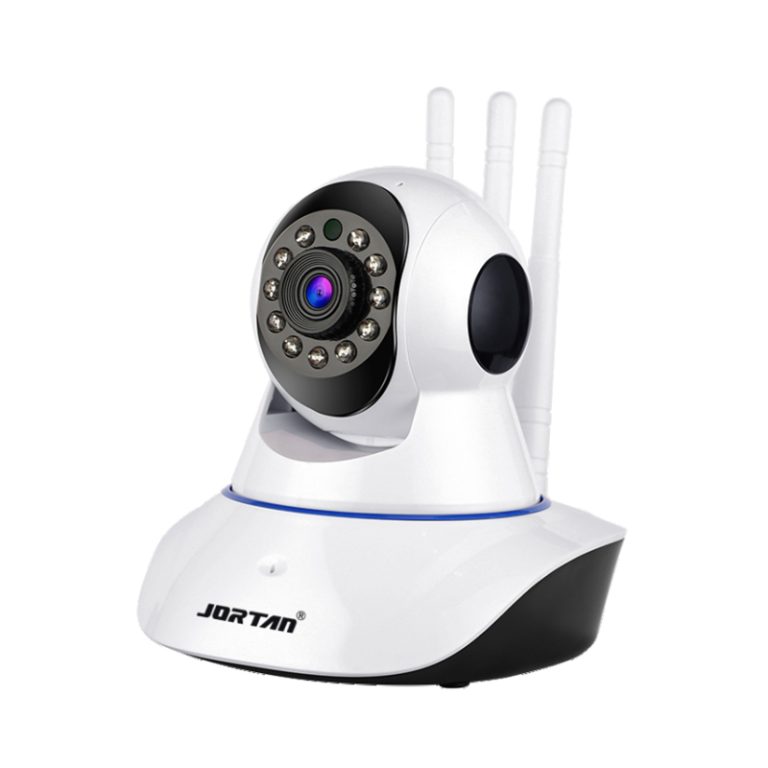
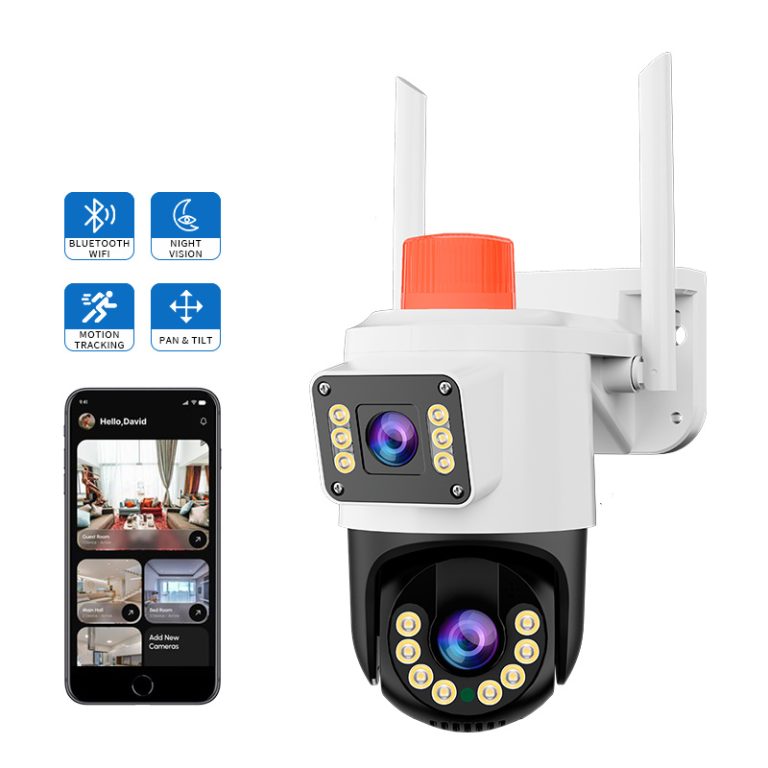
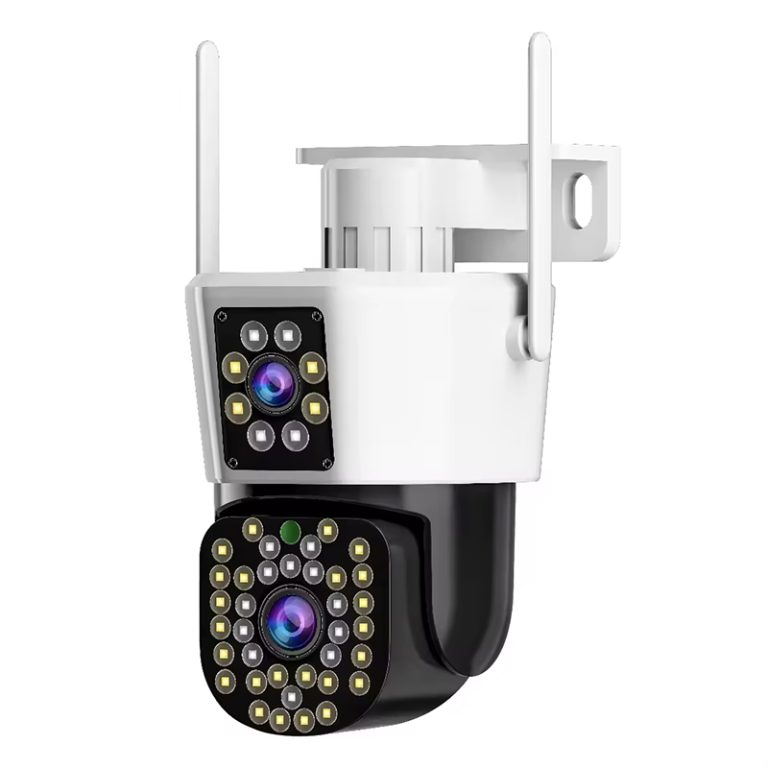
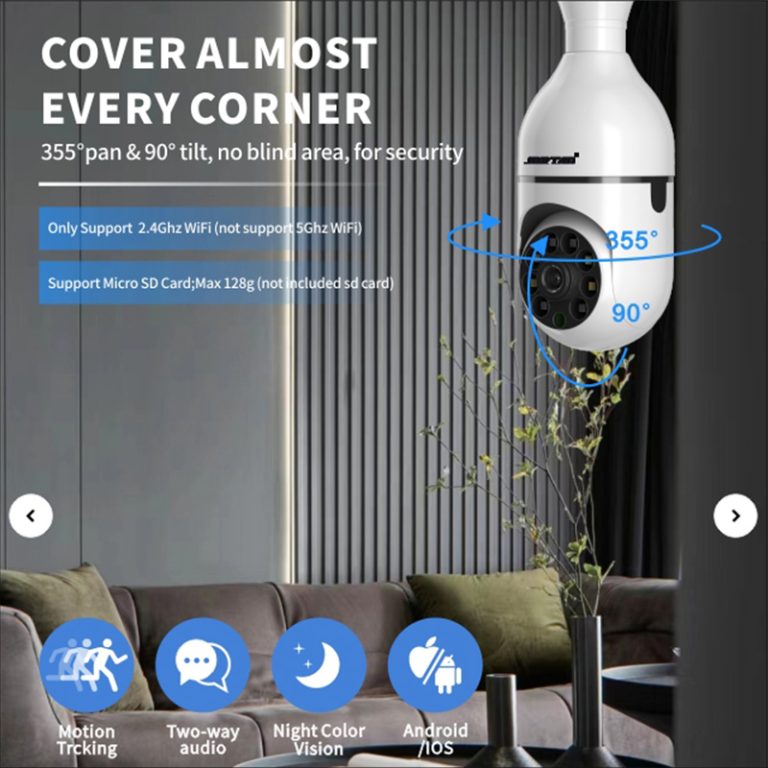
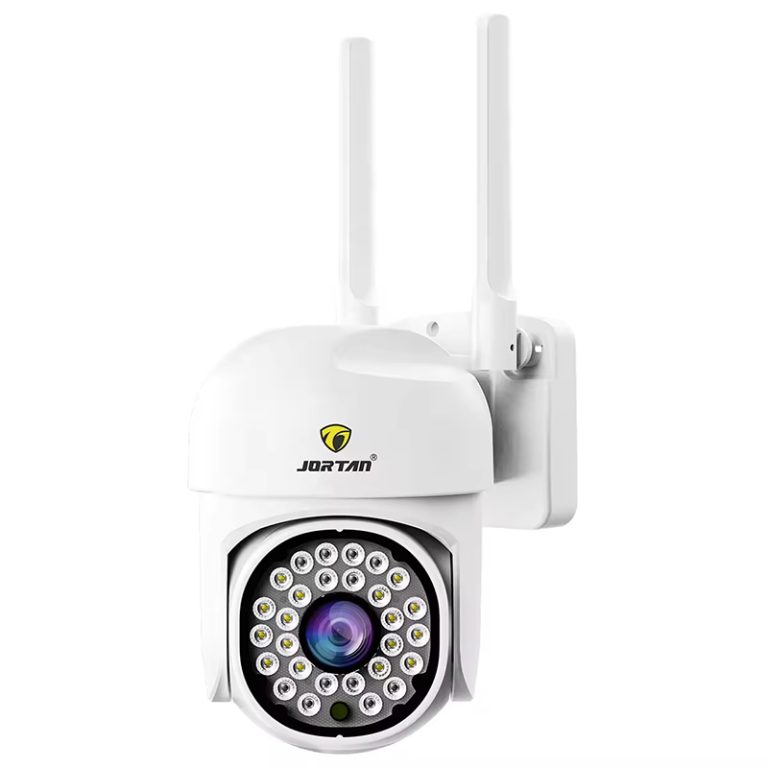
The product line can change the inspection choice. A fixed camera may need a stable image and label check. A multi-lens or PTZ unit adds view alignment, movement, cable clearance, and tracking checks. A local-storage model adds card recognition and replay. Jortan’s JT-8276-4PAGXM y JT-8276-8PXM can help separate model-specific fields, but the current batch plan still needs supplier confirmation.
Combine the Two Methods in the Pre-Shipment Plan
A balanced pre shipment inspection may use 100% checks for identity, quantity, carton, accessories, and obvious damage; sampling for functional and image performance; and a special sample for storage, night, network load, or long-duration recording. The exact mix belongs in the purchase specification. It should state the test tool, result, sample reference, and action when a failure appears.
Make the Report Useful After Delivery
Attach photos of cartons, labels, failed units, screen results, and the test environment. Record the firmware, app, card, power adapter, and network used. When a buyer later finds a field failure, the pre-shipment report can show whether the issue existed before dispatch, appeared during transport, or depends on installation conditions.
A factory with assembly, testing, packaging, and OEM/ODM coordination can make this evidence easier to collect. The shipment inspection review should cover the order’s critical features, not just a request for a general quality certificate. The buyer needs an inspection plan matched to the actual camera and sales channel.
Review the Plan When the Product Changes
A new sensor, board, firmware, lens, power supply, housing, storage method, or carton can change the risk profile. Recheck the inspection plan after an engineering change, a supplier change, or a long gap between orders. A previous AQL record is useful history, but it is not automatic approval for a new configuration.
The practical answer is usually both: sampling for evidence across the lot and 100% inspection for selected high-impact, easy-to-check items. Put that decision in the order documents and keep the report with the shipment file. Clear boundaries protect the buyer without turning every order into an unplanned laboratory project.
A first order from a new factory may justify wider checks than a stable repeat order. The buyer can use early results to identify which defects are common, which checks are quick, and which functions need engineering support. The plan can then mature without losing the written acceptance rules. Any change in model, board, firmware, lens, or packaging should trigger a review of the risk matrix.
Jordán provides the general supplier context, while a shipment inspection discussion can set the lot definition, sample level, defect classes, and evidence required for the selected cameras. Ask for the current model sheet and test tools in the same conversation. A generic AQL label cannot tell an installer whether a particular recorder, card, or app path was checked.
When a full check finds a failure, the response should be proportionate and visible. Isolate the unit, confirm the symptom, look for the same condition in the agreed sample, and record whether the lot is released, held, reworked, or escalated. That sequence keeps inspection from becoming a ceremonial signature at the end of packing.
The inspection plan should also state the release owner. A supplier may complete the factory check, while the importer or third-party inspector decides whether the lot can ship. Naming that decision point prevents a passed report from being treated as automatic release when an open critical issue remains. Add the approval date, report revision, shipment reference, and any conditional release note so the decision remains traceable after the cartons leave the factory.
Conclusión
AQL sampling and 100% inspection work best as a planned combination. Sampling gives the buyer batch-level evidence; full checks protect the items that are easy to verify and costly to miss. The strongest CCTV quality inspection plan names the defects, tools, samples, acceptance rules, and follow-up action before the order reaches the packing stage.
Preguntas frecuentes
Q1: Is AQL sampling enough for every Cámaras de seguridad order?
A1: No. AQL can support batch evaluation, but identity, quantity, critical defects, and selected high-impact functions may need full checks.
Q2: Does 100% inspection guarantee that no camera will fail in the field?
A2: No. It reduces the chance of detectable defects leaving the factory, while installation, transport, network, and operating conditions can still create later failures.
Q3: What should be agreed before a pre-shipment inspection?
A3: Agree on lot definition, defect classes, sampling or full-check items, test tools, firmware and accessories, acceptance numbers, reporting evidence, and the response to a failed result.