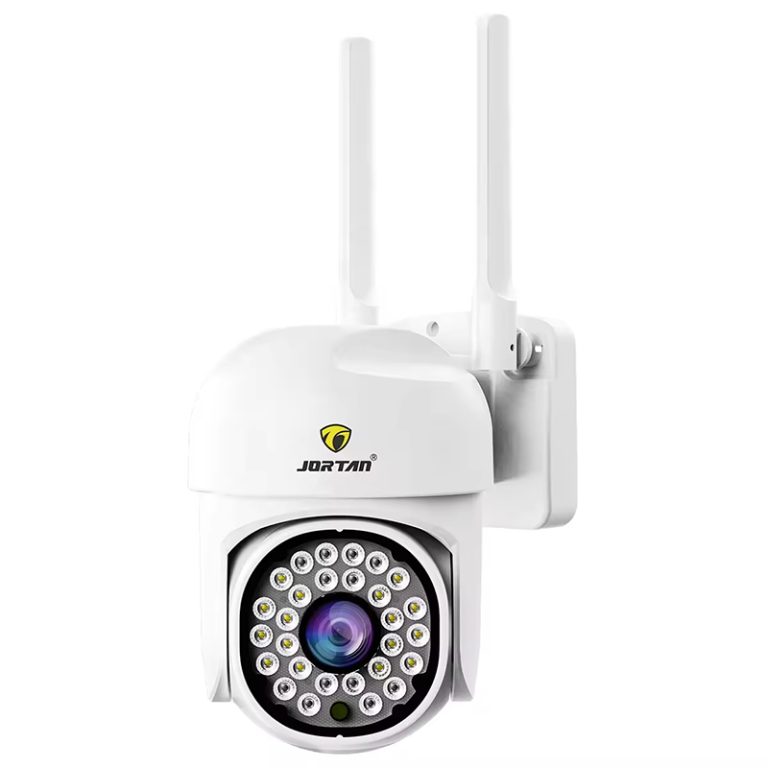
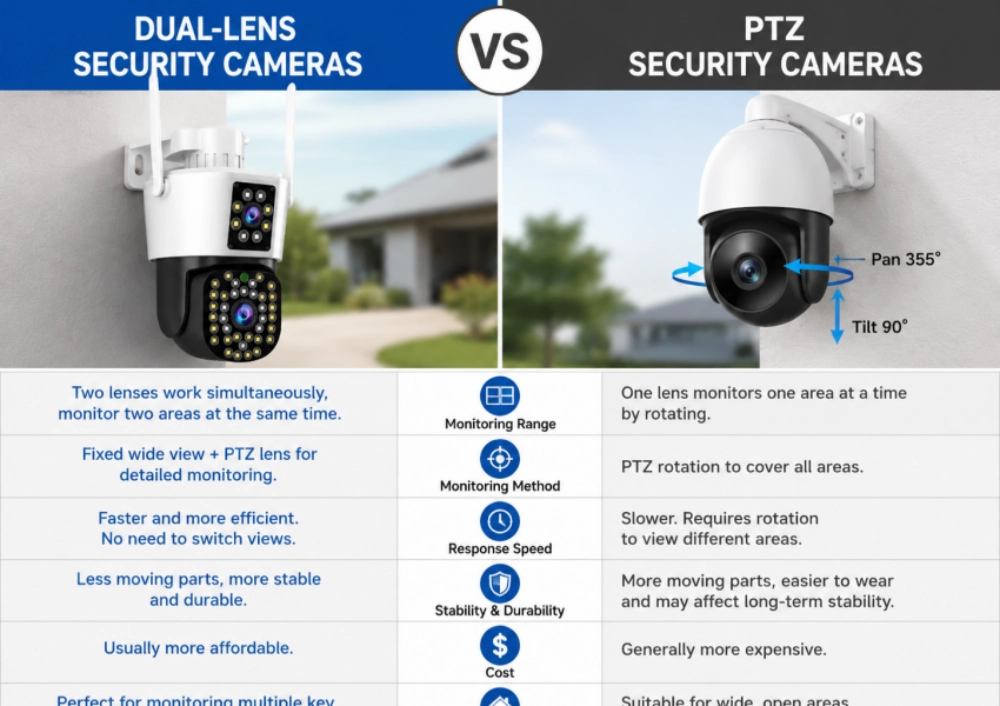
A dual-lens camera and a PTZ camera can both reduce the number of devices on a site, but they do it in different ways. A dual-lens design creates more than one simultaneous view. A PTZ camera changes the view by panning, tilting, and zooming. That difference matters in a loading yard, store exterior, driveway, or warehouse edge where a missed event may occur while the camera is looking somewhere else.
The right choice depends on whether the site needs permanent wide context, a closer adjustable view, or both. A purchase decision should not begin with the largest coverage claim. Start with entrances, traffic paths, distance to the target, night lighting, evidence requirements, available mounting points, and who will use the video after an event. One camera may reduce hardware count but still leave blind spots if the job is poorly defined.
Simultaneous Views And Moving Views Solve Different Gaps
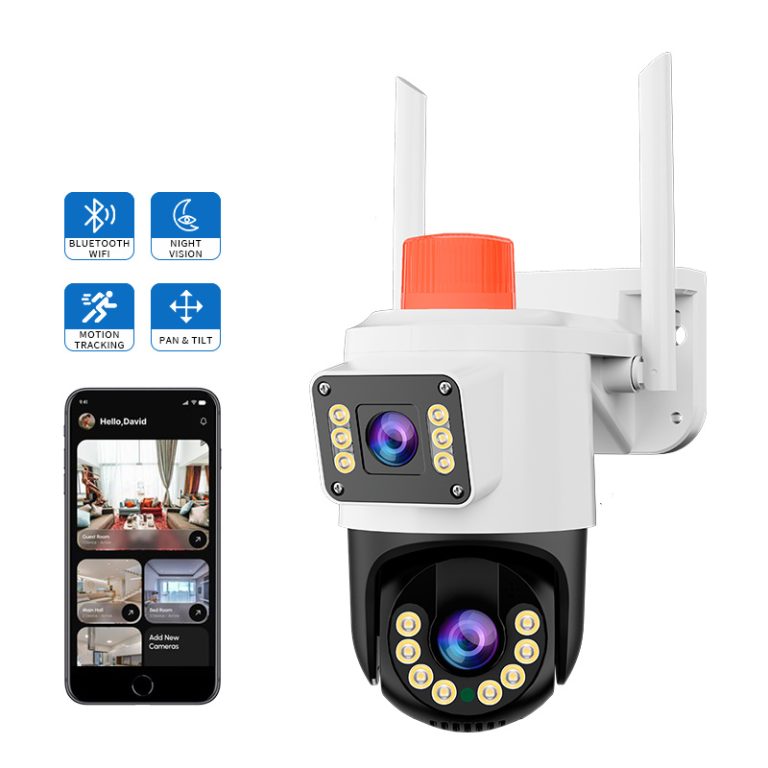
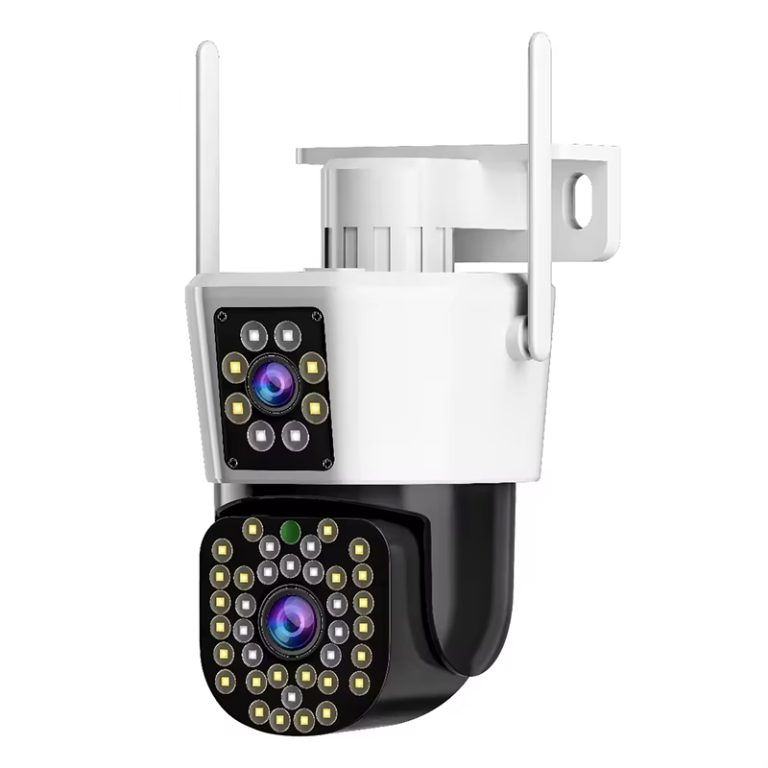
Multi-lens cameras are generally associated with multi-eye linkage or panoramic coverage, while PTZ describes a camera that can move horizontally and vertically and change focal length. The first approach protects more than one viewpoint at the same time. The second gives an operator or linked event a way to inspect a specific area more closely. Neither format is automatically the better security camera for every layout.
Where Dual Lenses Make Sense
A dual-lens camera is often useful where the buyer wants a broad scene plus a more focused scene available at the same moment. Think of a storefront that needs an entrance and a curb lane or a yard that needs a gate and the approach road. Because both views can be present together, the operator is less dependent on moving the camera after something begins. Review the current layout for the JT-8177 camera model during a sample test, not from a model name alone.
A fixed multi-view camera still needs a proper mounting height and angle. Two lenses cannot automatically see behind a vehicle, through stacked goods, or around a wall. Draw each viewing cone on the site plan, include the likely path of people and vehicles, and then allow meaningful overlap at handoff points. This is more useful than trying to count coverage from the advertised lens number.
PTZ Is Stronger When The Detail Moves
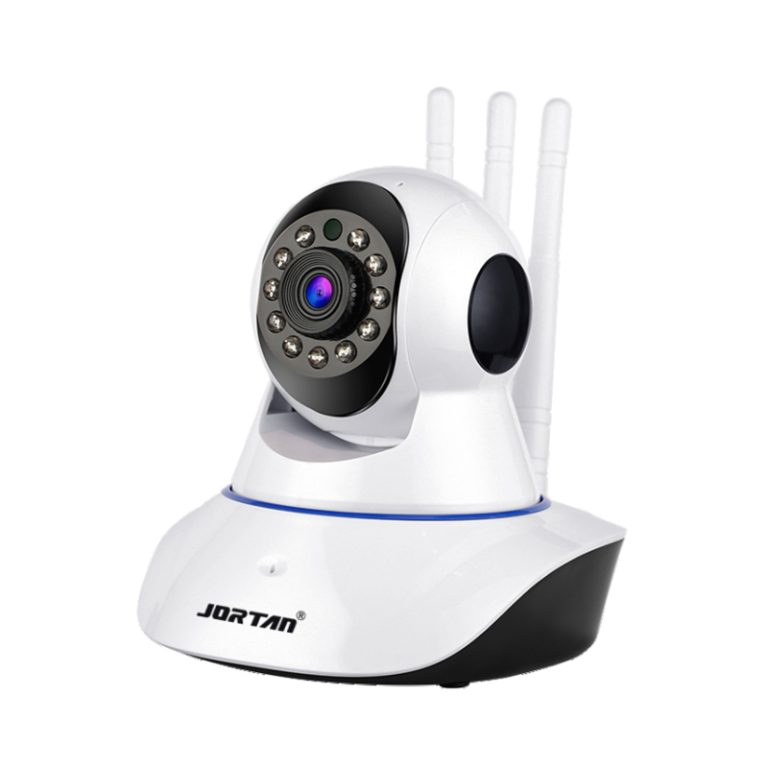
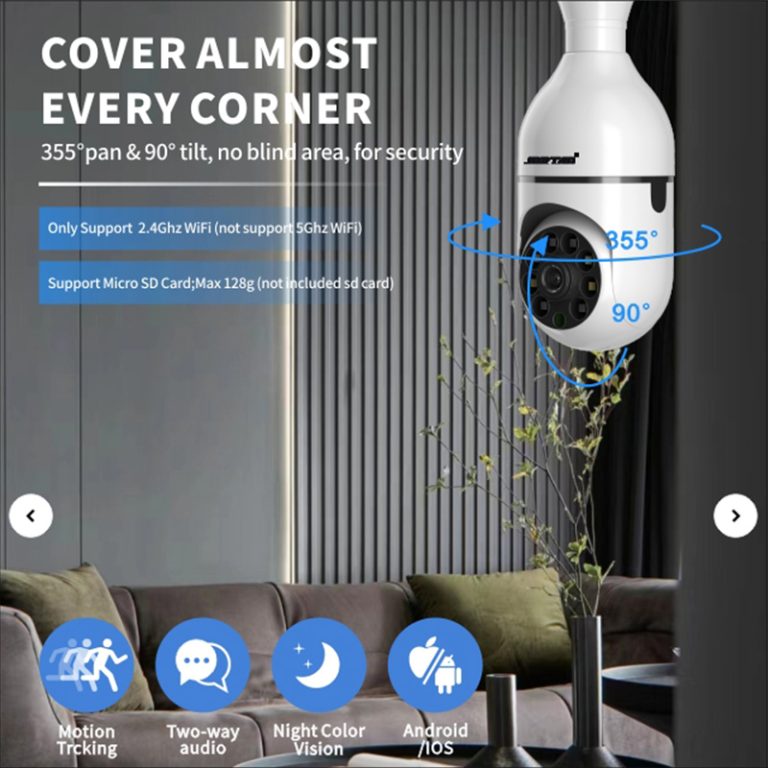
PTZ cameras are built around pan, tilt, and zoom. They can scan a larger area and magnify a point of interest, which is valuable for a long drive, a perimeter, or a large open yard. Their weakness is simple: a single PTZ view is not a permanent view of every direction. When it moves to inspect one object, another area may be outside the active frame.
Zoom Does Not Replace Overview Coverage
Use PTZ where the team needs to examine distance or follow an event that has already been identified. Pair it with a fixed or multi-lens camera when continuous context is equally important. In a larger system, confirm that the recorder, platform, and selected integration path can support the intended PTZ functions. A simple video stream can be enough for viewing while not carrying the information needed for remote pan, tilt, or zoom adjustment.
The camera choice should also account for staff. A PTZ can be valuable in a staffed site with an operator who knows when to move it. At an unstaffed location, preset tours and event linkage need careful testing. The rule is not to replace every fixed CCTV camera with a PTZ. It is to put movement and zoom where they add evidence, while retaining continuous views where they protect the basic scene.
Installation Count Is Only One Part Of The Cost
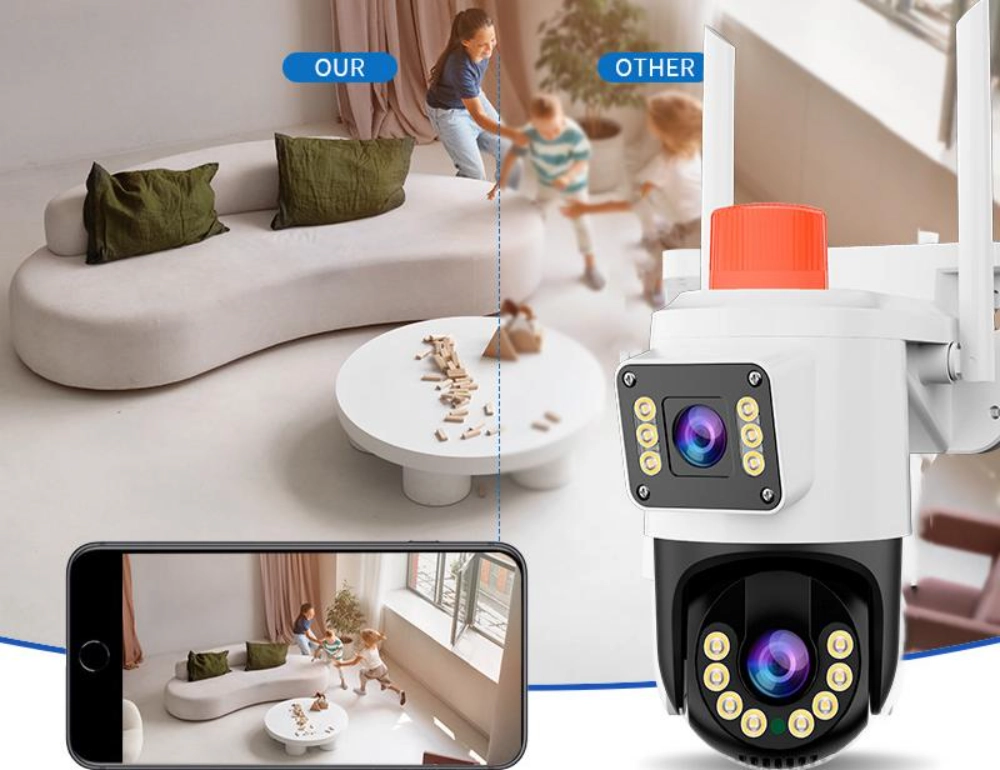
Fewer devices can mean fewer mounting points, cable runs, power connections, and recorder channels. It can also create a single point of failure if one camera carries too many important views. The total decision should include coverage quality, service access, recording channels, storage load, network capacity, and the cost of revisiting a site to correct a blind area. A cheaper device count is not always a cheaper operating result.
Compare The System, Not Just The Camera
For a site with several cameras, review the recorder intake, storage policy, and network path before selecting a high-resolution multi-view or PTZ model. Network cameras encode and transmit video over IP paths, while the NVR and storage system must accept the combined stream. The 6115AHD-8 camera model category can support an early comparison of camera directions, but the quote should identify the required NVR, switch, storage, and accessories as well.
A Jortan8 camera model can make that comparison easier because it frames the camera, recording, transmission, and power path as one chain. Ask the supplier to mark which locations need a persistent overview, which need close detail, and which could share a single device. This avoids paying for a camera that looks versatile on a specification sheet but cannot deliver the evidence the site actually needs.
Choose By Scene Risk And Operating Method
Use the site plan to decide where a simultaneous view matters more than a movable view. Gates, cashier points, emergency exits, and delivery handoffs usually benefit from a stable record. Wide perimeters and long approaches may justify PTZ movement and zoom. After the first trial, review day and night clips from actual mounting points, including glare, vehicle obstruction, and the distance at which identification is still useful.
Keep The Product Range Clear For Buyers
Distributors should describe dual-lens and PTZ products as different tools, not as interchangeable upgrades. Jortan’s security camera product is a practical starting point for product-range conversations. The final catalogue should state the lens arrangement, recording options, mounting limits, remote adjustment functions, and the NVR or app path that has been tested. Clear positioning reduces returns from buyers who expected a single device to solve two unrelated viewing problems.
A useful quotation shows the coverage map beside the hardware list. Mark the stable views, the movable PTZ view, the camera height, and the expected target distance. This makes the trade-off visible before installation starts. It also gives the end user a fair basis for deciding whether a second fixed camera is more valuable than a more complex PTZ function at the same location.
Maintenance access deserves the same attention. A multi-view camera mounted high on a facade may reduce cable work while making lens cleaning or replacement more involved. Include ladders, lifts, bracket access, firmware support, and recorder-channel changes in the total cost review. The device count is only one line in the operating budget.
Conclusión
Dual-lens cameras and PTZ cameras reduce device count in different ways. Dual lenses keep more than one view available at once; PTZ adds movable framing and zoom. A fair choice starts with the evidence needed at each location, then checks mounting, recording, network, and operator workflow as one system.
Preguntas frecuentes
Q1: Does a dual-lens camera always cover more than a PTZ camera?
A1: It can provide more simultaneous fixed views, while a PTZ can scan and zoom across a broader area over time. The useful comparison is simultaneous context versus movable detail.
Q2: Can one PTZ replace all fixed cameras at a gate?
A2: Usually not. When the PTZ follows or zooms in on one event, another direction may not be recorded in the active frame. Fixed or multi-view coverage may still be needed for continuous context.
Q3: What should be tested before choosing between dual-lens and PTZ?
A3: Test final mounting height, day and night coverage, target distance, blind areas, recording quality, storage load, remote adjustment, and the recorder or platform compatibility.